Technology is changing how we do almost everything, and home maintenance is no exception. You may have seen small, unmanned aircraft—drones—flying around construction sites or real estate listings. Now, that same technology is making its way into the roofing industry, offering a new way to get a bird’s-eye view of your home. But is a drone roof inspection the right choice for you?
While the idea of using a high-tech drone to check your roof for damage is exciting, it’s important to understand what this technology can and can’t do. Like any tool, it has its strengths and weaknesses. This guide will explain the pros and cons of drone roof inspections, helping Columbia homeowners like you understand how they work, when they are useful, and when a traditional, hands-on approach is still the best option.
What Is a Drone Roof Inspection and How Does It Work?
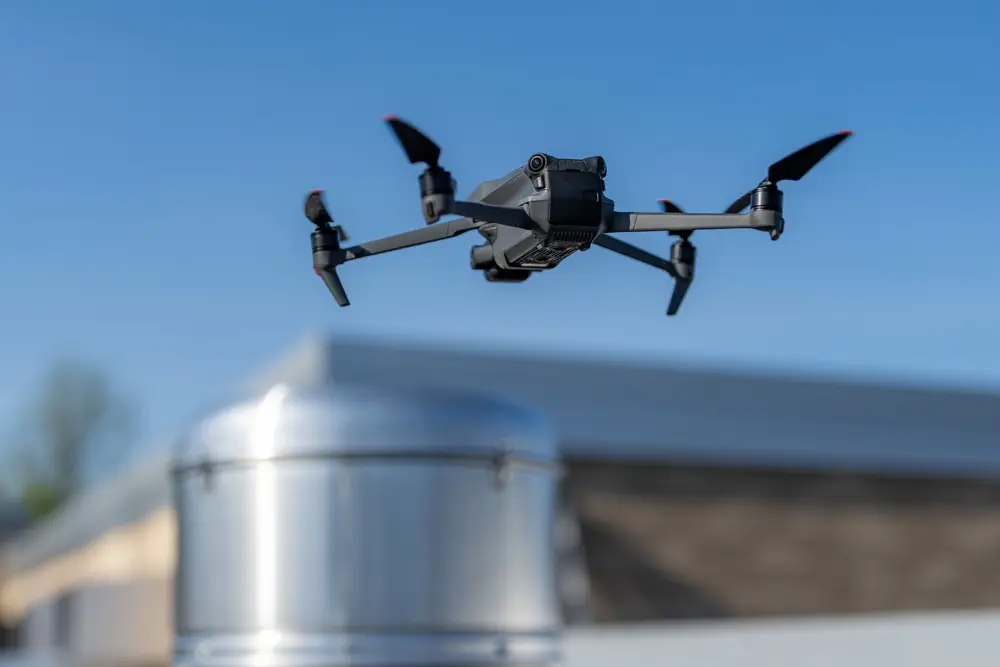
A drone roof inspection uses a high-resolution camera mounted on a small, unmanned aerial vehicle (UAV) to capture detailed images and videos of your roof. Instead of immediately climbing a ladder, a licensed and trained professional operates the drone from the ground, systematically flying it over your entire roofing system.
The process is methodical and designed for safety and accuracy:
- Site Assessment and Flight Plan: Before launching, the operator walks the property to identify potential hazards like power lines, overhanging tree limbs (a common sight in the Midlands), or nearby structures. They create a pre-programmed or manual flight path to ensure every square foot of the roof is captured.
- Safety Perimeter: A safe takeoff and landing zone is established, and the operator ensures no people or pets are directly under the flight path.
- Data Capture: The drone is flown at various altitudes and angles to take hundreds, sometimes thousands, of high-resolution photos and videos. It can capture everything from a wide overview of the entire roof down to close-up shots of individual shingles, flashing, and vents. Some advanced drones are also equipped with thermal cameras that can detect temperature differences, potentially identifying areas of moisture or heat loss that are invisible to the naked eye.
- Software Analysis and Reporting: The collected images are uploaded into specialized software that stitches them together to create a detailed, interactive 3D model of your roof. This allows the roofing professional to zoom in on potential problem areas, measure dimensions, and document any damage with precision. The findings are then compiled into a comprehensive report for you, the homeowner.
Capturing roof details without climbing ladders
The primary function of a drone is to gather a massive amount of visual data safely and efficiently. An operator can direct the drone to hover over a steep section of the roof, get a close look at a chimney without setting up complex ladder arrangements, or scan a large commercial roof in a fraction of the time it would take to walk it. This initial data capture provides a comprehensive overview that helps a roofer identify areas that need a closer, hands-on look.
When Drone Inspections Make the Most Sense
Drone technology isn’t just a gimmick; it’s a powerful tool that is incredibly effective in certain situations. Here in Columbia, where we see everything from intense summer sun to severe thunderstorms, drones can be particularly useful.
A drone roof inspection is often the best choice for:
- Initial Storm Damage Assessments: After a major hailstorm or high-wind event, a drone can quickly and safely document widespread damage across the entire roof surface. This provides fast, comprehensive evidence for an insurance claim without putting an inspector on a potentially compromised roof.
- Steep or Hard-to-Access Roofs: For homes with very steep pitches, multiple stories, or complex architectural designs (like many historic homes in downtown Columbia), a drone inspection is far safer than a manual one. It eliminates the significant risks associated with climbing ladders to great heights.
- Inspecting Fragile Materials: Certain roofing materials, like slate, clay tiles, or older architectural shingles, can be damaged by foot traffic. A drone allows for a thorough inspection without anyone ever stepping on the roof, preserving its integrity.
- Large-Scale and Commercial Properties: For large residential or commercial buildings, a drone can complete an inspection in a fraction of the time it would take a team of people to walk the roof, saving time and labor costs.
- Routine Maintenance Checks: A quick drone flight can provide a detailed snapshot of your roof’s condition as part of an annual maintenance plan, helping to catch minor issues like cracked sealant or debris buildup before they become big problems.
When manual inspections are still necessary
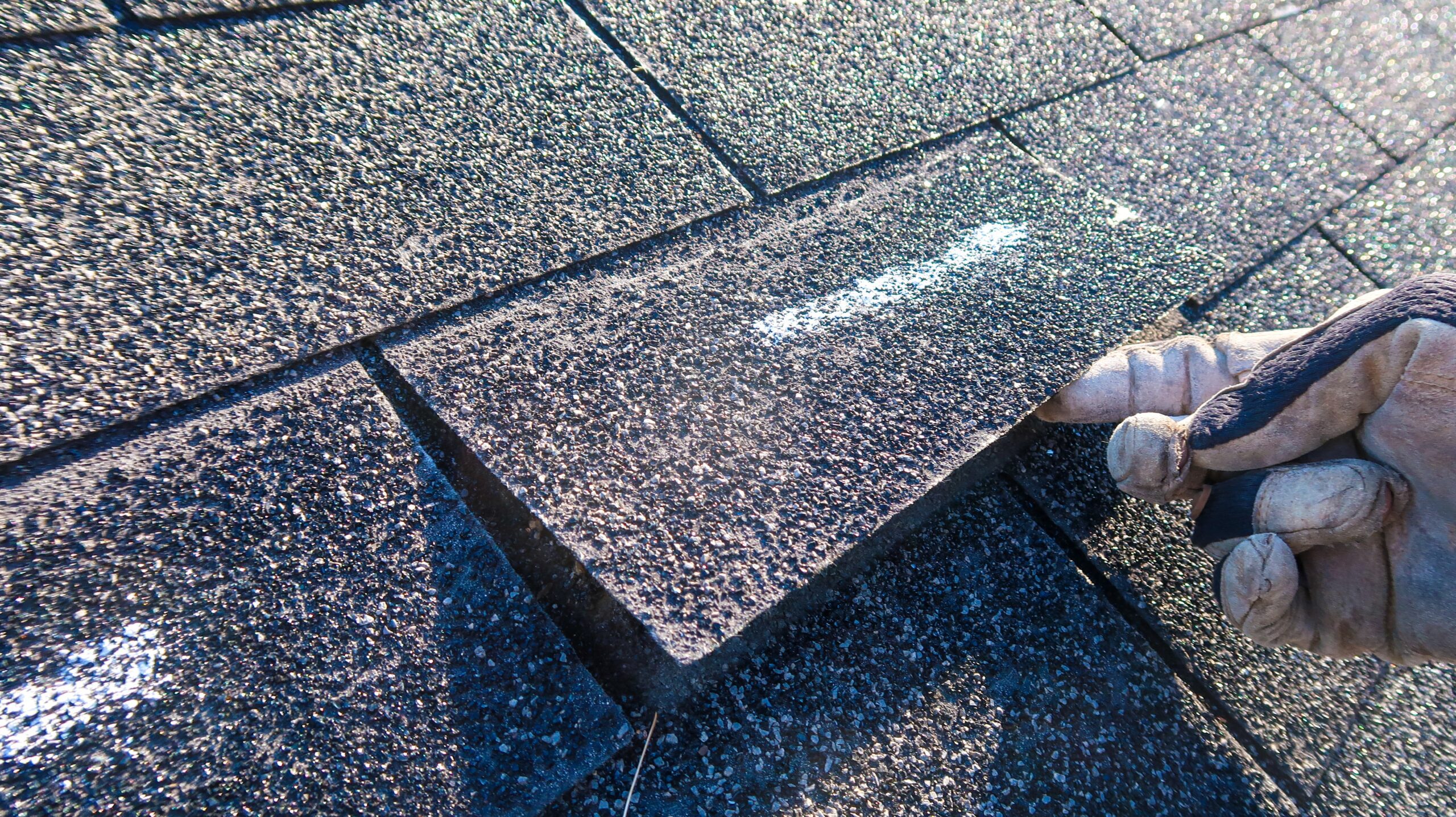
For all its advantages, a drone can’t feel. A camera can show you a potential issue, but it can’t tell you if a shingle is brittle, if flashing is loose, or if there’s a soft spot in the decking underneath. That’s why a manual, hands-on inspection is still essential for confirming a diagnosis and planning a repair.
A physical inspection is necessary to:
- Check for Soft Spots: An experienced roofer can feel for sponginess in the roof deck, which indicates rot or water damage that a drone’s camera would miss.
- Test Shingle Integrity: A drone can’t determine if shingles have become brittle from age and sun exposure or if the granules are flaking off easily.
- Lift Shingles to Inspect Underneath: To properly check flashing, sealant, and the condition of the underlayment, a roofer needs to be able to gently lift the edges of shingles.
- Identify Subtle Leaks: Sometimes a leak’s entry point is not obvious from above. A hands-on inspection in the attic and on the roof is often required to trace the water path back to its source.
Think of it this way: a drone inspection is like an X-ray, providing an incredibly detailed look at the overall structure. A manual inspection is like a physical exam, where a doctor uses touch to confirm what the X-ray shows. The best and most thorough inspection often combines both methods.
Galleries
Latest Projects
Need proof of our skills? Check out our recent roof and gutter work!
Benefits of Drone Technology for Roofing Companies
Reputable roofing companies have embraced drone technology because it helps them provide better service. For us, the benefits are clear:
- Enhanced Safety: Safety is our number one priority. Drones reduce the amount of time our team needs to spend on ladders or walking on potentially unsafe roofs, especially during initial damage assessments.
- Improved Accuracy and Documentation: Drones provide irrefutable, high-resolution visual evidence of a roof’s condition. This level of detail is invaluable for creating precise repair estimates and for submitting thorough, well-documented insurance claims that are less likely to be disputed.
- Greater Efficiency: A drone can scan a roof in 15-30 minutes, a process that might take an hour or more to do manually. This efficiency means we can respond to more homeowners faster, especially after a storm sweeps through the area.
- Better Customer Communication: The detailed reports and 3D models generated from drone data make it easy for us to show you exactly what we see. You don’t have to take our word for it; you can see the cracked shingles or damaged flashing for yourself on a screen, helping you make a more informed decision.
The Limitations and Legal Considerations of Drone Use
Flying a drone for commercial purposes isn’t as simple as buying one online and sending it up. It’s a regulated activity with important legal and practical limitations.
- FAA Regulations: Any professional using a drone for roof inspections must have an FAA Part 107 Remote Pilot Certificate. This requires passing an aeronautical knowledge exam and adhering to strict rules, including keeping the drone within visual line-of-sight and not flying over people.
- Weather and Environmental Limits: Drones cannot be flown in high winds, rain, or other inclement weather. Here in Columbia, a sudden afternoon thunderstorm can ground a planned inspection. Trees and power lines also present significant obstacles that require a skilled operator to navigate.
- Privacy Concerns: Flying a camera over private property requires professionalism and respect for neighbors’ privacy. A professional operator will plan their flight path to focus only on the target roof and avoid capturing adjacent properties whenever possible.
- No-Fly Zones: Drones are restricted from flying near airports (like Columbia Metropolitan Airport), military bases, or other sensitive locations without special clearance.
Cost and time comparisons: drones vs. traditional inspections
When it comes to cost, the two methods are often comparable for a standard residential home, but the value is distributed differently.
A drone inspection might have a slightly higher upfront cost if viewed as a standalone service, due to the investment in equipment, software, and pilot certification. However, it can often save money by identifying all damage in a single, efficient visit and providing robust data for insurance claims.
A traditional inspection’s cost is primarily based on the roofer’s time and expertise. While it might seem less expensive initially, it can take longer and may require multiple visits if the roof is complex or has extensive damage.
Ultimately, most reputable roofing companies, including Cola City Roofing , don’t charge extra for using a drone. We see it as another tool in our toolbox and will use the method—or combination of methods—that is most appropriate for the job at no additional cost to you.
How Cola City Roofing Uses Drone Technology Safely and Effectively
At Cola City Roofing , we believe in using the best tools for the job, and that includes drone technology. However, we use it as part of a comprehensive inspection process, not as a replacement for hands-on expertise.
Our approach is simple: We use drones when it makes the job safer, faster, and more accurate. Our pilots are trained and fully insured, and they follow strict safety protocols on every flight. After a drone survey, a member of our team will still perform a targeted physical inspection of any areas of concern the drone identified. This hybrid approach gives you the best of both worlds: the high-tech overview of a drone and the irreplaceable-hands-on confirmation from an experienced roofer.
Should You Request a Drone Roof Inspection for Your Home?
As a homeowner, you don’t necessarily need to request a specific inspection method. Instead, your focus should be on hiring a trustworthy, professional roofing company that knows which tools to use and when.
When you call for an inspection, you can ask if they use drone technology and how it fits into their process. A good roofer will be able to explain why they might recommend a drone for your specific situation—or why a traditional inspection would be more suitable. The most important thing is that the company has a clear, transparent process and prioritizes a thorough, accurate assessment.
Whether the inspection starts with a drone flight or a ladder against the eave, the goal is the same: to give you a complete and honest understanding of your roof’s condition.
If you’re concerned about your roof after a storm or just want a routine check-up, contact us to schedule a complimentary site visit . Our experienced team will determine the safest and most effective way to inspect your roof and provide you with a detailed, easy-to-understand report.