When you look at the rooftops across Columbia, you’ll see a mix of styles. Most homes feature the familiar angled, shingled roofs that are a staple of residential architecture. However, you’ll also spot flat roofs, especially on commercial buildings, modern homes, and additions like garages or covered patios. While both protect your property from the South Carolina elements, they are fundamentally different in how they are built, the problems they face, and how they are repaired.
Understanding these differences is key to maintaining the roof over your head. A repair strategy that works perfectly for a shingle roof could be a disaster on a flat one. This guide will walk you through everything you need to know about flat roof repair versus shingle roof repair. We’ll explore their unique construction, common issues you might encounter in our hot and humid climate, and the specific repair methods that keep each type in top condition. Our goal is to give you the knowledge to make informed decisions, just as if you were part of our family.
Understanding Flat Roofs and Shingle Roofs
Before diving into repairs, it’s important to understand what makes these two roof types so different from the ground up. It’s not just about aesthetics; their entire structure is designed for different purposes and challenges.
Key construction differences
A shingle roof, also known as a pitched roof, is built with a slope. This angle is its most important feature. It uses gravity to shed water quickly and efficiently, directing rain and debris down into the gutters and away from your home’s foundation. The structure consists of a wooden frame (rafters and trusses) covered by a layer of wood sheathing or decking. On top of the decking sits a protective layer called underlayment, and finally, the overlapping rows of shingles are installed as the outermost shield.
A flat roof, by contrast, isn’t truly flat. It has a very slight slope—usually about a quarter-inch per foot—to guide water toward drains or scuppers. Instead of shingles, a flat roof is covered by a continuous, waterproof membrane. This membrane is critical because water doesn’t run off immediately; it moves slowly and can sit for a while, especially during a heavy Columbia downpour. The materials used, like TPO, EPDM rubber, or modified bitumen, are designed to create a seamless, watertight barrier that can withstand standing water and intense UV exposure.
Pros and cons of each roof type
Choosing between a shingle and a flat roof involves trade-offs in cost, maintenance, and usability.
Shingle Roofs:
- Pros: Shingle roofs are generally less expensive to install and are available in a wide variety of colors and styles, including popular architectural shingles that add dimension. They have a long, proven track record, and finding experienced installers is relatively easy. Their sloped design is excellent at managing heavy rain.
- Cons: High winds during a summer thunderstorm can lift and tear shingles. They are not suitable for low-slope or flat designs. The individual nature of shingles means there are many seams, which can become potential entry points for water if they are damaged or improperly installed.
Flat Roofs:
- Pros: Flat roofs offer usable space for things like rooftop decks, gardens, or HVAC units. Their modern, clean look is popular in contemporary architecture. Installation can sometimes be faster than a complex pitched roof, and they are the only viable option for certain building designs.
- Cons: Drainage is their biggest challenge. Without a steep slope, they are prone to "ponding," where water pools in low spots. They require meticulous installation to ensure the membrane is perfectly sealed, as even a tiny flaw can lead to a significant leak. The materials can also be more susceptible to punctures from falling branches or foot traffic.
Galleries
Recent Works
Need proof of our skills? Check out our recent roof and gutter work!
Common Issues with Flat Roofs
The design of a flat roof makes it vulnerable to a specific set of problems, many of which are amplified by South Carolina’s climate of intense sun and heavy rainfall.
Ponding water and leaks
Ponding water is the number one enemy of a flat roof. After a storm, if you see puddles that remain for more than 48 hours, you have a drainage problem. This constant moisture puts immense stress on the roofing membrane. The weight of the water can cause the roof deck to sag, creating even deeper ponds. Over time, the standing water will find any tiny imperfection, seam, or crack and work its way through, causing persistent leaks that can be difficult to trace.
Blistering, cracking, and seam damage
The relentless Columbia sun takes a toll. UV rays can break down the roofing materials, causing them to become brittle. This leads to two common issues:
- Blistering: Trapped moisture or air between the membrane and the roof deck can heat up and expand, creating bubbles or blisters on the surface. These blisters compromise the membrane’s integrity and can eventually rupture, creating a direct path for water.
- Cracking: As the membrane ages and loses its flexibility, it can develop cracks, especially in areas that experience temperature fluctuations. These cracks are often the source of slow, nagging leaks.
- Seam Damage: The seams where sections of the membrane are joined are the weakest points. Over time, adhesive can fail or heat-welds can separate, allowing water to seep underneath.
Material-specific problems (EPDM, TPO, modified bitumen)
Different flat roofing materials have unique vulnerabilities.
- EPDM (Rubber): This durable rubber membrane can shrink over time, pulling away from flashing and edges, creating gaps. It is also susceptible to punctures from sharp objects.
- TPO (Thermoplastic Olefin): A popular white membrane known for its energy efficiency, TPO can become brittle with age and UV exposure. The welded seams are strong but can fail if not installed correctly.
- Modified Bitumen: This is an asphalt-based material, often installed in layers. It can become soft in extreme heat, making it vulnerable to scuffs and damage from foot traffic. Over time, the granular surface can wear away, exposing the underlying asphalt to the elements.
Common Issues with Shingle Roofs
While shingle roofs are excellent at shedding water, they face their own set of challenges, from storm damage to the natural aging process.
Missing or damaged shingles
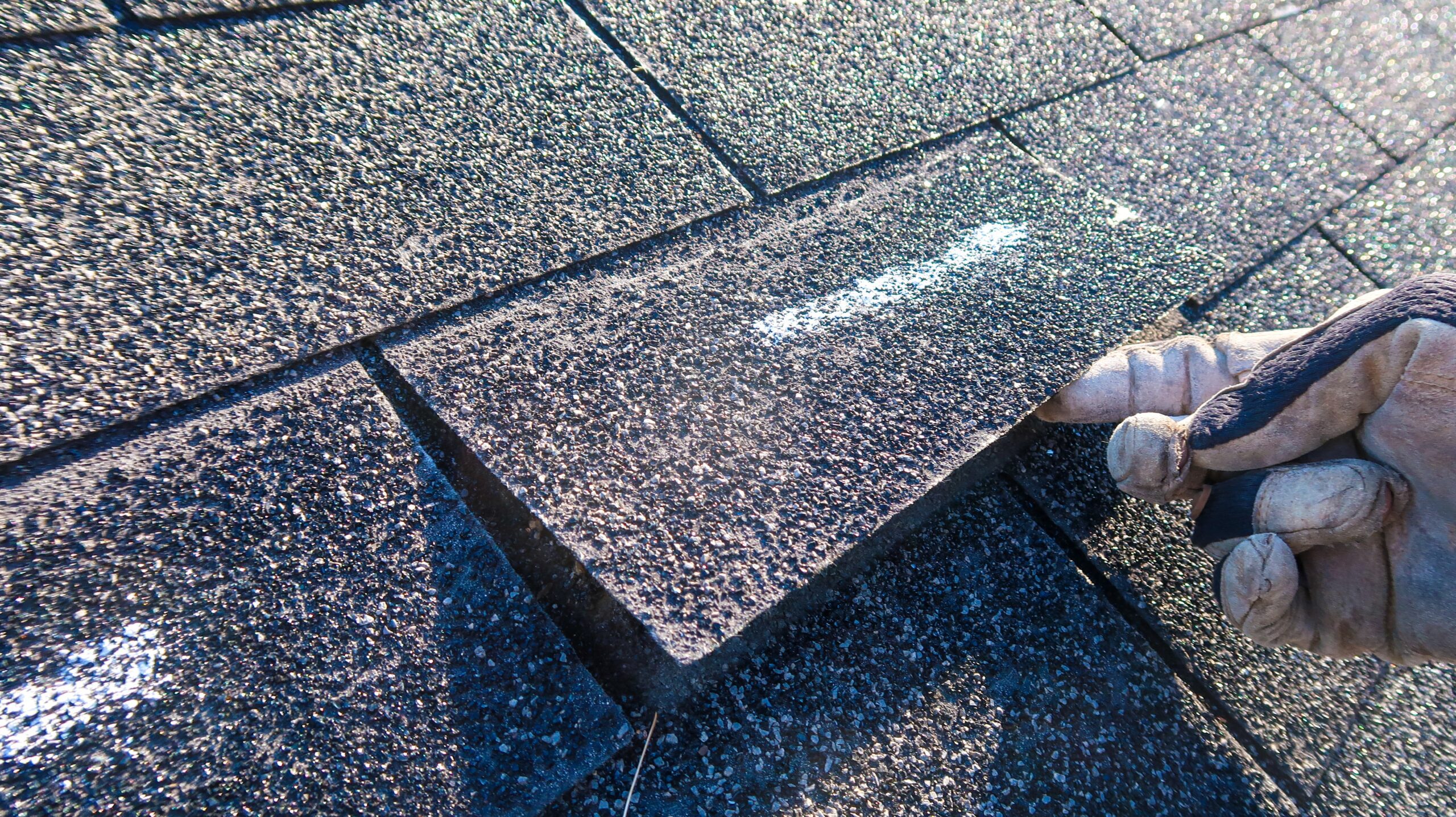
Strong winds are a shingle roof’s biggest foe. A powerful gust during a Midlands thunderstorm can lift the edge of a shingle, break its sealant, and tear it right off the roof, leaving the underlayment exposed. Shingles can also be damaged by hail, which can crack or puncture them, or by falling tree limbs. A single missing shingle creates an express lane for water to get into your home.
Granule loss and curling
Look in your gutters. If you see a lot of sand-like particles, those are the granules from your asphalt shingles. These granules are the shingle’s primary layer of protection against UV rays. As a roof ages, it naturally sheds some granules. However, excessive granule loss, often caused by hail or physical damage, signals that the shingles are weakening and nearing the end of their life.
Another sign of aging is curling. As shingles get older and lose moisture, their edges may start to curl up or down. Curling shingles are easily caught by the wind and can break off, leaving your roof vulnerable.
Flashing and underlayment damage
Flashing is the metal material installed around chimneys, vents, skylights, and in roof valleys. Its job is to seal these vulnerable joints where the roof meets another surface. If the sealant around the flashing cracks or the metal itself becomes rusted or bent, it creates a common source for major leaks.
The underlayment is the final line of defense beneath your shingles. If shingles are missing for a prolonged period, this layer can become exposed to sunlight and moisture, causing it to degrade and fail. This allows water to reach the wooden roof deck, leading to rot and structural issues.
Repair Methods for Flat Roofs
Repairing a flat roof is all about restoring its seamless, waterproof barrier. The right method depends on the material and the extent of the damage.
Patch repairs for small leaks
For minor punctures, small cracks, or localized seam failures, a patch is often sufficient. The process involves thoroughly cleaning the damaged area to ensure proper adhesion. A compatible sealant or patch material is then applied over the hole or crack, extending several inches beyond the damage to create a durable seal. For EPDM roofs, this might be a special rubber patch, while TPO requires a piece of TPO membrane to be heat-welded over the area.
Re-coating or resurfacing
If the roof membrane is showing widespread signs of aging, like extensive cracking or surface wear, but is otherwise structurally sound, a re-coating can be a great solution. This involves applying a liquid-based acrylic or silicone coating over the entire surface of the roof. This new layer seals small cracks, reinforces seams, and adds a reflective, protective barrier against UV rays and water. It’s a cost-effective way to extend the life of a flat roof by 5 to 10 years without a full replacement.
When full replacement is necessary
Sometimes, a repair isn’t enough. Full replacement is typically needed when:
- There is widespread, severe damage, such as numerous large blisters or deep cracks across the roof.
- The underlying insulation is saturated with water from prolonged leaks. A wet substrate will continue to cause problems, even with a new membrane on top.
- The roof has reached the end of its functional lifespan and repairs are becoming frequent and costly—a "money pit" situation.
Repair Methods for Shingle Roofs
Shingle roof repairs are often more localized, focusing on replacing individual components to restore the roof’s water-shedding system.
Spot shingle replacement
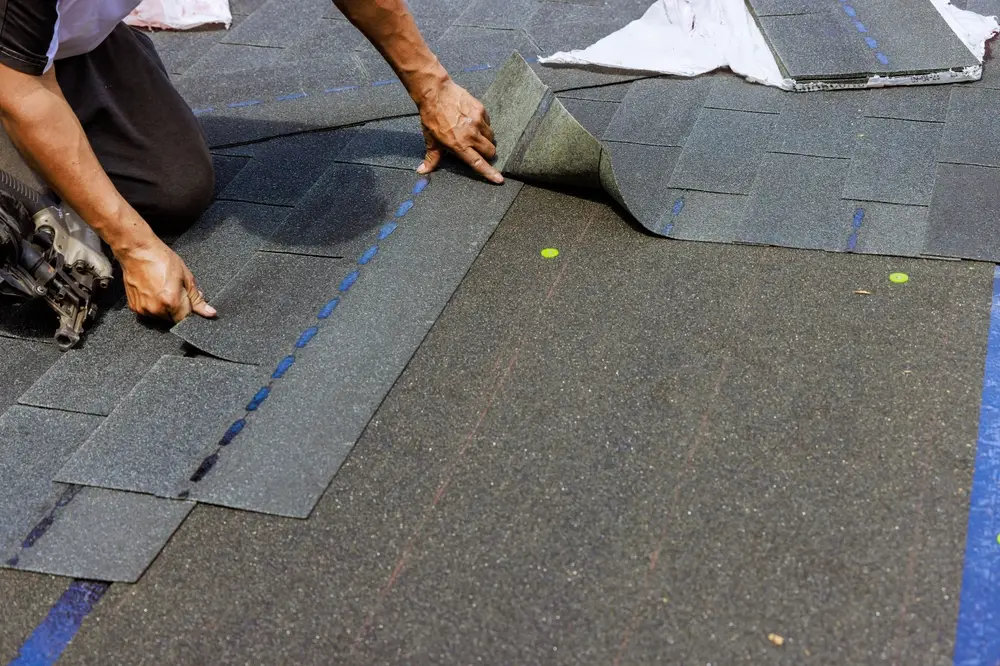
When one or a few shingles are missing or damaged, a professional can perform a spot replacement. This involves carefully removing the damaged shingle (and the nails from the shingle above it) without harming the surrounding ones. A new shingle that matches in color and style is then slid into place, properly nailed according to manufacturer specifications, and sealed to protect against wind and rain. This is a quick and effective fix for minor storm damage.
Re-nailing and sealant repair
Sometimes shingles aren’t torn off but simply lifted by the wind, breaking the factory sealant. In these cases, a roofer can lift the shingle, apply a new bead of roofing-grade sealant, and secure it with new nails in the correct locations. The same method is used to repair failing sealant around flashing. This simple maintenance can prevent a small issue from turning into a major leak.
Addressing underlying decking issues
If a leak has been active for a while, the wooden decking underneath the shingles may be soft, spongy, or rotten. Simply replacing the shingle over rotten wood is not a proper repair. A professional contractor will remove the shingles and underlayment in the affected area, cut out and replace the damaged section of decking, install new underlayment, and then finish with new shingles. This ensures the structural integrity of your roof is restored.
Galleries
Featured Work
Need proof of our skills? Check out our recent roof and gutter work!
Comparing Costs and Lifespan
The financial and long-term implications of repairs differ significantly between flat and shingle roofs.
Average repair cost by roof type
Generally, minor repairs on a shingle roof, like replacing a few blown-off shingles, tend to be less expensive than flat roof repairs. This is because the materials are common and the labor is straightforward.
Flat roof repairs , especially those involving seam work or specialized materials like TPO, can be more costly. Patches must be meticulously applied, and coatings require significant surface preparation. A small, simple patch might be affordable, but addressing a large area of ponding water or replacing saturated insulation can become a major expense.
Longevity after repair
A properly replaced shingle should last as long as the surrounding shingles on the roof. A well-executed patch or flashing repair can provide a permanent solution for that specific spot.
The longevity of a flat roof repair depends on the method. A simple patch may last for a few years, but it can be a temporary fix if the rest of the roof is aging. A full re-coating, however, is a more substantial investment that can add many years to the roof’s life. The key is addressing the root cause—if you just patch a leak caused by ponding water without fixing the drainage, another leak is inevitable.
Insurance considerations
After a storm, your homeowner’s insurance may cover roof damage. For shingle roofs, insurance adjusters can easily identify wind or hail damage and will often cover the cost of replacing the damaged shingles. Some policies may even cover a full replacement if a certain percentage of the roof is damaged.
Insurance claims for flat roofs can be more complex. It’s often harder to prove that damage like a separated seam was caused by a specific storm event versus gradual wear and tear. Detailed documentation, including photos and a professional inspection from a trusted roofer , is crucial for a successful flat roof insurance claim.
Choosing the Right Roof Repair for Your Home
Making the right decision starts with a thorough understanding of your roof’s condition and a trusted partner to guide you .
Factors to consider: age, damage extent, roof type
When deciding between a repair and a replacement , consider these three factors:
- Age: If your 20-year-old shingle roof has a few missing shingles, a repair makes sense. If your 10-year-old flat roof has widespread blistering, it may have been installed improperly, and a replacement might be a better long-term solution than chasing leaks.
- Damage Extent: Is the problem isolated to one small spot, or is it a symptom of a systemic issue? One missing shingle is an easy fix. Widespread granule loss and curling shingles indicate the whole roof is failing.
- Roof Type: A patch on a flat roof may buy you time, but if the underlying issue is poor drainage, you need to consider a more comprehensive solution like adding tapered insulation or a re-coating.
Benefits of hiring a local contractor
Hiring a local, reputable contractor like Cola City Roofing means you’re working with a team that understands the specific challenges of our region. We know what the summer sun and humidity can do to roofing materials. We have experience navigating insurance claims with companies in our area. We’re your neighbors, and our reputation is built on treating your home as if it were our own.
Scheduling timely repairs to prevent further damage
The most important takeaway is this: do not delay roof repairs. A small leak left unattended can lead to rotted wood, damaged insulation, and even mold growth inside your home. What could have been a simple, affordable repair can quickly spiral into a costly and complex project. A timely inspection and repair is the best investment you can make in the longevity and safety of your home.
Whether you have a shingle or flat roof, keeping it in good condition is vital. If you’ve noticed a problem or just want peace of mind, we invite you to schedule a complimentary site visit . Our team can provide a thorough, honest assessment and help you find the right solution for your home.