When you need work done on your roof, the first step is always the estimate. It’s the document that transforms a roofing project from an unknown expense into a clear, actionable plan. But what does a "free roof estimate" really mean? What should be included, how is the price calculated, and how can you tell a good estimate from a bad one?
For many homeowners in Columbia, the process can feel overwhelming. You want a fair price, quality work, and a roofer you can trust. This guide is designed to demystify the roofing estimate process from start to finish. We’ll break down what a comprehensive estimate should include, explain how contractors determine their pricing, and show you the red flags to watch out for. Our goal is to empower you with the knowledge to confidently choose the right roofer for your home.
Why Roofing Estimates Are Important Before Any Project
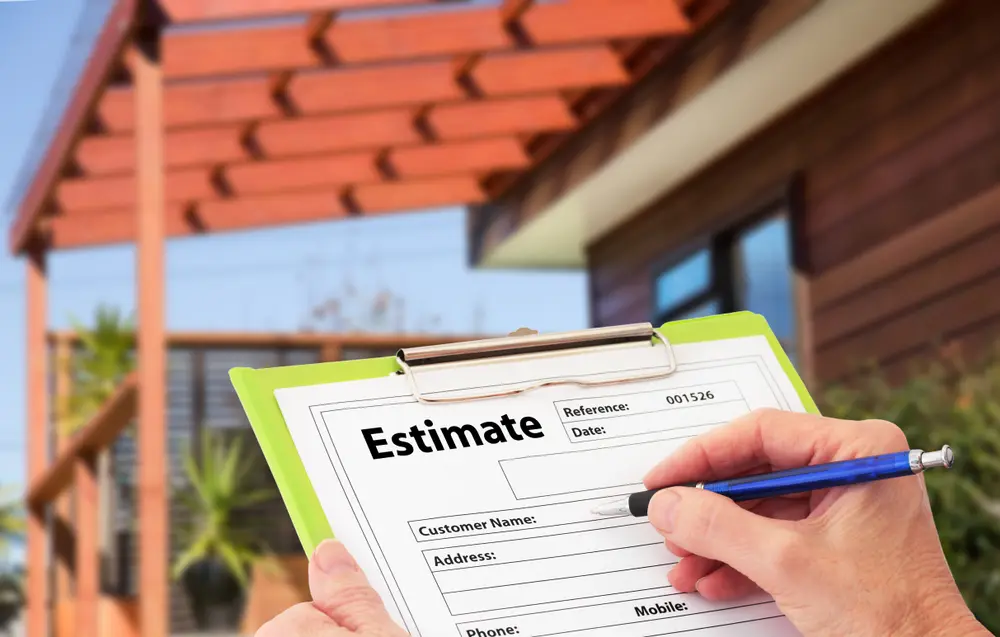
A roofing estimate is more than just a price tag; it’s the foundation for your entire project. It serves as a detailed roadmap that outlines the scope of work, the materials to be used, and the total cost, ensuring that both you and your contractor are on the same page before a single shingle is removed.
The Role of a Roof Estimate in Planning and Budgeting
A detailed, written estimate is a crucial tool for financial planning. It allows you to:
- Understand the Full Cost: A professional estimate itemizes every part of the job, from materials and labor to cleanup and permit fees. This transparency prevents surprise costs later on.
- Secure Financing: If you plan to finance your roofing project, lenders will require a formal estimate to approve a loan.
- Compare Apples to Apples: Collecting multiple estimates allows you to compare what different contractors are offering. A detailed breakdown helps you see why one price might be higher or lower than another.
- Set Clear Expectations: The estimate defines the scope of work. It specifies what repairs will be made, what materials will be used, and what the final result should look like, protecting you from misunderstandings.
Why “Free” Roof Estimates Are Standard in Columbia SC
You’ll see "free estimate" offered by nearly every reputable roofing company in the Columbia area, and for good reason. It’s the industry standard and a sign of good faith. Contractors provide free estimates as a way to earn your business. It gives them an opportunity to inspect your roof, understand your needs, and demonstrate their professionalism and expertise.
Think of it as a no-obligation consultation. A roofer who is confident in their pricing and services is happy to provide a detailed estimate because they believe their value will be clear. It’s a low-risk way for you to gather information and find a contractor you feel comfortable with. Any company that tries to charge you just for an initial quote should be viewed with caution.
What’s Actually Included in a Free Roof Estimate
A thorough, professional roof estimate is much more than a single number. It should be a detailed document that breaks down every aspect of the job. Here’s what to look for.
Material Costs, Labor, and Tear-Off Details
This is the core of the estimate. It should clearly list:
- Materials: The specific type, brand, and color of shingles, underlayment, and other components should be itemized. It should also include things like drip edge (metal flashing at the edge of the roof), flashing (metal that seals joints around chimneys and vents), and ventilation products.
- Tear-Off: If you’re getting a full replacement, the estimate must include the cost of removing and disposing of the old roofing material. This is a labor-intensive step that should never be a hidden cost.
- Labor: This covers the cost of the skilled crew who will be working on your home. The price reflects the team’s experience, insurance, and the complexity of the job.
- Total Roof Size: Estimates often use a "square" as a unit of measurement, which is equal to 100 square feet of roof area. The estimate should note the total squares needed for your project.
Inspection Findings and Recommended Repairs
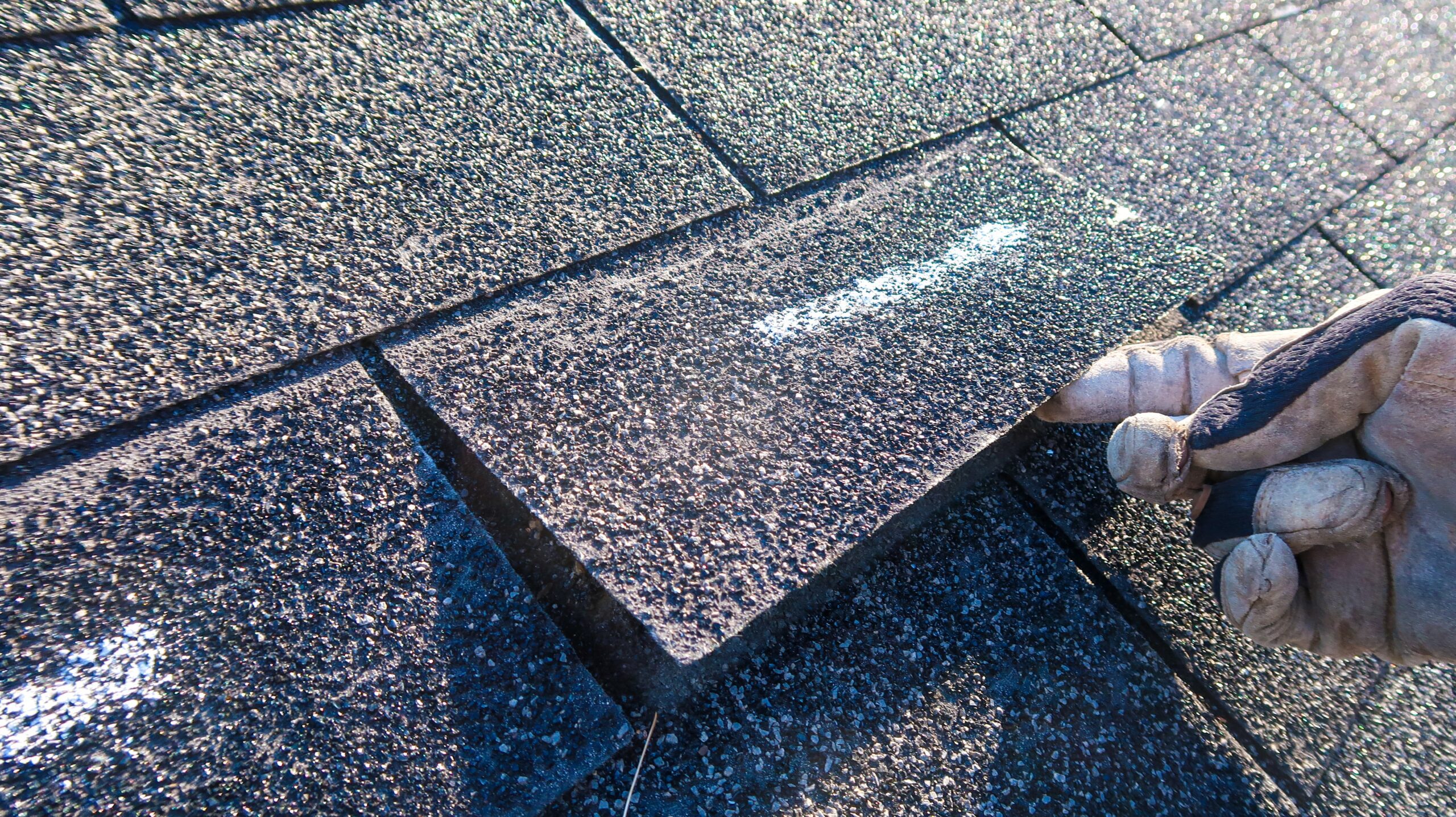
A good estimate is based on a thorough inspection. The document should summarize what the contractor found during their assessment, complete with photos whenever possible. This section should detail any recommended repairs, such as:
- Decking Replacement: The wooden roof deck is the foundation of your roof. If the inspection reveals soft or rotted wood, the estimate should include a per-sheet price for replacing it. This is often listed as a "contingency," as the full extent of decking damage can’t be known until after the old roof is torn off.
- Flashing and Pipe Boot Repair: The estimate should specify whether existing flashing will be reused or replaced. It’s almost always best practice to install new flashing and pipe boots with a new roof.
- Ventilation Upgrades: If your attic ventilation is inadequate, the contractor may recommend adding a ridge vent or other vents to improve airflow and extend the life of your new roof.
Cleanup, Disposal, and Permit Fees
The job isn’t finished until your property is clean. A professional estimate will always include:
- Cleanup and Debris Removal: This covers the cost of cleaning up all job-related debris, including using magnetic rollers to pick up stray nails from your yard and driveway.
- Disposal Fees: This is the cost associated with legally disposing of your old roofing materials in a landfill or recycling facility.
- Permit Fees: Depending on your location within the Columbia area, a building permit may be required for a roof replacement. The contractor should handle the permitting process and include the associated fee in the estimate.
How Roofing Contractors Calculate Their Estimates
Creating an accurate estimate requires more than just measuring your roof. Contractors must consider a wide range of variables, from the specific architecture of your home to the challenges of our local climate.
Factors That Affect Roof Pricing in Columbia’s Climate
Several key factors influence the final cost of a roofing project in the Midlands:
- Roof Pitch (Steepness): A steeper roof is more dangerous and difficult to work on, requiring extra safety equipment and more time. This increases labor costs.
- Complexity: A simple gable roof is easier to work on than a roof with multiple valleys, dormers, and skylights. Each of these features requires detailed flashing work, which adds to the labor cost.
- Number of Layers: If your roof has multiple layers of old shingles, the tear-off process will be more labor-intensive and disposal fees will be higher.
- Accessibility: If your home is surrounded by delicate landscaping or is difficult to access with equipment, it can add to the labor time and cost.
- Local Climate Considerations: Our intense sun, high humidity, and frequent thunderstorms mean that using high-quality, durable materials designed for our climate is essential. While these may cost more upfront, they provide better long-term value.
The Difference Between On-Site and Online Estimates
In recent years, some companies have started offering "instant" online estimates using satellite imagery. While these can be a useful starting point for a rough budget, they can never replace a thorough on-site inspection.
- Online Estimates: These tools can accurately measure the size of your roof but cannot see its condition. They can’t spot soft decking, deteriorating flashing, or hail damage. As a result, they are often inaccurate and may lead to significant price changes once a real inspection is done.
- On-Site Estimates: An on-site inspection allows a trained professional to get a firsthand look at your roof’s condition. They can walk the roof (if safe), inspect the attic, and identify potential problems that a satellite can’t see. This leads to a far more accurate and reliable estimate.
Common Red Flags in “Free” Roofing Estimates
A free estimate should be a transparent and professional document. If you see any of the following red flags, it’s a sign to proceed with caution.
Vague Line Items or Missing Costs
A professional estimate is detailed. Be wary of a quote that is just a single lump-sum number with no breakdown of materials, labor, or other costs. Likewise, if an estimate doesn’t mention crucial items like tear-off, disposal, or permits, it’s likely those costs will be added on later as an unpleasant surprise.
Unusually Low Prices That Seem Too Good to Be True
If one estimate is dramatically lower than all the others, there’s usually a reason. The contractor might be cutting corners by using inferior materials, hiring an uninsured crew, or not including essential parts of the job. A low bid can end up costing you more in the long run through shoddy work and future repairs.
Pressure Sales Tactics or Upfront Payment Requests
A reputable contractor will give you time to review your estimate and make a decision. Be cautious of anyone who pressures you to "sign today before this price is gone." High-pressure sales tactics are a major red flag.
Furthermore, while a deposit is standard once you sign a contract, you should never have to pay a large sum of money upfront just to get an estimate or before any materials are delivered to your property.
Galleries
Latest Projects
Need proof of our skills? Check out our recent roof and gutter work!
How to Compare Estimates and Choose the Right Roofer
Once you have a few detailed estimates in hand, you can make an informed decision. Look beyond the bottom-line price and compare what you’re truly getting for your money.
Evaluating Experience, Reputation, and Warranty Coverage
- Experience: How long has the company been in business in the Columbia area? Do they have experience with your type of roof?
- Reputation: Check online reviews on Google and other platforms. Look for consistent feedback about communication, quality of work, and cleanup.
- Insurance and Licensing: Verify that the contractor is fully licensed and insured (both liability and workers’ compensation). This protects you in case of an accident on your property.
- Warranty: Compare the warranties offered. There are two types: a manufacturer’s warranty on the materials and a contractor’s warranty on the workmanship. A confident roofer will stand behind their work with a strong workmanship warranty.
Why Local Roofing Knowledge Makes a Difference
Choosing a local, Columbia-based roofer offers significant advantages. A local contractor understands the specific challenges posed by our climate, from the relentless summer heat to the impact of pine needles on gutters. They are familiar with local building codes and permit requirements.
Most importantly, a local company has a reputation to uphold within the community. They are your neighbors and will be here to stand by their work long after the job is done.
Final Thoughts: Get a Transparent, Local Roof Estimate You Can Trust
A free roof estimate is your most important tool for planning a successful roofing project. By knowing what to look for—and what to avoid—you can navigate the process with confidence. A quality estimate should be detailed, transparent, and based on a thorough on-site inspection. It should give you a clear understanding of the work to be done and the costs involved, with no hidden fees or high-pressure tactics.
If you’re ready for a clear, honest assessment of your roof, we invite you to schedule a complimentary site visit with Cola City Roofing. We’ll provide a detailed, photo-documented estimate and answer all of your questions, with no pressure and no obligation. Let us show you the difference that a transparent, local approach can make.
Frequently Asked Questions
Is a roof estimate really free? Yes, at Cola City Roofing, we offer free estimates as a standard practice. This allows homeowners to understand the scope and cost of their project without any financial commitment.
How long does it take to get a roofing quote? The time can vary depending on the complexity of the roof, but most on-site inspections and quotes can be completed within 1–2 days. Online estimates may be faster but are less detailed.
What should be included in a roofing estimate? A roofing estimate should include material costs, labor, tear-off details, inspection findings, recommended repairs, cleanup, disposal, and permit fees. It should also outline the total roof size and any contingencies for hidden damage.
Can I get multiple roof quotes for comparison? Yes. It’s a good idea to get at least three detailed estimates from different contractors to compare pricing, materials, and warranties. This helps you make an informed decision.
How accurate are online roofing estimates? Online estimates can provide a rough idea of costs but are not as accurate as on-site inspections. They cannot account for hidden damage, specific material choices, or unique roof features, which can significantly affect the final price.