When you think about the health of your roof, you probably picture shingles, flashing, and maybe the occasional chimney inspection. However, there is a silent partner in your roofing system that plays a critical role in keeping your home dry and structurally sound: your gutters.
While often overlooked, gutters are the unsung heroes of home maintenance. They are responsible for channeling thousands of gallons of rainwater away from your roof, walls, and foundation every year. When they work correctly, you barely notice them. But when they fail—whether due to clogs, misalignment, or damage—the consequences can be disastrous for your roof.
At Cola City Roofing , we have seen firsthand how neglected gutter systems can turn minor weather events into major roofing headaches. In this comprehensive guide, we will explore exactly how faulty gutters damage your roof, the warning signs you should look for, and the preventive steps you can take to save thousands of dollars in repairs.
The Critical Relationship Between Roofs and Gutters
To understand the damage, you first need to understand the relationship. Your roof and gutters work as a unified system designed to battle one common enemy: water.
Your roof’s job is to shed water. The shingles overlap to allow gravity to pull rain down the slope. Once that water reaches the edge of the roof—the eaves—it needs somewhere to go. This is where your gutters take over. They catch this runoff and divert it safely through downspouts and away from the house.
If this hand-off fails, water has nowhere to go but backward. It pools, overflows, or wicks back up underneath your roofing materials. This disruption in the flow of water is the root cause of almost all gutter-related roof damage.
The Mechanism of Water Back-Up
When gutters are clogged with leaves, pine needles, or debris, they act less like channels and more like dams. During a heavy rainstorm, water fills the gutter trough rapidly. If it cannot escape down the downspout, it spills over the sides.
While water spilling onto the ground is bad for your foundation, the water that stays in the gutter is worse for your roof. As the water level rises, it touches the edge of the roof deck and the fascia board. Wood acts like a sponge; it will wick moisture upwards. Over time, this constant exposure to standing water rots the wood that supports your gutter system and the edge of your roof.
Top Ways Faulty Gutters Destroy Your Roof
The damage caused by bad gutters isn’t always immediate. It often starts slowly and compounds over time. Here are the specific ways a failing gutter system compromises your roof.
1. Rotting Fascia Boards
The fascia is the long, straight board that runs along the lower edge of the roof. It carries all the guttering and supports the bottom row of tiles or shingles. When gutters are full of heavy, wet debris or standing water, they pull away from the fascia.
Worse, when water overflows the back of the gutter, it runs directly down the face of the fascia board. This constant moisture leads to wood rot. A rotted fascia board cannot hold the weight of the gutters, leading to a collapse that can rip off shingles and damage the roof edge in the process.
If you notice your gutters sagging or pulling away from the house, you likely have fascia rot issues that need immediate attention. Our gutter repair services can help re-secure your system and replace damaged wood before the problem spreads.
2. Roof Deck Damage
The roof deck is the wooden base (usually plywood or OSB) that your shingles are nailed to. It is the structural skin of your roof. When gutters clog, water can back up under the first few rows of shingles. This phenomenon is often worse in winter due to ice dams (which we will discuss later), but it can happen during heavy summer downpours too.
Once water gets under the shingles, it soaks the roof deck. Wet decking loses its structural integrity, becoming soft and spongy. If you walk on your roof and feel a "give" near the edges, your decking is likely compromised. Replacing roof decking is a significant repair that requires stripping off the shingles and starting fresh in that section.
3. Shingle Damage and Granule Loss
Gutters that are full of grit and abrasive debris can actually damage the shingles themselves. When water splashes back up from a clogged gutter onto the roof edge, it keeps the shingles in a state of perpetual dampness.
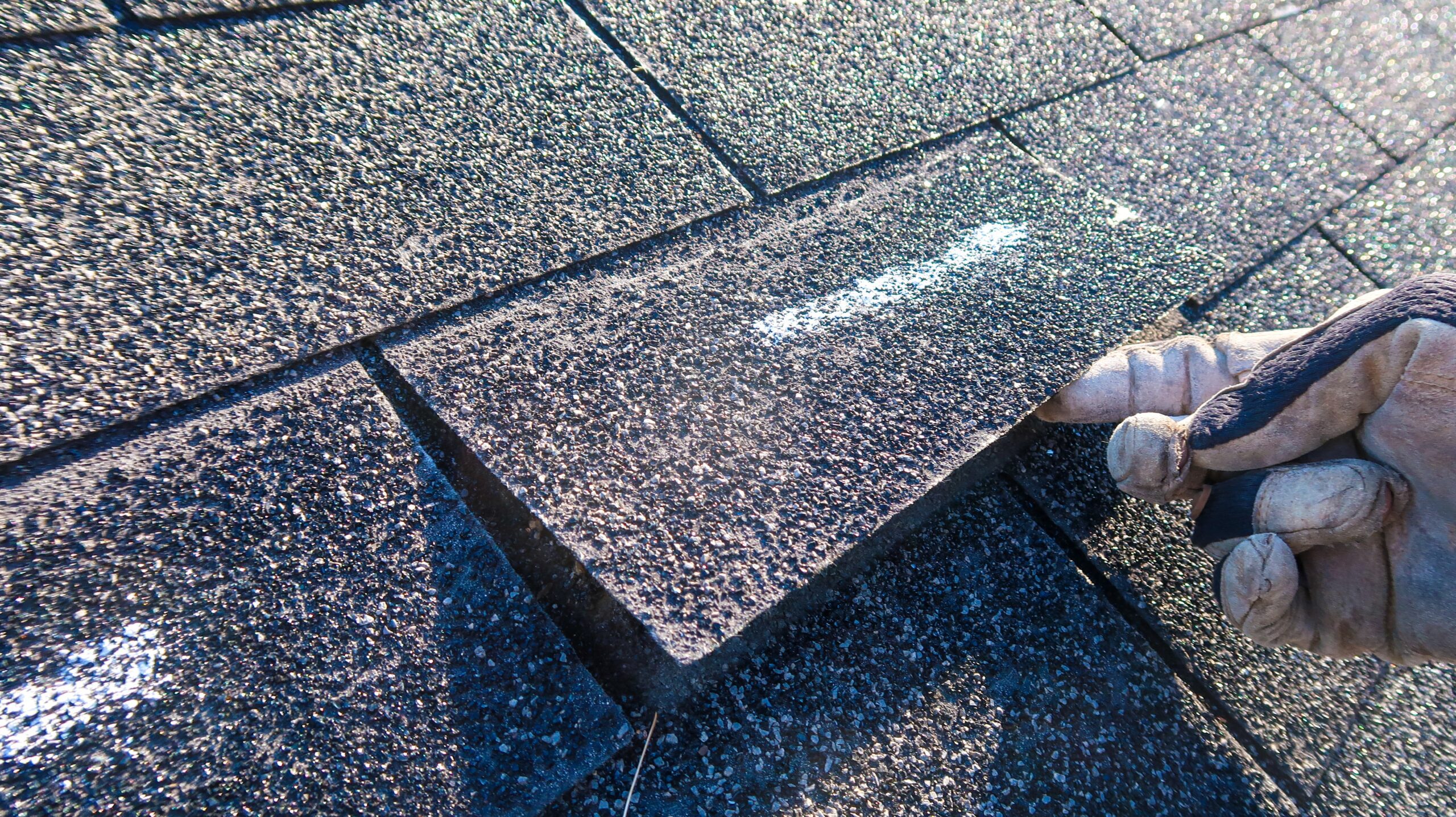
Asphalt shingles are designed to shed water, not sit in it. Constant moisture can cause the granules—the rough, sand-like coating that protects the asphalt from UV rays—to loosen and wash away. Once the granules are gone, the shingles deteriorate rapidly, curl, and crack. This shortens the lifespan of your roof significantly.
4. Ice Dams: A Winter Nightmare
For homeowners in areas that experience freezing temperatures, clogged gutters are the primary catalyst for ice dams. An ice dam forms when heat from your attic melts the snow on your roof. This meltwater runs down to the eaves.
If your gutters are clogged or not draining, this water hits the cold gutter and freezes. As more snow melts, more water runs down and freezes, building a wall of ice. Eventually, this dam prevents water from draining off the roof. The water backs up behind the ice dam and seeps under your shingles.
The damage from ice dams is often catastrophic because the water doesn’t just stay on the roof—it leaks into your attic, ruining insulation, and eventually dripping through your ceilings and down your walls.
5. Soffit Deterioration
The soffit is the exposed surface beneath the overhanging section of a roof eave. It is essential for attic ventilation. When gutters leak or overflow, water often runs along the underside of the eave, saturating the soffit.
Wet soffits can rot, warp, and peel paint. More importantly, if the soffit vents become blocked by rot or mold, your attic ventilation suffers. Poor attic ventilation leads to excessive heat and moisture buildup inside the roof space, which cooks your shingles from the bottom up and shortens their life.
Secondary Damage: Beyond the Shingles
The damage from faulty gutters rarely stops at the roofline. Because the roof protects the entire structure, a compromise at the top often trickles down.
Foundation Issues
While technically not part of the roof, your foundation is critical to your home’s structural integrity. When gutters overflow, water dumps directly next to your foundation. This causes soil erosion and hydrostatic pressure that cracks foundation walls. A shifting foundation can cause your entire house—including the roof frame—to shift, leading to cracks in walls and misaligned roofing structures.
Mold and Mildew in the Attic
When water backs up from gutters into the sub-roofing, it creates a humid environment in your attic. This is a breeding ground for mold and mildew. Mold eats organic material, meaning it is actively digesting your roof trusses and decking. Remediating attic mold is expensive and dangerous to your health.
Landscape Erosion
Overflowing gutters act like a waterfall, pounding the ground below. This destroys landscaping, kills plants, and splashes mud onto your siding. While this is aesthetic, it signals that your water management system is failing.
Signs Your Gutters Are Hurting Your Roof
You don’t always need a ladder to tell if your gutters are putting your roof at risk. Often, the signs are visible from the ground if you know what to look for.
The "Waterfall" Effect
During a rainstorm, grab an umbrella and walk around your house. Do you see water pouring over the sides of the gutters like a waterfall? This is the clearest sign of a clog or improper pitch. If water is escaping over the edge, it is not being directed away from your roof and foundation.
Sagging Gutters
Gutters should look like straight lines parallel to the roof edge. If you see them dipping, bowing, or pulling away from the fascia, they are overloaded or the fasteners have failed. A sagging gutter allows water to pool, accelerating rot on the adjacent roof edge.
Stains on Siding
Look at the siding directly below your gutters. Do you see vertical streaks of dirt, rust, or mold? This indicates that dirty gutter water is consistently overflowing and running down the side of your house.
Plants Growing in Gutters
If you see a small garden sprouting from your eaves, you have a serious problem. Seeds from trees have taken root in the decomposed organic matter (sludge) in your gutters. These roots can grow into gutter joints and even up under the roofline, causing physical damage to the structure.
Grit in the Downspouts
Check the splash blocks at the bottom of your downspouts. If you see a pile of black grit, that is the protective coating from your shingles. While some granule loss is normal over a roof’s life, excessive amounts washing down the gutters can indicate that water is backing up and washing the roof edge too aggressively.
The Importance of Professional Gutter Installation
Many of these issues stem not just from lack of maintenance, but from poor initial installation. Gutters are not one-size-fits-all. They need to be pitched correctly to ensure water flows toward the downspouts.
If a gutter is installed completely level, water will stand still. If it is pitched incorrectly, water will pool at the opposite end of the drain.
Furthermore, the size of the gutter matters. A large, steep roof sheds water much faster than a small, flat one. Standard 5-inch gutters might not be able to handle the volume of water coming off a large roof during a heavy storm. In these cases, 6-inch gutters or additional downspouts are required.
At Cola City Roofing, we specialize in custom solutions. Our gutter installation services ensure that your system is sized correctly for your specific roof surface area and local rainfall patterns. We use high-quality materials and secure fasteners that ensure your gutters stay attached to the fascia, even in heavy storms.
Maintenance: The Key to Longevity
The best way to prevent gutter-induced roof damage is a rigorous maintenance schedule.
cleaning Frequency
Ideally, you should clean your gutters at least twice a year: once in late spring (after pollen and seeds have fallen) and once in late autumn (after the leaves are down). If you have pine trees near your home, you may need to clean them every three months, as pine needles are notorious for causing stubborn clogs.
Inspection Checklist
When cleaning your gutters, perform a quick inspection:
- Check joints and seams: Are they leaking?
- Check fasteners: Are any spikes or screws loose?
- Check the slope: Is there standing water even when the gutter is clean?
- Check the downspouts: Run a hose down them to ensure flow is unobstructed.
Installing Gutter Guards
If cleaning gutters is a chore you dread or physically cannot do, consider installing gutter guards. These covers allow water to enter while keeping leaves and large debris out. While they don’t eliminate the need for maintenance entirely (silt can still build up), they significantly reduce the frequency of cleanings and the risk of major clogs.
Repair vs. Replacement: Making the Call
If your gutters are already causing issues, you face a decision: repair or replace?
Repair is viable when:
- The damage is localized to one section.
- The gutters are relatively new but have a loose hanger or a small leak.
- The issue is simply a clog or misalignment.
Replacement is necessary when:
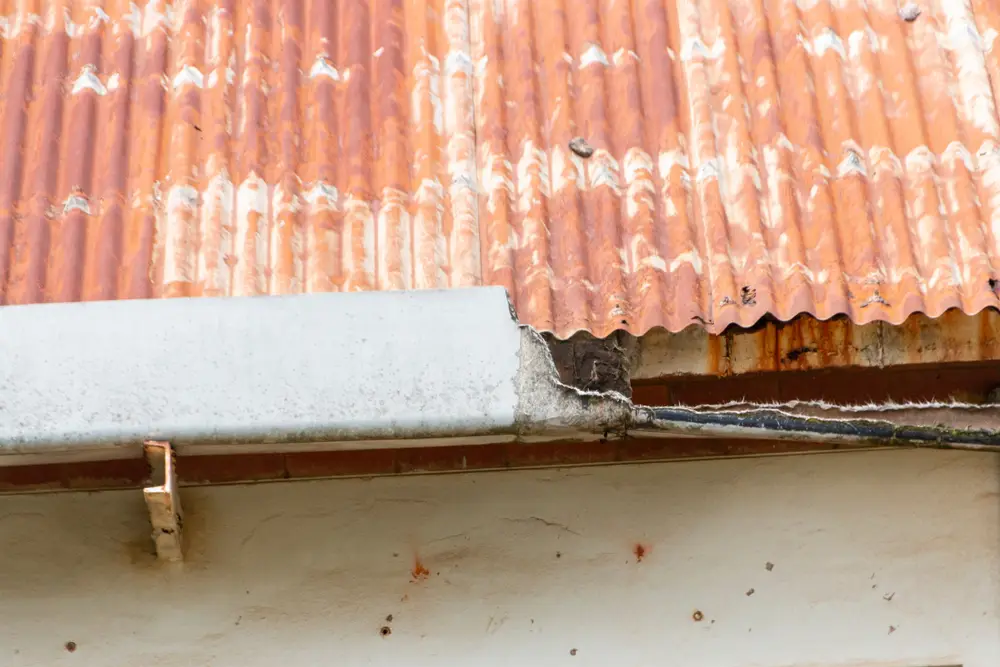
- There are multiple leaks or rusted-through spots.
- The gutters are dented or crushed (often from ladders or fallen branches).
- The gutters are pulling away from the house along entire runs due to rotted fascia.
- The gutter size is insufficient for the roof.
If you are unsure, our team can perform an inspection. We provide honest assessments on whether a simple fix will suffice or if a new system is needed to protect your roof investment. Visit our gutter repair services page to learn more about how we can restore your existing system.
Why Integrated Roofing and Gutter Care Matters
Homeowners often treat roofing and gutters as separate entities, hiring different contractors for each. However, because their functions are so intertwined, it makes sense to have a single expert handle both.
When Cola City Roofing inspects a roof, we automatically check the gutters because we know a healthy roof cannot exist without them. Conversely, when we install gutters, we are careful not to damage the roof edge or void your shingle warranty.
Coordinating these services saves you money and ensures that the "hand-off" of water from roof to ground is seamless.
Conclusion: Don’t Let a Small Clog Cause a Big Leak
It is easy to ignore your gutters—until water starts dripping through your ceiling. The cost of cleaning or repairing a gutter system is a fraction of the cost of replacing a rotted roof deck or remediating mold in your attic.
Your roof is a significant investment. Protecting it requires looking at the whole system, and that includes the metal channels hanging off the eaves. By keeping your gutters clean, flowing, and structurally sound, you are extending the life of your roof and protecting the value of your home.
If you suspect your gutters are damaging your roof, or if it has been years since your last inspection, don’t wait for the next storm. Contact the experts at Cola City Roofing. We can assess the damage, recommend the best course of action, and ensure your home stays dry from the top down.
Ready to protect your home? Contact us today for a free consultation and estimate.
Frequently Asked Questions About Gutters and Roof Damage
Q: Can overflowing gutters void my roof warranty? A: Potentially. Most manufacturer warranties cover defects in the shingle materials. They do not cover damage caused by lack of maintenance or failure of other systems, like gutters. If a manufacturer determines that your leak was caused by water backing up from a clogged gutter rather than a shingle failure, they may deny your claim.
Q: How do I know if the wood behind my gutter is rotted? A: Visible signs include peeling paint on the fascia, gutters that slope awkwardly, or screws that won’t stay tight. You might also see the gutter pulling away from the house entirely. A professional can gently probe the wood during an inspection to check for softness.
Q: Are seamless gutters better for my roof? A: Yes. Seamless gutters have fewer joints, which means fewer opportunities for leaks and snags that catch debris. They are custom-made on-site to fit the exact length of your roofline, providing better protection and a cleaner look.
Q: Does gutter color affect roof health? A: Not directly. Gutter color is an aesthetic choice. However, darker gutters may absorb more heat, which can help melt ice and snow slightly faster in winter, potentially reducing ice dams in marginal conditions.
Q: How quickly can a clogged gutter damage a roof? A: It depends on the weather. In a season of heavy rain or heavy snow, significant damage can occur in just a few months. Water is persistent and can rot wood surprisingly fast once it penetrates the protective paint or sealant.