A roof is one of the most significant parts of your home, but it’s also one that’s easy to overlook until a problem appears. As a homeowner in Columbia, you’ve likely wondered, "How long should my roof actually last?" It’s a simple question with a complex answer. The lifespan of your roof depends on everything from the material it’s made of to the quality of its installation and the unique challenges of our South Carolina climate.
Understanding your roof’s expected lifespan helps you plan for the future, budget for eventual replacement , and make smart decisions about maintenance and repairs. This guide provides realistic timelines for different roofing materials and explores the key factors that can shorten or extend the life of your roof right here in the Midlands. We’ll give you the knowledge you need to protect your investment and keep your home safe for years to come.
Average Lifespan by Roofing Material
The material on your roof is the single biggest factor determining its longevity. Each type has a different expected lifespan, especially when facing the intense sun, high humidity, and sudden storms common in our area.
Asphalt shingles: 20–30 years
Asphalt shingles are the most common roofing material in the United States, and for good reason. They offer a great balance of affordability, durability, and style. There are two main types:
- 3-Tab Shingles: These are the most basic and affordable option, consisting of a single flat layer. In a climate like ours, you can generally expect a 3-tab shingle roof to last around 15 to 20 years.
- Architectural Shingles (or Dimensional Shingles): These are a premium type of asphalt shingle, constructed with multiple layers of material laminated together. This thicker, more durable construction gives them a distinctive, textured look and helps them stand up better to wind and weather. In Columbia, an architectural shingle roof typically lasts between 20 and 30 years.
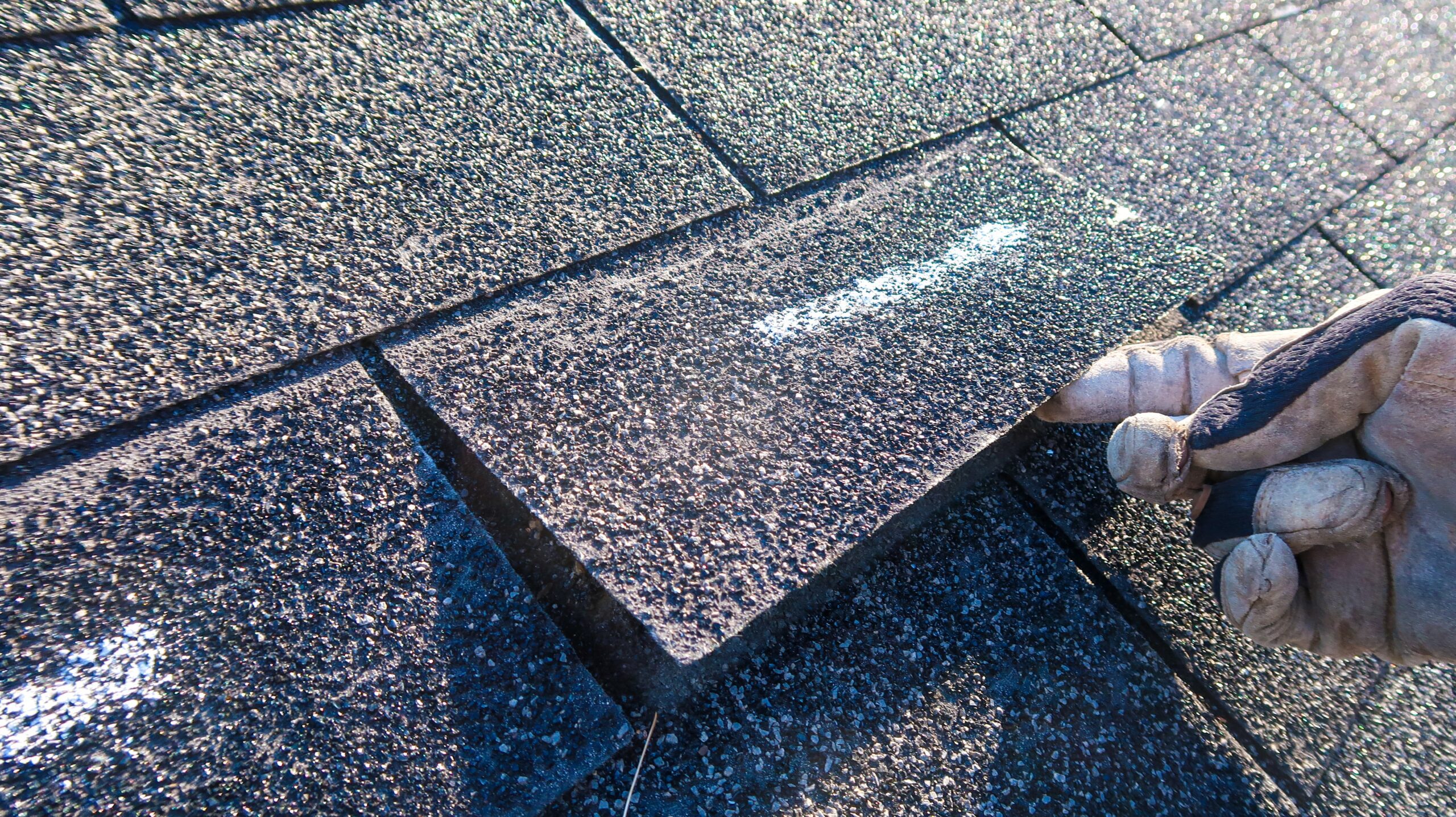
The tiny, sand-like particles on asphalt shingles are called granules. They play a vital role in protecting the shingle from UV rays and weather damage. Over time, these granules wear away, which is a key sign that the roof is nearing the end of its life.
Metal roofs: 40–70 years
Metal roofing has become increasingly popular for its exceptional durability and longevity. While it comes with a higher upfront cost, a metal roof can last two to three times longer than an asphalt shingle roof. Common types include standing-seam metal panels and metal shingles designed to look like traditional materials.
Metal roofs are highly resistant to wind, fire, and rot. They also reflect solar heat, which can help reduce your cooling costs during our long, hot summers—a major benefit for any Columbia homeowner. With proper installation , a quality metal roof can easily last from 40 to 70 years, sometimes even longer, with minimal maintenance.
Tile and slate roofs: 50+ years
Tile and slate roofs represent the pinnacle of durability and beauty, though they are less common in our area due to their high cost and heavy weight, which requires a reinforced roof structure.
- Tile Roofs (Clay or Concrete): These are extremely resistant to fire, rot, and insects. In a climate without freeze-thaw cycles, concrete and clay tiles can last 50 years or more. However, they can be brittle and may crack if walked on improperly or struck by heavy debris.
- Slate Roofs: As a natural stone, slate is one of the longest-lasting roofing materials available. It’s not uncommon for a professionally installed slate roof to last 100 years or more. It is impervious to fire and moisture and offers a timeless, elegant appearance.
Factors That Affect Roof Longevity
Beyond the material itself, several other factors play a crucial role in determining how long your roof will effectively protect your home.
Climate, maintenance, and installation quality
Climate: The Columbia, SC, climate throws a lot at a roof. The intense summer sun and high UV exposure can bake asphalt shingles, causing them to become brittle. High humidity can encourage the growth of algae and moss, which trap moisture against the roof surface. And, of course, our frequent thunderstorms, high winds, and the occasional tropical system can cause direct physical damage.
Maintenance: A roof is not a "set it and forget it" part of your home. A lack of maintenance is one of the fastest ways to shorten its lifespan. Clogged gutters, debris accumulation, and unaddressed minor repairs can all lead to major problems.
Installation Quality: This is perhaps the most critical factor of all. A roof made from the best materials will fail prematurely if it isn’t installed correctly. Proper installation ensures that shingles are correctly nailed, flashing is sealed tightly, and the entire system works together to shed water. Choosing a reputable, experienced contractor is the best thing you can do to ensure your roof reaches its maximum potential lifespan.
The importance of attic ventilation
A hot attic is a roof’s worst enemy. Proper ventilation is essential for regulating the temperature and moisture levels in your attic space. A well-ventilated attic allows hot, moist air to escape, which provides several key benefits:
- It extends shingle life: In the summer, an unventilated attic can reach extreme temperatures, effectively "cooking" the asphalt shingles from below and accelerating their deterioration.
- It reduces moisture buildup: In cooler months, warm, moist air from your living space can rise into the attic and condense on the underside of the cold roof deck, leading to rot and mold.
- It improves energy efficiency: By keeping your attic cooler, your HVAC system doesn’t have to work as hard, saving you money on energy bills.
A balanced ventilation system typically includes intake vents (like soffit vents) that allow cool air to enter and exhaust vents (like ridge vents or box vents) that let hot air out.
Storm damage and weather exposure
Even the best roof can be damaged by a severe storm. High winds can lift and tear off shingles, while hail can leave dents in metal roofs or crack asphalt shingles, compromising their integrity. A single fallen tree limb can cause a puncture that leads to an immediate, serious leak.
After any significant weather event, it’s a good idea to inspect your roof from the ground for any visible signs of damage. Any issues found should be addressed promptly to prevent them from turning into larger problems.
Galleries
Featured Work
Need proof of our skills? Check out our recent roof and gutter work!
How Maintenance Extends Roof Life
Proactive maintenance is the key to maximizing your roof’s lifespan and avoiding premature replacement. A little care goes a long way in protecting your investment.
Regular inspections and cleaning
Regular inspections help you catch small problems before they become big ones. You can perform a basic inspection yourself from the ground:
- Use binoculars to look for missing, cracked, or curling shingles.
- Check for dark streaks or patches of algae or moss.
- Look for signs of damage around chimneys, vents, and skylights.
- Ensure your gutters are clean and free of debris. In the Columbia area, pine needles are a major culprit for clogs.
For a more thorough check, it’s best to schedule a professional inspection every year or two. A professional can safely get on the roof to identify issues you can’t see from the ground, such as deteriorating flashing or subtle signs of hail damage.
Soft washing can also extend your roof’s life by safely removing the algae, moss, and lichen that trap moisture and slowly eat away at your shingles.
Timely repairs prevent costly replacements
If an inspection reveals a problem—like a few missing shingles or a cracked pipe boot—getting it fixed right away is crucial. A minor repair is far less expensive than a full roof replacement . More importantly, it stops water from getting into the underlying roof structure, where it can cause rot, mold, and damage that can compromise your entire roofing system. Ignoring a small issue is a sure way to shorten your roof’s lifespan and face a much bigger bill down the road.
When to Replace Instead of Repair
At some point, every roof reaches an age where repairs are no longer a cost-effective solution. So, how do you know when it’s time to stop patching and start planning for a replacement ? Here are a few key indicators:
- Age: If your asphalt shingle roof is approaching or has passed the 20-year mark, it’s a strong candidate for replacement, even if it has no major leaks. At this age, the materials have lost much of their protective capability.
- Widespread Damage: If more than 30% of your roof is damaged or showing significant wear (like extensive granule loss or cracked shingles), a replacement is almost always the smarter financial choice.
- Repeated Leaks: Are you fixing leaks in different spots every year? This often indicates that the entire roofing system is failing, and patching one area will only result in another leak popping up elsewhere.
- The Cost of Repairs: If a repair estimate is one-third or more of the cost of a full replacement, it makes more sense to invest that money in a new roof with a fresh lifespan and a new warranty.
Final Thoughts: Maximizing the Life of Your Roof in Columbia SC
Your roof works hard every day to protect your home from the elements. By understanding what it’s made of, how our local climate affects it, and the importance of proactive maintenance, you can take control of its destiny. A long-lasting roof isn’t just a matter of luck; it’s the result of quality installation and consistent care.
Regular inspections, timely repairs, and keeping an eye on its age will help you get the most out of your current roof and plan intelligently for its eventual replacement.
If you’re unsure about the condition of your roof or want a clear assessment of its remaining lifespan, we’re here to help. Schedule a complimentary site visit with Cola City Roofing, and one of our experts will provide you with an honest evaluation and a clear plan, with no pressure.