Living in Columbia, we often watch the news with a mix of concern and relief as hurricanes churn in the Atlantic. We aren’t on the coast, so we don’t worry about storm surge. But anyone who has lived in the Midlands for a few years knows that by the time a major storm makes it inland to us, it still packs a serious punch.
It might not be a Category 4 anymore, but a tropical storm or a Category 1 hurricane in Columbia brings two things our roofs hate: sustained high winds and driving rain.
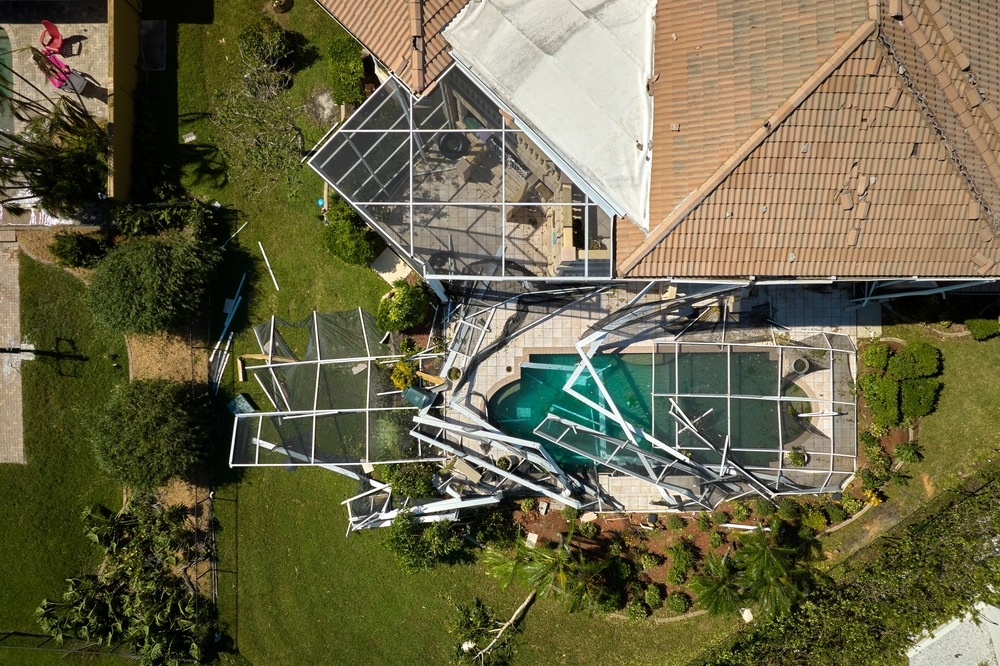
At Cola City Roofing, we’ve seen the aftermath of storms like Florence, Michael, and Ian. The damage here looks different than it does in Charleston. It’s less about roofs being ripped off entirely and more about the subtle, structural weakening that leads to leaks weeks or months later.
This guide is designed to help you protect your home on two fronts: preparing before the season starts, and knowing exactly what to do when the clouds clear.
Understanding Hurricane and Tropical Storm Roof Damage in SC
When we talk about South Carolina hurricane roof damage in the Midlands, we aren’t usually talking about total destruction. We are talking about stress. Your roof is a system designed to shed water downward. Hurricanes throw water sideways.
Why Wind and Wind-Driven Rain Are the Real Threat Inland
Standard shingles are excellent at handling rain falling from the sky. They overlap, guiding the water down to the gutters.
However, tropical systems bring wind-driven rain roof damage . When rain hits your roof horizontally at 40 or 50 mph, it can be pushed up and under the shingles. It can be forced through ridge vents that aren’t baffled correctly. It can even be driven through the tiniest cracks in your flashing.
This water doesn’t just drip into a bucket; it soaks the wood decking beneath your shingles, often going unnoticed until mold starts to grow.
How Flying Debris Causes Roof Damage During Hurricanes
In Columbia, our beautiful tree canopy is our biggest liability during a storm. You don’t need a tree to fall on your house to cause damage.
Small branches, pine cones, and debris from your neighbor’s yard become projectiles. When they hit your roof, they can crack shingles, dent metal vents, or puncture the waterproof underlayment. Even if the shingle looks okay from the street, the impact might have compromised its integrity.
Tropical Storm Roof Damage vs Thunderstorm Damage
A severe thunderstorm lasts 30 minutes. A tropical storm can batter your roof for 12 hours straight.
Columbia SC tropical storm roof damage is often a result of this duration. A loose shingle might survive a quick thunderstorm gust. But if the wind pulls at it for six hours, the adhesive eventually fails, and the shingle tears loose. The relentless nature of these storms exposes weaknesses that normal weather doesn’t.
BEFORE THE STORM
The best time to fix a roof is when the sun is shining. Once the Hurricane Watch is issued, it’s usually too late for major repairs. Here is how you can get ready.
Roof Preparation Before Hurricane Season in Columbia, SC
June 1st marks the start of the season, but the most active time for South Carolina is usually August and September.
How to Prepare Your Roof for Hurricane Season
Roof preparation before hurricane season doesn’t have to be complicated. Start with a walk around your property. Look for trees with overhanging branches that could scrape or fall on your roof. Trimming these back is the single most effective way to prevent damage.
Next, secure loose items in your yard. Patio furniture and grills can become airborne and land on your roof (or your neighbor’s).
Checking Shingles, Flashing, and Roof Penetrations
Grab a pair of binoculars and scan your roof. You are looking for:
- Curling shingles: These are brittle and will snap off in high winds.
- Rust on flashing: Rusted metal is weak metal.
- Loose boots: The rubber seals around your plumbing vents (the pipes sticking out of the roof) dry rot over time. If they are cracked, wind-driven rain will go straight down the pipe and into your bathroom walls.
Cleaning Gutters to Prevent Water Backup
This is critical. If your gutters are clogged with pine needles, the heavy rain from a tropical storm has nowhere to go. It will back up, overflow, and potentially wash under your roof shingles at the eaves. Clean gutters ensure that the massive volume of water moves away from your home’s foundation.
Why Small Repairs Matter Before a Major Storm
Think of a loose shingle like a loose tooth. If you leave it alone, it might hang on for a while. But if you wiggle it constantly (like the wind does), it’s coming out.
Fixing a few loose tabs or resealing a piece of flashing now costs very little. If you wait, that small weakness could be the entry point where the wind peels back a large section of your roof. Pre hurricane roof inspection efforts are about closing the door on potential failures.
Should You Schedule a Hurricane Roof Inspection Before Storm Season?
Many homeowners wait until they see a leak to call us. But preventative inspections are gaining popularity for good reason.
What a Pre-Season Inspection Includes
When Cola City Roofing performs a hurricane roof inspection in Columbia SC , we check the "grip" of your roof. We ensure the adhesive strips on your shingles are still sealing. We check the flashing around chimneys and skylights—the most common leak points. We also check your attic ventilation to ensure your roof is breathing properly, which keeps the decking strong.
Identifying Weak Points Before High Winds Expose Them
We often find "blind" damage—issues you can’t see from the ground. Maybe a raccoon tried to claw into a vent, or a previous hailstorm bruised the shingles. These are the weak spots where a hurricane will attack. Identifying them early gives you the chance to reinforce them.
How Preventative Repairs Reduce Insurance Headaches Later
Insurance claims are stressful. Proving that damage happened during this storm versus that old storm can be difficult. If you have a clean bill of health from a roof inspection before hurricane season , and then you have damage after a storm, your claim is much stronger. It proves the damage is fresh and storm-related.
Warning Signs Your Roof May Not Handle a Hurricane Well
Some roofs are simply tired. If your roof is nearing the end of its lifespan, a tropical storm might be the final blow.
Aging Shingles and Previous Storm Damage
If your asphalt shingles are over 15 or 20 years old, they have likely lost their flexibility. They are brittle. High winds don’t just lift them; they snap them. Old roof hurricane risk is real because the materials can no longer flex with the wind pressure.
Loose or Improperly Sealed Flashing
If you can see gaps between your chimney and the roof, or if the metal looks wavy, that’s a problem. Wind enters these gaps and creates uplift pressure, essentially trying to inflate your roof from the inside out.
Past Lifted Shingles That Were Never Repaired
Did you find a shingle in the yard last spring and forget about it? That missing shingle left a hole in your defense. The wind from a hurricane will catch the edge of the remaining shingles around that hole and unzip them like a jacket. Loose shingles before storm season are a priority fix.
AFTER THE STORM
The wind has died down. The rain has stopped. Now, you need to assess the situation safely.
How to Check for Hurricane Roof Damage Safely
Please, stay off the roof. After a storm, the roof could be slippery, wet, or structurally unsound.
What to Look for From the Ground
Walk the perimeter of your house. Look for shingles on the ground. Look for metal fascia that has been ripped loose. Check your gutters—are they hanging by a screw?
Missing Shingles, Lifted Shingles, and Debris Impact
Use your binoculars again. Look for dark patches on your roof; this usually indicates missing shingles after hurricane winds. Look for shingles that are creased or flipped over. If you see a tree limb on the roof, don’t try to pull it down yourself—it could be under tension or holding loose shingles in place.
Interior Signs of Wind-Driven Rain Damage
Go into your attic during the day. Look for daylight shining through the roof boards. Look for wet spots on the insulation. Check your ceilings in the living areas. Roof leak after tropical storm events often appear as water stains around light fixtures or in the corners of rooms.
Hurricane Roof Inspection: Why Professional Documentation Matters
If you suspect damage, you need a pro. Not just to fix it, but to document it.
What We Look for After a Tropical Storm
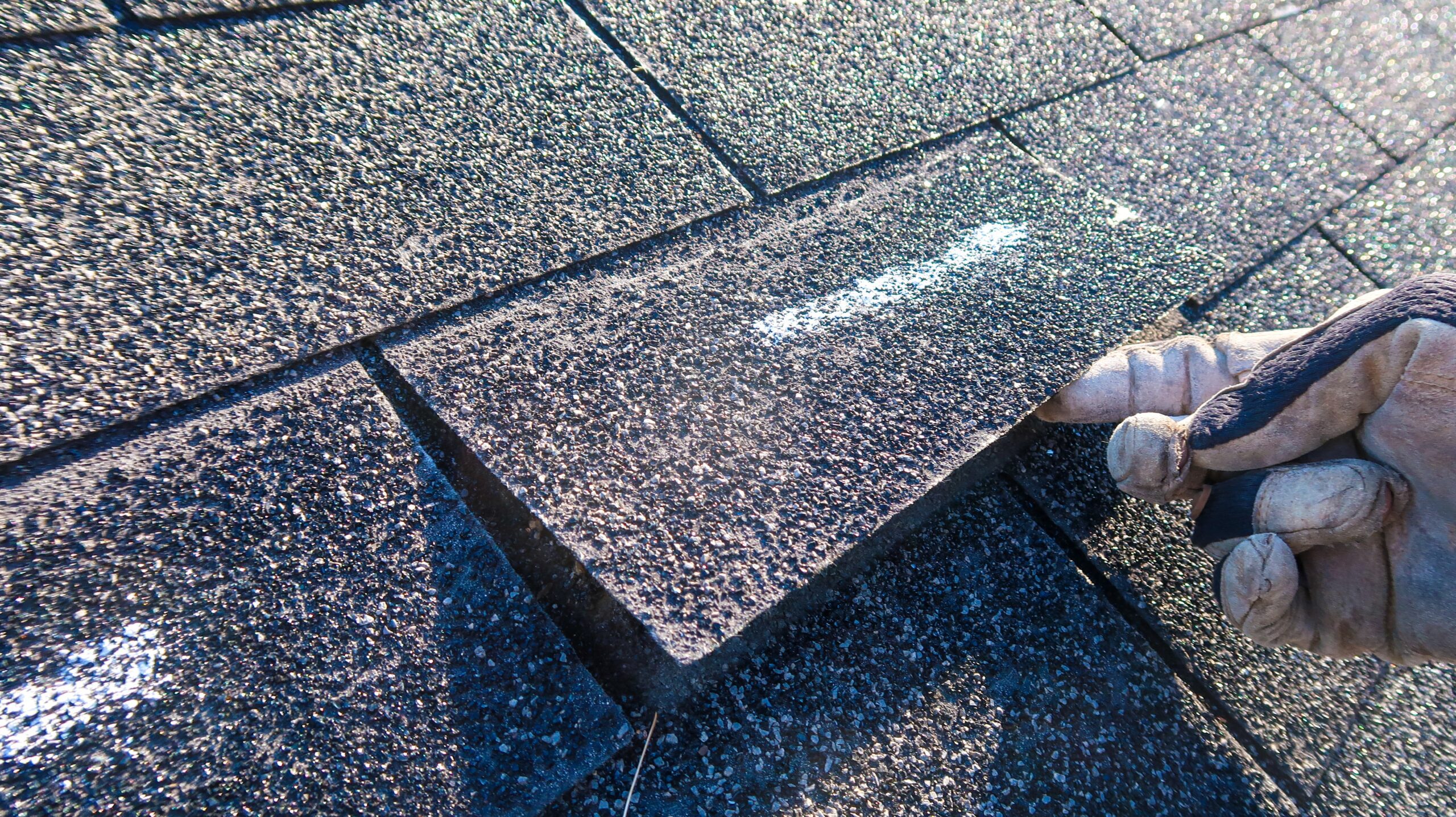
We look for the story the storm left behind. We check for "chatter" marks where shingles flapped up and down. We check for granule loss that indicates heavy impact. We check for lifted flashing that suggests strong wind uplift.
Hidden Damage That Doesn’t Show Up Immediately
Sometimes, the shingles look fine, but the seal is broken. We gently lift the edges of shingles to see if they are still bonded. If they lift easily, they have failed. They might not leak today, but they will leak during the next thunderstorm.
Why Delayed Leaks Are Common After Hurricanes
Water that was driven under the shingles soaks into the felt paper. It takes time for that paper to rot and for the water to reach the drywall. Hurricane roof inspection in Columbia SC is crucial because we can spot wet underlayment before it ruins your ceiling.
Emergency Roof Tarping After a Hurricane
If you have a hole in your roof, you can’t wait for the insurance adjuster. You have a duty to mitigate damages.
When You Need Immediate Roof Tarping
If a tree branch punctured the decking, or if a large section of shingles is gone, you need emergency roof tarp Columbia SC services immediately. Leaving the roof exposed will cause massive interior damage.
How Emergency Roof Tarp Services Protect Your Home
We use heavy-duty, synthetic tarps and secure them properly to the roof structure. This acts as a temporary roof. It is waterproof and wind-resistant, buying you weeks or even months to get the insurance claim sorted and the permanent repair scheduled.
Temporary Protection While Insurance Is Processing
Insurance claims after a major storm can take time because adjusters are overwhelmed. A professional tarp job ensures your home stays dry while you wait in the queue.
Hurricane Roof Repair vs Full Replacement
Once the dust settles, the question is: repair or replace?
When Repairs Are Enough
If the damage is limited to a few missing tabs or a single slope where a branch fell, hurricane roof repair Columbia SC is likely all you need. We can match your existing shingles and restore the roof to its pre-storm condition.
When Wind Damage Compromises the Entire Roof System
If the wind was strong enough to break the adhesive seals on the majority of the roof, a replacement is necessary. You cannot re-seal thousands of shingles by hand effectively. If the "zipper" is broken, you need a new jacket.
How Insurance Evaluates Hurricane Roof Damage
Insurance looks for "sudden and accidental" damage. They will pay to replace roof after hurricane damage if the roof is totaled. They will verify that the damage was caused by the storm and not by long-term neglect. This is why our documentation is so important—we help tell the true story of the damage.
Common Hurricane Roof Damage in the Midlands
Our damage profile is unique compared to the coast.
Shingle Uplift From Sustained Winds
This is the #1 issue we see. Wind uplift roof damage occurs when the wind pressure pulls the shingles upward. It creates creases and breaks the sealant.
Wind-Driven Rain Entering Through Small Openings
We often find leaks around dormers and windows after a tropical storm. The rain is pushed sideways into areas that are usually protected by overhangs.
Damage From Fallen Branches and Debris
In the Midlands, debris roof damage after hurricane events is extensive. Pine trees are notorious for dropping heavy limbs that puncture asphalt shingles and crack slate or tile.
How Long After a Hurricane Can You File a Roof Insurance Claim?
Don’t wait, but don’t panic if you didn’t call the day after.
Understanding Your Policy Timeline
In South Carolina, you generally have a year or more to file, but check your specific policy. However, the longer you wait, the harder it is to prove the damage came from that specific storm.
Why Early Documentation Makes a Difference
Filing quickly puts you at the front of the line. It also establishes a clear "date of loss." How long after hurricane can you file roof claim isn’t just about the deadline; it’s about the evidence. Fresh damage looks different than old damage.
What Happens During an Adjuster Inspection
The adjuster represents the insurance company. We represent you. We meet the adjuster at your home, walk the roof with them, and point out the damage we found. This ensures nothing is overlooked.
Why Some Hurricane Roof Damage Doesn’t Show Up Right Away
The storm might be gone, but the effects linger.
Slow Leaks Caused by Wind-Driven Rain
The water that was forced into your attic might be sitting on top of insulation. It might take weeks to soak through and create a stain. This is a delayed roof leak after hurricane event.
Lifted Shingles That Fail Weeks Later
Shingles that were loosened but not torn off will flap in the breeze. A month later, a minor thunderstorm might finish the job, tearing them off completely.
Moisture That Spreads Under the Roof System
trapped moisture can rot the plywood decking from the top down. You won’t see this inside, but your roof is losing structural strength. Hidden roof damage after storm winds is a silent threat to your home’s value.
Schedule a Hurricane Roof Inspection in Columbia, SC
Whether you are preparing for the season or picking up the pieces after a storm, Cola City Roofing is here to help. We are local, we are family-focused, and we know how to protect Midlands homes.
Before the Storm — Strengthen What You Can
Let us check your roof now so you can sleep easier when the wind starts to howl.
After the Storm — Document Damage Early
If the storm hit hard, call us. We will give you an honest assessment. If you’re fine, we’ll tell you. If you have damage, we’ll help you fix it.
We’ll Inspect, Tarp If Needed, and Guide You Through Next Steps
From emergency tarping to handling the insurance paperwork, we treat you like family. We protect what matters most.
[Primary CTA: Schedule your hurricane roof inspection today.]
[Secondary CTA: Protect your home before small storm damage turns into major repairs.]
Frequently Asked Questions About Hurricane Roof Damage
Does a tropical storm cause as much roof damage as a hurricane?
It can. While wind speeds are lower, tropical storms often move slower and dump more rain. The combination of sustained winds (39-73 mph) and heavy rainfall can cause significant wind-driven rain roof damage and loosen older shingles, leading to leaks.
Can wind-driven rain damage a roof without missing shingles?
Yes. High winds can push water backward up the roof slope and under the shingles. It can also force water through vents and flashing. You may have a severe leak even if every shingle is still perfectly in place.
Should I tarp my roof myself after a hurricane?
We strongly advise against it. Roofs are incredibly dangerous after a storm—they may be wet, slippery, or structurally weakened. Professional emergency roof tarp services have the safety gear and experience to secure the tarp effectively without risking injury.
How much wind does it take to damage a roof in South Carolina?
Sustained winds of 45-50 mph are enough to lift older shingles that have lost their adhesive seal. Gusts of 75 mph (hurricane force) can tear off even newer shingles if they aren’t rated for high winds or were installed incorrectly.
Is hurricane roof damage covered by homeowners insurance?
Typically, yes. Wind and hail are standard perils in most homeowners policies. However, you will need to pay your deductible. Some policies have a separate, higher deductible for "named storms" (hurricanes), so it is important to review your specific coverage details.