Your roof is the most important shield your home has against the elements. It stands up to the intense Columbia summer sun, sudden thunderstorms, and the occasional tropical system that rolls through the Midlands. When it’s time for a repair or a full replacement , the contractor you hire is just as important as the materials you choose. The right partner ensures the job is done correctly, protecting your home for decades, while the wrong one can lead to costly mistakes and endless frustration.
This guide is designed to empower you as a homeowner. We’ll walk you through everything you need to know before hiring a residential roofing contractor in the Columbia, SC area. From understanding what a roofer actually does to knowing which questions to ask before signing a contract, you’ll gain the confidence to make a smart, informed decision. Our goal is to demystify the process, so you can find a trustworthy expert who will treat your home as if it were their own.
Why Choosing the Right Residential Roofing Contractor Matters
Selecting a roofer can feel overwhelming, but taking the time to vet your options is one of the most critical decisions you’ll make as a homeowner. It’s about more than just getting shingles on a roof; it’s about safeguarding your investment and ensuring your family’s safety.
The risks of hiring an unqualified roofer
Hiring an unlicensed or inexperienced roofer can lead to a cascade of problems. A low bid might seem tempting, but it often comes with hidden costs.
Some common risks include:
- Improper Installation: Cutting corners on installation can void manufacturer warranties and lead to premature roof failure, leaks, and water damage.
- Lack of Insurance: If an uninsured worker is injured on your property, you could be held liable for their medical expenses. A lack of general liability insurance means any damage to your property during the project comes out of your pocket.
- Substandard Materials: Unqualified contractors may use lower-grade materials to cut costs, which can’t withstand the South Carolina climate, leading to early deterioration.
- No Warranty: "Chuck-in-a-truck" roofers often disappear after the job is done, leaving you with no one to call when problems arise.
How professional roofers protect your home’s long-term value
A professional residential roofing contractor does more than just install a roof. They install a complete roofing system designed to work together. This includes proper ventilation to fight attic heat, an ice and water shield to protect vulnerable areas, and secure flashing to prevent leaks around chimneys and vents. This attention to detail protects your home’s structural integrity, improves energy efficiency, and boosts its curb appeal and resale value.
What Residential Roofing Contractors Actually Do
The job of a residential roofing contractor extends far beyond simply nailing down shingles. A professional team manages the entire lifecycle of your roof, ensuring it remains a durable and effective barrier.
Roof inspections, repairs, and full replacements
This is the core of a roofer’s work.
- Inspections: A thorough roof inspection involves assessing the condition of shingles, flashing, underlayment, and ventilation. A professional provides a detailed report with photos to show you exactly what’s going on up there.
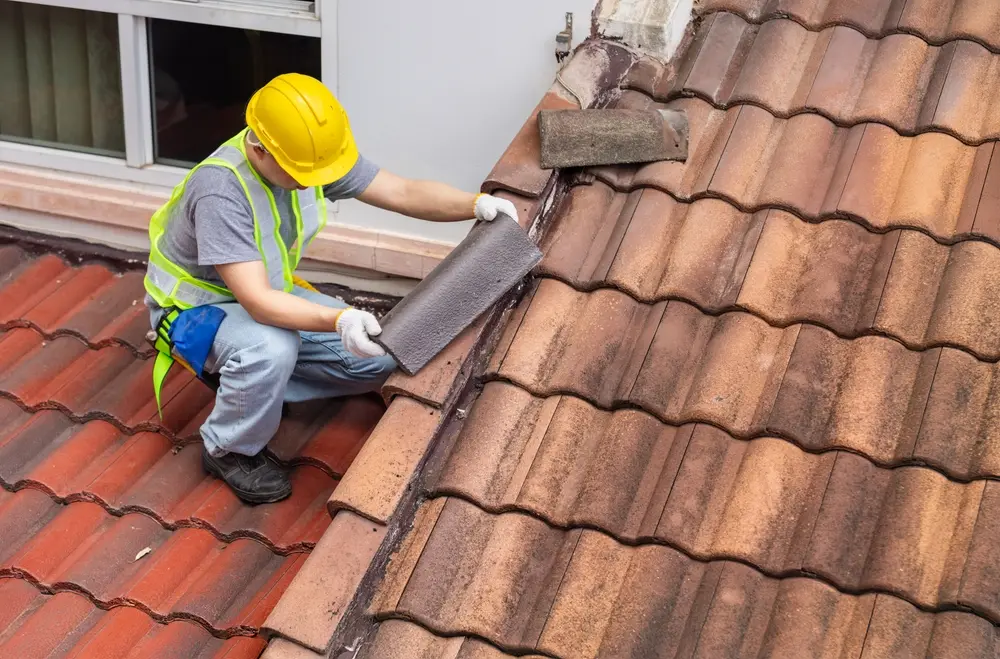
- Repairs: For isolated damage, like a few missing shingles or a small leak, a targeted repair can extend your roof’s life without the cost of a full replacement.
- Replacements: When a roof reaches the end of its lifespan or sustains major damage, a full replacement is necessary. This involves tearing off the old materials, inspecting the underlying roof deck for rot, and installing a brand-new, integrated roofing system.
Working with insurance claims and storm damage
Here in the Midlands, storm damage is a common reality. An experienced local contractor can be your most valuable advocate during the insurance claims process. They know what to look for after a hailstorm or high winds, can meet with the insurance adjuster on-site to point out damage, and provide the detailed documentation needed to support your claim. This expertise helps ensure you get the full coverage you’re entitled to.
Maintenance services that extend roof life
Proactive maintenance is the best way to maximize your roof’s lifespan and prevent costly emergencies. Many contractors offer maintenance plans or services that include:
- Gutter cleaning to prevent water backup.
- Removing debris like pine straw and leaves that trap moisture.
- Inspecting and sealing flashing around vents and chimneys.
- Soft washing to safely remove damaging algae and moss.
Galleries
Recent Works
Need proof of our skills? Check out our recent roof and gutter work!
What to Look For When Hiring a Roofing Contractor
With a clear understanding of what a roofer does, you can now focus on how to identify a great one. Vetting a contractor comes down to verifying their credentials, checking their track record, and ensuring their processes are transparent.
Licensing, insurance, and certifications
This is non-negotiable. Before you even consider a bid, confirm the contractor has:
- State Licensing: In South Carolina, a residential roofer must be licensed. You can verify a license through the SC Department of Labor, Licensing and Regulation (LLR).
- General Liability Insurance: This protects your property from damage during the project. Ask for a certificate of insurance.
- Workers’ Compensation Insurance: This covers the contractor’s employees if they are injured on your property. Without it, you could be financially responsible.
- Manufacturer Certifications: Top contractors often have certifications from leading manufacturers (like GAF or CertainTeed). This shows they’ve been trained on best installation practices and may be able to offer enhanced warranties.
Local experience and customer reviews
A contractor with deep roots in the Columbia area offers invaluable experience. They understand the local climate, building codes, and common roofing challenges specific to our neighborhoods. Look for a company with a physical office address, not just a P.O. box.
Check online reviews on Google , the Better Business Bureau (BBB), and other platforms. Don’t just look at the star rating; read the comments. Look for patterns related to communication, cleanup, professionalism, and how the company handles problems when they arise.
Written estimates and clear warranties
Never accept a verbal quote. A professional contractor will provide a detailed, written proposal that outlines:
- The full scope of work, including tear-off and debris removal.
- The specific materials to be used (brand and type).
- The total cost and payment schedule.
- The estimated start and completion dates.
You should also receive clear information about two types of warranties:
- Manufacturer’s Warranty: Covers defects in the roofing materials themselves.
- Workmanship Warranty: Covers errors in the installation. This is the contractor’s guarantee on their own work. A reputable roofer will offer a strong workmanship warranty.
How Residential Roofing Differs from Commercial Roofing
While both protect a building, residential and commercial roofing are distinct specialties. It’s important to hire a contractor who focuses on residential work for your home project.
Materials and design considerations
Residential roofs often have a steep slope and are a key part of a home’s aesthetic. Materials like asphalt shingles, metal panels, and tiles are chosen for both durability and curb appeal. Commercial roofs are typically flat or low-slope and use materials like TPO, EPDM rubber, or PVC membranes, which are designed for large, flat surfaces and utility over style.
Structural and installation differences
The structural demands are very different. A home’s roof must support the weight of its materials plus environmental loads like snow or rain. Commercial roofs must support not only the elements but also heavy HVAC units, vents, and pipes. Installation techniques for flat roofing systems are completely different from those used on sloped residential roofs.
Maintenance and cost expectations
Residential roof maintenance often involves gutter cleaning and inspecting shingles. Commercial roof maintenance is more complex, focusing on seam integrity, drainage, and membrane condition. The cost per square foot and the overall scale of the projects are also vastly different.
Understanding Residential Roofing Materials
Choosing the right material for your Columbia home involves balancing cost, longevity, and style.
Asphalt shingles
Asphalt shingles are the most popular roofing material in the U.S. for a reason. They offer a great combination of affordability, durability, and design flexibility.
- 3-Tab Shingles: The most basic and budget-friendly option. They have a flat, uniform appearance and typically last 15-20 years.
- Architectural Shingles: Also known as dimensional shingles, these are thicker and have a layered, textured look that adds dimension and curb appeal. They are more durable than 3-tab shingles, often lasting 25-30+ years, and offer better wind resistance.
Metal roofing
Once reserved for commercial buildings, metal roofing is increasingly popular for homes. Standing-seam metal roofs offer a clean, modern look and exceptional durability.
- Longevity: Metal roofs can last 50 years or more with minimal maintenance.
- Energy Efficiency: They reflect solar heat, which can help reduce cooling costs during our hot South Carolina summers.
- Durability: They are highly resistant to wind, rain, and fire.
Tile and slate options
For homeowners seeking a premium, long-lasting look, tile and slate are top-tier choices.
- Tile (Clay or Concrete): Extremely durable and fire-resistant, tile offers a classic look popular in Spanish or Mediterranean-style homes.
- Slate: A natural stone product, slate is one of the longest-lasting roofing materials available, often enduring for 100 years or more. It is also the most expensive and requires a specialized contractor for installation due to its weight and fragility.
Signs It’s Time to Replace Your Roof
Knowing when to repair versus replace can be tricky. While a professional inspection is the only way to be certain, here are some clear warning signs you can spot from the ground.
Leaks, sagging, and missing shingles
- Active Leaks: Any water stains on your ceiling or walls are an immediate red flag.
- Sagging Roof Deck: A drooping or sagging roofline indicates a potential structural issue, likely from trapped moisture or rot. This requires urgent attention.
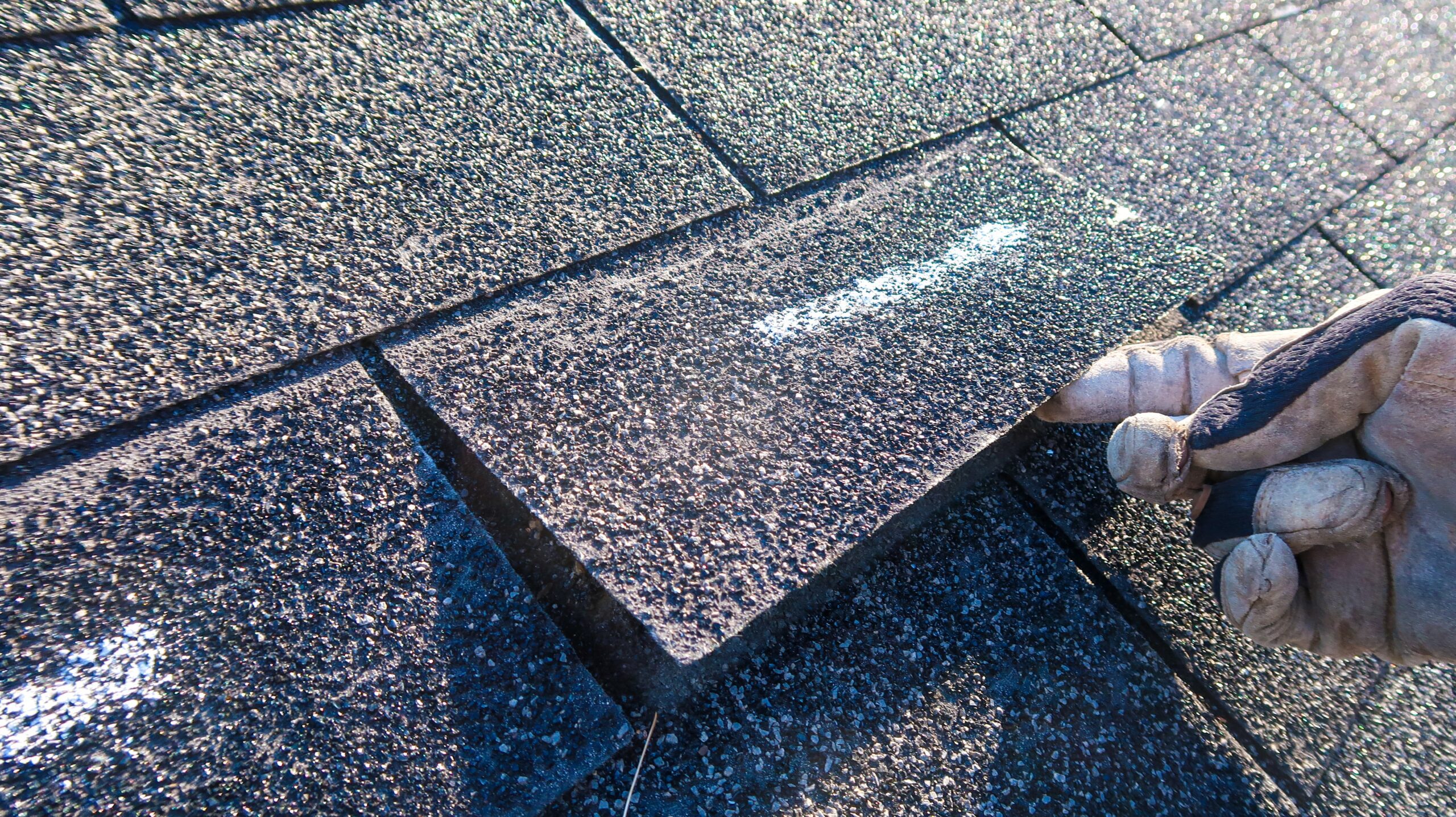
- Missing or Cracked Shingles: A few missing shingles can be repaired, but if you see widespread cracking, curling, or bald spots where granules have worn off, the roof is likely nearing the end of its life.
High energy bills and poor insulation
Your roof and attic ventilation play a huge role in your home’s energy efficiency. If you notice your summer cooling bills are climbing without explanation, it could be a sign that your attic isn’t ventilating properly due to a failing roof system, causing heat to build up and strain your AC unit.
Roof age and visible wear
Most asphalt shingle roofs last between 15 and 30 years. If your roof is approaching that age, it’s time to start budgeting for a replacement, even if there are no obvious problems. Check for dark streaks (algae), moss growth, and an accumulation of shingle granules in your gutters—all signs of advanced wear.
Galleries
Latest Projects
Need proof of our skills? Check out our recent roof and gutter work!
Questions to Ask Before Signing a Contract
You’ve vetted your contractor and reviewed their proposal. Before you sign, ask these final questions to ensure you and your roofer are perfectly aligned.
What warranties are included?
"Get it in writing. Ask for a copy of both the manufacturer’s warranty for the materials and the contractor’s workmanship warranty. Understand the duration, terms, and what is required to keep them valid."
Who performs the work—employees or subcontractors?
"Some contractors use their own trained employees, while others use subcontractors. There’s nothing wrong with subcontractors, but you should ask if they are also fully insured and how long the contractor has been working with them."
How long will the project take?
"A professional roofer can give you a realistic timeline. A typical residential roof replacement often takes just 1-3 days, though weather can cause delays. Discuss the daily schedule, from arrival to cleanup."
Final Thoughts: Hiring a Roofing Expert You Can Trust in Columbia SC
Choosing a residential roofing contractor is a major decision, but it doesn’t have to be a stressful one. By doing your homework, checking credentials, and asking the right questions, you can find a reliable, local expert who will protect your home for years to come. Look for a partner who communicates clearly, offers transparent pricing, and has a proven track record right here in our community.
If you’re ready to start the conversation about your roofing project, we invite you to schedule a complimentary site visit . Our team will provide a thorough, no-pressure assessment and a detailed written proposal to help you make the best choice for your home.
Frequently Asked Questions
What’s the best roofing material for homes? The best material depends on your budget, climate, and aesthetic preferences. Asphalt shingles are affordable and versatile, while metal roofs offer durability and energy efficiency. Tile and slate are premium options with long lifespans.
How long do residential roofs last? The lifespan varies by material. Asphalt shingles typically last 15–30 years, metal roofs can last 50+ years, and slate or tile roofs can exceed 100 years with proper maintenance.
Do residential roofers handle gutter replacement too? Yes, many residential roofing contractors, including Cola City Roofing, offer gutter replacement and repair services as part of their offerings.
What are the most common roofing problems for homeowners? Leaks, missing or damaged shingles, poor ventilation, and clogged gutters are some of the most common issues homeowners face.
How do I prepare for a roofing project? Clear your driveway for the crew, remove fragile items from walls, and inform your neighbors about the project. Discuss the timeline and expectations with your contractor beforehand.