Not all roof problems are caused by a dramatic storm. Sometimes, the most significant failures happen slowly, over years, due to the natural aging process or, more frustratingly, because of critical mistakes made during the initial installation. For homeowners in Columbia, Lexington County, and surrounding areas, understanding the difference between these two causes of failure is key to making a smart, cost-effective decision when your roof starts to show signs of trouble.
An aging roof will eventually need replacement, but a poorly installed roof can fail prematurely, costing you thousands in unexpected repairs and negating your manufacturer’s warranty. This guide will teach you how to recognize the signs of both normal wear and tear and common installation shortcuts, explain the risks they pose, and outline the necessary steps to secure your home for the long term.
The Two Paths to Roof Failure: Age vs. Error
Every roof has a finite lifespan. But how it reaches the end of that life can vary dramatically.
Natural Aging: The Inevitable Wear and Tear Process
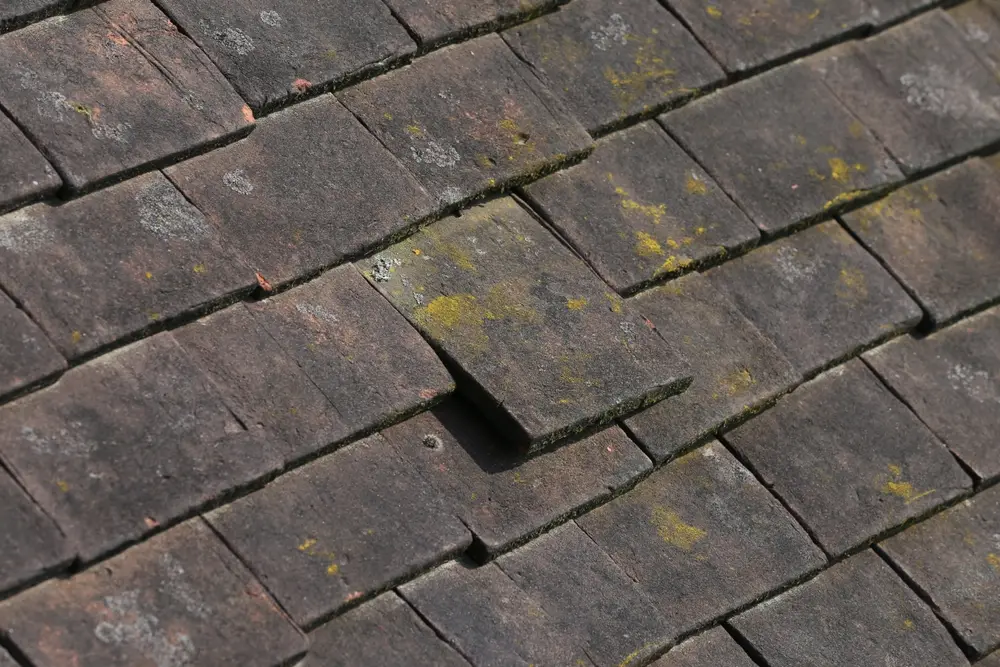
Even the highest quality roof is in a constant battle with the elements. Over 15, 20, or 30 years, the sun, rain, and temperature fluctuations in the South Carolina climate take their toll. This is normal end-of-life wear.
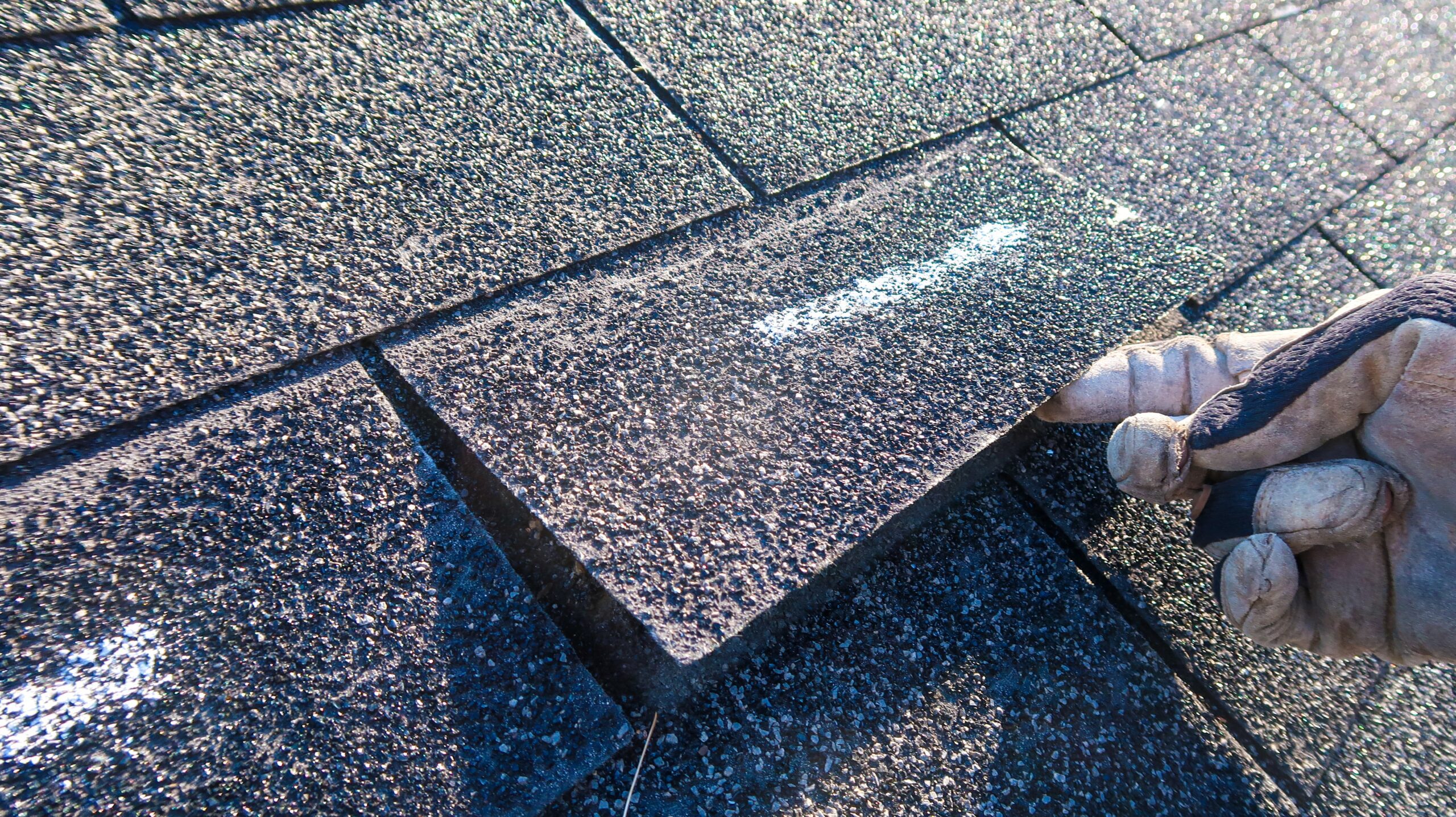
- Uniform Granule Loss: Over time, the protective ceramic granules on your shingles will slowly wear away, thinning across the entire roof surface.
- Brittleness and Curling: Years of UV exposure and thermal cycling dry out the asphalt in the shingles, making them hard, brittle, and prone to cracking. The edges may begin to curl up or down.
- Seal Strip Failure: The adhesive strips that seal one course of shingles to the next will gradually lose their tackiness, making the roof more vulnerable to wind.
- Nail Pops: As the wood decking expands and contracts over thousands of cycles, it can slowly push nails up and out, creating small bumps or even holes in the shingles above them.
Poor Installation: A Ticking Time Bomb
Installation errors are different. They are man-made mistakes that compromise the roof’s integrity from day one, guaranteeing it will not last its full intended lifespan. These shortcuts, often taken by low-bid or inexperienced roofers, create built-in failure points.
Uncovering Common Installation Mistakes
A cheap roof is rarely a good roof. Here are the most common and damaging installation errors we find during inspections for a roof repair in Columbia SC.
Improper Nailing: The #1 Cause of Failure
This is the single most critical aspect of a roof installation.
- High Nailing: If nails are placed too high on the shingle, above the designated "nail line," they will only fasten the top shingle and completely miss the one below it. This means half your shingles are just sitting on your roof, ready for the first strong wind to tear them away.
- Improper Nailing Pattern: Shingles require a specific number and pattern of nails (typically 4-6) to meet their wind warranty. Using too few nails is a common shortcut that severely compromises wind resistance.
- Overdriven or Underdriven Nails: Nails driven too deep will fracture the shingle mat. Nails left too high will prevent the shingle above from sealing correctly and can eventually wear a hole through it.
Shortcuts at the Edges and Valleys
These areas are critical for water management and are frequent targets for corner-cutting.
- No Starter Strip: A specific course of adhesive-laden shingles, called starter strips, must be installed at all eaves and rakes (the roof’s edges). Failing to use them leaves the most vulnerable part of your roof unsealed and exposed to wind uplift.
- Missing or Improper Drip Edge: The metal drip edge is essential for directing water into the gutter and away from the wooden fascia and roof deck. Omitting it or installing it incorrectly allows water to wick back under the shingles, causing rot.
- Underlayment Shortcuts: Some crews take shortcuts by using fewer fasteners on the underlayment or not overlapping the seams correctly. This compromises your roof’s vital secondary water barrier.
- Improperly Handled Valleys: Valleys handle a high volume of water. An "open" valley lined with metal can fail if not installed correctly. A "closed cut" valley can fail if shingles are cut too short, exposing the underlying seam.
Flashing and Ventilation Errors
These technical mistakes create immediate and long-term problems.
- Flashing Errors: Reusing old, failing flashing around chimneys, skylights, and walls is a major error. All flashing should be new and integrated correctly with the new shingles and underlayment to create a waterproof seal.
- Unbalanced or Mixed Ventilation: Proper attic ventilation requires a balanced system of intake (at the soffits) and exhaust (at the ridge). Installing a ridge vent without adequate soffit vents, or mixing different types of vents (e.g., a ridge vent and a power fan), can disrupt airflow, trap moisture, and cook your shingles from the inside out.
Recognizing the Signs of a Failing Roof
Whether from age or error, a failing roof will send you warning signals.
- Attic Signs: The first place to look is often inside. Stains or dark streaks on the underside of the roof deck.
- Daylight visible through the roof.
- Damp, compacted, or moldy insulation.
- A musty smell indicating moisture.
- Exterior Signs: Widespread curling, cracking, or missing shingles.
- Heavy accumulation of granules in your gutters.
- Shingles that have slipped or are falling out of place (a clear sign of high nailing).
- Bent or missing flashing.
- Water stains on your fascia boards.
A Quick Roof Lifespan Guide for the SC Climate
- 3-Tab Asphalt Shingles: 15-20 years
- Architectural/Laminate Shingles: 25-30+ years
- Metal Roofing: 50+ years The intense sun and humidity in the Midlands can shorten these lifespans, especially if the attic is not properly ventilated.
The Professional Inspection Workflow
A professional roofing contractor will follow a methodical process to determine the true condition of your roof.
- Interior and Attic Inspection: We start inside, looking for the tell-tale signs of leaks and moisture in the attic. This tells us where to focus our attention on the exterior.
- Exterior Ground Inspection: We walk the perimeter of the home, looking at the condition of the fascia, soffits, and gutters, and checking for obvious signs of shingle damage.
- On-Roof Assessment: We safely access the roof to perform a hands-on evaluation. We check shingle adhesion, look for improper nailing, inspect all flashing and seals, and assess the condition of all roof penetrations.
- Documentation: We take detailed photographs of our findings to create a comprehensive report that shows you exactly what is wrong and what is needed to correct it.
The Decision Tree: Repair or Replace?
This is the crucial question every homeowner faces.
- When to Repair: A repair might be a viable option if: The roof is relatively young (less than 10-12 years old).
- The damage is isolated to a small, specific area (e.g., flashing around a single pipe).
- The rest of the shingles are in good health and still flexible.
- The underlying cause is not a system-wide installation error.
- When to Replace: A full roof replacement is the only correct choice when: The roof is at or near the end of its natural lifespan.
- Damage (cracking, curling, granule loss) is widespread across multiple roof slopes.
- The inspection reveals systemic installation errors like improper nailing. Patching a poorly installed roof is throwing good money after bad.
- You have experienced multiple, recurring leaks in different areas.
Upgrading Your Roof: Investing in a Long-Term System
A roof replacement is a chance to significantly upgrade your home’s protection and energy efficiency.
- Architectural Shingles: The modern standard. They are thicker, more durable, and offer superior wind resistance and a more dimensional look compared to old 3-tab shingles.
- Class 4 Impact-Rated Shingles: For maximum durability, these shingles are fortified to resist damage from hail and debris. This can often lead to a discount on your homeowner’s insurance premium.
- High-Quality Synthetic Underlayment: Far superior to old felt paper, synthetic underlayment is incredibly strong, water-resistant, and provides a crucial secondary layer of defense.
- A Complete Ventilation System: A new roof is the perfect time to install a properly balanced ridge and soffit vent system, which will extend the life of your new shingles and lower your cooling costs.
- Sealed Roof Deck (Optional): For ultimate peace of mind, taping the seams of the roof decking creates a waterproof barrier at the structural level, an excellent upgrade for our storm-prone climate.
Insurance, Codes, and Financing
- Insurance Nuances: Standard insurance policies do not cover replacing a roof due to age or general wear and tear. However, if a storm damages an older roof, your policy may cover the replacement. "Matching" laws in South Carolina may require the insurer to replace undamaged sections to ensure a uniform look. Most policies also have coverage for bringing the new roof up to current building codes. Navigating this requires expert insurance roof claim help.
- Permitting and Codes: A full roof replacement requires a permit in most municipalities, including Columbia and Lexington County. This ensures the work is inspected and meets all current safety and building codes, protecting you from faulty work.
- Financing: A new roof is a major investment. Reputable roofing contractors offer financing options to help homeowners manage the cost with predictable monthly payments.
Frequently Asked Questions About Aging and Faulty Roofs
- My roof is 20 years old but isn’t leaking. Should I replace it? It’s wise to start budgeting for a replacement. A 20-year-old 3-tab roof is on borrowed time. A professional inspection can tell you how much life it truly has left and allow you to replace it proactively, rather than in an emergency after a leak starts.
- How can I tell if my roof was installed incorrectly? The most obvious sign is shingles blowing off in moderate wind. Other red flags include visible nail heads, shingles that aren’t lying flat, and leaks appearing on a relatively new roof. A professional inspection is the only way to be certain.
- Another roofer said he can do the job for much less. Why? A significantly lower bid is almost always a sign that corners are being cut. This could mean using inexperienced labor, omitting starter strips or drip edge, reusing old flashing, or not carrying proper insurance. These shortcuts will cost you far more in the long run.
- What is a "nail pop"? A nail pop is when a roofing nail gets pushed up through the shingle. This can be caused by the natural expansion and contraction of the roof deck or by nails that were underdriven during installation. Each nail pop is a potential leak point.
- Why is attic ventilation so important for my roof’s lifespan? An extremely hot attic will literally bake the asphalt shingles from the underside, causing them to become brittle and fail years ahead of schedule. A well-ventilated attic stays cooler, protecting your shingles and lowering your energy bills.
- The insurance company only wants to pay for one slope of my roof. What can I do? South Carolina’s "line of sight" and matching statutes often mean that if a suitable shingle match cannot be found, the insurer may be obligated to replace all connecting slopes to ensure a uniform appearance. As a leading roofing contractor near Lake Murray, we can help advocate on your behalf in these situations.
- How long does a roof replacement take? Once materials are delivered, a typical roof replacement on an average-sized home takes 2-4 days, depending on the complexity of the roof and the extent of any necessary decking repairs.
Invest in Certainty, Not Chance
Your roof is too important to leave to chance. Whether it’s reaching the end of its natural life or suffering from the mistakes of a past installer, addressing the problem with a high-quality, professional solution is one of the most important investments you can make in your home. Don’t wait for a ceiling stain to tell you it’s time.
If you have concerns about your roof’s age or suspect it may have been installed improperly, contact Cola City Roofing. Our comprehensive inspections provide a clear, honest assessment of your roof’s condition, empowering you to make an informed decision. We believe in doing the job right the first time, ensuring your new roof provides decades of protection and peace of mind.