After a severe storm rolls through the Midlands, your first thought is usually about safety and cleanup. But once you realize your roof might be damaged, a whole new set of worries can set in. The biggest one? Dealing with insurance.
The roof insurance claim process can feel complicated and intimidating. It’s a world filled with terms like "deductible," "depreciation," and "scope of work." For many homeowners in Columbia, it’s a process you only go through once or twice in your life, and it’s easy to feel like you’re at a disadvantage.
At Cola City Roofing, we believe you should never feel that way. We’ve helped hundreds of local homeowners navigate this process. We aren’t here to promise you a "free roof" or use high-pressure tactics. We’re here to give you clear, honest guidance so you can make the best decisions for your family and your home.
This guide is your roadmap. We’ll walk you through the steps, explain the jargon in plain English, and help you understand how to protect your home and your investment after a storm.
Start Here: Should You Call a Roofer or Your Insurance Company First?
This is the most common question we get, and the answer is almost always the same: call a reputable, local roofer first.
Why a Professional Roof Inspection Comes Before Filing a Claim
Filing an insurance claim puts a mark on your policy’s record, even if the insurance company doesn’t pay out a dollar. If you file a claim for what turns out to be minor damage that doesn’t even meet your deductible, you’ve used a "get out of jail free" card for nothing. It can sometimes affect your rates down the line.
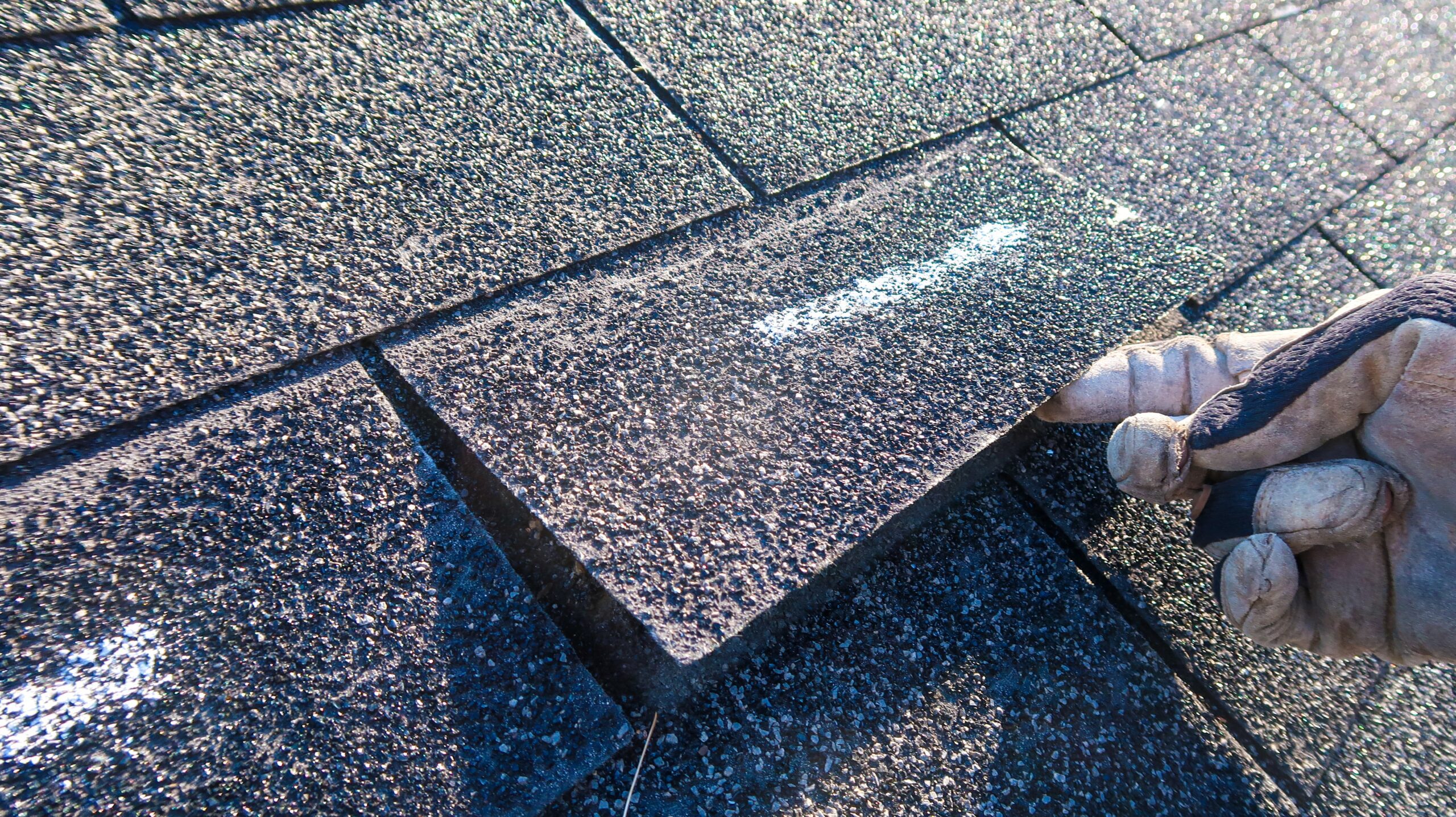
By calling a trusted roofing contractor first for an inspection, you get an expert opinion on whether the damage is significant enough to warrant a claim. We can identify if the issue is legitimate storm damage or just normal wear and tear. This simple step gives you the information you need to decide if filing is the right financial move.
When It Makes Sense to Contact Your Insurance Immediately
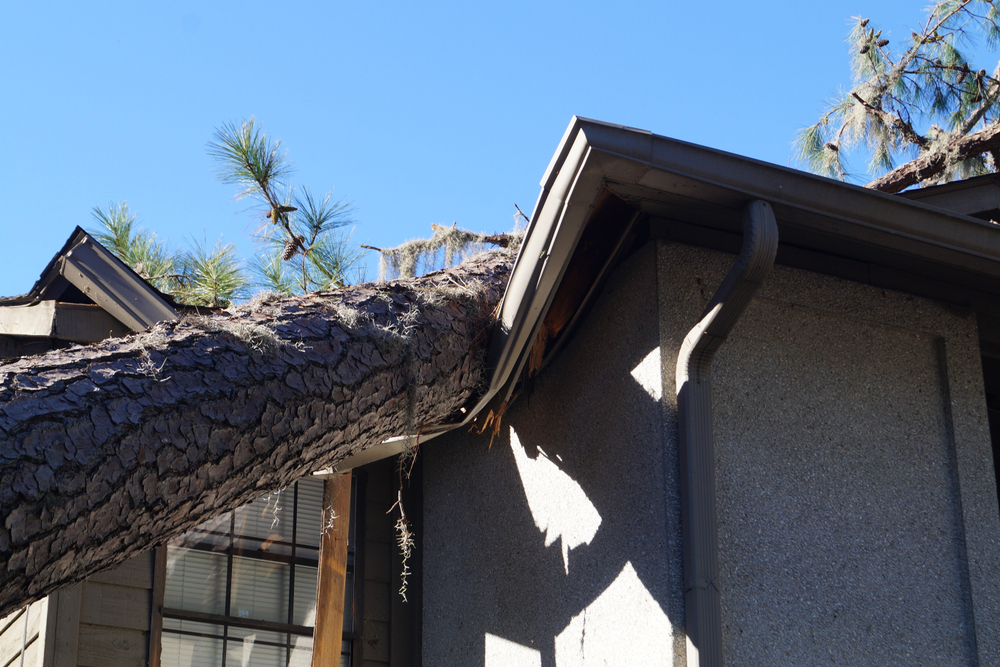
There are exceptions. If a tree has fallen through your roof or you have a massive, active leak with water pouring into your home, you should call your insurance company’s 24/7 claims hotline immediately to report the loss. Then, call a roofer for emergency services like tarping. In catastrophic situations, both calls are urgent.
Avoiding Unnecessary Claims on Minor Damage
Let’s say a storm blows off three shingles. The repair might cost $350. If your deductible is $1,000, filing a claim makes no sense—you’d pay for the repair out-of-pocket anyway. A professional inspection helps you understand the potential cost of repairs upfront, so you can make an informed decision and avoid filing a claim that goes nowhere.
Does Homeowners Insurance Cover Roof Damage in South Carolina?
In most cases, yes. Standard homeowners insurance policies (often called HO-3 policies) are designed to cover damage from specific "perils."
What Is Typically Covered After Hail or Wind Damage
If your roof is damaged suddenly and accidentally by a covered peril, your insurance is designed to help. In South Carolina, this almost always includes:
- Wind damage from thunderstorms or hurricanes
- Hail damage
- Damage from falling objects, like tree limbs
So, if a Midlands hailstorm bruises your shingles or high winds tear them off, it’s generally a covered event.
What Insurance Usually Won’t Cover (Wear and Tear vs Storm Damage)
Insurance is not a maintenance plan. It will not pay to replace a roof simply because it is old and worn out. This is the critical distinction between storm damage and wear and tear.
- Storm Damage: Random, sudden impacts (hail hits) or patterns of uplift (wind damage).
- Wear and Tear: Uniform granule loss across the whole roof, curling or cracking shingles due to age, or damage from long-term neglect (like clogged gutters causing rot).
An insurance adjuster is trained to tell the difference. This is another reason a pre-claim inspection is so valuable—a good roofer will tell you if your issue is age-related before you file.
Why Documentation Matters in the Midlands
Our weather is complex. A roof might have minor hail damage from a storm in May and then get hit by wind from a tropical system in September. Clear documentation from a roofer, including photos and a date of inspection, helps attribute the damage to the correct storm, which is crucial for a successful claim.
Step-by-Step: How to File a Roof Insurance Claim
Once you’ve had an inspection and confirmed you have legitimate, significant storm damage, the process begins. Here’s what it looks like.
Step 1 – Schedule a Roof Inspection and Document Damage
This is the step we’ve already covered. Your roofer should provide you with a detailed report, including photographs of the damage. This documentation is your initial evidence.
Step 2 – Contact Your Insurance Provider
Call the claims number for your insurance company (it’s usually on your policy documents or their website). You’ll need to provide your policy number and the "date of loss"—the date the storm occurred. Be prepared to give a general description of the damage (e.g., "My roof was damaged by hail," or "High winds blew shingles off my roof"). They will assign you a claim number. Keep this number handy.
Step 3 – Meet the Insurance Adjuster for Roof Inspection
Your insurance company will assign an adjuster to your claim. The adjuster will contact you to schedule a time to come to your home and inspect the damage themselves. We strongly recommend having your roofing contractor present for this meeting. We can walk the roof with the adjuster, point out the specific damage we found, and ensure you are represented by a professional who speaks the same language.
Step 4 – Review the Scope of Work and Settlement
After the inspection, the adjuster will create a "scope of work" or "loss summary." This document details everything the insurance company has agreed to pay for, line by line, along with the costs. It will also show the total amount, less your deductible and any depreciation. You’ll review this document with your contractor to ensure it accurately covers all the necessary repairs.
Understanding Deductibles, Depreciation, and Payouts
This is where homeowners often get confused. The check you receive from your insurance company might not be for the full amount of the repair, and it’s important to understand why.
What Your Deductible Means for Roof Repairs
Your deductible is the portion of the repair cost that you are responsible for paying. If you have a $1,500 deductible and the total approved roof replacement costs $15,000, your insurance will cover $13,500. You are required to pay the first $1,500 to the contractor. Be wary of any contractor who offers to "absorb" or "waive" your deductible—this is illegal in many places and is a major red flag.
Actual Cash Value vs Replacement Cost Explained Clearly
This is the most critical part of your policy to understand.
- Replacement Cost Value (RCV): This coverage pays to replace your roof with materials of similar kind and quality at today’s prices. This is the best type of coverage. The insurance company usually pays this in two installments: first, a check for the Actual Cash Value, and then a second check for the recoverable depreciation after the work is completed and you provide an invoice.
- Actual Cash Value (ACV): This coverage only pays what your damaged roof was worth at the moment it was damaged. It’s the replacement cost minus depreciation. If you have a 15-year-old roof with a 20-year lifespan, an ACV policy might only pay for 25% of a new roof.
Knowing the difference between actual cash value vs replacement cost roof coverage will set your expectations for the financial outcome of your claim.
How Roof Depreciation Impacts Your Claim
Depreciation is the loss in value of your roof due to age and wear. Insurance companies calculate this on every claim. On an RCV policy, the roof depreciation insurance claim amount is recoverable. On an ACV policy, it is not. For example:
- New Roof Cost: $20,000
- Depreciation (due to age): $8,000
- Actual Cash Value: $12,000
- Your Deductible: $2,000
With an RCV policy, you’d first get a check for $10,000 ($12,000 ACV – $2,000 deductible). Once you prove the work is done, you get another check for the $8,000 in depreciation. You pay the contractor $20,000 total, and your out-of-pocket cost is just your deductible. With an ACV policy, you’d only get the $10,000 check. You’d be responsible for the remaining $10,000 to get the new roof.
What Happens During an Insurance Adjuster Roof Inspection?
The adjuster’s visit is the key moment in your claim.
What the Adjuster Looks For
The adjuster’s job is to verify that the damage was caused by a covered peril. They will perform their own inspection, often marking a "test square" (a 10×10 foot area) on each slope of your roof to count the number of hail hits. For wind, they’ll look for lifted or missing shingles. They are trained to identify storm damage and distinguish it from age or installation defects.
Why Having a Roofing Contractor Present Can Help
An adjuster might inspect dozens of roofs in a week and can sometimes move quickly. Having your contractor there ensures a second set of expert eyes is on your side. We can point out subtle damage the adjuster might miss, like bruised shingles that aren’t obvious or lifted tabs on a steep slope. It creates a collaborative environment aimed at getting a fair and accurate assessment.
Making Sure All Storm Damage Is Properly Documented
The adjuster documents damage to the shingles, but what about the gutters, window screens, or soft metal vents? We help ensure that all "collateral damage" from the storm is included in the claim, as these items are often covered as well.
Roof Claim After Storm: Common Mistakes Homeowners Make
We see the same pitfalls time and again. Avoiding them can save you a lot of headaches.
Filing Without an Inspection
As mentioned, this is the #1 mistake. It can lead to a denied claim that still dings your insurance history.
Waiting Too Long After Storm Damage
Most policies have a time limit for filing, often one year from the date of the storm. Waiting too long makes it difficult to prove the damage came from a specific event. It can also lead to your roof claim denied why you waited so long.
Choosing a Contractor Based on Pressure Instead of Reputation
After a big storm in the Midlands, "storm chaser" roofing companies from out of state often flood the area. They knock on doors, offer to handle your claim for you, and use high-pressure tactics. They may do subpar work and will be gone when you have a problem a year later. Always choose a local, licensed, and insured contractor with a solid reputation in the community, like Cola City Roofing.
Denied Roof Claim? Here’s What to Do Next
A denial is not always the end of the road.
Understanding Why Claims Get Denied
The most common reasons for denial are that the adjuster determined the damage was from wear and tear, not a storm, or that the amount of damage did not exceed your deductible. The denial letter will state the specific reason.
When a Second Inspection May Be Appropriate
If your contractor is confident that you have legitimate storm damage that the adjuster missed, you can request that a different adjuster from the insurance company come out for a second look. This is a normal part of the roof insurance claim appeal process .
How Additional Documentation Can Change the Outcome
Sometimes a claim is denied due to a lack of evidence. If you can provide new information—such as a more detailed report from your roofer, weather data confirming the storm’s intensity in your specific neighborhood, or photos from neighbors with approved claims—it can be enough to have the decision overturned. If you face a denied roof claim what next steps should involve gathering more evidence.
Emergency Repairs While Your Claim Is Processing
You have a responsibility to prevent further damage to your home while the claim is in process.
When You Need Immediate Roof Tarping
If there is a hole in your roof or a large section of shingles is missing, you need to get it covered immediately. An emergency roof tarp insurance claim is a standard part of the process.
Preventing Further Damage While Waiting for Approval
Tarping the roof prevents rain from getting inside and ruining insulation, drywall, and your belongings. The cost of this temporary repair is almost always covered by your insurance company as part of the total claim.
Keeping Receipts and Records for Reimbursement
Keep the invoice from your roofer for any emergency tarping or temporary repairs. You will submit this to the insurance company for reimbursement.
How Cola City Roofing Supports Homeowners Through Insurance Claims
We see our role as your advocate and guide, not a salesperson.
Detailed Photo Documentation and Reporting
We provide you with a comprehensive digital report of our findings before you ever file a claim. This becomes the foundation of your claim’s evidence.
Meeting Adjusters On Site
We will be there. We meet with your adjuster, answer their technical questions, and make sure the scope of work is complete and accurate.
Honest Assessments — Repair When Possible, Replace When Necessary
Our goal is to protect your home. If a simple repair is all you need, that’s what we will recommend. If a full replacement is the only right long-term solution, we will explain why.
No Pressure, No Gimmicks, Just Clear Guidance
We live and work here in Columbia. Our reputation is built on treating customers like family. We’ll give you straight answers and let you make the decisions.
Why Experience Matters With Roof Insurance Claims in Columbia, SC
Navigating claims isn’t just about roofing knowledge; it’s about local knowledge.
Understanding Midlands Storm Patterns
We know what kind of damage our specific weather creates. We know what to look for after a pop-up hailstorm in Lexington versus sustained winds from a tropical storm in Camden. This experience helps us identify damage that out-of-towners might miss.
Working With Insurance Carriers Across South Carolina
We have professional relationships with the adjusters who work for all the major insurance carriers in our state. They know we provide honest assessments and quality work, which builds a foundation of trust that helps the entire process go more smoothly for you.
Protecting Homeowners From Incomplete Repairs
Our ultimate goal is to ensure your roof is restored correctly. We review the adjuster’s scope of work to make sure nothing was missed—like replacing starter strips, drip edge, or proper ventilation. We fight to make sure the job is done right, not just cheaply.
Schedule a Roof Inspection Before Filing Your Insurance Claim
Don’t go into the insurance process blind. Start with knowledge and confidence.
Know What You’re Filing Before You File It
An inspection from Cola City Roofing gives you a clear picture of your roof’s health. You’ll know if you have a claim-worthy problem before you ever pick up the phone.
Clear Documentation Strengthens Your Claim
Starting the process with a professional, photo-documented report shows your insurance company that you are serious and organized. It sets a positive tone for the entire claim.
We’ll Walk You Through the Next Step
If you have damage, we’ll explain the next steps clearly. If you don’t, we’ll give you that peace of mind for free.
[Primary CTA: Schedule your professional roof inspection today.]
[Secondary CTA: Make informed decisions — not rushed ones.]
Frequently Asked Questions About Roof Insurance Claims
How long do I have to file a roof claim after a storm in South Carolina?
Typically, homeowners have at least one year from the date of the storm to file a claim. However, this can vary by policy, so it’s always best to check your documents. We recommend filing as soon as you confirm there is significant damage.
Will filing a roof claim increase my insurance premium?
Filing a single claim for storm damage—an "act of God"—does not usually cause your individual premium to go up. However, if an insurance company has to pay out many claims in a specific area after a major storm, they may raise rates for everyone in that area, regardless of whether you filed a claim.
Can I choose my own roofing contractor for insurance repairs?
Yes, absolutely. You have the right to choose any licensed and insured contractor you trust. You are not required to use a contractor recommended by your insurance company.
What if the insurance estimate is lower than the contractor’s estimate?
This is common. Sometimes the adjuster misses items, or their pricing database is out of date. As your contractor, we can submit a "supplement" to the insurance company, which is a formal request for additional funds to cover the items and costs missed in the initial estimate.
Do I have to pay my deductible for roof replacement?
Yes. Your deductible is your contribution to the repair, as agreed upon in your policy. Any contractor who offers to waive, cover, or absorb your deductible is likely committing insurance fraud. This is a major red flag, and you should avoid working with them.