Your roof is the first line of defense for your home, protecting you and your family from summer storms, intense humidity, and everything in between. But like any part of your home, it needs attention to stay in top shape. Spotting a problem early can save you from bigger, more expensive headaches down the road.
This guide is here to help you understand the common signs of roof trouble, what goes into a repair, and how to plan for it. We’ll walk you through everything from identifying a simple shingle issue to navigating an insurance claim after a major Columbia storm. Our goal is to give you the knowledge you need to make confident decisions about protecting your home.
Common Signs Your Roof Needs Repair
Not all roof problems announce themselves with a dramatic leak. Often, the signs are subtle. Knowing what to look for can help you catch issues before they cause serious damage to your home’s structure. Here are a few key indicators that your roof may need a professional inspection .
Missing or damaged shingles
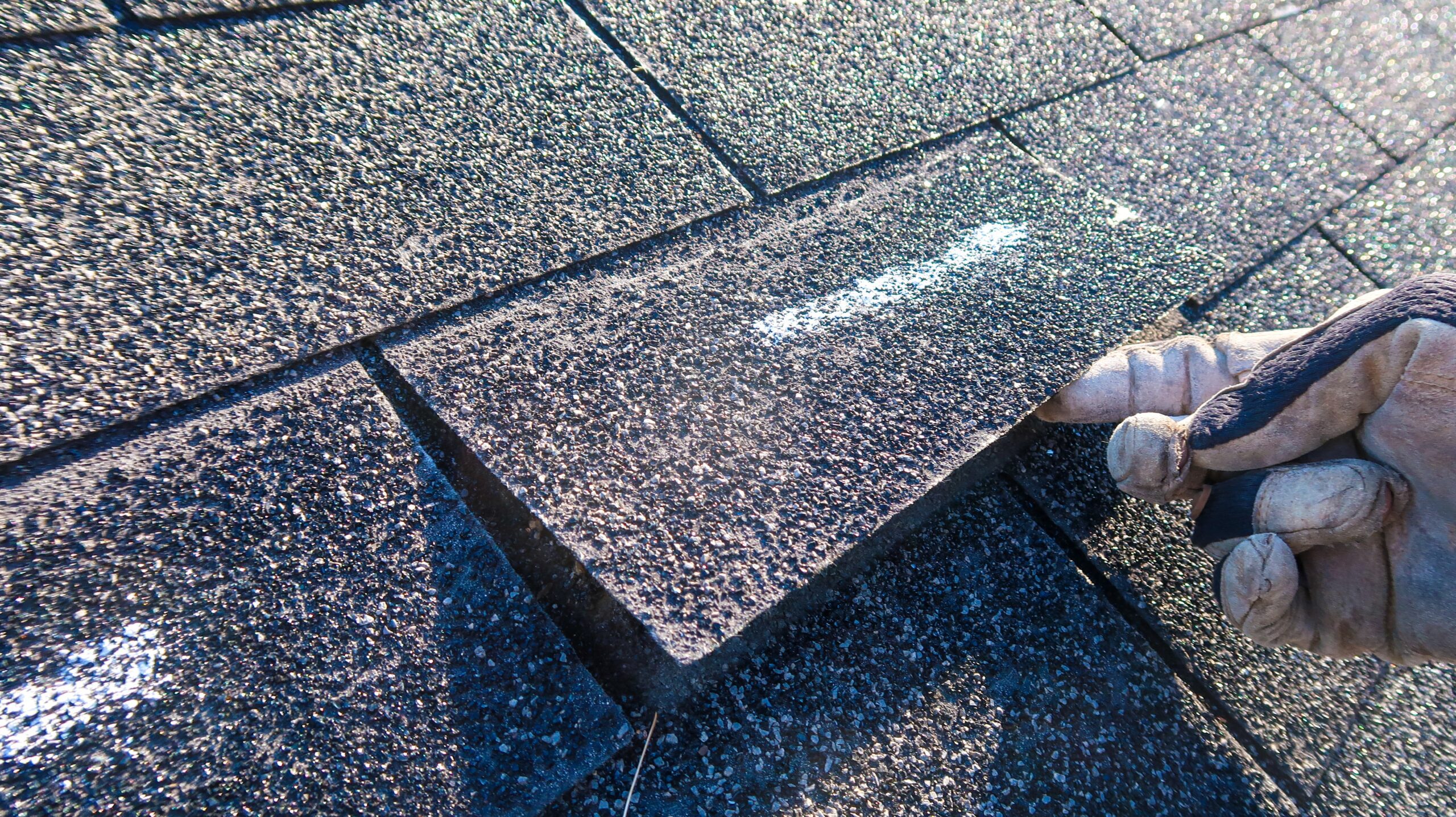
This is one of the most visible signs of roof wear. After a strong windstorm, take a quick walk around your property. Do you see shingles in your yard? Look up at your roof—are there patches that look bare or have curled, cracked, or buckling shingles?
In the Columbia area, the intense summer sun and high humidity can accelerate the aging process of asphalt shingles. The granules that coat them can wear away, leaving them vulnerable. Damaged shingles are an open invitation for water to seep underneath, which can lead to rot and leaks.
Leaks and water stains
A brown or discolored stain on your ceiling or running down a wall is a clear signal of a water issue. These leaks often appear after a heavy rain, but they can be slow and sneaky. The actual entry point for the water on your roof might be far from where the stain appears inside, as water can travel along rafters and insulation before it soaks through your drywall.
Check your attic regularly, especially after storms. Look for damp insulation, dark wood stains on the underside of the roof deck, or a musty smell. Catching these signs early is key to preventing widespread water damage and mold growth.
Sagging or uneven roof areas
Stand back from your home and look at the lines of your roof. Do you see any areas that appear to be drooping, sagging, or bowing? A sagging roof is a serious structural concern and requires immediate attention.
This issue can be caused by several factors, including water damage that has rotted the underlying wood decking, a failing support structure, or simply the weight of too many layers of old shingles. If you notice any sagging, it’s best to call a professional for a thorough inspection to determine the cause and the safest course of action.
Galleries
Recent Works
Need proof of our skills? Check out our recent roof and gutter work!
Roof Repair Methods Explained
Once a problem is identified, the next step is understanding the solution. Roof repairs aren’t one-size-fits-all; the right method depends on the type of roof you have and the extent of the damage. Here’s a look at some common repair techniques.
Shingle repair techniques
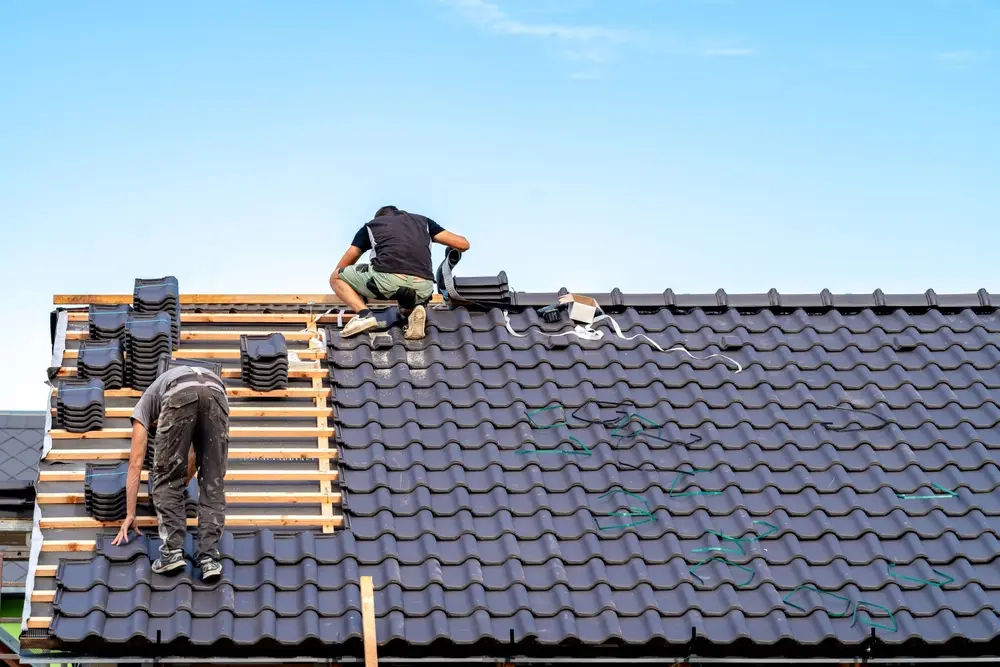
For homes with asphalt shingles, which are very common in the Midlands, minor damage can often be handled with targeted repairs. If a few shingles are missing or curled, a professional roofer can carefully remove the damaged ones and slide new, matching shingles into place. They are secured with roofing nails and sealed with a special cement to create a watertight barrier.
If the damage is limited to a small section, a roofer might perform a "shingle patch." This involves replacing a larger cluster of damaged shingles. The key to a successful repair is ensuring the new shingles integrate seamlessly with the old ones to prevent future leaks along the seams.
Flat roof repair options
Flat or low-slope roofs, often found on additions, carports, and some modern homes, have different needs. Leaks on these roofs typically occur at the seams, around vents, or where the roof meets a wall (flashing).
For small punctures or cracks, a professional can apply a patch using material compatible with your roof, whether it’s TPO, EPDM, or modified bitumen. For more widespread wear, applying a waterproof coating over the entire surface can extend the roof’s life by sealing small cracks and reflecting the sun’s harsh rays, which is a big benefit during our hot South Carolina summers.
Repair vs. replacement considerations
Deciding whether to repair or replace your roof is a major decision. A simple repair is often sufficient if the damage is isolated, your roof is less than 15-20 years old, and the rest of the shingles are in good condition. It’s a cost-effective way to address a specific problem like a few blown-off shingles.
However, if your roof is nearing the end of its typical lifespan, has widespread damage across multiple areas, or you’re dealing with recurring leaks, a full replacement is often the smarter long-term investment. A new roof provides peace of mind and comes with a new warranty, protecting your home for decades. We can provide an honest assessment to help you weigh the costs and benefits for your specific situation.
Roof Repair Costs and Planning
Understanding the potential costs is a crucial part of planning for a roof repair. Prices can vary significantly based on the work needed, so knowing the factors that influence the final bill will help you budget accordingly.
Factors that affect repair costs
Several variables determine the cost of a roof repair. The extent of the damage is the biggest factor—fixing a few shingles is much less expensive than repairing a large area with underlying water damage.
Other key factors include:
- Roof Material: Asphalt shingles are generally the most affordable to repair, while materials like metal or slate can be more costly.
- Roof Pitch (Steepness): A very steep roof requires more safety equipment and labor, which can increase the price.
- Accessibility: If your roof is difficult to access, it may add to the labor time.
- Underlying Damage: If the leak has caused the wooden decking underneath to rot, that decking will also need to be replaced, adding to the overall cost.
Average cost of roof leak repairs
The cost to fix a roof leak in the Columbia area can range from a few hundred dollars for a minor, straightforward fix to several thousand for a complex issue involving structural repairs.
For example, sealing a leak around a vent pipe or replacing a small patch of missing shingles might fall on the lower end of that spectrum. However, if water has damaged the plywood decking and rafters, the repair will be more extensive and costly. The best way to get an accurate number is to have a professional perform a detailed inspection .
Should you repair or replace your roof?
This is a common question for homeowners. The decision often comes down to a cost-benefit analysis.
- Age of Roof: If your asphalt shingle roof is over 20 years old, a replacement is often more economical than pouring money into frequent repairs.
- Extent of Damage: If more than 30% of your roof is damaged, a replacement is typically recommended.
- Future Plans: If you plan to sell your home soon, a new roof can be a significant selling point and increase your home’s value.
- Budget: A repair is a smaller, immediate expense, while a replacement is a larger, long-term investment. Many companies, including ours, offer financing options to make a replacement more manageable.
Roof Repair Timing and Seasonal Considerations
From summer thunderstorms to the occasional winter chill, the weather in South Carolina can impact when and how roof repairs are done. Understanding the timeline and seasonal factors can help you plan more effectively.
Can repairs be done in winter?
Yes, roof repairs can absolutely be done in the winter. While Columbia doesn’t face the extreme snow and ice of northern climates, we do have cold, damp days. Professional roofers are equipped to work in most weather conditions.
The main challenge in winter is that shingles can become brittle in the cold, making them harder to work with. The sealant used to bond them also takes longer to cure in lower temperatures. However, experienced crews know how to manage these factors to ensure a quality, lasting repair. The only time we’d have to reschedule is during active rain or unsafe, icy conditions.
How long roof repairs typically take
The duration of a roof repair depends entirely on the scope of the work. A minor repair , like replacing a few wind-damaged shingles or sealing a leaky flashing, can often be completed in just a few hours.
A more moderate repair , such as fixing a larger section of the roof, might take a full day. If the job involves replacing structural components like rotted decking, it could extend to a few days. We always provide a clear timeline upfront so you know exactly what to expect.
Roof Insurance and Coverage
When roof damage happens unexpectedly, especially from a storm, your first thought might be about your homeowner’s insurance. Navigating claims can feel complicated, but it doesn’t have to be.
Will insurance cover roof repairs?
In many cases, yes. Homeowner’s insurance policies typically cover damage that is sudden and accidental, such as from wind, hail, or a fallen tree limb. If a storm rips shingles off your roof, your policy will likely help pay for the repairs, minus your deductible.
However, insurance generally does not cover damage resulting from lack of maintenance or normal wear and tear. If your roof is simply old and has started to fail, the cost of replacement would be your responsibility. That’s why regular maintenance is so important.
Filing a claim for storm or hail damage
If you suspect you have storm damage , the process usually looks like this:
- Document the Damage: Safely take photos of the damage to your roof and any leaks inside your home. Find any shingles that have fallen in your yard.
- Call a Trusted Roofer: Before calling your insurance company, have a reputable roofing contractor inspect the damage. We can provide a professional assessment and detailed report, which is valuable when you file your claim. We can also help you determine if the damage is significant enough to warrant a claim.
- File the Claim: Contact your insurance provider to start the claims process. They will assign an adjuster to assess the damage.
- Meet the Adjuster: We recommend having your roofer present when the adjuster inspects your roof. Your roofer can advocate for you, pointing out damage the adjuster might otherwise miss and ensuring the scope of work is accurate.
Galleries
Latest Projects
Need proof of our skills? Check out our recent roof and gutter work!
Maintenance Tips to Prevent Future Repairs
The best way to deal with roof repairs is to prevent them in the first place. A little proactive maintenance goes a long way in extending the life of your roof and avoiding costly emergencies.
Routine inspections
We recommend having your roof professionally inspected at least once a year and after any major storm. A trained eye can spot subtle signs of trouble that are easy to miss from the ground, like cracked seals around vents or early signs of granule loss on shingles.
You can also do your own visual checks from the ground. Use binoculars to get a closer look at your shingles, flashing, and gutters. Catching a small problem early is always better than discovering a big one later.
Roof maintenance checklist for homeowners
Here are a few simple things you can do to keep your roof in great shape:
- Keep Gutters Clean: Clogged gutters are a major cause of roof problems. When water can’t drain properly, it backs up under your shingles, causing rot. Clean them twice a year, especially after the fall leaves and spring pollen seasons.
- Remove Debris: Don’t let leaves, pine needles, and small branches pile up on your roof. This debris traps moisture and can lead to algae or moss growth, which slowly deteriorates your shingles.
- Trim Overhanging Branches: Keep tree limbs trimmed back away from your roofline. This prevents them from rubbing against shingles and reduces the risk of a branch falling on your roof during a storm.
- Check for Moss and Algae: In our humid climate, dark streaks (algae) or green patches (moss) can appear. These should be addressed with a gentle soft wash cleaning to protect your shingles.
Frequently Asked Questions
How long does roof repair take?
A minor repair often takes just a few hours. A more complex job involving structural issues could take several days. We will always give you a specific timeline before work begins.
Can roof repairs be done in winter?
Yes. While cold weather requires some extra care, professional roofers are equipped to perform quality repairs year-round. We only pause for active rain or unsafe icy conditions.
How much does roof leak repair cost?
Costs vary widely, from a few hundred dollars for a simple fix to several thousand for extensive damage. The final price depends on the material, roof pitch, and whether the underlying structure is damaged. A free inspection is the best way to get a precise quote.
Should I repair or replace my roof?
It depends on the age of your roof and the extent of the damage. Repairs are great for isolated issues on a younger roof. If your roof is over 20 years old or has widespread problems, a replacement is often the better long-term investment.
Will my insurance cover roof repairs?
Insurance typically covers damage from sudden events like storms or fallen trees, but not damage from old age or lack of maintenance. We can inspect your roof and help you determine if filing a claim is the right move.