When you invest in a new roof , you’re buying more than just shingles and labor. You’re buying decades of protection for your family and your home. A crucial part of that protection comes from warranties. But what do those documents really mean? A good warranty is your safety net, ensuring that your investment is secure against material failures and installation errors.
Understanding the difference between warranty types can feel complicated. There are manufacturer warranties, workmanship warranties, standard coverage, and premium options. This guide will break it all down in simple terms. We’ll explain what’s covered, what isn’t, and how the right warranty can lead to significant long-term savings. Making an informed choice now will give you peace of mind for years to come, knowing your home is protected from the hot Columbia sun and unexpected storms.
Understanding Manufacturer Warranties
A manufacturer warranty, sometimes called a product or material warranty, is provided by the company that makes the roofing materials (like the shingles, underlayment, and vents). This warranty protects you against defects in the products themselves. If the materials fail prematurely due to a manufacturing flaw, this is the warranty that covers the cost of replacement materials.
Think of it like the warranty on a new car. If a part is faulty from the factory, the manufacturer is responsible for providing a new one. It’s a promise that the product you bought will perform as advertised.
Coverage for Material Defects
So, what exactly is a "material defect"? It’s a flaw that originates during the manufacturing process, causing the product to break down faster than it should.
Common examples include:
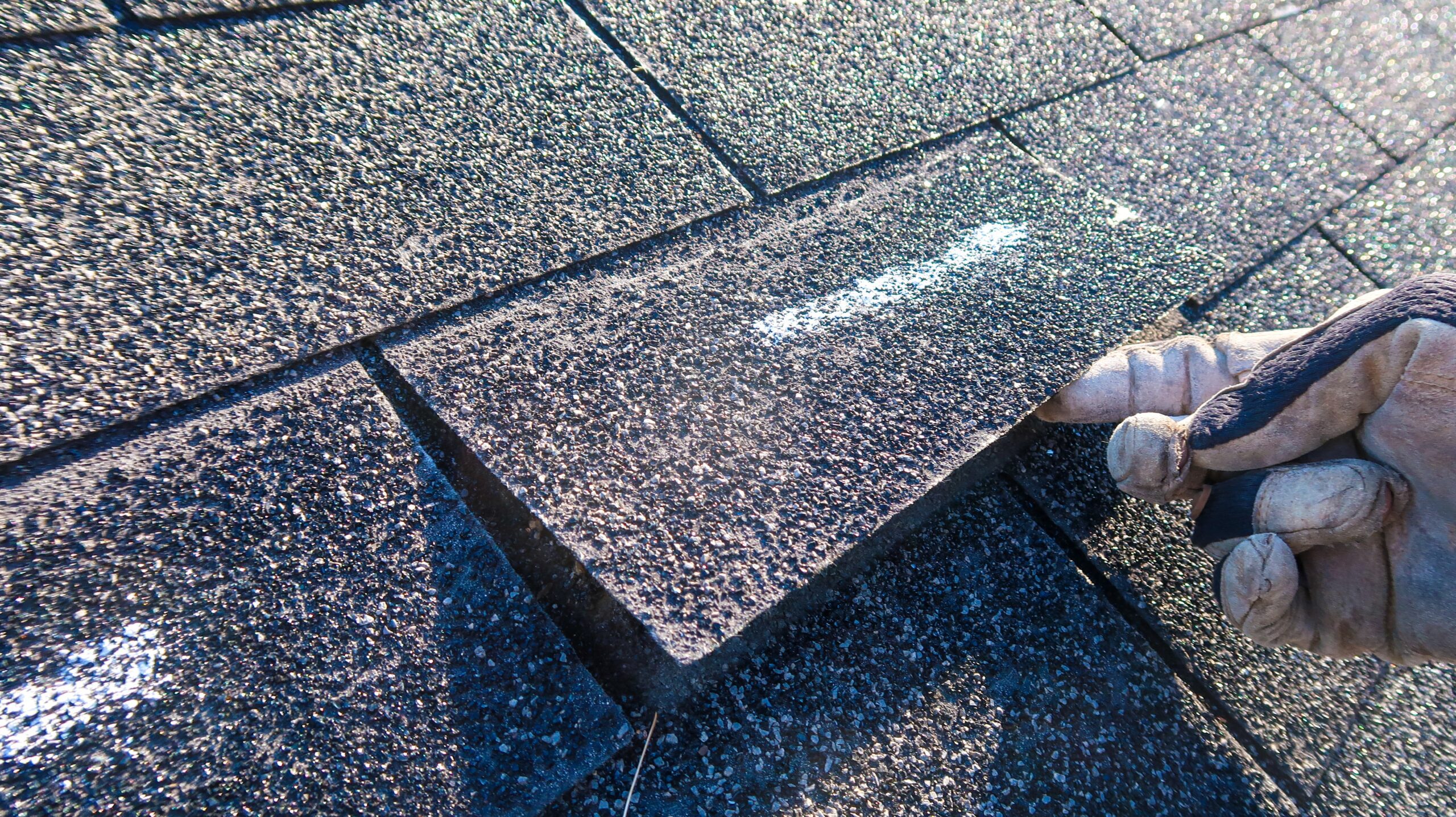
- Granule Loss: Shingles that shed their protective granules excessively soon after installation, exposing the underlying asphalt to UV rays and accelerating aging.
- Cracking and Splitting: Shingles that become brittle and crack long before their expected lifespan, even under normal weather conditions.
- Staining and Discoloration: Some warranties cover algae resistance, protecting against the black streaks that can appear on roofs in humid climates like ours in South Carolina.
This warranty does not cover damage from external factors. Things like storm damage from hail or high winds, falling tree limbs, or improper installation are not considered material defects. It also won’t cover normal wear and tear that happens as the roof ages.
Typical Duration and Terms
Manufacturer warranties come with specific timelines and conditions. One of the most important terms to understand is the difference between prorated and non-prorated coverage.
- Non-Prorated Period: This is the most valuable part of the warranty. During this initial period, often the first 10 to 20 years, the manufacturer will cover 100% of the cost of defective materials. Some premium warranties even cover the labor cost for replacement during this time. This is your best protection.
- Prorated Period: After the non-prorated period ends, the coverage decreases over time. The manufacturer will only cover a percentage of the material cost, based on how long the roof has been installed. For example, if a shingle fails in year 15 of a 30-year prorated warranty, the manufacturer might only pay for 50% of the material cost.
Most basic asphalt shingle warranties offer lifetime limited coverage, but the "lifetime" refers to the time you own the home, and much of it is prorated. Always check the length of the non-prorated period, as this is where the real value lies.
Galleries
Featured Work
Need proof of our skills? Check out our recent roof and gutter work!
Contractor Workmanship Warranties
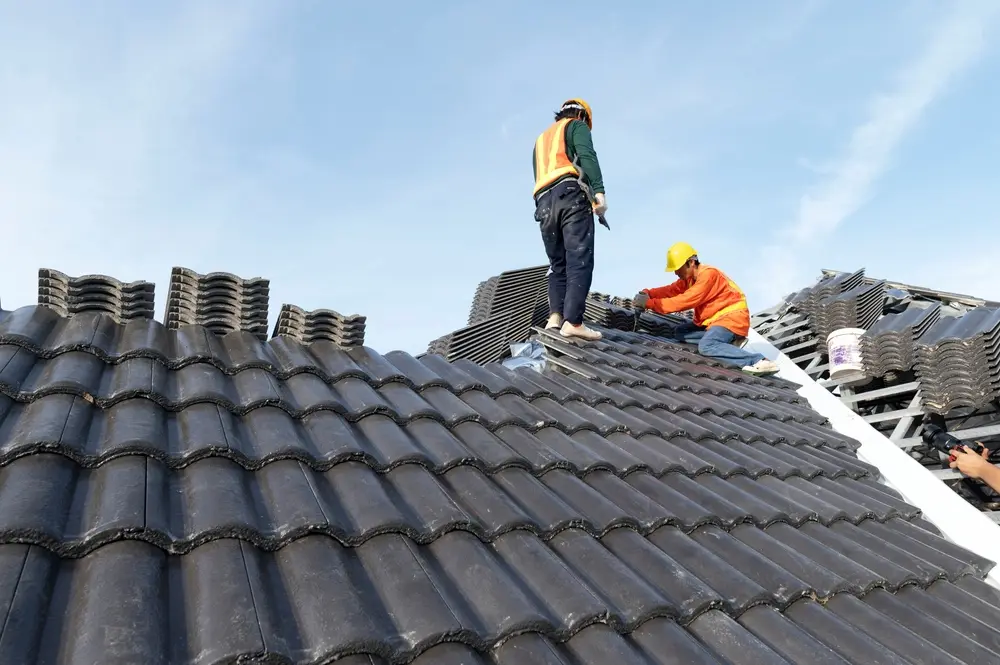
While a manufacturer’s warranty covers the materials, a contractor’s workmanship warranty covers the installation. This is the roofer’s promise that their team installed everything correctly according to the manufacturer’s specifications. Most roofing problems—over 90% by some estimates—are not due to faulty products but to errors during installation.
This makes your contractor’s warranty incredibly important. It’s a direct reflection of their confidence in their own work and their commitment to you as a customer.
What’s Included and What’s Not
A solid workmanship warranty should cover the labor cost to fix any issues arising from improper installation.
This typically includes:
- Leaks: Correcting leaks caused by improperly fastened shingles, incorrectly installed flashing around chimneys or vents, or faulty sealing.
- Shingle Blow-Offs: Replacing shingles that come loose due to improper nailing patterns.
- Improper Flashing: Repairing or replacing the metal strips around roof penetrations if they were installed incorrectly and cause water intrusion.
What’s not included? This warranty won’t cover material defects (that’s the manufacturer’s job) or damage from storms, foot traffic, or unapproved alterations (like installing a satellite dish). It is purely focused on the quality of the installation itself. The duration can range from as little as one year to a lifetime, depending on the contractor. At Cola City Roofing , we stand firmly behind our work, and our warranty reflects that commitment.
Importance of Choosing Certified Installers
This is where your choice of roofer makes all the difference. Manufacturers often have certification programs for contractors. To become a "certified installer," a roofing company must undergo specific training, prove they are properly licensed and insured, and have a track record of high-quality installations .
Why does this matter for your warranty?
- Access to Enhanced Warranties: Manufacturers often offer their best warranties—the ones with longer non-prorated periods and labor coverage—exclusively through their certified installers. You simply can’t get these premium protections if you hire an uncertified roofer.
- Peace of Mind: A certified contractor knows the manufacturer’s exact installation requirements. This dramatically reduces the risk of installation errors that could void your material warranty. If the manufacturer inspects a claim and finds the shingles were nailed incorrectly, they can deny coverage. A certified installer protects you from that risk.
- A Sign of Quality: Certification is a stamp of approval. It shows that the contractor is committed to their craft and has been vetted by the industry leader whose products they install.
How Warranties Can Save Money Over Time
A strong warranty isn’t just a piece of paper; it’s a long-term financial tool. It provides a safety net that can save you thousands of dollars over the life of your roof.
Reducing Repair Costs
Imagine a small installation error causes a leak five years after your new roof is installed. Without a workmanship warranty, you would have to pay another contractor to diagnose the problem, tear off the affected section, and re-install it correctly. This could easily cost hundreds or even thousands of dollars. With a strong workmanship warranty, the original contractor covers those labor costs, so your out-of-pocket expense is zero.
The same goes for material defects. If a batch of shingles proves to be faulty a decade down the road, a good non-prorated manufacturer warranty can cover not only the new materials but also the labor to install them. This protection against unforeseen expenses provides incredible financial security.
Extending Roof Lifespan
Warranties also encourage practices that lead to a longer-lasting roof. To maintain warranty coverage, proper roof ventilation is often required. An experienced contractor will ensure your attic has the right intake and exhaust vents, which helps regulate temperature and moisture. This prevents heat from baking your shingles in the summer and stops moisture buildup that can cause decking to rot in the winter.
By following the best practices required by warranty terms, you are actively extending the functional life of your roof. A roof that lasts 30 years instead of 15 means you’ve deferred the massive cost of a replacement by an extra decade or more, which is the biggest long-term saving of all.
Comparing Warranty Options Before You Buy
When you receive a proposal for a new roof, the warranty details are just as important as the price. Don’t be afraid to ask questions and compare the specifics of what you’re being offered.
Standard vs. Premium Coverage
- Standard Warranties: These are the basic, entry-level warranties. For materials, they typically offer a limited lifetime warranty but with a very short non-prorated period (sometimes only 5-10 years) and no labor coverage for defects. For workmanship, a standard warranty might only be for 1-5 years.
- Premium (or Enhanced) Warranties: These are the top-tier options available through certified installers. A premium manufacturer warranty might offer a non-prorated period of 25 years or even 50 years, and it often includes labor costs for material defect claims. It may also cover the full "roofing system"—the shingles, underlayment, and other components—not just the shingles themselves. A premium workmanship warranty from a confident contractor might last for 25 years or even a lifetime.
Another key feature to look for is transferability . A transferable warranty can be passed to the next owner if you sell your home. This is a powerful selling point that can increase your home’s value.
Cost vs. Benefit Analysis
A premium warranty may add to the upfront cost of your roofing project, but it’s essential to weigh that against the long-term benefits.
Consider this scenario:
- Roof A (Standard Warranty): Costs $12,000 with a 10-year non-prorated material warranty and a 5-year workmanship warranty.
- Roof B (Premium Warranty): Costs $13,500 with a 25-year non-prorated material warranty (including labor) and a 25-year workmanship warranty.
If a material defect appears in year 12, the owner of Roof A would have to pay for labor and a prorated portion of the materials for the repair. The owner of Roof B would pay nothing. That single repair could easily cost more than the initial $1,500 price difference. The premium warranty offers 20 extra years of workmanship protection and 15 extra years of top-tier material protection, providing far greater value and security for a modest increase in initial cost.
See How Warranties Affect Overall Roof Pricing
The type of warranty you select is a key factor in the total cost of your new roof. A system installed by a certified contractor with an enhanced, transferable warranty will naturally have a different price point than one with minimal coverage. To understand all the elements that go into a roofing estimate, from materials and labor to warranties and permits, we invite you to explore our complete guide on roof pricing .
Your home deserves the best protection possible. Choosing a roof with a comprehensive warranty is one of the smartest decisions you can make. If you have questions about which warranty is right for you, we’re here to help. Contact Cola City Roofing today to schedule a complimentary site visit . We’ll provide a clear, written proposal with all your options, complete with photo documentation and transparent warranty details, so you can make your choice with confidence.