
Getting a new roof is a major decision and a significant investment in your home. It’s the shield that protects your family and property from Columbia’s intense summer sun, sudden thunderstorms, and seasonal hail. While you’ll see the quality materials and professional installation right away, what protects your investment for years to come? The answer lies in the warranty.
A good warranty is more than just a piece of paper; it’s a promise. It’s a roofer’s commitment to quality and a manufacturer’s confidence in their product. However, not all warranties are created equal, and the details can be confusing.
This guide will demystify roofing warranties for you. We’ll explain the different types, what they cover, and what to look for when choosing a contractor. Understanding your warranty is the key to having long-term peace of mind long after the work is done.
Why Roofing Warranties Are So Important
A warranty provides a crucial safety net for your investment. It’s a formal agreement that protects you if materials fail prematurely or if the installation wasn’t done correctly. Without a solid warranty, you could be left paying for expensive repairs out of pocket.
How Warranties Protect Homeowners from Future Costs
Imagine paying for a full roof replacement , only to have a section fail just a few years later. If a material defect or an installation error is to blame, a warranty ensures that the cost of fixing it doesn’t fall on you. This protection can save you thousands of dollars in unexpected expenses, turning a potential financial disaster into a manageable service call. It’s your primary defense against unforeseen problems.
Why Reliable Roofers Stand Behind Their Work
A roofer who is confident in their skill and the materials they use will have no hesitation in offering a strong warranty. It’s a sign of professionalism and accountability. Reputable contractors know that their long-term success depends on their reputation, and a solid workmanship warranty shows they are committed to quality and willing to stand behind their projects. It tells you they’re not just here for a quick job; they’re here to build a lasting relationship based on trust.
The Link Between Quality Installation and Warranty Coverage
Even the best roofing materials in the world will fail if they aren’t installed correctly. Manufacturers know this, which is why their best warranties are often only available through certified installers. These contractors have been factory-trained to install products according to the manufacturer’s exact specifications. This precise installation minimizes the risk of leaks, blow-offs, and other issues, ensuring the roof performs as designed and that your warranty remains valid. A quality installation is the foundation of a reliable warranty.
Types of Roofing Warranties Explained
Roofing coverage typically comes in two main parts: one for the materials and one for the labor. It’s essential to understand both.
Manufacturer (Material) Warranties
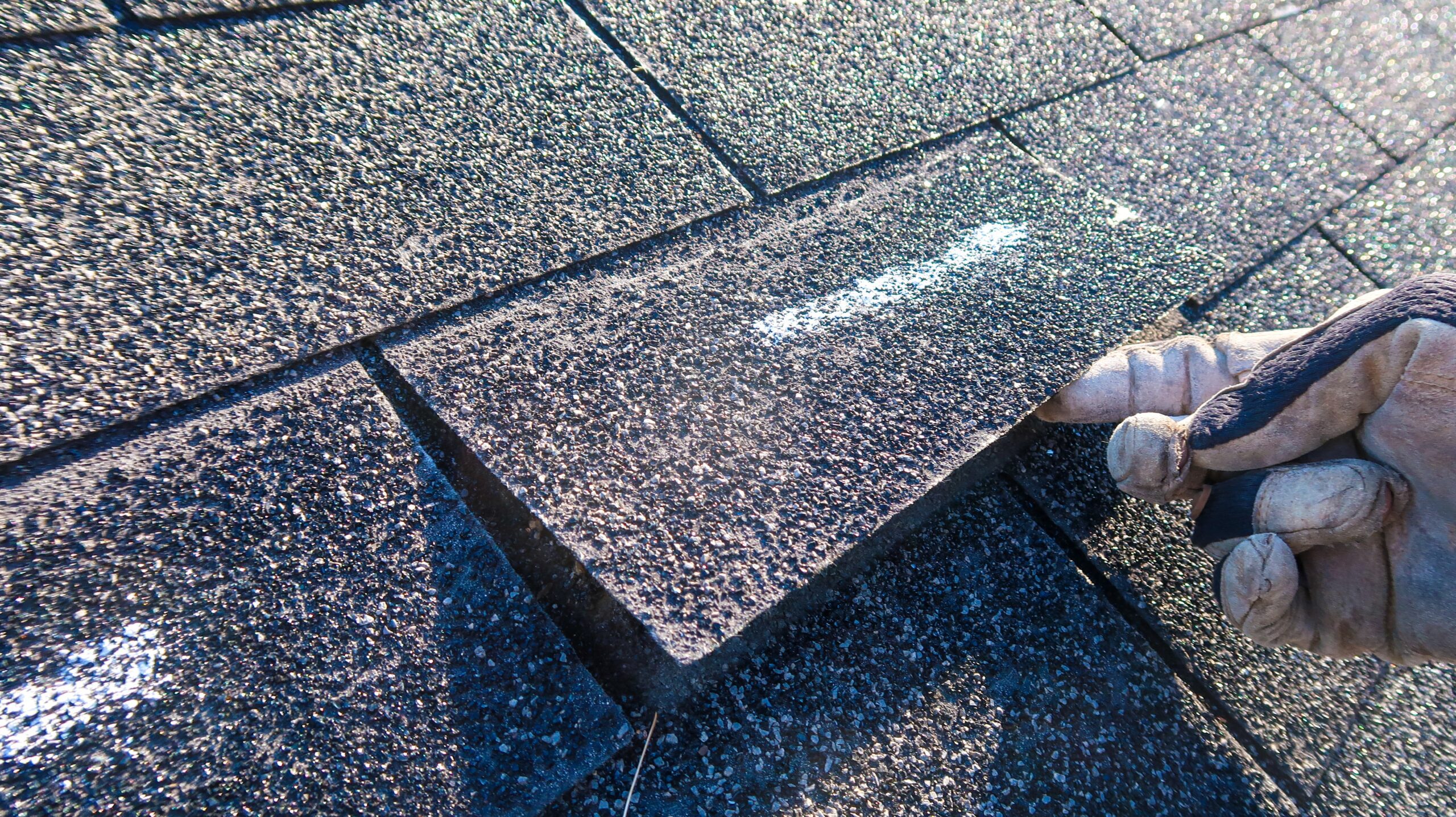
This warranty comes directly from the company that made the shingles, underlayment, and other roofing components. It covers defects in the materials themselves. For example, if a batch of shingles was produced with a flaw that causes them to crack or lose their protective granules prematurely, this warranty would cover the cost of the replacement materials.
- Prorated vs. Non-Prorated: Many basic material warranties are prorated , meaning their coverage value decreases over time. A non-prorated period, often found in better warranties, offers full replacement value for a set number of years before the prorated schedule kicks in.
- "Lifetime" Warranties: The term "lifetime" can be misleading. It usually refers to the length of time the original homeowner owns the house, and it is almost always prorated after an initial period. It does not mean the roof is guaranteed to last for your entire life.
Workmanship or Labor Warranties
This warranty is offered by your roofing contractor and covers the installation itself. If a leak occurs due to a mistake made during installation—like improperly installed flashing or poorly fastened shingles—the workmanship warranty covers the cost of the labor, materials, and damage required to fix the error. The length of a workmanship warranty is a strong indicator of a contractor’s confidence in their crew’s skills. These can range from just a couple of years to a lifetime guarantee.
Extended and Transferable Warranties
Top-tier manufacturers often offer extended warranties that bundle material and workmanship coverage under a single, more robust plan. These premium warranties are typically only available through certified contractors and may cover both the replacement materials and 100% of the labor costs for an extended period.
A transferable roof warranty is a valuable feature if you plan to sell your home. It allows you to transfer the remaining warranty coverage to the new owner. This can be a powerful selling point, giving potential buyers the same peace of mind you have. Be sure to check the details, as some warranties allow for one transfer, while others have specific procedures or small fees to complete the process.
What’s Covered and What’s Not
Every warranty has limitations. Knowing what is and isn’t covered is crucial to avoid surprises down the line.
Common Warranty Inclusions and Exclusions
Typically Included:
- Manufacturing defects that cause shingles to fail within the warranty period.
- Leaks caused by improper installation (covered by the workmanship warranty).
- Wind damage up to a specified speed (e.g., 130 mph), provided the shingles were installed correctly.
Common Exclusions:
- Damage from "acts of God" like tornadoes, hurricanes, or unusually severe hailstorms. This is what your homeowner’s insurance is for.
- Damage caused by falling trees or flying debris.
- Leaks caused by other components, like a failing satellite dish mount that someone else installed.
- Damage resulting from a lack of routine maintenance.
- Alterations made to the roof by another contractor after the initial installation.
How Maintenance Affects Your Coverage
Most roofing warranties require you to perform reasonable maintenance. Neglecting your roof can void your coverage. This doesn’t mean you need to be a roofing expert, but it does mean taking simple steps like:
- Keeping gutters clean so water can drain properly.
- Removing leaves and debris from the roof surface.
- Having the roof inspected periodically, especially after a major storm.
Failing to maintain your roof can lead to problems that the manufacturer or contractor will not cover. Documenting any professional maintenance you have done is always a good idea.
The Fine Print Homeowners Often Overlook
It’s tempting to file away a warranty without reading it, but the details matter. Look for clauses related to:
- Claim Procedures: There is a specific process for filing a claim. You usually need to notify the contractor or manufacturer in writing within a certain timeframe.
- Transferability Rules: If you want to transfer your warranty, what steps do you need to take? Is there a deadline or a fee?
- Proration Schedule: When does the non-prorated period end, and how quickly does the coverage value decrease after that?
Galleries
Featured Work
Need proof of our skills? Check out our recent roof and gutter work!
What Sets the Best Roofing Companies Apart
Any company can say they offer a warranty. The best companies prove it with their actions, partnerships, and transparency.
Offering Transparent, Written Warranty Terms
A top-tier roofer will provide you with clear, written copies of both their workmanship warranty and the manufacturer’s material warranty. They will take the time to explain the key terms, coverage details, and limitations. There should be no vague promises or verbal agreements—everything should be documented in your contract.
Partnering with Top Manufacturers Like GAF or Owens Corning
Leading manufacturers are selective about who they partner with. To become a certified installer for brands like GAF or Owens Corning, a contractor must prove they are licensed, insured, financially stable, and committed to ongoing professional training. This partnership allows them to offer the strongest extended warranties, giving you an extra layer of protection backed directly by the manufacturer.
Registering Warranties Properly for Full Coverage
This is a critical step that some contractors skip. For a manufacturer’s warranty to be fully valid, the roofing system must be registered with them shortly after installation. The best contractors handle this process for you as part of their service. They ensure all the paperwork is filed correctly so your investment is protected from day one. Always ask for confirmation that your warranty has been registered.
How to Compare Roofing Warranties Before Hiring
When you’re reviewing proposals from different roofers, don’t just compare the total price. Compare the warranties side-by-side.
Reading the Details and Asking the Right Questions
Create a simple checklist to compare the warranties from each contractor you’re considering. Ask questions like:
- What is the length of the workmanship warranty?
- Is the material warranty prorated or non-prorated? For how long?
- What wind speed is covered?
- Is the warranty transferable to a new owner? What is the process?
- Who do I call if I have a problem—you or the manufacturer?
- Will you register the warranty for me, and will I receive proof?
How to Verify Warranty Registration and Validity
Once your roof is installed, your contractor should provide you with a certificate or registration number. You can often use this number to verify your warranty directly on the manufacturer’s website or by calling their customer service line. This step gives you absolute certainty that your roof is covered.
What to Do If a Roofer Refuses to Offer a Warranty
This is a major red flag. If a contractor is unwilling to provide a clear, written workmanship warranty, walk away. It suggests they are not confident in their own work or that they don’t plan to be around to service it. A quality roofer will always stand behind their installation with a solid guarantee.
Final Thoughts: Choose Roofers Who Stand Behind Their Work
A new roof is more than shingles and nails—it’s a system designed to protect your home for decades. A strong warranty is an integral part of that system. It reflects a contractor’s commitment to excellence and provides you with the security of knowing your investment is safe.
When choosing a roofer in Columbia , look beyond the initial cost and consider the long-term value. A company that offers transparent, robust warranties and partners with top manufacturers is telling you that they are dedicated to quality.
If you have questions about roofing warranties or would like to discuss the protection plans we offer, schedule a complimentary site visit with us. We’ll be happy to review all the options with you in writing, with no pressure, so you can make the best choice for your home.