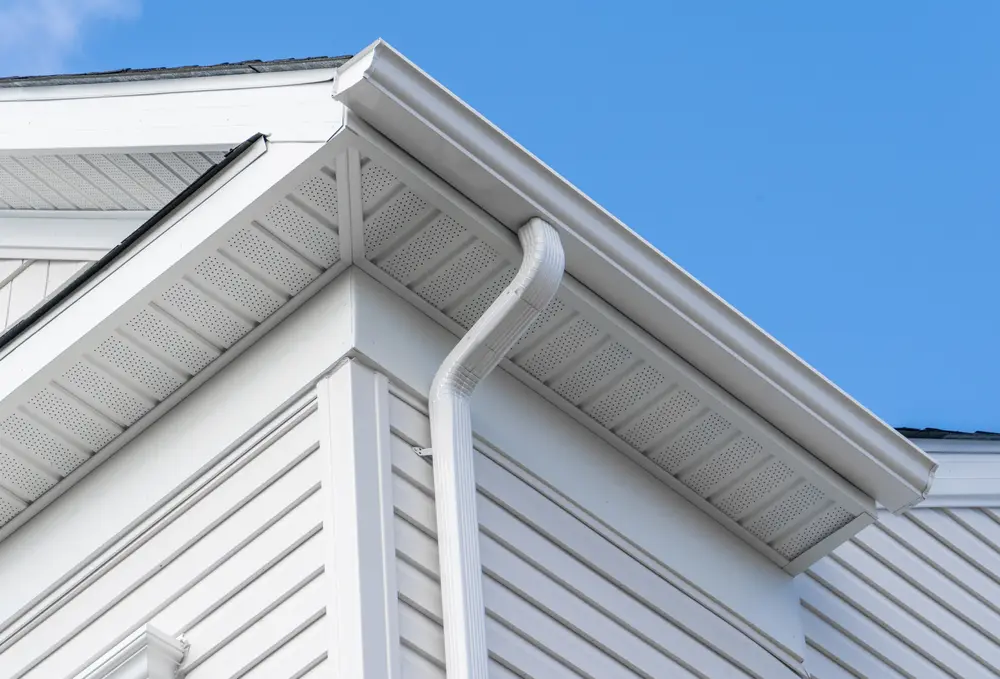
Your home’s gutter system is its first line of defense against water damage. When functioning correctly, gutters collect rainwater from your roof and channel it safely away from your foundation, siding, and landscaping. However, an improperly installed gutter system can fail at this crucial task, leading to a host of expensive and frustrating problems. Many homeowners don’t realize their gutters were installed incorrectly until significant damage has already occurred.
Recognizing the subtle and overt signs of a faulty installation is key to protecting your property. From visible sagging to hidden leaks, the evidence of a poor installation job can manifest in numerous ways. Understanding these signs allows you to take corrective action before minor issues escalate into major structural damage. This guide will walk you through the most common indicators of incorrect gutter installation, explain the potential consequences, and highlight how professional services can provide a lasting solution. Protecting your home starts with ensuring every component, especially your gutters, is installed with precision and expertise.
The Critical Role of Proper Gutter Installation
Before we explore the signs of a bad installation, it’s important to understand why getting it right from the start is so vital. A properly installed gutter system is custom-fit to your home’s unique specifications. It accounts for the pitch of your roof, the average rainfall in your area, and the specific layout of your property. The goal is to create a seamless water management system that protects your home from top to bottom.
When installed by professionals, gutters do more than just catch rain. They:
- Protect Your Foundation: By directing water away from the base of your home, gutters prevent soil erosion and water infiltration that can crack or weaken your foundation.
- Safeguard Your Siding and Fascia: A functional system prevents water from running down your walls, which can cause rot, staining, and deterioration of your siding, fascia, and soffits.
- Prevent Basement Flooding: Channeling water away from the perimeter of your house is the most effective way to keep your basement or crawl space dry.
- Preserve Your Landscaping: Controlled water flow prevents torrents of rain from washing away topsoil, mulch, and plants in your garden beds.
A flawed installation undermines all these benefits. It can turn a system designed for protection into one that actively causes harm. At Cola City Roofing , we have seen firsthand how a shoddy installation can lead to thousands of dollars in repairs. That’s why we emphasize the importance of getting the job done right the first time.
1. Visible Sagging and Gaps
One of the most obvious signs of an incorrect gutter installation is visible sagging. Walk around your property and look up at the gutter lines. They should appear straight and securely attached to the fascia board. If you notice sections that are pulling away from the roofline or bowing in the middle, you have a problem.
What Causes Sagging Gutters?
Sagging is typically a result of one or more installation errors:
- Insufficient or Improperly Spaced Hangers: Gutters are held in place by hangers or brackets. These need to be spaced correctly—usually every 24 to 36 inches, depending on the material and local climate—to support the weight of the gutter, especially when it’s full of water and debris. If an installer cuts corners by using too few hangers or spacing them too far apart, the gutter will sag under its own weight.
- Wrong Type of Hangers: Different gutter systems require specific types of hangers. Using weak or incorrect brackets for the gutter material can lead to failure.
- Damaged Fascia Board: Hangers are attached to the fascia, the longboard that runs along the lower edge of the roof. If the fascia was already rotted or damaged, it cannot provide a secure anchor for the hangers, causing the entire system to pull away. A professional installer should inspect and, if necessary, repair the fascia before installing new gutters.
Consequences of Sagging Gutters
A sagging gutter is more than just an eyesore. The bowed section becomes a low point where water and debris collect. This standing water is heavy, causing the gutter to sag even more over time. Eventually, the section may collapse, potentially damaging the roof edge, siding, and anything below it. Furthermore, the collected water can overflow, sending water down your walls and creating pools near your foundation—the very problems gutters are meant to prevent.
If you see gaps between the gutter and the fascia board, it’s a clear sign that the system is failing. Don’t wait for it to get worse. A professional can assess whether the issue can be fixed by adding more hangers or if a full replacement is needed. For an expert evaluation, consider our gutter repair services .
2. Improper Slope or Pitch
For a gutter system to work, it must be angled slightly toward the downspouts. This angle, known as the slope or pitch, is what allows gravity to do its job and drain the water away. The ideal slope is subtle—typically about a quarter-inch of drop for every 10 feet of gutter. While it might not be noticeable to the naked eye, its absence certainly is.
How to Spot an Improper Slope
The most common sign of improper pitch is standing water. After a rainstorm, check your gutters. If you see pools of water that haven’t drained hours or even days later, it means the slope is incorrect. The water is sitting in a low spot instead of flowing to the downspout.
Another sign is water overflowing from the middle of a gutter run during a storm. This happens when the gutter is pitched away from the downspout or is completely level, causing water to back up and spill over the side. You might also notice mud, shingle grit, or other debris collecting in certain spots, which indicates that water is not effectively flushing the system.
Why an Incorrect Slope Is a Major Problem
Standing water is the enemy of any gutter system.
- Breeding Ground for Pests: Stagnant water is an ideal breeding ground for mosquitoes and other insects.
- Corrosion and Rust: If you have metal gutters, standing water will accelerate rust and corrosion, leading to leaks and premature failure.
- Added Weight: The weight of the trapped water and debris puts constant strain on the hangers and fascia, contributing to sagging.
- Ice Dams in Winter: In colder climates, standing water can freeze, creating heavy ice dams that can bend or break the gutters and cause water to back up under your roof shingles.
Correcting the pitch of a gutter system requires detaching the hangers and carefully re-angling the sections. This is a precise job that is best left to professionals. A poorly executed adjustment can make the problem worse or create new issues.
3. Water Damage to Fascia, Soffit, and Siding
Your fascia boards, soffits (the underside of the roof’s overhang), and siding are not designed to be in constant contact with water. If your gutters were installed incorrectly, these areas are often the first to show signs of damage.
Telltale Signs of Water Damage
- Peeling Paint or Stains: Look for peeling or bubbling paint on the fascia boards directly behind or below the gutters. Dark streaks or water stains are also a red flag. This indicates that water is either overflowing or leaking from the back of the gutter.
- Rotting Wood: If the problem persists, the wood will begin to rot. You can test for this by carefully poking the fascia or soffit with a screwdriver. If the wood is soft and spongy, you have rot. Rotted fascia cannot support the weight of the gutters, leading to sagging and eventual collapse.
- Mold and Mildew Growth: Dark spots of mold or mildew on the siding, soffits, or near the roofline are a sign of excess moisture. This is often caused by overflowing gutters or leaks.
Installation Errors That Cause This Damage
This type of water damage is frequently caused by a few key installation mistakes.
- No Drip Edge: A drip edge is a metal flashing installed under the roofing shingles and over the gutter. It ensures that water flows from the roof directly into the gutter, not behind it. If a drip edge was omitted during installation, water can run down the fascia board, causing rot and decay.
- Gutter Positioned Too Low or Too Far: The placement of the gutter in relation to the roof edge is critical. If it’s installed too low, water can overshoot it during heavy rain. If it’s too far from the roof edge, water will run behind it.
- Leaks at Seams and End Caps: Sectional gutters are pieced together, creating seams that must be properly sealed. If the installer used poor-quality sealant or applied it incorrectly, these seams will leak, dripping water onto the structures below.
Fixing rotted fascia and soffits can be a complex and expensive job. It often requires removing the gutters, replacing the damaged wood, and then properly reinstalling the gutter system. This is why a professional gutter installation service is a wise investment.
4. Pooling Water Around Your Foundation
One of the primary functions of a gutter system is to protect your home’s foundation. If you notice water pooling in the soil near your house or see signs of erosion, your gutters are not doing their job.
What Causes Water to Pool?
Several installation errors can lead to water collecting around your foundation:
- Improperly Placed or Missing Downspouts: A home needs an adequate number of downspouts to handle the volume of water coming off the roof. An installer who uses too few downspouts will cause the system to be overwhelmed during heavy rain, leading to overflows.
- Downspouts Terminating Too Close to the House: Building codes typically require downspouts to discharge water at least four to six feet away from the foundation. If the downspout elbows simply dump water at the base of your wall, it will saturate the soil and seep into your foundation.
- Incorrect Splash Blocks or Extensions: Splash blocks should be positioned to direct water away from the house. If they are angled incorrectly or if downspout extensions are missing, the water will end up right where you don’t want it.
The Dangers of Foundation Water Damage
Water pooling around your foundation is a serious issue that can lead to catastrophic problems.
- Foundation Cracks: Saturated soil expands and contracts, putting immense pressure on your foundation walls. This can lead to cracks, compromising the structural integrity of your entire home.
- Basement or Crawl Space Flooding: The excess water will eventually find its way into your basement or crawl space through cracks, joints, or porous concrete. This can lead to property loss, mold growth, and a chronically damp environment.
- Structural Settling: Over time, the soil erosion caused by uncontrolled water flow can cause parts of your foundation to settle or sink, leading to uneven floors, sticking doors, and cracks in your drywall.
If you see water accumulating near your foundation, immediate action is required. A professional can assess your downspout placement and extensions to ensure water is being channeled to a safe location. For a comprehensive solution, it’s best to contact us for an expert consultation.
5. Leaks and Drips
Gutters should be a closed system. Aside from the downspout opening, water should not be escaping from anywhere else. If you notice drips or streams of water coming from your gutters during or after a rainstorm, it’s a clear sign of a problem that often traces back to the installation.
Common Locations for Leaks
- Seams: In sectional gutter systems, the joints where two pieces connect are the most common failure point. If the sealant was not applied correctly or has degraded, these seams will leak.
- End Caps: Each gutter run is capped at the end. These caps must be sealed securely to prevent water from dripping out.
- Corners: Miters, or corner pieces, are another frequent source of leaks if not sealed with precision.
- Hanger Penetrations: The screws or nails used to attach hangers create small holes in the gutter. While usually not a major source of leakage, if fasteners are driven incorrectly or become loose, they can create drip points.
Why Do New Gutters Leak?
Leaks in a relatively new gutter system are almost always due to poor workmanship. An installer might have rushed the job, used cheap or insufficient sealant, or failed to properly clean and prepare the surfaces before applying the sealant. Over time, the expansion and contraction of the metal with temperature changes will cause these weak points to fail.
While a small drip might seem insignificant, it can lead to bigger problems. A persistent leak can saturate the ground below, contributing to foundation issues. It can also cause staining on your siding, patio, or walkway. Furthermore, a leak is an indication that the system is compromised and may have other hidden flaws. Addressing leaks promptly with professional gutter repair services can prevent them from worsening.
6. Incorrect Gutter Material or Size
Not all gutters are created equal. The right material and size for your home depend on factors like your local climate, roof size, and aesthetic preferences. An installer who uses undersized gutters or inappropriate materials is setting you up for failure.
Undersized Gutters
The most common gutter size for residential homes is 5 inches, but homes with large or steep roofs may require 6-inch gutters to handle the greater volume of water. An installer who puts 5-inch gutters on a house that needs 6-inch ones is creating a system that will be constantly overwhelmed. During a heavy downpour, the gutters will overflow simply because they can’t handle the amount of water coming off the roof. This leads to all the associated problems of water damage to the fascia, siding, and foundation.
Inappropriate Materials
Gutters come in various materials, including aluminum, vinyl, steel, and copper. While aluminum is the most common due to its balance of cost and durability, an installer might use cheap, thin-gauge aluminum or low-quality vinyl to cut costs. These materials are more susceptible to denting, cracking, and damage from ladders or severe weather. A professional installer will recommend the right material and gauge (thickness) for your specific needs and budget, ensuring a long-lasting system.
The Cola City Roofing Solution
Seeing any of these signs can be disheartening, especially if you recently paid for a new gutter installation. The good news is that all of these problems are correctable. At Cola City Roofing, we specialize in both professional gutter installation and expert gutter repair .
Our process begins with a thorough inspection. We don’t just look at the gutters; we assess the entire system, including the fascia, soffits, and roofline. We identify the root cause of the problem, whether it’s improper slope, insufficient hangers, or poor sealing.
Our experienced team can:
- Correct the Slope: We can re-pitch your existing gutters to ensure proper water flow and eliminate standing water.
- Reinforce the System: We can add the correct type and number of hangers to fix sagging and ensure your gutters are securely attached to your home.
- Repair Leaks: We use high-quality sealants to professionally seal seams, end caps, and corners, stopping leaks for good.
- Replace Damaged Components: We can replace rotted fascia boards and damaged gutter sections to restore the integrity of your system.
- Install a New System: If your current gutters are beyond repair or were incorrectly sized from the start, we can design and install a new, high-performance gutter system tailored to your home.
Your home is your most valuable asset. Don’t let a faulty gutter installation compromise its safety and value. If you suspect your gutters were installed incorrectly, don’t wait for the damage to spread. Contact Cola City Roofing today for a free, no-obligation consultation. We’ll provide an honest assessment and a clear plan to ensure your home is protected for years to come.