Your roof is the first line of defense against the elements, quietly protecting your home and family day in and day out. Because it’s always overhead, it’s easy to forget about until a problem—like a leak—forces you to pay attention. But what if you could catch issues before they turn into expensive water damage? Spotting roof trouble early is the key to a healthy home and peace of mind. This guide will walk you through how to identify warning signs from the safety of the ground, what to look for inside your house, and when it’s time to call in a professional for a closer look .
Why Early Detection of Roof Damage Matters
Noticing a small roofing issue today can save you from a major headache tomorrow. Think of it like a regular health check-up; it’s about prevention, not just reaction. The benefits of catching roof damage early extend far beyond just fixing a few shingles.
Preventing costly repairs
The difference in cost between a minor repair and a major one can be staggering. A few loose shingles or a piece of cracked flashing might be a simple, affordable fix. However, if that small entry point allows water to seep in for months, it can rot the underlying wood decking, ruin insulation, and damage drywall inside your home.
What starts as a minor issue can quickly spiral into a multi-thousand-dollar project involving roofers, painters, and drywall contractors. Early detection contains the problem, keeping repairs localized, manageable, and much less expensive. It stops the chain reaction of damage before it can start.
Protecting your home’s structure
Your roof does more than keep you dry; it’s an essential part of your home’s structural integrity. When water gets past the shingles, it soaks into the roof deck, rafters, and ceiling joists. Over time, this moisture can cause wood to weaken, swell, and rot.
This slow, silent damage compromises the very frame of your house. It can lead to sagging ceilings and, in extreme cases, structural failure. Furthermore, persistent moisture creates the perfect environment for termites and other wood-destroying insects. By inspecting your roof regularly , you are actively preserving the strength and stability of your entire home, from the rafters down to the foundation.
Galleries
Featured Work
Need proof of our skills? Check out our recent roof and gutter work!
Visual Signs of Roof Damage
You don’t need to be a roofing expert to spot many common signs of trouble. Most initial inspections can be done safely from your yard. Grab a pair of binoculars and take a slow walk around your property, paying close attention to these key indicators.
Cracked, curling, or missing shingles
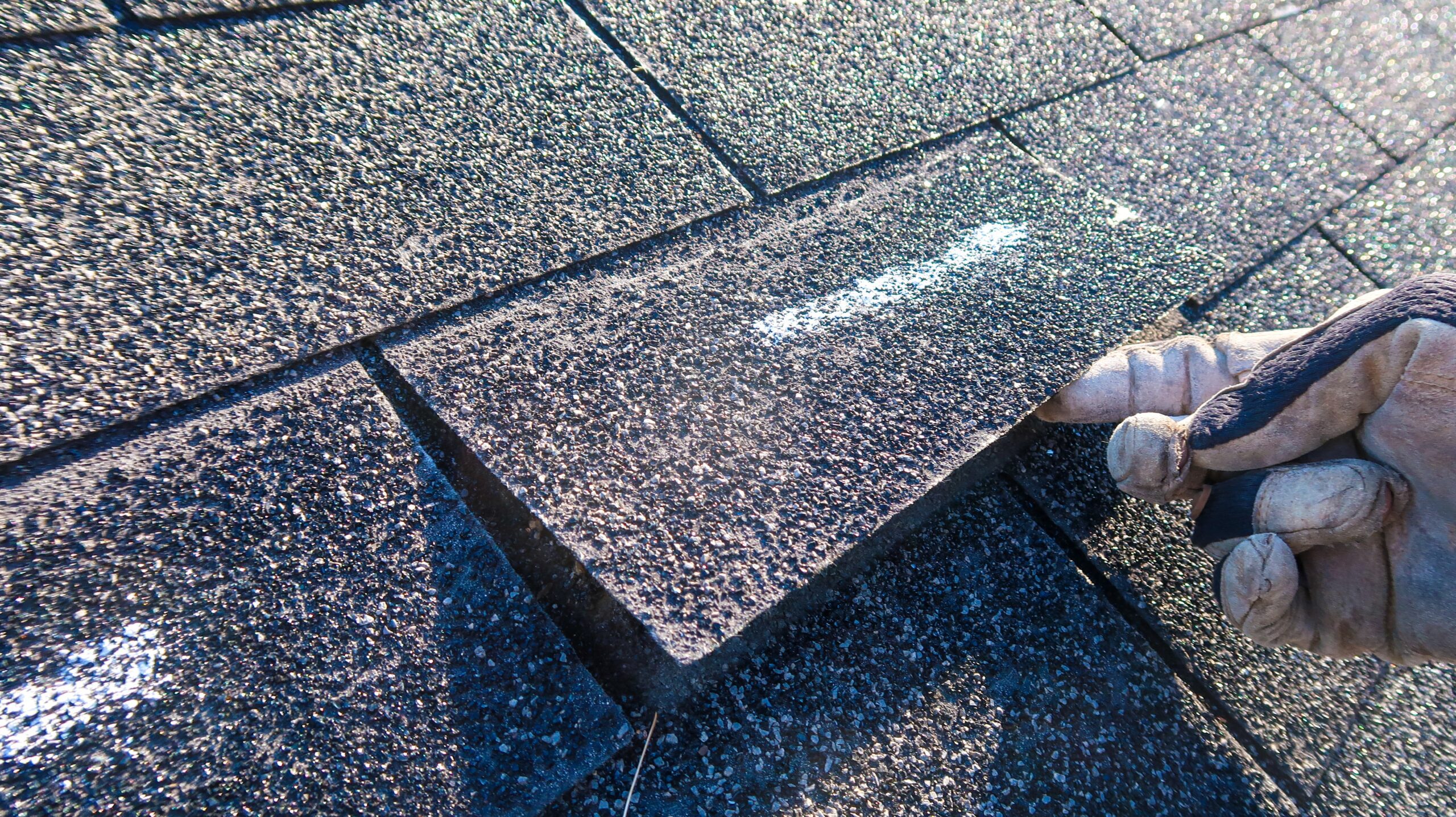
Your shingles are the armor of your roof. When they start to fail, your home becomes vulnerable. South Carolina’s intense summer sun and high humidity can take a toll, causing asphalt shingles to age and break down.
- Cracked Shingles: Look for fine, hairline cracks or larger, more obvious splits. Cracks are entry points for water, especially during heavy rain.
- Curling or Clawing Shingles: When the edges of your shingles start to curl upwards or the corners lift, it’s a sign they are past their prime. This warping breaks the seal between shingles and makes them susceptible to being torn off by wind.
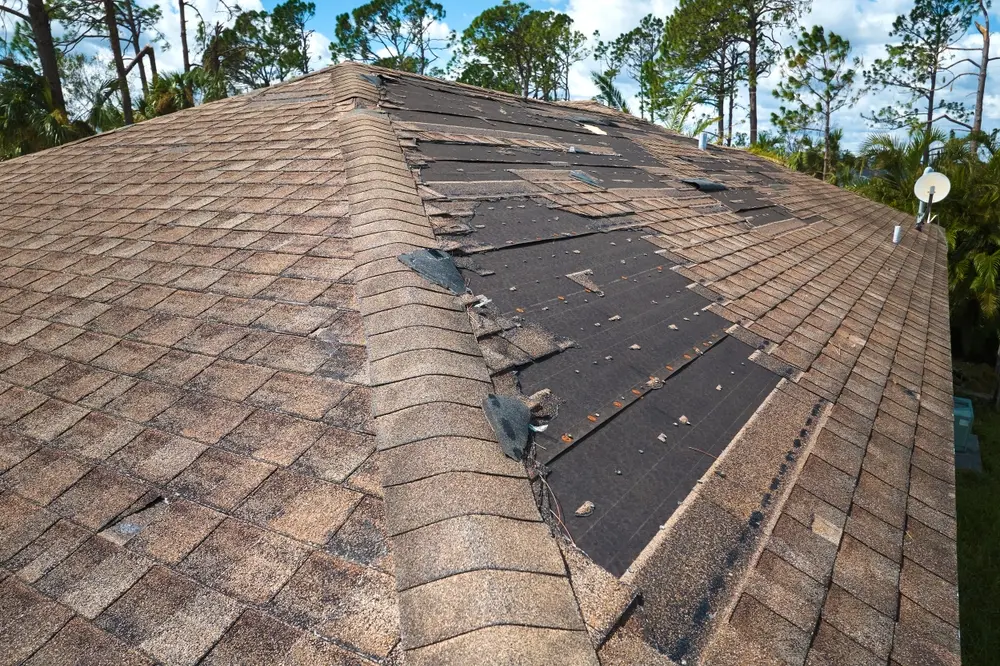
- Missing Shingles: This is an obvious red flag. A missing shingle exposes the underlayment or roof deck directly to the elements, creating an immediate leak risk. Pay special attention after strong storms or high winds.
Discoloration, streaks, and moss growth
The color and texture of your roof can tell you a lot about its health. Changes in appearance often point to underlying moisture issues that need to be addressed.
- Dark Streaks: Those long, black streaks you see on many roofs are actually a type of algae called Gloeocapsa magma. While mostly a cosmetic issue, heavy buildup can trap moisture against the shingles, shortening their lifespan.
- Moss Growth: Moss looks like a green, fuzzy carpet and is a much more serious problem than algae. It holds a significant amount of water like a sponge, keeping your shingles constantly damp. This accelerates wear and can even lift shingles, allowing water to get underneath. In our humid climate, moss can take hold quickly.
- Discoloration or "Wet" Spots: If an area of your roof looks dark, damp, or discolored long after a rainstorm, it indicates that the shingles in that section are trapping moisture. This could be due to granule loss or a slow, underlying leak.
Sagging or uneven roof surfaces
A healthy roof should have straight, even lines. Any dips, depressions, or wavy spots are serious warning signs that demand immediate attention. A sagging roofline often points to a structural problem with the roof deck or the supporting rafters. This is usually caused by prolonged water absorption, which has led the wood to rot and lose its strength. If you notice any sagging, do not walk on the roof. This is a job for a professional inspector , as the area may be unsafe.
Signs Inside Your Home
Sometimes, the first clues of roof damage appear inside your house. These signs mean water has already found a way through your roof’s defenses. Acting quickly is crucial to minimize interior damage.
Water stains on ceilings or walls
Those yellowish-brown circles or streaks on your ceiling are the classic calling cards of a leak. They can be small and easy to miss at first, but they tend to grow or darken over time, especially after it rains.
Check common areas where leaks appear:
- Around ceiling fans, light fixtures, and bathroom vents.
- In the corners where the ceiling meets the wall.
- In closets, where they can be hidden from daily view.
- In your attic, look for water stains on the underside of the roof decking or on the insulation.
Dripping water or leaks
An active drip is an undeniable sign of a roof leak. It’s a five-alarm fire for your home. The moment you see or hear dripping, your first priority is to limit the damage. Place a bucket under the drip to catch the water and protect your floors. If the water is bulging behind paint on the ceiling, carefully puncture the center of the bulge with a small pin to release the water in a controlled stream into your bucket. This prevents the drywall from becoming saturated and collapsing. Once you’ve managed the immediate issue, the next step is finding the source.
Mold or mildew formation
Where there is persistent moisture, mold and mildew are sure to follow. These fungi can appear as black, green, or gray splotches and often come with a musty, earthy smell. You might find them in the corners of rooms, in closets, or spreading from the ceiling. Mold is more than just an ugly stain; it can pose health risks, especially for individuals with allergies or respiratory conditions. The presence of mold on an interior wall or ceiling is a strong indicator of a long-term moisture problem that could be originating from your roof.
Inspecting Roof Flashing and Gutters
Shingles cover the main surfaces, but the most vulnerable spots on your roof are where surfaces meet. Flashing and gutters are designed to manage water in these tricky areas, and their failure is a common cause of leaks.
Damaged or loose flashing
Flashing is the thin metal material installed around chimneys, skylights, vents, and in roof valleys. Its job is to create a waterproof barrier at these joints. When flashing fails, it provides a direct path for water to enter your home.
Look for flashing that is:
- Cracked or Rusted: Older flashing can deteriorate over time, developing cracks or rust spots that allow water to seep through.
- Loose or Pulled Away: The sealant around flashing can dry out and crack, causing the metal to pull away from the roof or chimney. This creates a significant gap for water intrusion.
- Missing: Just like a missing shingle, a missing piece of flashing is an emergency that needs to be addressed immediately.
Clogged or damaged gutters
Your gutters are essential for channeling thousands of gallons of water away from your home each year. When they don’t function properly, that water ends up where it shouldn’t be. Clogged gutters —full of leaves, pine straw, and shingle granules—cause water to back up and overflow. This water can spill over the front, eroding your landscaping, or worse, it can flow back toward the house, seeping under the roof edge and rotting the fascia board and roof decking.
Signs of water pooling or misdirected runoff
Take a look at your gutters during a rainstorm. Is water flowing freely out of the downspouts, or is it spilling over the sides? After the rain stops, check your foundation. Are there pools of water sitting near your home? This indicates your gutters are not effectively directing runoff away from the structure. Also, look for vertical streaks of dirt or "tiger stripes" on the outside of your gutters, which is a clear sign of persistent overflows.
Tools and Techniques for Safe Roof Inspections
Safety should always be your number one priority. Many potential issues can be identified without ever setting foot on a ladder. Here are a few ways to safely assess your roof’s condition.
Using binoculars for visual inspection
A good pair of binoculars is a homeowner’s best friend for roof inspections. From the ground, you can get a clear, close-up view of shingles, flashing, and other roof components. This allows you to spot cracked shingles, nail pops, and deteriorating sealant around vents without taking any personal risk. Move around your property to view the roof from different angles and distances.
Ladder safety tips
If you are comfortable using a ladder to get a closer look at your gutters or the edge of your roof, always follow strict safety protocols.
- Ensure the ladder is on firm, level ground.
- Maintain three points of contact at all times (two feet and one hand, or two hands and one foot).
- Extend the ladder at least three feet above the roofline if you plan to step onto it.
- Never stand on the top two rungs.
- Have someone spot you.
Walking on a roof is dangerous and not recommended for homeowners. A roof’s surface can be slippery, and a fall can cause serious injury.
Hiring a professional roofing inspector
The safest and most thorough way to understand your roof’s condition is to hire a professional . An experienced roofer knows exactly what to look for and can identify subtle signs of damage you might miss. They can safely walk the roof, check the integrity of the decking, inspect flashing up close, and provide a comprehensive assessment of your roof’s remaining lifespan. A professional inspection offers clarity and a reliable action plan.
Galleries
Latest Projects
Need proof of our skills? Check out our recent roof and gutter work!
Preventative Maintenance Tips to Avoid Leaks
A little proactive care goes a long way in extending the life of your roof and preventing leaks before they start.
Regular cleaning and debris removal
Keep your roof and gutters free of leaves, pine needles, and branches. Debris traps moisture and promotes the growth of algae and moss. At least twice a year—in the spring and fall—clean out your gutters to ensure water can flow freely. Trim any overhanging tree branches that could drop leaves or scrape against your shingles during high winds.
Seasonal roof inspections
Make a habit of inspecting your roof with the changing seasons.
- After Winter: Check for any damage caused by cold temperatures or winter storms.
- After Spring/Summer Storms: Look for missing shingles or other damage from high winds, hail, and heavy rain.
- In the Fall: This is the perfect time to clean gutters and prepare your roof for the coming winter.
A quick visual check from the ground after a major weather event can help you catch problems right away.
When to schedule professional repairs
While DIY inspections are great for spotting issues, repairs are best left to the professionals. You should call a trusted roofing company if you notice:
- Multiple missing or damaged shingles.
- Any signs of a sagging roof deck.
- Damaged or loose flashing.
- Active leaks or significant water stains inside your home.
Trying to perform repairs without the proper training and safety equipment can lead to further damage or personal injury.
Your roof is a complex system, and taking care of it is one of the most important things you can do as a homeowner. By learning to spot these early warning signs, you can protect your investment and ensure your home remains a safe, dry, and comfortable space for your family. If you’ve noticed any of these issues or simply want a professional opinion on your roof’s condition, feel free to schedule a complimentary site visit with our team . We’re here to help.