The skies over the Midlands can turn violent with little warning. For residents in Lexington County, Cayce, Orangeburg, and Sumter, the threat of tornadoes and microbursts is a serious reality. These powerful, localized weather events unleash destructive forces that can be catastrophic for a home’s roofing system. Unlike a typical thunderstorm, the rotational winds and intense downdrafts of a tornado or microburst can peel a roof back like a can opener, lift it entirely, or shatter it with high-velocity debris.
When this level of extreme weather strikes, the damage is rarely superficial. It often involves the structural skeleton of your home, making a swift, expert response absolutely critical. This guide explains the unique ways tornadoes and microbursts destroy roofs, outlines the immediate safety measures you must take, and details the professional emergency response process required to secure your home and begin the path to recovery.
For a complete overview of our storm restoration and insurance claim support services across South Carolina, visit our storm damage and insurance roofing services in South Carolina page.
The Brutal Physics of Tornado and Microburst Roof Damage
To understand the severity of the damage, it’s important to grasp the forces at play. Both tornadoes and microbursts create intense pressure differentials and violent air movement that attack a roof in ways other storms cannot.
- Tornadoes: A tornado’s rotating winds create a powerful vortex. As it passes over a home, the extreme low pressure at its center creates a massive upward suction force, literally trying to lift the entire roof structure off the walls.
- Microbursts: A microburst is a sudden, powerful downdraft of air that spreads out horizontally upon hitting the ground. This creates straight-line winds that can exceed 100 mph, hitting the side of a house and flowing up and over the roof, creating immense peeling forces at the edges.
These forces result in specific, devastating damage patterns.
Similar uplift forces occur during inland tropical systems, which we break down in our guide to hurricane and tropical storm roof protection and recovery for the Midlands.
Peel-Back and Uplift at Eaves and Ridges
The edges of your roof—the eaves (overhangs) and the ridge (the peak)—are the most vulnerable points. Wind gets underneath the overhang and creates a powerful lifting pressure. This force can rip off the starter course of shingles, fascia, and soffit panels, giving the wind an even stronger grip. It begins to peel back the roofing materials, often rolling up large sections of shingles, underlayment, and even the underlying plywood decking.
Decking Fastener Failure and Gable-End Collapse
Your roof’s wooden sheathing (or decking) is nailed to the underlying trusses or rafters. In extreme winds, the suction can be strong enough to pull the sheathing right off the fasteners. You might see large sections of the roof deck completely gone, exposing your attic to the sky. Gable-end roofs are particularly susceptible. The flat, triangular wall section of a gable end acts like a sail, catching the full force of the wind. A failure here can lead to a progressive collapse of the entire roof structure.
Projectile Debris and Structural Frame Damage
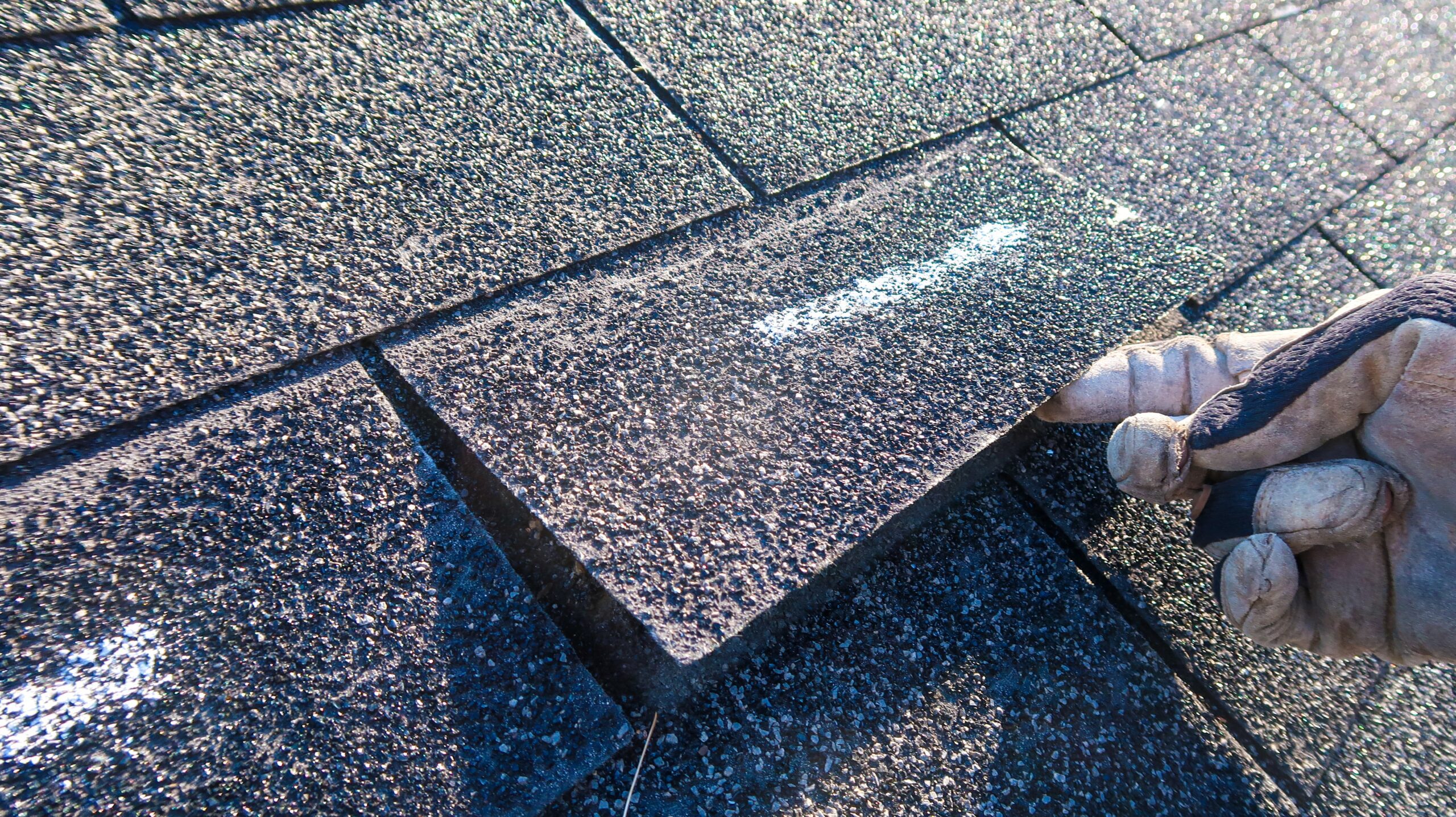
Tornadoes and microbursts turn everyday objects into high-speed projectiles. Tree limbs, patio furniture, and debris from other structures can be hurled at your home with enough force to puncture not just the shingles, but the roof deck and the structural trusses or rafters beneath. This type of impact compromises the very frame of your roof, requiring a much more complex repair and a thorough structural assessment.
Immediate Safety Checklist: After the Storm Passes
If a tornado or microburst has hit your area, your first priority is safety. The aftermath is a dangerous environment.
- Stay Away from Downed Power Lines: Treat every fallen wire as if it is live. Report them to your utility company immediately and keep a safe distance.
- Check for Gas Leaks: If you smell gas or hear a blowing or hissing noise, open a window and get everyone out of the house immediately. Call the gas company from a safe distance.
- Do NOT Go On Your Roof: A storm-damaged roof is structurally unsound. There could be weakened decking, exposed nails, and slippery surfaces. It is not safe for a homeowner to access.
- Conduct a Safe, Ground-Level Assessment: From the ground, walk the perimeter of your home. Look for obvious signs of major damage: Large sections of missing shingles or decking.
- Exposed attic space.
- Damage to the gable ends or roof structure.
- Fallen trees or large debris on the roof.
- Bent or missing roof vents, flashing, or gutters.
- Inspect Inside Your Home: Carefully check your attic (if it’s safe to do so) for any daylight showing through the roof. Look for water pouring in, broken rafters or trusses, and saturated insulation. Check all ceilings for signs of water damage.
- Document Everything: Take photos and videos of all damage from a safe distance. Capture wide shots of the house and close-ups of specific damage points. This documentation is vital for your insurance claim.
- Call for Professional Emergency Roof Repair: Contact a qualified, local roofing contractor with experience in catastrophic storm damage. Explain the situation clearly. You need a team that can provide immediate emergency tarping and site stabilization.
The Professional Emergency Response Workflow
When you call Cola City Roofing after a tornado or microburst, we initiate a multi-stage emergency response designed to secure your property and protect it from further harm.
Phase 1: Site Safety and Emergency Tarping
Our first crew on-site is focused on immediate mitigation.
- Site Safety Assessment: We first ensure the site is safe to work on, identifying any structural hazards or utility issues.
- Emergency Tarping or "Dry-In": Our primary goal is to get your home covered. For smaller punctures or sections of missing shingles, we will securely install heavy-duty tarps. For more catastrophic damage where large portions of the roof are gone, we may perform an emergency "dry-in." This involves fastening synthetic underlayment or tarps directly to the exposed roof trusses or remaining decking to create a temporary water-shedding surface. This is a critical step to prevent rainwater from destroying the interior of your home.
Phase 2: Structural Assessment and Engineering
Once the home is protected from the elements, the deep assessment begins. Tornado damage often goes beyond the roofing materials.
- Truss and Rafter Inspection: We meticulously inspect every rafter and truss in your attic for cracks, splits, or broken connections. A single compromised truss can affect the stability of the entire roof.
- Decking and Fastener Evaluation: We examine how the remaining roof decking is attached to the frame. We check for pulled fasteners and determine if the nailing pattern meets modern high-wind codes.
- Engaging a Structural Engineer: In cases of severe damage, such as a shifted roof frame or multiple broken trusses, it is often necessary (and required by insurance) to have a structural engineer conduct an assessment. They can provide a certified report on the home’s structural integrity and specify the necessary repairs to make it sound again.
Full Roof Replacement: The Inevitable Aftermath
With the level of devastation caused by tornadoes and microbursts, a simple repair is almost never an option. The widespread nature of the damage, from fastener failure in the decking to compromised structural members, means a full storm damage roof replacement for your Midlands SC home is the only way to ensure its long-term safety and integrity.
Insurance companies recognize this. When damage is this severe and widespread, they will approve a full replacement, including bringing the entire roofing system up to current local building codes, which may have changed since your home was built.
Building for the Storm: High-Wind Resilience Upgrades
When we replace a tornado-damaged roof, we don’t just put it back the way it was. We build it better and stronger, incorporating modern materials and techniques designed specifically for the high-wind conditions we face in the South.
- Six-Nail, High-Wind Nailing Pattern: Standard installations use four nails per shingle. For high-wind zones, we use a six-nail pattern, which can increase a shingle’s wind resistance by up to 20 mph.
- Reinforced Starter Strips: The eaves are a primary point of failure. We use special starter shingles with an enhanced asphalt sealant that creates a powerful bond, "locking down" the edge of the roof to prevent wind from getting a foothold.
- Impact-Rated Architectural Shingles: These heavier, multi-layer shingles not only have a higher wind warranty (often up to 130 mph) but also provide better resistance to impacts from flying debris.
- Sealed Roof Deck (Optional Upgrade): For maximum protection, some homeowners opt to have the joints of their roof decking taped with a special flashing tape before the underlayment is installed. This creates a waterproof seal at the deck level, providing a powerful secondary water barrier if the primary roofing is ever compromised.
- Upgraded Synthetic Underlayment: Unlike old-fashioned felt paper that can rip and tear in high winds, modern synthetic underlayment is incredibly strong and provides a superior secondary layer of protection.
Proactive reinforcement is especially important before hurricane season begins, which we outline in our guide on preparing your roof for hurricane season in Columbia, SC.
Navigating a Catastrophic Insurance Claim
A tornado claim is a "catastrophe" (CAT) claim, and it’s handled differently than a simple hail or wind claim. The scope is larger, the stakes are higher, and the process is more complex. Our expertise in insurance roof claim help in Columbia is invaluable here.
- Understanding Your Coverage: We help you understand your policy, including coverage for debris removal, code upgrades, and additional living expenses if you need to temporarily relocate.
- Documenting for a Full Replacement: We create an exhaustive documentation package, including photos, structural reports, and a detailed line-item estimate using the same software as insurance carriers (Xactimate). This ensures nothing is missed.
- Code Compliance Supplements: Local building codes change. Your insurance policy should cover the cost to bring your new roof up to current code standards (e.g., specific nailing patterns, drip edge requirements). We identify these necessary upgrades and file supplements to ensure they are covered.
- Advocating for You: After a disaster, you are under immense stress. We handle the back-and-forth with the insurance company, providing the documentation and justification they need to approve the full scope of work required to restore your home safely and correctly.
Frequently Asked Questions About Tornado & Microburst Damage
- My roof looks okay from the ground, but my neighborhood was hit. Should I be concerned? Yes. Microbursts in particular can cause significant uplift damage that isn’t visible from the ground. Fasteners can be pulled loose, and shingles can be creased, creating future leak points. A professional inspection is essential.
- The insurance company wants to just repair part of my roof. Is this okay? After a tornado or microburst, this is highly unlikely to be the correct course of action. The structural integrity of the entire system is often compromised. We would provide a professional opinion and evidence to the carrier explaining why a full replacement is necessary for the safety and longevity of your home.
- What is the difference between a tornado and a microburst? A tornado has rotating winds and is associated with a supercell thunderstorm. A microburst is a powerful straight-line wind event caused by a collapsing thunderstorm downdraft. Both can produce winds over 100 mph and cause catastrophic damage.
- How long will I be out of my house? This depends entirely on the severity of the damage. If there is no major structural damage, an emergency dry-in can be performed quickly, and you may not need to leave. If the roof structure is compromised and requires significant rebuilding, you may need to relocate for several weeks.
- How much does a full roof replacement after a tornado cost? The cost can vary dramatically based on the size of the home and the extent of structural repairs needed. However, in a catastrophic event like this, the cost should be covered by your homeowner’s insurance policy, less your deductible.
- My insurance adjuster’s estimate seems low. What do I do? Do not accept it without a second opinion. This is where we step in. We will perform our own detailed estimate and compare it to the adjuster’s. If their scope is incomplete, we will file a supplement with comprehensive evidence to get the additional funds approved.
- How long does the replacement process take? Once the insurance claim is approved and materials are available, a standard roof replacement can take 2-5 days. If structural repairs are needed first, the timeline will be longer. We will provide a clear project schedule once the full scope is determined.
Your Trusted Partner in a Time of Crisis
A tornado or microburst is one of the most stressful and traumatic events a homeowner can endure. In the chaotic aftermath, you need a partner who can bring order, expertise, and a steady hand to the recovery process. Cola City Roofing is that partner. We are experts in catastrophic storm restoration, providing the fast, professional emergency roof repair and replacement services you need. We handle the complexities of the structural assessments and the insurance negotiations so you can focus on your family.
If your home in Cayce, Sumter, Orangeburg, or anywhere in the Midlands has been struck by extreme weather, don’t wait. Contact us immediately.