In Columbia, we are used to the wind. Whether it’s a blustery afternoon storm in late summer or the remnants of a coastal hurricane pushing inland, the trees sway, the patio furniture slides around, and we generally just hunker down until it passes.
But once the wind dies down, there is often a nagging question for homeowners: "Did my roof hold up?"
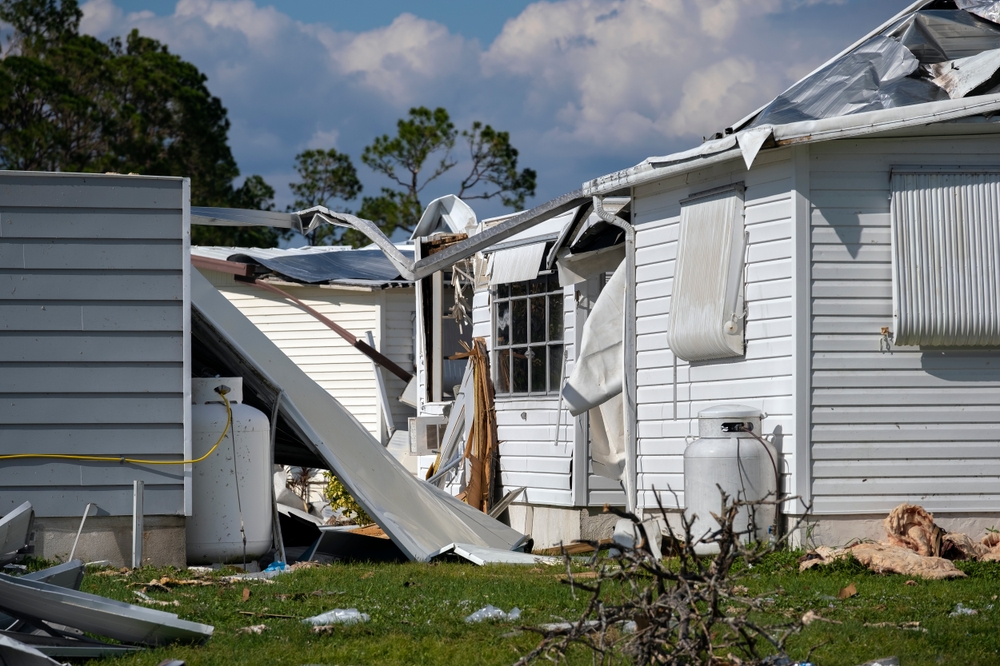
Unlike hail, which leaves subtle bruises that are hard to see from the ground, wind damage often leaves calling cards. You might find a shingle lying in the azalea bushes. You might see a piece of metal fascia hanging loose. Or, more worryingly, you might not see anything at all—even though the wind has compromised the seal that keeps your home dry.
At Cola City Roofing, we’ve seen what South Carolina winds can do to a roof. It isn’t always catastrophic, but it is almost always significant enough to warrant a closer look. This guide is designed to help you understand what wind does to your roofing system, how to spot the problems, and what steps you should take to protect your biggest investment.
Found Shingles in Your Yard? Here’s What That Means
It’s the most obvious sign of trouble. You walk out to get the mail the morning after a storm, and there it is: a rectangular piece of asphalt shingle lying on the grass.
Why Missing Shingles After a Storm Shouldn’t Be Ignored
Seeing a shingle in the yard is like seeing a "Check Engine" light on your dashboard. It’s a clear indicator that a system has failed.
Your roof is designed as a layered system. The shingles are the first line of defense, shedding water and protecting the underlayment and decking below. When a shingle blows off, that protective layer is broken. It exposes the vulnerable parts of your roof to UV rays, rain, and debris. Even one missing shingle creates a weak point where water can enter, travel along the decking, and eventually drip into your attic or walls.
Can Wind Damage a Roof Without Causing a Leak Right Away?
Yes, and this is where many homeowners get a false sense of security.
Just because you don’t have water dripping onto your kitchen table today doesn’t mean your roof is fine. When shingles are torn off or lifted, the synthetic underlayment or felt paper underneath might shed water for a little while. However, that material isn’t designed to be exposed to the sun or direct rain for long. It will eventually degrade, crack, and let water through.
Ignoring missing shingles after a storm is essentially setting a timer on a future leak. It might take weeks or months, but the water will find a way in.
How Wind Damaged Shingles Leave Your Roof Exposed
When a shingle rips off, it usually pulls the nails through the matting or tears away from the adhesive strip. This leaves open nail holes and exposed seams.
In Columbia, where we get frequent afternoon thunderstorms, water hits the roof with force. Without the shingle to deflect it, that water is driven directly into those nail holes. Over time, this saturates the wood decking, leading to rot that is much more expensive to fix than simply replacing the shingle would have been.
How High Winds Damage Roofs in the Midlands
You don’t need a Category 4 hurricane to see roof damage in the Midlands. Our local weather patterns are capable of generating wind speeds that test even the best roofing materials.
60 MPH Wind Roof Damage — Is That Enough to Cause Problems?
Most modern architectural shingles are rated for high winds, often up to 110 mph or more. However, that rating assumes the roof was installed perfectly and the adhesive seal is fully intact.
In reality, roofs age. As asphalt shingles get older, the adhesive strip that bonds them together can become brittle or weaken. When a gust hits 60 mph wind roof damage territory—which is common in a severe thunderstorm—it can be enough to break that seal. Once the wind gets underneath the shingle, it acts like a sail, lifting it up and bending it backward.
If your roof is older, or if the initial installation wasn’t top-tier, 60 mph winds are absolutely enough to cause issues.
Straight-Line Winds vs Tornado Winds in Columbia Area
We hear these terms on the news frequently.
- Straight-Line Winds: These are common in thunderstorms. The wind pushes in a single direction, often causing damage to the windward side of the roof (the side facing the storm). You might see a row of shingles peeled back like a banana.
- Tornado Winds: These are erratic and rotating. Even a small spin-up in areas like Lexington or Irmo can cause chaotic damage, ripping shingles off from multiple directions, twisting gutters, and snapping tree limbs that then fall onto the roof.
Understanding the difference helps us know where to look during an inspection. If it was straight-line wind, we focus heavily on the side of the house that took the brunt of the storm.
Why Severe Thunderstorms in South Carolina Lift Shingles
The unique thing about our storms is the updraft. Thunderstorms create rapid changes in air pressure. Strong updrafts can actually create suction over your roof. If the shingles aren’t securely sealed, this suction pulls them upward.
This movement breaks the sealant bond. Even if the shingle lays back down flat after the storm passes, the damage is done. The seal is broken, and the shingle is now "fluttering" in the breeze, waiting for the next storm to rip it off completely.
Roof Lifted Shingles: The Damage You Can’t Always See
This is the trickiest part of wind damage. A roof can look perfect from the street but be structurally compromised.
Can Wind Loosen Shingles Without Removing Them?
Absolutely. We call this "lifted" or "creased" shingles. The wind lifts the shingle up, but doesn’t tear it off. It flaps up, bends back, and then flops back down.
When you look up from the driveway, everything looks orderly. The shingles are all in place. But up on the roof, the story is different. The sealant strip is severed. The shingle is no longer bonded to the one below it. It is loose.
What “Lifted Shingles” Really Look Like
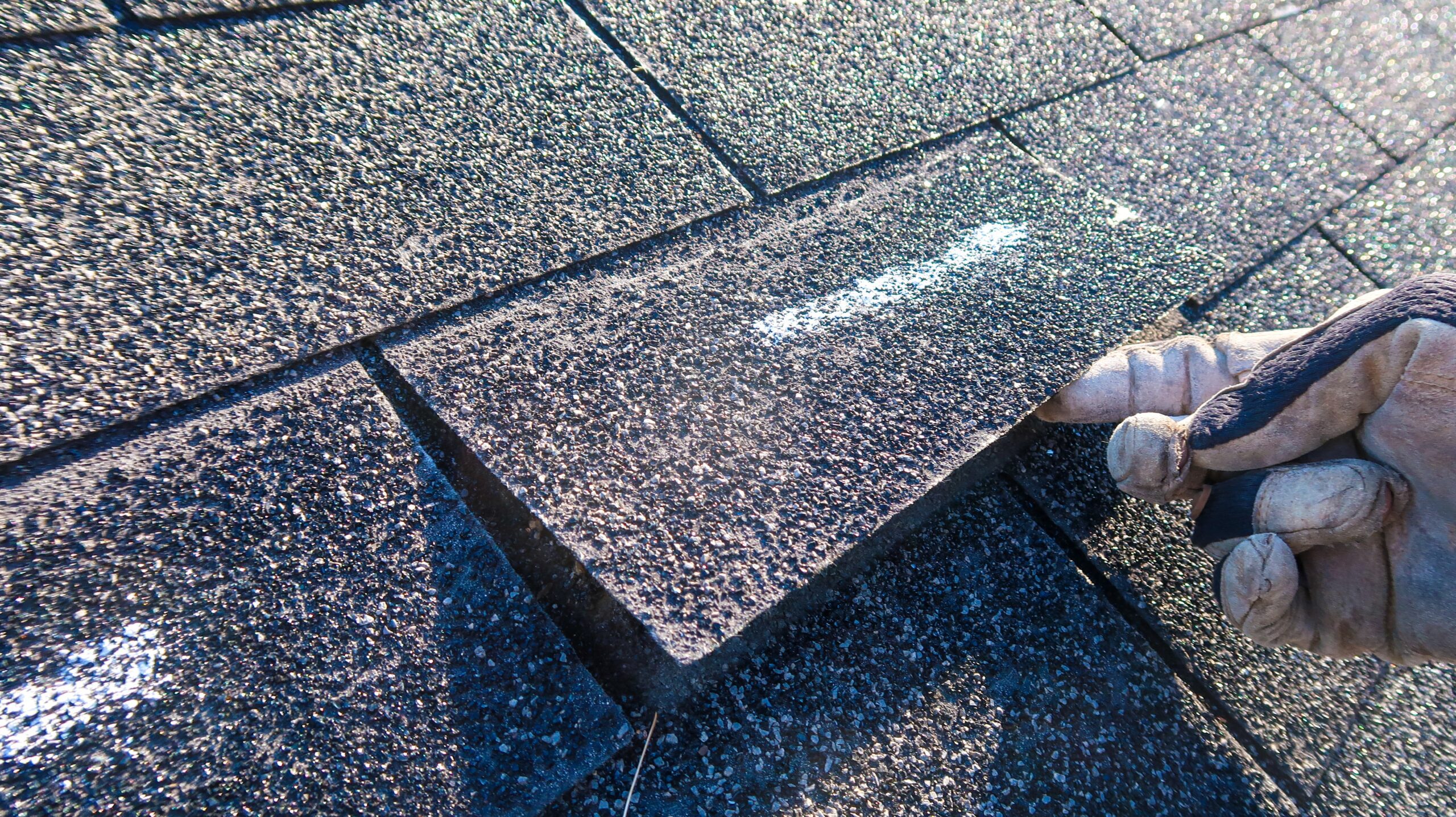
When we get up on a roof to inspect for roof lifted shingles , we look for a dark horizontal line across the top of the shingle, right near the nail line.
This line is a crease. It happens when the shingle bends backward so far that the fiberglass mat inside fractures and the granules on top pop off. It’s exactly like bending a credit card back and forth until you see a white stress line. That crease is a permanent failure point. The shingle has lost its rigidity and will eventually crack completely through.
Why Loose Shingles Often Lead to Progressive Water Damage
A loose shingle allows wind-driven rain to blow underneath it. The water gets trapped between the layers of roofing. Because the sun can’t reach it to dry it out quickly, the moisture sits there, degrading the nails and the underlayment.
This is hidden roof damage after wind storm events that leads to the slow, creeping rot we often find during renovations. By the time you see a stain on your ceiling, the decking underneath might have been wet for months.
Common Signs of Wind Damage Around Your Home
You don’t always need a ladder to spot potential issues. Sometimes, the evidence is right at eye level or just above your head.
Loose or Bent Roof Flashing
Flashing is the metal material used to seal joints—around your chimney, in the valleys where roof planes meet, and around vents.
Wind loves to grab the edges of flashing. If you look up at your chimney and see a piece of metal sticking out at an odd angle, or if the metal around a dormer window looks bent, wind has likely torn it loose. When flashing fails, water has a direct highway into your home’s structure.
Damaged Gutters After High Winds
Gutters act as a catch-all for roof debris. If high winds have struck your home, your gutters might show signs of stress.
- Pulling away: Strong gusts can pull gutters away from the fascia board.
- Debris: If your gutters are suddenly filled with leaves and branches, check to see if that debris caused any dents or cracks in the gutter system itself.
Granule Loss in Gutters After a Storm
If you check your downspouts after a storm and find a significant pile of ceramic granules (the sandpaper-like grit from your shingles), that’s a bad sign.
While hail knocks granules loose through impact, wind knocks them loose through friction. If shingles are flapping against each other, they grind the granules off. Granule loss in gutters indicates your shingles are physically wearing down and losing their UV protection.
Water Stains Appearing Days After a Windstorm
Sometimes, the sign isn’t outside; it’s inside. You might notice a faint yellow or brown ring on your ceiling or down a wall a few days after a storm.
Don’t ignore this. Water stains appearing days after a windstorm mean water has penetrated the roof, soaked through the insulation, and is now pooling on your drywall. It is an active leak that needs immediate attention.
When to Schedule a Roof Inspection After a Wind Storm
It’s easy to put off calling a roofer. We get it—nobody wants to deal with home maintenance. But timing matters.
Why Even Small Damage Deserves a Professional Look
"It’s just one shingle." We hear this often. But one shingle is a hole in your armor.
In roofing, small problems become big problems very quickly. A small lift in a shingle allows water to rust a nail. The rusted nail expands and cracks the decking. The wet decking attracts termites. Suddenly, a $200 repair has turned into a structural issue. Getting a professional look early stops this chain reaction.
Roof Inspection After Wind Storm — What We Check
When Cola City Roofing comes out for a roof inspection after wind storm damage, we are thorough. We check:
- The Perimeter: Fascia, soffits, and gutters.
- The Surface: We lift tabs (gently) to check for broken seals. We look for creased shingles that denote wind lift.
- The Penetrations: We check boots around pipes and flashing around chimneys to ensure the wind hasn’t broken the caulking or seals.
How Small Repairs Prevent Bigger Repairs Later
Preventative maintenance is cheaper than emergency replacement. Re-sealing a few loose shingles or replacing a couple of wind-damaged tabs is a quick, affordable process. It restores the integrity of the roof and buys you years of life.
Waiting until the next storm usually means the wind will grab those loose shingles and rip them off entirely, taking neighboring shingles with them.
Wind Damage Roof Repair vs Full Replacement
If we find damage, what comes next? Do you need a patch or a new roof?
When Lifted Shingle Repair Is Enough
If the damage is localized—say, a few shingles blew off the ridge, or one corner of the roof lifted— lifted shingle repair is usually the best option.
We can remove the damaged shingles, inspect the wood underneath, and install new matching shingles. If your roof is relatively young (under 10-12 years), the new shingles will bond well, and the repair will be effective.
When High Winds Compromise the Whole Roof System
Sometimes, the wind damage is widespread. If we find lifted or creased shingles on multiple slopes of the roof (e.g., the front and the back), it indicates that the adhesive seal has failed across the entire system.
In this case, a repair is just a band-aid. You might fix ten shingles today, but the next thunderstorm will lift twenty more. If the overall adhesion of the roof has failed due to a severe wind event, a full replacement is often the only way to guarantee the home is watertight.
How Age and Previous Repairs Affect the Outcome
If your roof is 20 years old and brittle, repairing it can be difficult. The act of lifting up surrounding shingles to slide a new one in can cause the old shingles to crack.
We will always be honest with you. If a repair is likely to cause more damage than it fixes because the roof is too old, we will recommend a replacement and explain exactly why.
Why Wind Damage in Columbia Often Gets Worse Over Time
Roof damage isn’t like a scratch on your car bumper; it doesn’t just sit there. It evolves.
The Delayed Leak Problem
Wind damage is insidious because it often creates "slow leaks." A missing shingle might let in just a tiny bit of water with every rain. It’s not enough to drip on your floor, but it is enough to create a humid environment in your attic.
Over six months, this leads to mold growth and wet insulation. You might not realize you have a roof leak weeks after storm activity until you smell the mildew.
How Water Gets Under Lifted Shingles
Wind-driven rain doesn’t fall straight down; it moves sideways. A lifted shingle creates a perfect scoop for this rain. The wind pushes the water up and under the roofing material, bypassing the overlapping protection that shingles are designed to provide.
Why “It Looks Fine” Isn’t Always Fine
This brings us back to the importance of professional inspections. You cannot judge the watertight integrity of a roof from the ground. We have been on hundreds of roofs in Columbia that looked pristine from the street but had dozens of unsealed, creased shingles upon closer inspection. "Looking fine" is not the same as "performing fine."
Wind vs Hail: How to Tell the Difference
Often, our storms in the Midlands bring both wind and hail. But the damage looks different.
Pattern Damage vs Random Impact Marks
- Hail: Creates random, round dents or bruises. It looks like someone threw golf balls at the roof. The damage is usually scattered across the entire slope.
- Wind: Creates patterns. You might see a straight line of missing shingles, or damage focused on the edges and corners of the roof (where wind pressure is highest). Wind damage is often about movement (lifting, tearing), while hail is about impact .
Why Both Often Happen in the Same Storm
A severe thunderstorm in Columbia often starts with high winds and ends with hail, or vice versa. It is very common to find a roof that has both bruised shingles from hail and lifted shingles from wind.
When You Should Check for Both
If you hear hail hitting your windows, you obviously check for hail. But if that storm also had 60 mph gusts, you need to check for wind lift too. Insurance claims often need to specify the "cause of loss." Having a roofer who can distinguish between wind damage vs hail damage roof issues ensures your claim is filed correctly.
What to Do Immediately After a Severe Windstorm
The storm has passed. The sun is out. What now?
Check the Ground First, Not the Roof
Safety first. Do not climb a ladder immediately after a storm if the ground is wet or debris is everywhere. Start by walking your property. Look for:
- Shingles or pieces of shingles.
- Strips of metal fascia.
- Tree limbs on the roof (use binoculars if you have them).
Protecting the Interior If You Notice a Leak
If you have water coming in:
- Catch it: Use buckets.
- Dry it: Use towels to soak up water on the floor to prevent warping.
- Poke it: If the ceiling paint is bubbling, poke a small hole to release the water. This sounds counterintuitive, but it prevents the heavy water from pulling down the entire sheet of drywall.
When Emergency Roof Repair Is Necessary
If a tree branch has punctured your roof or a large section of shingles is gone, you need emergency roof repair in Columbia SC .
We offer emergency tarping services. We will come out, clear the debris, and secure a heavy-duty tarp over the damaged area. This stops the water immediately and buys you time to deal with the insurance company and schedule a permanent fix.
How Cola City Roofing Handles Wind Damage Roof Repairs
We live here. We work here. We want our neighbors to have safe roofs.
Detailed Storm Damage Assessment
We don’t guess. We inspect. Our team gets on the roof and checks every slope. We look for the subtle signs of lift and crease that others might miss.
Photo Documentation for Insurance
Insurance companies need proof. We provide a full digital report with photos of the missing shingles, the creased tabs, and any collateral damage. This makes the claim process much smoother for you.
Honest Recommendations Based on What Your Roof Actually Needs
We build trust, not just roofs. If you only need a small repair, we will tell you. We will never push for a full replacement unless the damage truly warrants it to keep your home safe.
Schedule a Wind Damage Roof Inspection in Columbia, SC
Don’t let the wind have the last word. If you suspect damage, let us take a look.
Don’t Wait for a Leak to Confirm There’s a Problem
The most expensive leaks are the ones you ignore. Catching wind damage early is the best way to save money on repairs.
Small Wind Damage Today Can Turn Into Major Repairs Later
A $300 repair today beats a $3,000 mold remediation job next year. It’s that simple.
We’ll Inspect, Document, and Give You Clear Next Steps
We make it easy. We inspect, we explain, and we fix. No jargon, no sales pressure. Just honest roofing work.
[Primary CTA: Schedule a professional wind damage inspection]
[Secondary CTA: Catch hidden damage before it becomes interior water damage]
Frequently Asked Questions About Wind Damage Roof Issues
Can wind damage a roof without tearing shingles off?
Yes. High winds can lift shingles, breaking the adhesive seal and creasing the matting. This leaves the shingle loose and unable to shed water effectively, even if it is still physically attached to the roof.
How much wind does it take to damage asphalt shingles?
While many shingles are rated for 110+ mph winds, older roofs or roofs with installation issues can suffer damage in winds as low as 50-60 mph. Sustained winds in severe thunderstorms are often enough to cause shingle lift.
Should I call a roofer or my insurance company first?
We recommend calling a local roofer first. We can assess the damage and tell you if it is significant enough to exceed your deductible. This prevents you from filing a claim for minor damage that results in no payout but still ends up on your insurance record.
Is wind damage covered by homeowners insurance in South Carolina?
Generally, yes. Wind is considered a standard peril in most HO-3 policies. However, your specific coverage (Replacement Cost vs. Actual Cash Value) will determine how much the insurance company pays out for the repairs.
How quickly should roof repair after high winds be done?
As soon as possible. Exposed nail heads and missing shingles allow water to penetrate the decking immediately. Even if it isn’t leaking inside yet, the wood rot process begins as soon as the wood gets wet. Prompt repair prevents secondary damage.