Choosing a new roof for your home is a major decision. It’s an important part of evaluating your overall residential roofing services in South Carolina, especially when factoring in durability and storm performance. It’s not just about stopping leaks; it’s about selecting a material that can protect your family, enhance your home’s curb appeal, and stand up to the unique weather challenges we face here in Columbia, South Carolina. From the intense summer sun and high humidity to sudden thunderstorms and falling pine limbs, your roof has a tough job to do.
But with so many options available, how do you know which one is right for you? Asphalt shingles, metal, tile—each has its own set of benefits, costs, and lifespans. This guide is designed to break down the most common roofing materials for homes in Columbia, SC. We’ll explain the pros and cons of each in plain language, helping you understand how factors like budget, durability, and our local climate play a role in making the best choice for your home.
How to Choose the Right Roofing Material for Your Home
Selecting the right material goes beyond just picking a color. A thoughtful decision today can save you money and headaches for decades to come. To make a confident choice, you need to balance three key elements: your budget, the material’s expected lifespan, and how it will perform in our local climate.
Factors to consider: budget, lifespan, and climate
These three factors are interconnected, and understanding their trade-offs is the first step toward finding the perfect roof .
- Budget: This is often the starting point for most homeowners. Roofing materials vary widely in price, from affordable asphalt shingles to premium slate or tile. Your budget includes not just the material itself but also the cost of professional installation, which can differ based on the complexity of the job. It’s important to think about both the upfront cost and the long-term value.
- Lifespan: A roof’s lifespan is the estimated number of years it will last before needing a replacement. A cheaper material might only last 15-20 years, while a more expensive option could last 50 years or more. A longer lifespan often means a higher initial investment but a lower overall cost of ownership because you won’t have to replace it as frequently.
- Climate: Our Midlands climate is a critical factor. Materials need to withstand high humidity, resist algae and moss growth, endure intense ultraviolet (UV) exposure from the sun, and stand up to heavy rain and wind from seasonal storms. A material that performs well in a dry, cool climate might not be the best fit for Columbia.
How Midlands weather affects your roof material choice
Let’s get specific about what our roofs endure here in Columbia. Understanding these challenges will help you see why certain materials are more popular than others.
- Intense Heat and UV Rays: The relentless summer sun can cause some materials to crack, fade, or degrade over time. Lighter-colored and reflective materials can help by reducing solar heat gain, which is the amount of heat your home absorbs from the sun. This not only protects the roof but can also lower your air conditioning bills.
- High Humidity and Rain: Moisture is a constant threat. High humidity can promote the growth of algae (which causes those ugly black streaks) and moss (which can trap water and damage shingles). Materials with built-in algae resistance or non-porous surfaces are highly beneficial here. Proper ventilation and underlayment are also crucial to prevent moisture from getting trapped.
- Severe Thunderstorms and Wind: We are no strangers to strong storms that bring high winds and torrential rain. Your roofing material needs to have strong wind resistance to prevent shingles or panels from being lifted or torn off. Impact resistance is another feature to consider, especially in areas with heavy tree coverage where falling limbs are a risk.
Galleries
Featured Work
Need proof of our skills? Check out our recent roof and gutter work!
Popular Roofing Materials Explained
Now that we know what to look for, let’s dive into the specifics of the most popular roofing materials you’ll see on homes across the Columbia area.
Asphalt shingles: affordable and versatile
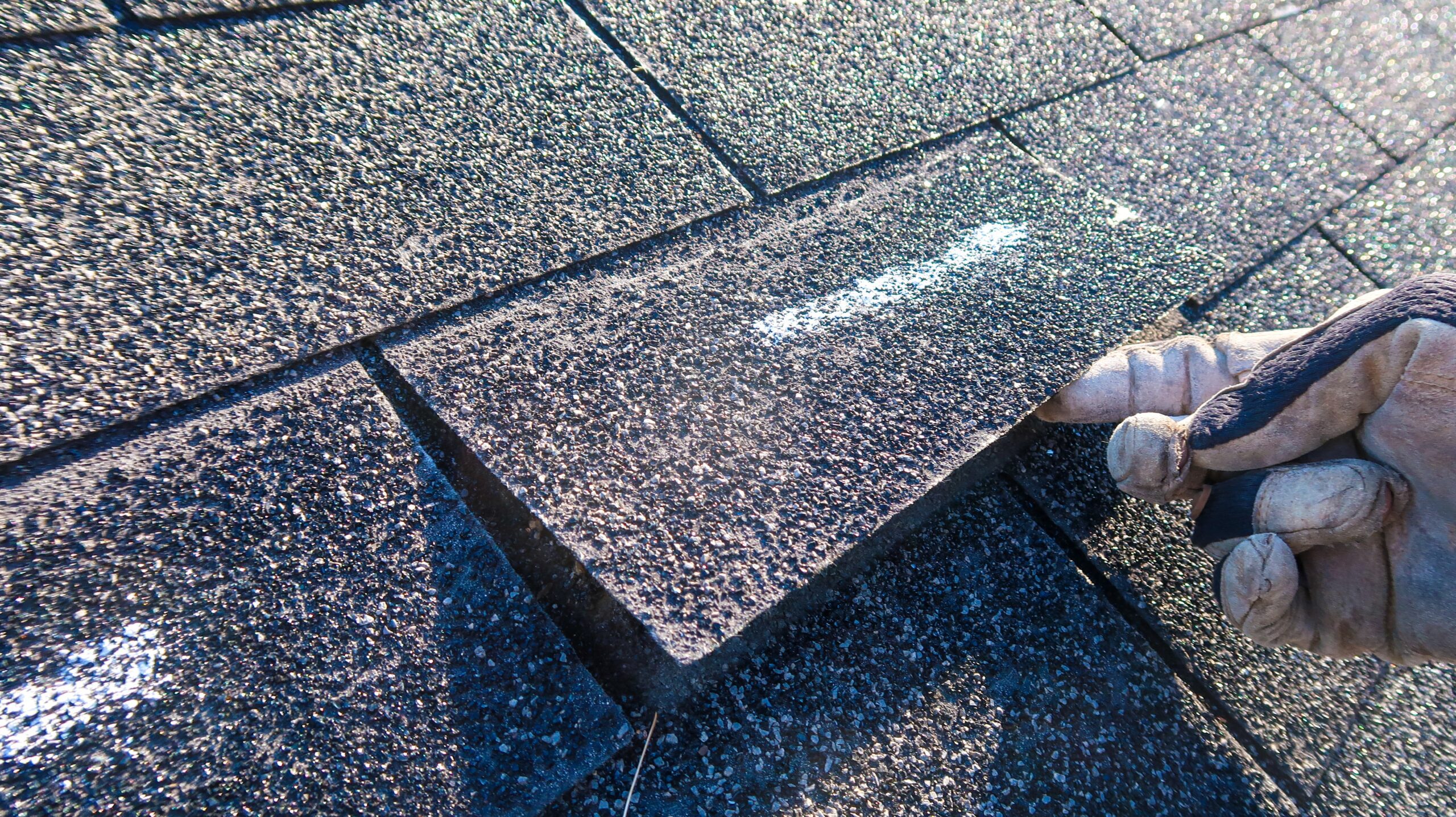
Asphalt shingles are, by far, the most common roofing material in the United States, and for good reason. They offer a fantastic balance of performance, affordability, and aesthetic versatility, making them a great fit for a wide range of home styles.
There are two main types: traditional 3-tab shingles, which have a flat, uniform look, and architectural (or dimensional) shingles, which are thicker and have a more varied, textured appearance that mimics the look of wood shakes.
- Pros: Affordability: They are the most budget-friendly option, making them accessible to most homeowners.
- Versatility: They come in a vast array of colors and styles, making it easy to match your home’s aesthetic.
- Ease of Installation: Most roofing contractors are experts at installing them, which can help keep labor costs down. Many architectural shingles also offer good wind resistance and algae-resistant coatings.
- Cons: Shorter Lifespan: Asphalt shingles have the shortest lifespan of the common materials, typically lasting 15 to 25 years.
- Vulnerability to Damage: They can be damaged by high winds and hail. The intense South Carolina sun can also cause them to become brittle over time.
- Best for: Homeowners looking for a reliable, cost-effective solution with plenty of design options. They are a practical choice for most homes in our area.
If you’re comparing durability in severe weather, see our breakdown of shingle versus metal roofs in storms.
Metal roofing: energy-efficient and durable
Once seen only on commercial buildings or barns, metal roofing has become increasingly popular for residential homes. Available in panels or shingles that can mimic the look of other materials, metal roofs are known for their exceptional durability and energy efficiency. Common types include steel, aluminum, and copper.
- Pros: Exceptional Lifespan: A metal roof can last 40 to 70 years or even longer, often for as long as you own your home.
- Durability: Metal is highly resistant to wind, fire, and rot. It will not be damaged by insects or pests.
- Energy Efficiency: Metal roofs are highly reflective, which means they absorb less solar heat. This can reduce your cooling costs by 10-25%, a huge benefit during our hot Columbia summers.
- Low Maintenance: They require very little upkeep.
- Cons: Higher Upfront Cost: The initial investment for a metal roof is significantly higher than for asphalt shingles.
- Can Be Noisy: Without proper insulation and sheathing, rain can sound loud on a metal roof. However, modern installation techniques greatly reduce this noise.
- Potential for Denting: Some metals, like aluminum, can be dented by heavy hail or falling branches.
- Best for: Homeowners who plan to stay in their home for a long time and want a durable, low-maintenance, and energy-efficient solution. It’s an excellent long-term investment.
For a deeper look at storm performance, review the full pros and cons of metal roofing for storms.
Tile and slate: premium materials for long-term homes
For those seeking a premium look and unparalleled longevity, tile and slate are top-tier choices. These materials are often found on Mediterranean, European, or historic-style homes.
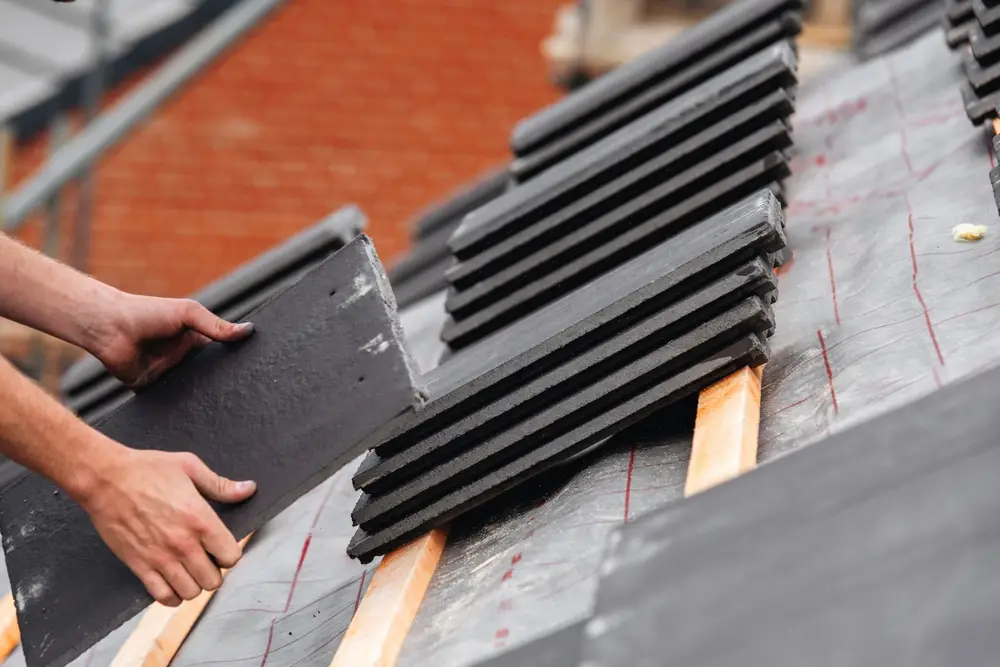
Tile roofs, typically made from clay or concrete, offer a distinctive, sculpted appearance. Slate roofs are made from natural stone, giving them a beautiful, timeless, and unique look, as no two shingles are exactly alike.
- Pros: Unmatched Lifespan: Slate and tile roofs can last for 100 years or more. They are a true "lifetime" roof.
- Superior Durability: They are fireproof, rot-proof, and resistant to insects.
- Aesthetic Appeal: Both materials offer a high-end, elegant look that can dramatically increase a home’s value and curb appeal.
- Cons: Very High Cost: These are the most expensive roofing options, both in terms of materials and labor.
- Heavy Weight: Both are extremely heavy and may require additional structural reinforcement to your roof deck, adding to the cost.
- Fragility: While durable against the elements, individual tiles or slates can crack if walked on improperly or struck by a heavy impact. Repairs require specialized expertise.
- Best for: Homeowners with a larger budget who are building or renovating a "forever home" and want a roof with maximum longevity and a premium, classic appearance.
Wood shakes: natural appeal, higher maintenance
Wood shakes (and their thinner cousins, wood shingles) offer a beautiful, natural, and rustic look that is hard to replicate. Typically made from cedar, they provide a classic charm that complements many architectural styles.
- Pros: Natural Beauty: Wood shakes provide a distinctive, textured look with a warm, natural aesthetic.
- Decent Lifespan: When properly maintained, a wood roof can last 30 to 40 years.
- Good Insulation: Wood is a natural insulator, which can help with energy efficiency.
- Cons: High Maintenance: This is the biggest drawback. Wood roofs require regular cleaning and treatment to prevent moss, mold, and rot, especially in our humid climate.
- Vulnerability to Fire and Pests: Unless treated with fire retardants and preservatives, wood is susceptible to fire, insects, and decay.
- Higher Cost: Wood shakes are more expensive than asphalt shingles and require specialized installation.
- Best for: Homeowners who love the natural aesthetic and are prepared for the commitment of regular maintenance.
Comparing Cost and Lifespan of Roofing Materials
Choosing a roof is a classic case of balancing upfront cost with long-term value. Here’s a quick overview to help you compare:
Short-term vs. long-term investment value
An asphalt shingle roof might have the lowest roof replacement cost today, but if you plan to live in your home for 30 years, you will likely have to replace it twice. In that same period, a single metal roof installation would still have decades of life left.
When thinking about value, consider how long you plan to stay in your home. If you’re planning to sell in the next 5-10 years, a new architectural shingle roof is a strong, cost-effective selling point. If this is your forever home, investing more upfront in a metal, tile, or slate roof could save you tens of thousands of dollars in the long run.
What’s best for Columbia’s humid climate
In our humid environment, resistance to moisture, algae, and heat are key.
- Top Performers: Metal, tile, and slate are excellent choices because they are non-porous and do not support algae or moss growth. Metal’s reflective properties also make it a winner for energy efficiency in our hot summers.
- Strong Contender: Modern architectural asphalt shingles are a great option, provided you choose a product with built-in algae resistance (often labeled "AR"). Lighter colors will also help reflect some of the sun’s heat.
- Higher Maintenance: Wood shakes can work, but only if the homeowner is diligent about maintenance to prevent rot and moss in our damp environment.
We also break down the best roofing materials for Columbia, SC homes based on durability, climate, and long-term value.
Final Thoughts: Finding the Perfect Roof for Your Home
There is no single "best" roofing material—only the best material for your specific home, budget, and long-term goals. By understanding the trade-offs between cost, durability, and climate performance, you can make a choice that you’ll be happy with for years to come.
Your roof is a complete system. No matter which material you choose, its performance and lifespan also depend on expert installation , proper ventilation, and high-quality underlayment.
You can also learn more about our full roofing services in South Carolina to understand installation standards and system design. If you’re ready to explore options for your home, we’re here to help. We can provide a complimentary site visit to assess your current roof, discuss your needs, and offer a clear, detailed proposal with different material options. We’ll treat your home as if it were our own, ensuring you get a roof that is both beautiful and built to last.