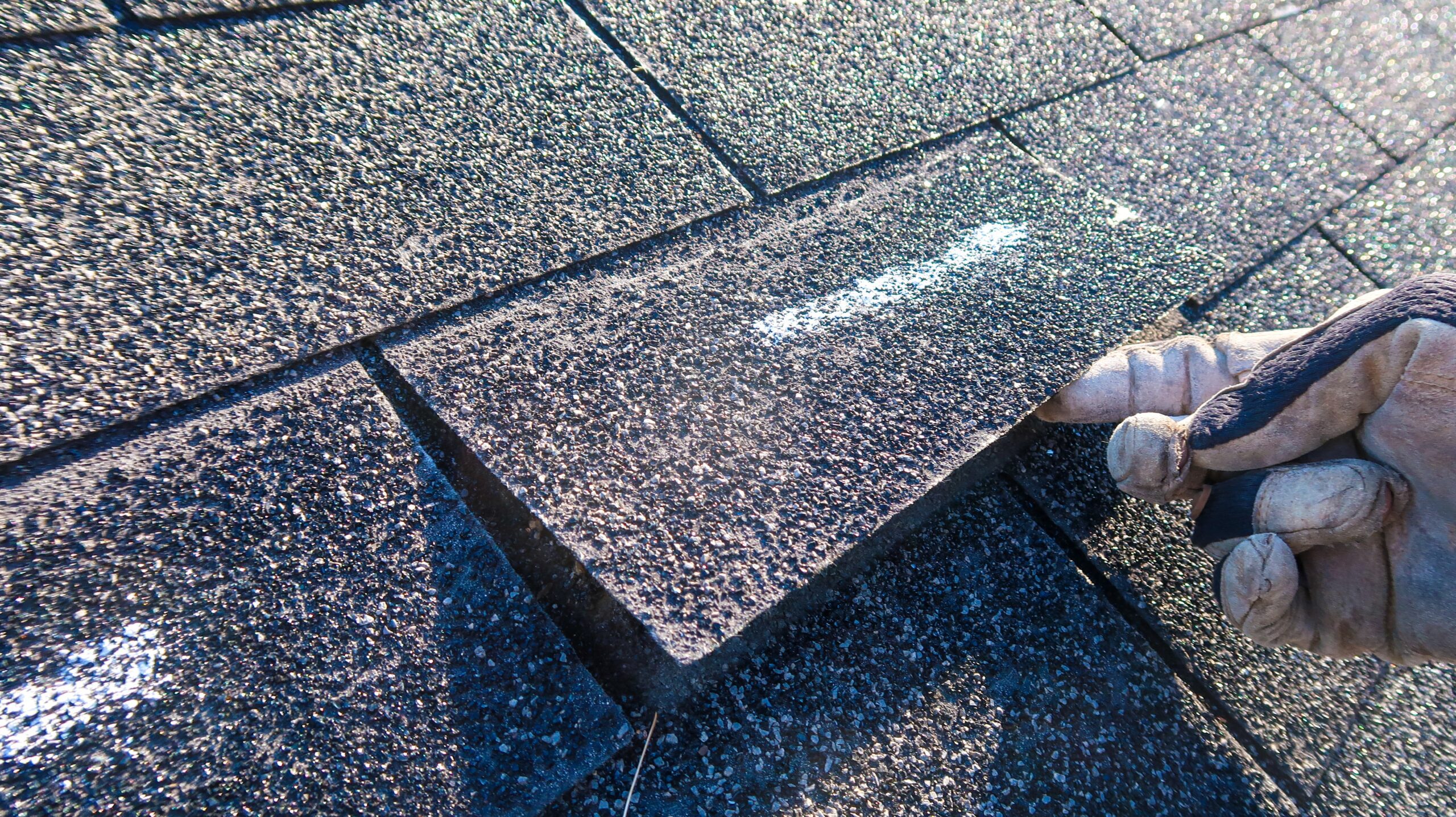

South Carolina weather can be unpredictable, with everything from intense summer thunderstorms to the potential for hurricane-force winds. When severe weather hits, your roof is your home’s primary line of defense. This makes choosing the right roofing material one of the most important decisions a homeowner can make. The debate often comes down to a classic choice: a metal roof versus a shingle roof. Choosing the right material is one of the most important decisions within your overall residential roofing services in South Carolina plan.
Both options have their merits, but when it comes to standing strong against storms, their performance can differ significantly. We will explore how roof shingles and metal panels handle high winds, heavy rain, and other severe weather challenges. Understanding these differences will help you make an informed decision to protect your home and family.
Understanding the Basics: Shingle Roofs vs. Metal Roofs
Before we dive into storm performance, let’s cover the fundamentals of these two popular roofing materials. Though they both serve the same ultimate purpose, their composition and design are worlds apart.
What Are Roof Shingles?
When people talk about a traditional roof, they are usually picturing asphalt roof shingles. These are the most common roofing material in the United States, made from a fiberglass or organic base mat coated with asphalt and topped with mineral granules. These granules give the shingles their color and also provide protection from UV rays. Shingles are installed in overlapping rows to create a water-resistant barrier over the roof deck.
What Is a Metal Roof?
A metal roof is a system made from metal panels or shingles. Common materials include steel (galvanized, galvalume), aluminum, and copper. These roofs come in two main styles: standing seam panels, which have raised, interlocking seams, and stamped metal shingles that mimic the look of traditional asphalt, slate, or wood. Metal roofing is known for its durability and long lifespan.
Key Differences in Material and Design
The primary difference lies in how they are constructed and installed. Roof shingles are smaller, individual units that are nailed to the roof deck. This creates many seams across the roof’s surface. In contrast, metal roofs, particularly standing seam systems, use large panels that run vertically from the ridge to the eave. This design results in fewer seams, which is a major advantage in preventing water intrusion.
These are just two of the most common roofing materials used in the Midlands — you can explore all available roofing materials in Columbia, SC in our full guide.
How Storms Impact Roof Shingles
Asphalt shingles are designed to be durable, but severe storms can push them to their limits. Here’s how they typically fare.
Wind Resistance of Shingle Roofs
High winds are a major threat to shingle roofs. Wind blowing over a roof creates uplift pressure. If the wind gets under the edge of a shingle, it can lift it, break the sealant, and potentially tear it completely off the roof. This leaves the underlying roof deck exposed. While architectural shingles offer better wind resistance than basic 3-tab shingles, both can be vulnerable to damage in winds exceeding 90 mph.
Water and Leak Vulnerability
Missing or damaged roof shingles create direct pathways for water to seep into your home. Even if shingles remain in place, the sheer volume of water during a downpour, combined with high winds, can drive rain underneath the shingle overlaps. Clogged gutters can worsen this problem by causing water to back up under the eaves.
Lifespan After Severe Weather
A single severe storm can significantly reduce the lifespan of a shingle roof. Hail can crack or dent shingles and dislodge the protective granules, accelerating their deterioration. Even if a roof survives a storm without obvious leaks, the stress from wind and hail can weaken its integrity, making it more susceptible to damage in future weather events.
How Storms Impact Metal Roofs
Metal roofing systems are widely recognized for their exceptional performance in harsh weather conditions.
For a deeper look at how metal systems perform in severe weather, see our guide on metal roofing and storm performance.
Metal Roof Resistance to High Winds
When comparing a metal roof versus shingle roof in high winds, metal almost always comes out on top. Standing seam metal roofs are particularly resilient. The panels interlock and are fastened with clips, creating a unified structure that is extremely resistant to wind uplift. Many metal roofing systems are rated to withstand winds of 140 mph or higher, making them an excellent choice for hurricane-prone regions.
Protection Against Heavy Rain and Hail
The interlocking design of metal panels provides superior protection against wind-driven rain. With far fewer seams than a shingle roof, there are simply fewer opportunities for water to penetrate. While hail can dent a metal roof, it is highly unlikely to puncture the material. This means that even after a hailstorm, the roof’s structural integrity remains intact, preventing leaks.
Longevity and Durability in Harsh Weather
Metal roofs are built for the long haul. Materials like steel and aluminum are resistant to rot, insects, and fire. They don’t become brittle or crack over time due to sun exposure. A metal roof can withstand repeated cycles of severe weather far better than an asphalt shingle roof, maintaining its protective qualities for 50 years or more.
Comparing Shingle Roof Versus Metal Roof Performance
Let’s put the two materials head-to-head on the factors that matter most to homeowners in storm-prone areas.
Storm Damage Resistance: Side-by-Side Comparison
- Wind: Metal roofs offer superior wind uplift resistance due to their interlocking panel design. Shingles are more susceptible to being lifted and torn off.
- Rain: Metal roofs have fewer seams, drastically reducing the risk of leaks from wind-driven rain. The many seams on a shingle roof are potential weak points.
- Hail: Metal may dent from large hail, but it rarely punctures. Asphalt shingles can be cracked or have their protective granules knocked off, compromising their integrity.
Cost vs. Long-Term Value in Storm-Prone Areas
Initially, a shingle roof is the more affordable option. However, in an area like South Carolina that sees frequent storms, the long-term value proposition of a metal roof becomes compelling. You may need to replace or repair a shingle roof multiple times over the lifespan of a single metal roof. The reduced risk of storm damage and interior water damage also adds to the long-term value of a metal roof.
Energy Efficiency and Maintenance After Storms
After a storm, a shingle roof requires a careful inspection for missing shingles, cracks, and granule loss. A metal roof inspection is simpler, focusing mainly on checking for dents and ensuring seams are still secure. Furthermore, metal roofs are more energy-efficient. They reflect solar heat, which can lower your cooling costs by up to 25%—a significant benefit during hot South Carolina summers. Learn more about energy-efficient roofing options in Columbia, SC and how they impact cooling costs.
Why South Carolina Homeowners Should Consider Storm Durability
For residents of the Palmetto State, a storm-ready roof isn’t a luxury; it’s a necessity.
Local Weather Patterns and Roofing Needs
South Carolina’s climate includes humid subtropical heat, severe thunderstorms with high winds and hail, and the annual threat of hurricanes from the Atlantic. These conditions demand a roofing material that can withstand a wide range of environmental stresses. Investing in a durable roof means protecting your largest asset from the specific threats we face year after year.
Cola City Roofing Expertise in Storm-Ready Roofs
At Cola City Roofing, we understand the unique challenges of protecting homes in South Carolina. Our team has extensive experience installing both high-quality architectural roof shingles and robust metal roofing systems. We help homeowners assess their property, consider their budget, and choose the best roofing solution to provide maximum protection and peace of mind when the skies darken.
If storm protection is your top priority, here’s our breakdown of the best roofing materials for Columbia, SC homes.
Galleries Recent Works Need proof of our skills? Check out our recent roof and gutter work!
Conclusion: Choosing the Right Roof for Storm Protection
When deciding between a metal roof versus shingle roof, storm performance is a critical factor. While modern asphalt shingles offer good protection, metal roofs provide a superior level of durability against high winds, heavy rain, and hail.
The higher upfront cost of a metal roof is often justified by its longer lifespan, lower maintenance needs, and incredible resilience in severe weather. For South Carolina homeowners, this can mean fewer repairs, lower long-term costs, and the invaluable peace of mind that comes with knowing your home is well-protected.
Learn more about our complete roofing services in South Carolina to explore material options and installation standards. If you are considering a new roof and want to explore the best options for storm durability, call us at (803) 734-3700 or contact the experts at Cola City Roofing for a professional consultation.
FAQ: Shingle vs. Metal Roof in Storms
Are metal roofs louder than shingle roofs during storms? This is a common myth. When a metal roof is installed correctly with proper sheathing and insulation, it is no louder than a shingle roof during a rain or hailstorm.
Do roof shingles provide enough protection in hurricane-prone areas? High-quality architectural roof shingles are rated for significant wind speeds and can provide adequate protection. However, they are more vulnerable to damage from extreme winds (110+ mph) and wind-driven rain than a properly installed metal roof.
Which lasts longer after repeated storm exposure: a shingle roof or a metal roof? A metal roof will last significantly longer. Its resistance to wind, hail, and water damage means it degrades much more slowly than an asphalt shingle roof under the stress of repeated storms.
Is a metal roof worth the higher upfront cost in storm-heavy regions? For many homeowners in regions like South Carolina, the answer is yes. The long-term savings on repairs, potential replacements, and lower insurance premiums, combined with its superior protection, make a metal roof a wise investment.