Your roof does more than just keep the rain out. It’s your home’s first line of defense against the elements, and here in Columbia, that means enduring long, hot, and humid summers. All that sunshine beating down on your roof can turn your attic into an oven, forcing your air conditioner to work overtime and driving up your energy bills. What if your roof could fight back against the heat?
An energy-efficient roof is designed to do just that. By using modern materials and smart system design, it can reflect solar heat, improve your home’s insulation, and lower your cooling costs significantly. It’s an investment that not only enhances your home’s comfort but also pays you back over time. As part of a complete roofing services plan in South Carolina, energy performance should be considered alongside durability and long-term protection.
This guide will explore the best energy-efficient roofing options for Columbia homes . We’ll break down the technology, explain how the whole system works together, and show you how upgrading your roof can lead to real savings and a more comfortable, sustainable home.
Why Energy Efficiency Matters for Homeowners
Choosing an energy-efficient roof is about more than just a new look. It’s a practical decision that offers tangible benefits for your wallet, your comfort, and the environment.
Lower energy bills and improved comfort
During a typical South Carolina summer, your roof absorbs a massive amount of solar energy, heating your attic to temperatures of 150°F or more. This heat radiates down into your living spaces, forcing your air conditioning system to run constantly just to keep up.
An energy-efficient roof system reduces this heat absorption. By reflecting more sunlight and minimizing heat transfer, it keeps your attic and your home cooler. This directly translates to lower energy consumption and reduced electricity bills, especially from May through September. Beyond the savings, you’ll notice a real difference in comfort. Rooms that used to feel stuffy and warm will stay more consistently cool, creating a more pleasant living environment for your family.
Environmental benefits and sustainability
Reducing your home’s energy consumption has a positive ripple effect on the environment. When you use less electricity, you decrease the demand on power plants, which in turn reduces greenhouse gas emissions. An energy-efficient roof is a sustainable choice that helps lower your household’s carbon footprint.
Furthermore, many modern, energy-efficient roofing materials are made from recycled content and are themselves recyclable at the end of their long lifespans. Choosing a durable, long-lasting roof also means less waste in landfills over time compared to replacing a standard roof more frequently.
Types of Energy-Efficient Roofs
There isn’t just one way to make a roof energy-efficient. Several technologies and materials are available, each with its own set of benefits. You can also review the most common roofing materials for Columbia SC homes to understand how each performs locally.
Cool roofing systems and reflective coatings
The term "cool roof" refers to a roofing system designed to reflect more sunlight and absorb less heat than a standard roof. This is measured by two key properties:
- Solar Reflectance: This is the ability of a surface to reflect sunlight. It’s measured on a scale from 0 to 1, with a higher value indicating a more reflective surface.
- Thermal Emissivity: This is the ability of a surface to radiate absorbed heat away. A high emissivity means the roof can cool down more quickly once the sun sets.
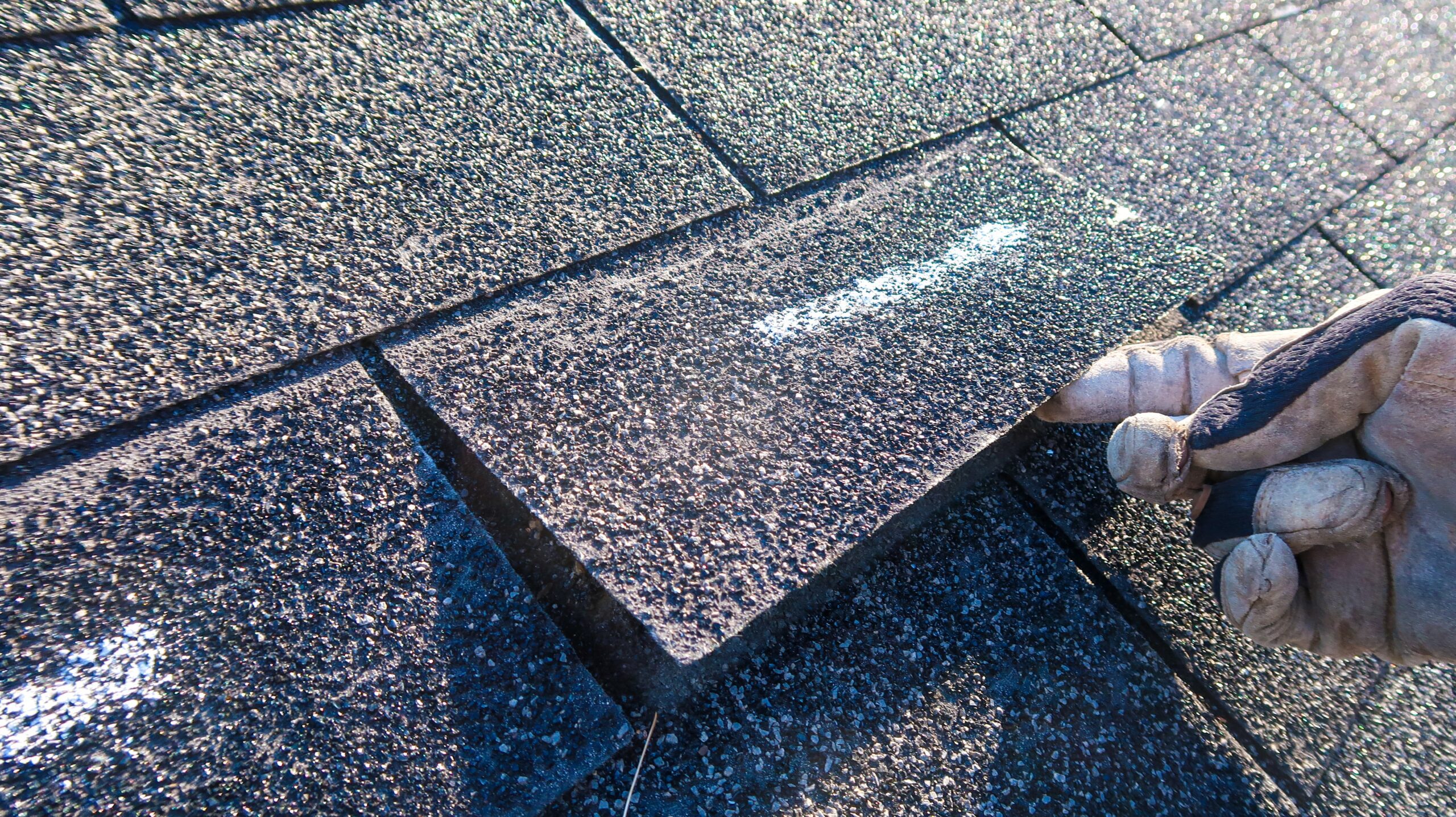
A roof with both high solar reflectance and high thermal emissivity is considered a "cool roof." While traditionally associated with white or light-colored materials, modern advancements have made it possible to produce cool roofing shingles and surfaces in a variety of darker colors that still offer excellent reflective properties. Reflective coatings can also be applied to some existing roof surfaces to boost their efficiency.
Metal roofing with energy-saving finishes
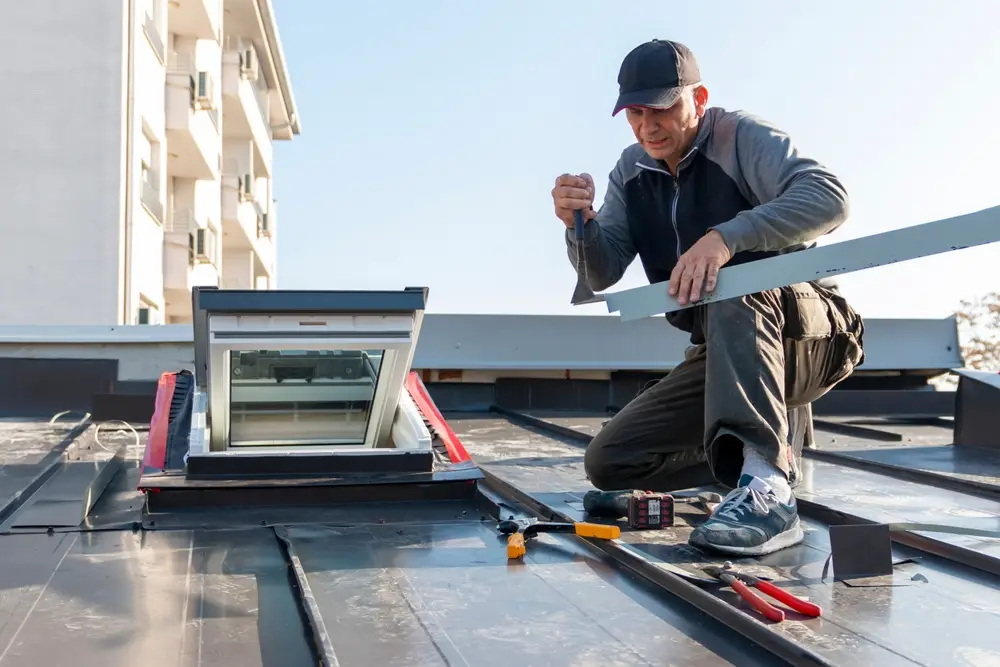
Metal roofing is an outstanding choice for energy efficiency in a hot climate like ours. It also performs exceptionally well in severe weather — see our full guide on the pros and cons of metal roofing for storms. Its inherent reflective properties already outperform asphalt, and modern metal roofs take it a step further with specialized finishes. These high-tech coatings are embedded with special pigments that reflect infrared light—the primary source of solar heat.
This means that even a darker-colored metal roof can stay significantly cooler than a traditional asphalt shingle roof of the same color. By reflecting heat away from your home, a metal roof can reduce cooling costs by up to 25%. Combined with its exceptional durability and long lifespan, a metal roof offers fantastic long-term value and energy savings.
If you’re weighing durability alongside efficiency, compare shingle versus metal roof performance in storms.
Solar-integrated shingles and panels
For homeowners looking to maximize their energy independence, solar roofing is the ultimate solution. This technology has evolved far beyond the bulky, rack-mounted panels of the past. Today’s options are sleek, durable, and seamlessly integrated into the roof itself.
- Solar Shingles: These are small solar panels designed to mimic the size and shape of traditional asphalt shingles, allowing them to blend directly into the roofline. They are installed alongside regular shingles for a cohesive, low-profile look.
- Solar Panels: Modern solar panels are more efficient and aesthetically pleasing than ever. When paired with a new roof installation, they can be integrated cleanly, providing a powerful energy-generating system.
While solar-integrated roofing has the highest upfront cost, it is the only roofing option that actively generates power, drastically reducing or even eliminating your electricity bill.
If you’re still comparing options, see our breakdown of what’s best for Columbia SC homes based on climate, cost, and longevity.
Galleries
Recent Works
Need proof of our skills? Check out our recent roof and gutter work!
How Proper Insulation and Ventilation Boost Efficiency
An energy-efficient roofing material is only one part of the equation. For maximum performance, your entire roofing system needs to work together. This includes proper ventilation and insulation, which manage heat and moisture within your attic.
Balancing attic airflow for year-round savings
A well-ventilated attic is crucial for energy efficiency and roof longevity. The goal is to create continuous airflow that pushes hot, moist air out and pulls cooler, drier air in. A balanced system includes:
- Intake Vents (Soffit Vents): Located under the eaves of your roof, these vents allow cool, fresh air to enter the attic.
- Exhaust Vents (Ridge Vents or Box Vents): Located at or near the peak of the roof, these vents allow hot, humid air to escape.
This continuous cycle prevents heat from building up in the summer and reduces moisture that can lead to mold and rot in the winter. A properly ventilated attic keeps your home more comfortable and lowers the strain on your HVAC system all year long.
The role of underlayment and radiant barriers
The materials underneath your shingles also play a vital role in energy efficiency.
- Roofing Underlayment: This is a water-resistant barrier installed directly on the roof deck before the shingles go on. Modern synthetic underlayments offer superior protection and can contribute to the overall efficiency and lifespan of the system.
- Radiant Barrier: This is a highly reflective material, often resembling aluminum foil, that is installed on the underside of your roof rafters in the attic. Its purpose is to block radiant heat transfer. Instead of absorbing the heat radiating down from the hot roof deck, the radiant barrier reflects it back, preventing it from entering your attic and living spaces. In a hot climate like Columbia’s, a radiant barrier is one of the most cost-effective upgrades you can make to improve your home’s energy efficiency.
Long-Term Savings and Incentives for Energy-Efficient Roofs
Upgrading to an energy-efficient roof is an investment, but it’s one that can pay you back through lower bills and valuable financial incentives.
Tax credits and utility rebates in South Carolina
To encourage homeowners to adopt energy-saving technologies, federal, state, and local programs often offer financial incentives. These can include:
- Federal Tax Credits: The U.S. government frequently offers tax credits for qualifying energy-efficient home improvements, including certain types of metal and asphalt roofing, as well as solar systems. These credits can significantly reduce the net cost of your project.
- Utility Rebates: Local utility companies in South Carolina sometimes provide rebates for homeowners who install energy-efficient upgrades. It’s always worth checking with your provider to see what programs are currently available.
These programs and their eligibility requirements can change, so it’s important to consult with a tax professional and your roofing contractor to get the most up-to-date information.
ROI of upgrading your roof system
The return on investment (ROI) for an energy-efficient roof comes in several forms. The most direct return is through lower monthly energy bills. The savings can add up to thousands of dollars over the life of the roof.
Additionally, an energy-efficient roof increases your home’s value. Features like a durable metal roof or an integrated solar system are attractive selling points for potential buyers who are also looking to save on energy costs. Finally, by choosing a long-lasting, durable material, you are also saving on future repair and replacement costs, further boosting your long-term ROI.
Final Thoughts: The Smart Way to Upgrade to an Energy-Efficient Roof
An energy-efficient roof is more than just a covering for your house—it’s a high-performance system that actively works to make your home more comfortable, affordable, and sustainable. By reflecting the intense Columbia sun and managing heat flow, it lowers the strain on your air conditioner, reduces your energy bills, and protects your home for decades to come.
From reflective cool shingles to durable metal systems and power-generating solar, you have more options than ever to build a roof that works for you.
You can also explore our full residential roofing services in South Carolina to see how energy efficiency fits into a complete roofing system. If you’re ready to explore how an energy-efficient roof could benefit your home, we invite you to schedule a complimentary site visit . Our team can assess your current system, discuss your goals, and provide you with a clear, no-pressure plan to upgrade your roof and start saving.