Your home’s gutter system works quietly in the background, a simple but essential component of your property’s overall health. When it rains, gutters collect the deluge of water from your roof and channel it safely away from your home. It’s an elegant solution to a powerful force of nature. But what happens when this system is compromised? A few leaves and twigs might seem harmless, but over time, this seemingly minor debris can initiate a cascade of damage that threatens your gutters, your roof, and even your home’s foundation.
Many homeowners underestimate the destructive power of a clogged gutter. They see the buildup of leaves as a simple annoyance, a task to get to eventually. The reality is that this organic matter is the starting point for serious, expensive problems. From causing rust and corrosion to placing immense physical strain on the entire system, debris is the number one enemy of your gutters.
For homeowners in Columbia, SC, with our beautiful, mature trees and significant seasonal rainfall, understanding these risks is critical. At Cola City Roofing, we’ve seen firsthand how a little neglect can lead to major repairs. This guide will detail the specific ways leaves, pine needles, and other debris damage your gutters over time, and explain why keeping them clear is one of the most important maintenance tasks for protecting your home.
The First Stage: The Clog Itself
The process of gutter damage begins with a simple clog. It doesn’t happen all at once. It’s a gradual accumulation, season after season, that slowly chokes your home’s water management system. Understanding how these clogs form is the first step in preventing the damage they cause.
How Debris Accumulates
It starts with a few leaves getting caught in a corner or a handful of pine needles snagging on a seam. This initial small blockage creates a rough surface that is more effective at catching the next wave of debris.
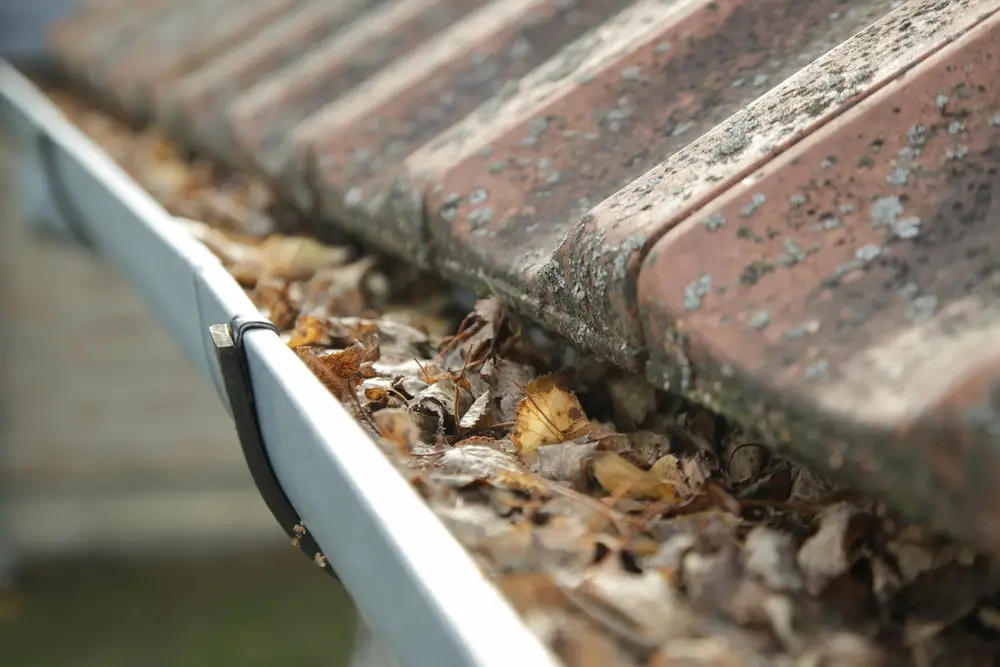
- Leaves and Twigs: In the fall, deciduous trees drop a massive volume of leaves. These large, flat leaves can quickly cover and block gutter openings. Twigs and small branches add to the matrix, creating a framework for a more solid clog.
- Pine Needles: Pine needles are particularly troublesome. They are small enough to get into any nook and cranny, and they interlock to form dense, water-resistant mats that are very effective at damming the flow of water.
- Seeds, Flowers, and Pollen: In the spring, trees drop seeds, flowers, and catkins. This fine, sticky material can coat the inside of your gutters, creating a sludge-like base that larger debris sticks to.
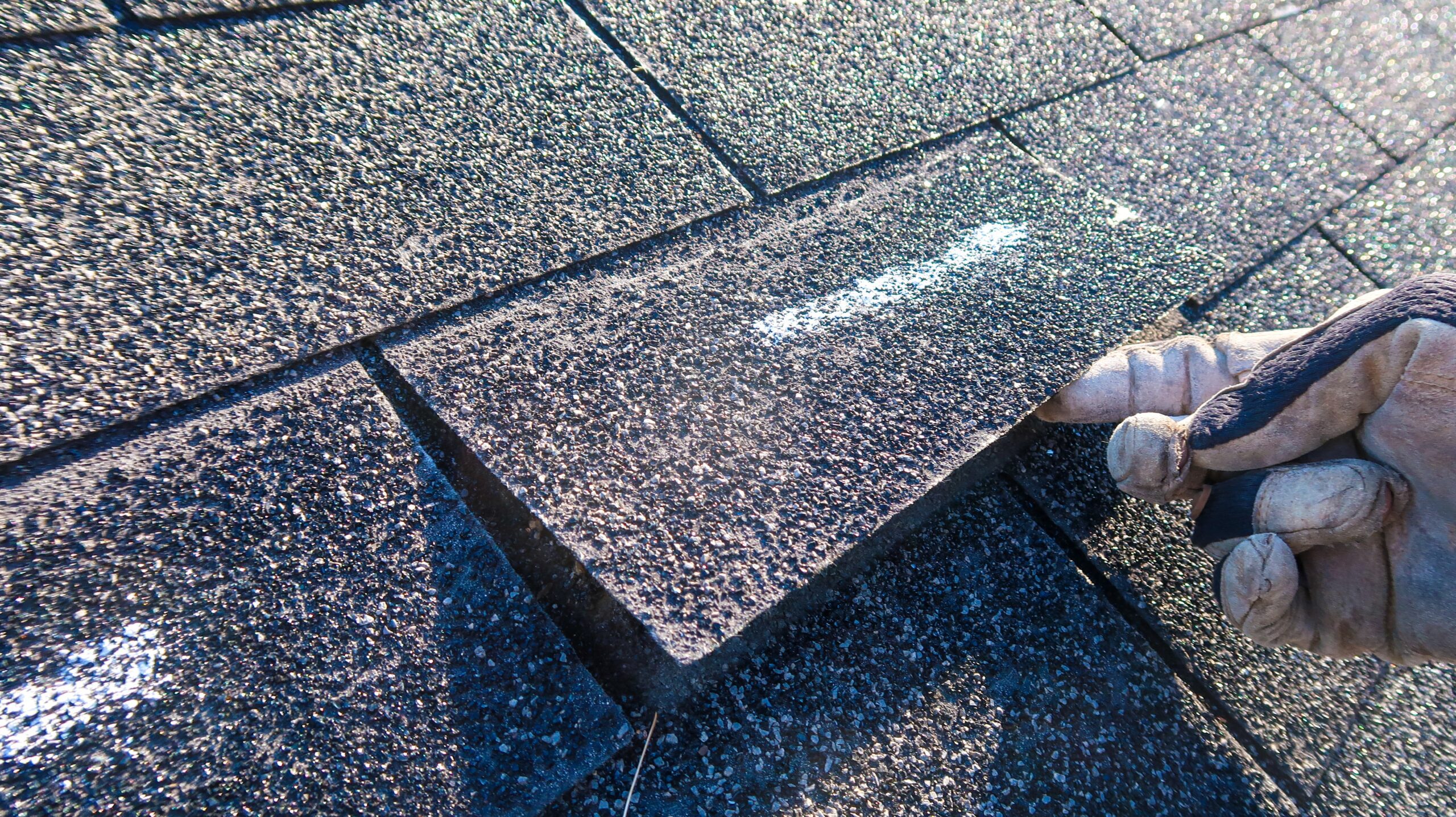
- Shingle Grit: As asphalt shingles age, they shed their protective granules. This grit washes into the gutters, mixing with organic debris to form a thick, heavy sludge that is abrasive and difficult to remove.
From Buildup to Blockage
As this mixture of organic matter and grit accumulates, it begins to decompose. Rain adds moisture, turning the pile into a dense, soggy mass. This heavy sludge settles in the bottom of the gutter trough, compacting over time and obstructing the flow of water. The clog is no longer just a pile of leaves; it’s a solid dam. The most vulnerable points for these blockages to form are at the corners and, most critically, at the top of the downspouts. When the downspout opening is blocked, the entire gutter system is effectively neutralized.
This is the point where the real damage begins. The gutter is no longer a channel for water but a stagnant trough filled with heavy, corrosive material.
The Destructive Power of Water Overflow
Once a gutter is clogged, water has nowhere to go but up and over the sides. This overflow is far from harmless; it directs a concentrated flow of water to places it was never meant to go, causing a wide range of problems that can be incredibly costly to repair.
Threat #1: Foundation Damage
This is the most severe and expensive consequence of overflowing gutters. Your home’s foundation is designed to stay relatively dry. When water constantly pours over the edge of your gutters, it saturates the soil directly against your foundation walls.
- Soil Expansion and Contraction: The soil around your foundation will expand when saturated and shrink as it dries. This constant cycle exerts immense pressure on your concrete foundation walls, leading to cracks.
- Hydrostatic Pressure: During heavy rain, the saturated soil creates significant hydrostatic pressure, which can force water through existing cracks or even create new ones, leading to basement flooding or crawlspace moisture.
- Erosion and Settling: The flowing water can erode the soil that supports your foundation, causing parts of your home to settle. This can lead to sloped floors, cracked drywall, and doors that no longer close properly. A compromised foundation threatens the structural integrity of your entire house.
Threat #2: Roof and Fascia Damage
Water doesn’t just flow over the front of the gutter; it also backs up and flows over the back, directly against the edge of your roof and the fascia board to which the gutter is attached.
- Fascia and Soffit Rot: Fascia and soffit boards are typically made of wood. When they are constantly exposed to moisture from overflowing gutters, they will begin to rot. Rotted wood can no longer hold the screws and hangers that support the gutter, leading to sagging and collapse. Replacing these boards is a significant carpentry repair.
- Roof Decking Damage: The backed-up water can seep under the edge of your shingles and saturate the underlying roof decking (the plywood or OSB sheathing). This leads to wood rot, which weakens the roof structure and can become a source of major leaks into your attic and home.
Threat #3: Siding and Landscape Damage
The waterfall effect created by overflowing gutters also damages your home’s exterior and yard.
- Siding Stains and Rot: Water cascading down your walls can leave behind ugly stains from dirt and algae. If you have wood siding, this constant moisture will cause the paint to peel and the wood itself to rot.
- Window and Door Damage: The overflow can seep into the frames of windows and doors located below the gutter line, causing wood rot and compromising their seals.
- Landscape Erosion: The concentrated runoff will carve trenches in your landscaping, wash away expensive mulch, and drown plants and flowers in your garden beds.
Preventing overflow is the primary job of a gutter system. When debris causes it to fail, the consequences are widespread and severe. If you see signs of overflow, it’s a clear indication that you need immediate Gutter Repair Services .
The Slow Scourge of Rust and Corrosion
Beyond the immediate problem of water overflow, the debris sitting inside your gutters causes a slow, insidious form of damage: corrosion. The constant presence of wet, decomposing organic matter creates an environment that is highly corrosive to the gutter material itself.
How Debris Accelerates Corrosion
- Constant Moisture: Clogged gutters never have a chance to fully dry out. The soggy mass of leaves and sludge holds moisture against the metal surface of the gutter for extended periods. This constant dampness is the primary ingredient needed for rust to form on galvanized steel gutters.
- Acidic Composition: As leaves, pine needles, and other organic matter decompose, they release tannic acid. This acidic solution slowly eats away at the protective coatings on metal gutters, whether they are galvanized steel or painted aluminum. Once the protective layer is compromised, the metal underneath is exposed and begins to corrode.
- Abrasive Sludge: The mixture of shingle grit and sand acts like sandpaper. As water flows over it, this abrasive sludge can scour away the gutter’s finish, further exposing the raw metal to the corrosive, acidic water.
The Results of Corrosion
- Pitting and Pinholes: The corrosion often starts as small pits in the surface of the gutter. Over time, these pits deepen and can become tiny pinhole leaks. While small, these leaks allow water to drip continuously, causing damage to the soffit and siding below.
- Cracks and Fractures: As rust continues to eat away at the metal, it weakens the gutter’s structure. This can lead to larger cracks, especially along the bottom of the trough where moisture sits the longest.
- Failed Seams: The sealant used at gutter seams and end caps is also susceptible to degradation from the constant moisture and acidic environment. As the sealant fails, the seams separate, creating major leak points.
A gutter that has been damaged by rust and corrosion cannot be effectively repaired; it must be replaced. This is a clear example of how neglecting simple cleaning can lead to the premature failure of your entire gutter system, necessitating a new Gutter Installation Service .
The Crushing Weight: Structural Damage to the Gutter System
One of the most overlooked ways debris damages gutters is through sheer physical weight. The combination of wet leaves, sludge, and trapped water is incredibly heavy, and it places an enormous strain on the hangers, fasteners, and fascia boards that are supposed to hold the system in place.
The Physics of a Clogged Gutter
- The Weight of Water: A single gallon of water weighs 8.34 pounds. A standard 5-inch "K-style" gutter can hold about 1.2 gallons of water per linear foot.
- Calculating the Load: Let’s consider a 40-foot section of gutter that is completely clogged and filled with water. This section is holding nearly 50 gallons of water, which weighs over 400 pounds. This calculation doesn’t even include the additional weight of the soggy debris itself.
- Extreme Stress: This immense weight is far more than the gutter system is designed to handle. This load is constantly pulling on the hangers and the fascia board.
The Consequences of Excess Weight
- Sagging Gutters: The most common result of this weight is sagging. The gutter begins to bow between the hangers, creating low spots. These low spots then collect even more water and debris, exacerbating the problem and creating a vicious cycle of damage. A sagging gutter does not have the proper slope to drain effectively, rendering it useless even if it were clean.
- Loose Hangers and Fasteners: The screws or spikes that hold the gutter hangers to the fascia board are put under constant tension. Over time, they will work themselves loose, especially if the fascia wood has been softened by moisture. You may see the heads of the spikes pulling out from the fascia.
- Gutters Pulling Away from the House: As the fasteners fail, the entire gutter section will begin to pull away from the fascia board. This creates a large gap where water can run freely behind the gutter, causing extensive damage to the soffit and wall.
- Complete Collapse: In the most extreme cases, the combined failure of the hangers and the weight of the debris can cause an entire section of guttering to collapse and fall from the house. This is not only a costly repair but also a significant safety hazard to anyone standing below.
Structural damage caused by the weight of debris is a clear sign that the gutter system has been neglected for too long. Addressing these issues often requires not just replacing the gutter but also repairing the underlying wood structures.
Prevention: The Key to a Long-Lasting Gutter System
The damage caused by leaves and debris is progressive, destructive, and expensive. The good news is that it is also almost entirely preventable. By taking proactive steps to keep your gutters clear, you can protect them from harm and ensure they have a long, effective service life.
Option 1: A Rigorous Cleaning Schedule
The traditional method of prevention is regular manual cleaning. For this to be effective, it must be done consistently. For most homes in the Columbia area, this means cleaning at least twice a year: once in late spring and again in late fall. If you have heavy tree coverage, more frequent cleanings may be necessary. While this method works, it is a repetitive, time-consuming, and dangerous chore.
Option 2: Investing in Gutter Guards
A more effective and permanent solution is to prevent the debris from ever entering the gutters in the first place. This is the role of a professional-grade gutter guard system.
- How They Work: Gutter guards are protective coverings that allow water to enter the gutter but block leaves, pine needles, and other debris. The debris stays on top of the guard, where it can be blown away by the wind or washed off by rain.
- The Benefits: This one-time installation eliminates the need for regular cleaning, permanently protecting your gutters from the clogs that lead to overflow, corrosion, and structural damage. It’s a proactive investment that safeguards your system 24/7.
Don’t Let Debris Destroy Your Home’s Defenses
A few leaves in your gutter can seem like a minor issue, but they are the seed of major destruction. Over time, this debris will clog your water management system, leading to catastrophic overflow that can ruin your foundation, rot your roof, and destroy your landscaping. The debris itself creates a corrosive sludge that eats away at the gutters and adds hundreds of pounds of damaging weight that can cause the entire system to fail.
The health of your gutters is directly linked to the health of your home. Protecting them from debris is not just about avoiding an annoying cleaning task; it’s about preventing some of the most expensive and difficult home repairs you could face.
If you are seeing the signs of gutter damage—overflowing water, sagging sections, or visible corrosion—the time to act is now. The team at Cola City Roofing specializes in comprehensive gutter solutions for South Carolina homeowners. From professional repair to the installation of new, high-performance systems, we can restore your home’s defenses.
Ready to protect your home from the destructive power of debris? Contact Us today for a free, no-obligation inspection and quote. Let our experts help you find the best solution to ensure your gutters remain a reliable asset, not a costly liability.