Your gutters are arguably the unsung heroes of your home’s exterior. They don’t get the glory of a freshly painted front door or the curb appeal of a manicured lawn, but they do the heavy lifting when the storms roll in. When functioning correctly, they are invisible protectors, channeling thousands of gallons of rainwater away from your foundation, siding, and landscaping. When they fail—or are installed incorrectly—the damage can be catastrophic and expensive.
Choosing the right professional for this job is not just about finding someone with a ladder and a truck. It is about finding a partner who understands water management, uses high-quality materials, and stands behind their workmanship. Whether you are building a new home or replacing an aging system, the decision you make now will impact your home’s health for decades.
This guide will walk you through everything you need to know to hire a trusted gutter installer, ensuring your investment is safe and your home remains dry.
Why Professional Gutter Installation Matters
Before we dive into the vetting process, it is important to understand why this isn’t a DIY project or a job for a general handyman. Gutters require precise pitch (slope) to ensure water flows towards the downspouts rather than pooling in the middle. If the pitch is off by even a fraction of an inch, you risk standing water, which breeds mosquitoes, rusts metal, and adds unnecessary weight to your fascia boards.
Furthermore, a professional gutter service understands the specific rainfall patterns of your region. In Columbia, SC, we experience sudden, heavy downpours that can overwhelm standard gutter systems if they aren’t sized correctly. An expert will calculate the square footage of your roof and the pitch to determine if you need standard 5-inch gutters or high-capacity 6-inch gutters to handle the volume.
1. Verify Licensing and Insurance
The first and most non-negotiable step in choosing a contractor is verifying their credentials. It sounds like standard advice, but many homeowners skip this step to save time or money.
General Liability Insurance
Never hire a contractor who cannot provide proof of General Liability Insurance. This protects you in case they damage your property during the installation. Imagine a ladder falling through a window or a gutter section scratching your car in the driveway. Without liability insurance, you could be left footing the bill for their mistake.
Workers’ Compensation
Roofing and gutter work is inherently dangerous. If an installer falls off a ladder on your property and the company does not have Workers’ Compensation insurance, you could potentially be liable for their medical bills and lost wages. Always ask to see a current certificate of insurance that specifically covers workers’ comp.
Business Licensing
Ensure the company is legally permitted to operate in your area. A legitimate business will have no issue providing their business license number. This signals that they are accountable to local regulations and are not a "fly-by-night" operation that will disappear once they cash your check.
2. Check for Local Experience and Reputation
A national chain might have a big marketing budget, but a local company has a reputation to uphold in the community. When searching for "gutter installation Columbia SC," look for companies that have deep roots in the area.
Community Presence
Does the company have a physical address? A PO Box can sometimes be a red flag for transient contractors who move from storm to storm. A local office shows stability and gives you a place to go if you have serious issues that aren’t being resolved over the phone.
Longevity
How long have they been in business? While every business starts somewhere, a company with 10+ years of experience has likely encountered every possible gutter challenge. They know which materials withstand the local humidity and heat and which sealants fail after a few South Carolina summers.
Online Reviews and Testimonials
Don’t just look at the star rating; read the content of the reviews. Look for patterns.
- Positive signs: Customers mentioning that the crew arrived on time, cleaned up nails and debris, and stuck to the quoted price.
- Red flags: Multiple complaints about leaks appearing weeks after installation, ghosting after payment, or rude behavior from the crew.
We encourage you to read through our testimonials to see what your neighbors in the Midlands are saying about our work. Real feedback from real local homeowners is your best tool for gauging reliability.
3. Assess the Quality of Materials
Not all gutters are created equal. A "trusted gutter installer" will be transparent about the materials they use. If a quote seems incredibly low, it’s often because the installer is using sub-par materials that won’t last.
Material Options
- Aluminum: The industry standard. It is lightweight, rust-resistant, and comes in many colors. Ensure the installer uses "primary" aluminum, which is thicker and more durable than "secondary" (recycled) aluminum, which can be prone to inconsistent thickness.
- Copper: A premium choice that ages beautifully to a green patina. It is extremely durable but requires specialized skills to install.
- Steel: Stronger than aluminum but prone to rust if not galvanized or coated properly.
- Vinyl: Generally the cheapest option, but we often advise against it for long-term durability as it becomes brittle and cracks in extreme temperatures.
Seamless vs. Sectional
This is a critical distinction.
- Sectional Gutters: These come in pre-cut pieces that are joined together with sealants. Every seam is a potential leak point.
- Seamless Gutters: These are custom-fabricated on-site from a single continuous coil of metal. They are measured to fit your home’s exact dimensions. They have far fewer joints (only at corners and downspouts), drastically reducing the risk of leaks.
A high-quality installer will almost exclusively offer seamless options. If a contractor is trying to sell you sectional gutters from a big-box store, it is usually a sign they lack the professional equipment necessary for a top-tier job.
Gauge (Thickness)
Ask about the gauge of the aluminum. Standard thickness is usually .027 gauge, but .032 gauge is stronger and better able to withstand the weight of heavy snow, ice, or wet leaves without bending.
4. Evaluate the Warranty
A warranty is a promise. It tells you how confident the installer is in their work and their materials. There are generally two types of warranties you should look for:
Manufacturer’s Warranty
This covers defects in the material itself, such as paint chipping, peeling, or fading unevenly. High-quality aluminum gutter coil often comes with a 20-year or even lifetime warranty on the finish.
Workmanship Warranty
This is provided by the installer and covers the installation process. If a gutter pulls away from the fascia board, starts leaking at an end cap, or is pitched incorrectly within the warranty period (usually 1-10 years), the installer should come back and fix it for free.
Be wary of companies that offer "lifetime" workmanship warranties without clear terms. A solid 5-10 year labor warranty is often more realistic and enforceable than a vague lifetime promise from a company that might close next year.
5. Ask the Right Questions During the Estimate
When you call a company for a quote, treat it like an interview. Their answers will reveal their level of professionalism and expertise. Here are key questions to ask:
- "Do you use subcontractors or employees?" Employees are generally trained by the company and held to specific standards. Subcontractors can be great, but the company needs to have rigorous oversight to ensure quality control.
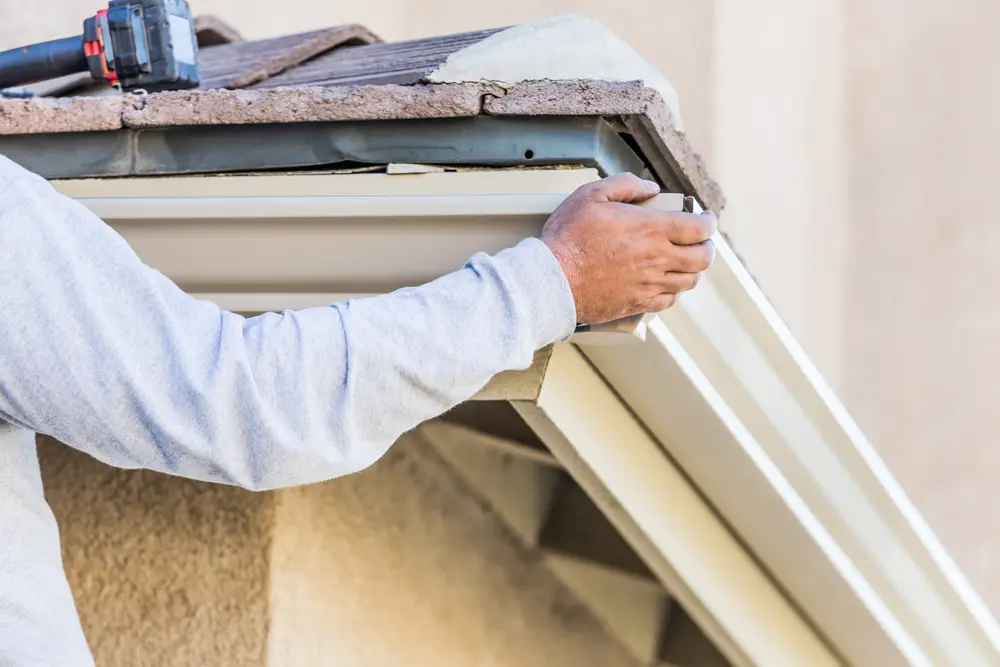
- "How do you fasten the gutters to the house?" Old-school spikes and ferrules (big nails) tend to pull out over time, causing gutters to sag. Modern, trusted gutter installers use hidden hangers with screws. These are much stronger and provide a cleaner look because they are invisible from the ground. Ask about the spacing of the hangers; in areas with heavy rain, hangers should be spaced no more than 24 inches apart.
- "Who is responsible for clean-up?" Gutter removal can be messy. Old gutters are often filled with "gutter muck"—a sludge of rotting leaves and water. You want to ensure the contract states they will remove all old materials and debris from your property. You don’t want to be left making a trip to the landfill.
- "Will you inspect the fascia boards?" You cannot hang new gutters on rotten wood. A good installer will inspect the fascia (the board behind the gutter) for rot. If they find damage, they should let you know and offer to replace it (usually for an additional fee) before installing the new gutters. Hanging gutters on rotten wood guarantees they will fall off eventually.
6. Understanding the Pricing Structure
Cost is always a factor, but the cheapest bid is rarely the best value. When comparing quotes, make sure you are comparing apples to apples.
What influences the price?
- Linear Footage: The total length of gutters and downspouts needed.
- Complexity: A simple gable roof with two straight runs is cheaper than a hip roof with multiple corners, valleys, and stories.
- Height: Work on a two or three-story home requires taller ladders and more safety precautions, increasing labor costs.
- Materials: Copper is significantly more expensive than aluminum.
- Add-ons: Gutter guards, leaf screens, and downspout extensions will add to the total.
The "Too Good To Be True" Bid
If one estimate is 30% lower than the others, ask why. Are they using thinner aluminum? Are they reusing your old downspouts? Do they lack insurance? A low initial price often leads to hidden costs later or a system that fails prematurely, costing you more in the long run.
At Cola City Roofing, we believe in transparent pricing. We provide detailed estimates so you know exactly what you are paying for—from the type of hanger to the color of the downspout. If you’re ready to get a clear picture of what your project will cost, you can easily contact us for a consultation.
7. The Importance of Gutter Guards
While discussing installation, a good contractor will also discuss maintenance. Even the best gutters will fail if they are clogged with pine needles and oak leaves.
Ask potential installers about their gutter protection options. Do they offer mesh screens, reverse curve systems, or perforated guards? Be skeptical of "maintenance-free" claims. All systems require some level of checking, but high-quality guards can significantly reduce the frequency of cleaning.
If you live in a heavily wooded area in Columbia, adding guards during the initial installation is often cheaper than retrofitting them later. A professional will look at the tree coverage on your property and recommend a solution that fits your specific foliage challenges.
8. Communication and Professionalism
Finally, trust your gut. How did the company treat you during the estimation process?
- Did they answer the phone or return your call promptly?
- Did they arrive on time for the appointment?
- Was the estimator knowledgeable and willing to explain the process, or were they pushy and aggressive?
Communication is a proxy for how the job will go. If they are disorganized and unresponsive when trying to win your business, they will likely be even worse once they have your deposit. You want a partner who respects your time and your property.
9. Inspecting the Final Work
Once you have chosen an installer and the work is done, don’t just write the check immediately. Do a walk-around with the project manager.
- Check the appearance: Do the gutters look straight and level to the eye? (Remember, they have a slight pitch, but it shouldn’t be drastically uneven).
- Look at corners: Are the mitered corners sealed tightly?
- Check downspouts: Are they securely fastened to the wall? Do they direct water at least 4-6 feet away from the foundation?
- Cleanliness: Is the yard free of metal shavings and old gutter spikes?
A confident installer will be happy to walk you through the finished job and answer any questions.
Conclusion
Choosing the right gutter installer is an exercise in due diligence. It requires looking beyond the price tag to evaluate experience, materials, and business integrity. Your home is likely your biggest investment, and a quality gutter system is essential to protecting it from water damage, mold, and foundation issues.
By verifying insurance, demanding high-quality seamless materials, and asking tough questions about installation methods, you can weed out the amateurs and find a true professional.
If you are looking for gutter installation in Columbia, SC , we invite you to put us to the test. With our local experience, commitment to quality materials, and dedication to customer service, we are ready to help you protect your home. Visit our gutter installation services page to learn more about our process, or reach out today to schedule your free estimate. Let’s make sure your home is ready for whatever the weather brings.