Owning an older home is a labor of love. There is a distinct charm to the creaking floorboards, the hand-carved crown molding, and the architectural character that simply cannot be replicated in modern construction. However, along with that charm comes a unique set of responsibilities. While you may be focused on restoring the original hardwood or updating the electrical wiring, there is one critical exterior component that often goes overlooked until it causes catastrophic damage: the gutter system.
Water is the single greatest enemy of any structure, but it is particularly devastating to older homes. The materials and construction methods used fifty, eighty, or a hundred years ago interact differently with moisture than modern materials do. While the roof over your head gets plenty of attention, the system responsible for carrying that water away—your gutters—is arguably just as vital.
In this comprehensive guide, we will explore why outdated gutter systems are a ticking time bomb for historic properties, the specific risks they pose, and how modern gutter technology can preserve the integrity of your beloved home while maintaining its vintage aesthetic.
The Hidden Dangers of Outdated Gutter Systems
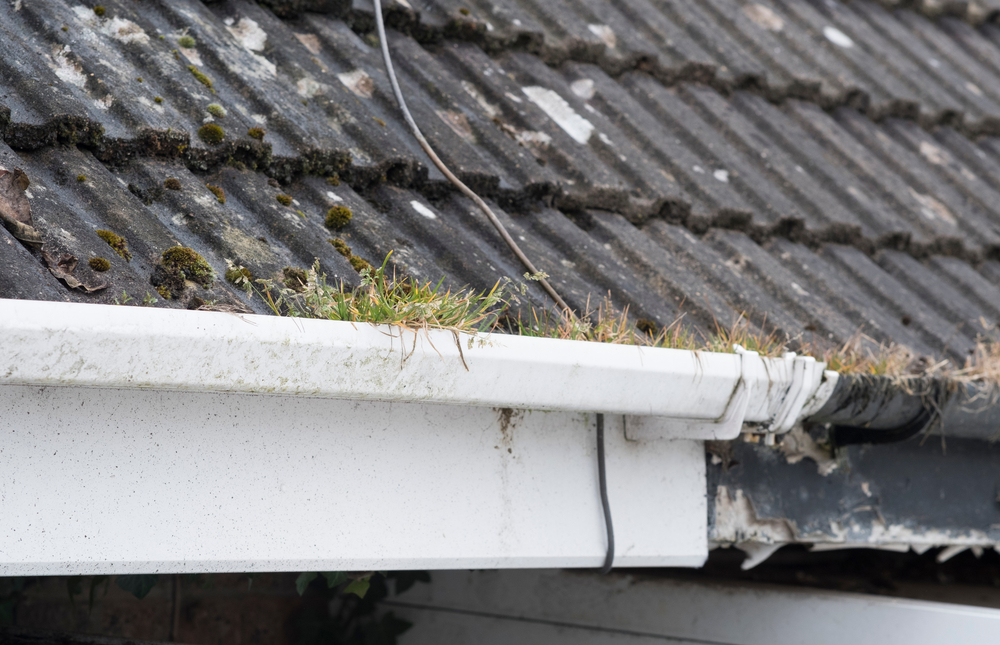
Many older homes still sport their original—or at least decades-old—gutters. In some cases, these might be galvanized steel, wood, or even heavy cast iron. While they may look sturdy, time takes a toll on these materials that is not always visible from the ground. When these systems fail, the consequences for an older home are often far more severe than for a new build.
Vulnerable Foundations
The most critical function of a gutter system is to divert rainwater away from the home’s foundation. Modern homes often have concrete foundations with waterproofing barriers. Older homes, however, often sit on foundations made of brick, stone, or older concrete blends that are far more porous.
When an old gutter system clogs, leaks, or sags, water spills directly over the edge and pools around the base of the house. Over time, this saturation compromises the mortar between bricks and stones. In freezing temperatures, this water expands, causing cracks and heaving. For an old home, foundation repair is not just expensive; it can compromise the structural stability of the entire frame. A modern, seamless gutter system ensures that water is transported a safe distance away from these sensitive areas.
Rotting Fascia and Soffits
In many historic architectural styles, the fascia boards and soffits are made of solid wood, often featuring intricate detailing. Old, seamed gutters are prone to leaking at the joints. Even a slow drip, occurring over months or years, keeps the wood behind the gutter constantly damp.
This creates the perfect breeding ground for dry rot and mold. Because the rot starts behind the gutter, homeowners often don’t notice it until the gutter literally falls off the house, taking a chunk of the roofline with it. Updating to a new system protects this vintage woodwork, preserving the architectural details that give your home its value.
Basement and Crawl Space Flooding
Older homes frequently feature cellars, basements, or crawl spaces that were not designed with modern waterproofing standards in mind. When gutters fail to move water away from the perimeter, the soil becomes hydrostatic, pushing water through the path of least resistance—usually the walls of your basement.
Chronic dampness in these lower levels leads to mold growth that can permeate the rest of the house, affecting indoor air quality. By installing a high-capacity modern gutter system, you essentially put a shield around your home’s footprint, keeping your basement dry and your storage items safe.
The Evolution of Gutter Materials: Then vs. Now
To understand why your old home needs an update, it helps to understand what you are likely currently working with. Gutter technology has advanced significantly in the last few decades.
The Problem with Old Materials
- Galvanized Steel: Popular in the mid-20th century, these are prone to rust. Once the zinc coating wears off, the steel corrodes, leading to holes and structural failure.
- Wood Gutters: Common in very old homes (Victorian era), these require high maintenance, including regular oiling. If neglected, they rot quickly and are heavy, straining the roof eaves.
- Seamed Aluminum: An improvement over steel, but the seams (where two sections connect) are weak points. Sealants degrade over UV exposure, leading to inevitable leaks.
The Advantages of Modern Materials
Today, we primarily use aluminum and copper, but the manufacturing process is what has changed the game.
- Seamless Aluminum: Modern gutter installation services typically utilize seamless technology. A machine forms the gutter on-site from a single continuous coil of metal, customized to the exact length of your roofline. This eliminates the seams every ten feet, which are the primary source of leaks in older systems.
- Copper: For historic homes, copper is the gold standard. It is incredibly durable, does not rust (it develops a protective patina), and matches the aesthetic of historic architecture perfectly. While an investment, a copper gutter system can last 50 to 100 years, essentially serving as a lifetime solution for the home.
Signs Your Historic Home Needs New Gutters
How do you know if it’s time to retire your current system? While some signs are obvious, others require a keener eye.
1. Visible Sagging or Pulling Away
Old installation methods often used spikes and ferrules—long nails driven through the gutter into the fascia. Over time, the weight of water, debris, and snow, combined with the expansion and contraction of the wood, works these spikes loose. If you see your gutters dipping in the middle or pulling away from the roofline, the pitch is ruined. Water will pool rather than flow, and the system needs to be replaced with modern hidden hangers that screw securely into the structure.
2. Peeling Paint or Rust Stains
Take a walk around the perimeter of your home. Do you see orange flecks on your siding? Do you see paint peeling on the siding immediately below the gutter line? This indicates that water is splashing over the back or front of the gutter rather than flowing through the downspouts. This "splash-over" is often due to gutters that are too small for the volume of water the roof collects—a common issue in older homes with steep roof pitches.
3. Water Marks on the Interior
It sounds counterintuitive, but a gutter problem can manifest inside your house. If the gutters are clogged or misaligned, water can back up under the shingles and seep into the attic or wall cavities. If you notice water stains on the ceilings or walls of your upper floors, don’t just look at the roof shingles; check the gutters.
4. Erosion in the Landscaping
If you have trenches forming in your flower beds directly under the roofline, your gutters are failing. This means water is cascading over the edge like a waterfall, washing away mulch and topsoil. This erosion is the first step toward the foundation damage we discussed earlier.
Restoring Function Without Ruining Aesthetic
One of the biggest hesitations owners of older homes have regarding gutter replacement is the fear of ruining the "look." They worry that shiny, modern white aluminum will clash with their Victorian, Tudor, or Colonial facade.
This is a valid concern, but one that professional roofing and gutter contractors are well-equipped to handle.
Color Matching and Materials
Modern aluminum gutters come in dozens of baked-on enamel colors. You can easily match the gutter tone to your trim, siding, or roof color to make them blend in seamlessly. For a more authentic look, half-round gutters (which look like a tube cut in half) are historically accurate for homes built before 1950. Unlike the boxy K-style gutters on modern suburban homes, half-round gutters complement the curves and crown molding of historic architecture.
Copper: The Timeless Choice
As mentioned, copper is often the preferred choice for high-end historic renovations. It starts as a bright penny color and slowly weathers to a rich bronze, and eventually a green verdigris. This isn’t just a gutter; it’s an architectural feature that adds significant curb appeal and value to the property.
The Role of Professional Installation
You might be tempted to head to a big-box store and buy pre-cut gutter sections to save money. On an older home, this is almost always a mistake. Older homes rarely have perfectly straight rooflines. They have settled over time, meaning the fascia boards may bow or dip.
Installing gutters on an uneven structure requires professional expertise to ensure the proper pitch. The "pitch" is the slight angle at which the gutter hangs to ensure water flows toward the downspout. If you install gutters level on a house that has settled, water will pool in the center, causing the gutter to collapse.
Professional installers use levels and custom fabrication to account for the quirks of an older structure. They can also navigate complex rooflines, such as turrets, dormers, and widow’s walks, which are common in historic architecture.
For homeowners in our area looking to preserve their investment, Cola City Roofing offers expert assessments to determine the best approach for your specific property.
Maintenance vs. Replacement: Making the Right Call
Not every gutter issue requires a full tear-off and replacement. Sometimes, a historic home just needs some targeted care.
If your gutters are relatively new (less than 15 years old) and are made of aluminum, but you are experiencing leaks at the corners, a professional repair might be the answer. Re-sealing miters, re-securing loose hangers, and adjusting the pitch can extend the life of a system.
However, if your gutters are rusted through, crushed, or if the style is insufficient for the amount of rainfall your roof sheds, replacement is the more economical long-term option. Pouring money into patching a rusted steel gutter is a losing battle.
If you are unsure whether you need a repair or a replacement, it is best to consult with experts who can inspect the condition of the metal and the fascia behind it. You can learn more about restoration options through our gutter repair services .
Modern Gutter Guards: A Savior for Old Homes
Another major upgrade available to modern homeowners is the gutter guard system. Older neighborhoods are often characterized by mature trees—oaks, maples, and pines that tower over the houses. While these trees provide shade and beauty, they drop massive amounts of leaves, twigs, and pollen onto the roof.
In an older gutter system, this debris creates clogs immediately. When wet leaves sit in a gutter, they become heavy, adding strain to the already aging fascia boards. They also trap moisture, accelerating rust and rot.
Installing a modern gutter guard system keeps debris out while allowing water to flow freely. For an older home, this is less about convenience and more about preservation. By keeping the gutters light and free-flowing, you reduce the physical stress on the home’s exterior structure.
How Quality Installation Gives Peace of Mind
At the end of the day, your home is your sanctuary. The creaks in the floorboards should be comforting, not a warning sign of water damage. By updating your gutter system, you are taking a proactive step to secure the envelope of your home.
You are preventing basement floods during heavy storms. You are stopping the slow rot of your antique fascia boards. You are ensuring that the foundation that has held your home up for decades continues to do so for decades more.
Modern gutter systems offer a "set it and forget it" reliability that old systems simply cannot match. With seamless technology, durable finishes, and professional installation, you can rest easy knowing that when the rain falls, your historic home is handling it just as efficiently as a brand-new build.
Conclusion
Don’t let a failing gutter system compromise the history and value of your home. Whether you need a period-correct copper installation or a modern, high-capacity seamless aluminum system, upgrading is one of the smartest investments you can make in your property’s longevity.
If you suspect your old home’s gutters are not up to the task, or if you simply want an inspection to check for hidden water damage, reach out to the professionals. Visit our contact us page today to schedule an evaluation. Let’s keep your classic home dry, safe, and beautiful for generations to come.
Detailed Breakdown: Why Flow Capacity Matters for Historic Roofs
To further understand the necessity of updates, we must look at the physics of the roof itself. Many historic homes, particularly those in the Victorian, Tudor, and Cape Cod styles, feature steeply pitched roofs. A steep roof sheds water much faster than a shallow-pitched ranch-style roof.
The Velocity of Water
During a heavy downpour, water accelerates as it travels down a steep slope. By the time it hits the gutter, it is moving with significant velocity. Old, standard 5-inch gutters are often too narrow and shallow to catch this fast-moving water. Instead of falling into the trough, the water often "overshoots" the gutter completely, landing on the ground near the foundation—precisely where you don’t want it.
Upgrading to 6-Inch Gutters
One of the most common upgrades for older homes is moving from a standard 5-inch gutter to a 6-inch gutter. While one inch sounds negligible, a 6-inch gutter can hold approximately 40% more water. This increased capacity is crucial for managing the heavy runoff from steep historic roofs. Furthermore, 6-inch gutters utilize larger downspouts (typically 3×4 inches compared to the standard 2×3 inches). The larger outlet allows debris like pine needles and helicopter seeds to flush through the system rather than creating a bottleneck.
Modernizing your system allows you to resize the gutters based on the actual square footage and pitch of your roof, rather than relying on the "one size fits all" approach of the past.
Preserving the Soffit and Fascia Ecosystem
We touched on rot earlier, but the relationship between gutters, soffits, and fascia on an old home deserves a deeper dive. On a modern home, these elements are often made of vinyl or aluminum wrapping, which is impervious to rot. On an old home, they are timber.
The Fascia Board
This is the board that runs horizontally along the roofline, to which the gutters are attached. In older homes, this is often old-growth lumber. While durable, once it begins to rot, it loses its ability to hold a screw. If your gutters are attached to rotting fascia, they are essentially hanging by a thread. A strong wind or heavy snow load can rip them off entirely.
During a professional gutter update, a reputable contractor will inspect the fascia. If rot is found, the wood must be replaced or reinforced before new gutters are installed. This is a restoration project in itself. Simply slapping new gutters over rotten wood is a recipe for failure.
The Soffit
The soffit is the exposed surface beneath the overhanging section of a roof eave. In older homes, soffits often contain vents that allow the attic to breathe. If overflowing gutters constantly saturate the soffit, the paint peels, the wood warps, and the vents can become blocked with mold or paint buildup. This chokes off airflow to the attic, leading to superheated attics in the summer and ice dams in the winter.
By installing a properly sized and pitched gutter system, you ensure that water drops cleanly away from the house, keeping the soffit dry and the attic ventilation functioning as intended.
Ice Dams: An Old Home Nightmare
While we often think of rain, frozen precipitation is a major enemy of old gutter systems. Older homes typically have less insulation in the attic than modern homes. This allows heat from the living space to escape through the roof, melting the bottom layer of snow sitting on the shingles.
This melted snow runs down the roof until it hits the eaves, which are colder because they don’t have heat underneath them. The water refreezes, creating an ice dam.
If you have old, clogged, or slow-draining gutters, they act as a trap for this ice. The ice builds up in the gutter trough and works its way under the shingles. When it melts again, it leaks directly into the walls.
While improved insulation is the primary cure for ice dams, a high-quality gutter system is the second line of defense.
- Strength: Modern heavy-gauge aluminum gutters can withstand the weight of ice better than old, brittle metal or rotting wood.
- Flow: Swift drainage prevents water from lingering in the gutter long enough to freeze solid.
- Protection: Gutter guards can prevent snow from accumulating inside the trough, keeping the channel open for meltwater to escape.
The Aesthetic Value of New Gutters
Real estate agents will tell you that "curb appeal" is real, but for historic homes, it’s about "architectural integrity." Nothing ruins the look of a beautifully restored 1920s bungalow faster than a rusted, hanging gutter or a downspout that is held together with duct tape.
Customization Options
Modern gutter manufacturers offer profiles that mimic historic styles.
- Ogee (K-Style): While K-style is the standard modern shape (looking somewhat like crown molding), it fits well with Colonial and Georgian homes because it mimics the trim lines.
- Half-Round: As discussed, this is the go-to for Victorian, Arts and Crafts, and European styles.
- Box Gutters: Some historic homes have "built-in" or box gutters that are part of the roof structure. These are notoriously difficult to maintain. Modern professionals can line these box gutters with PVC or EPDM membranes, or custom-fabricate metal inserts that make them waterproof without altering the external appearance of the cornice.
Downspout Placement
In the past, downspouts were often placed wherever it was easiest, sometimes right in the middle of a prominent architectural feature. Modern system design involves strategic placement. We can route downspouts to the corners of the home, paint them to blend with the siding, or use decorative rain chains in garden areas to turn a functional element into a visual asset.
Environmental Considerations: Water Harvesting
Many owners of old homes are also interested in sustainability. Modern gutter systems are the first step in rainwater harvesting. Because new gutters are clean and free of rust and lead paint chips (common in very old systems), the water they collect is cleaner.
You can divert your modern downspouts into rain barrels to water your historic gardens. This not only saves on water bills but also reduces the load on the municipal storm sewer system. However, this is only possible if the gutter system effectively captures 100% of the runoff without leaking at the seams—another point for the seamless aluminum upgrade.
Conclusion: A Necessary Investment
We understand that gutters are not the most exciting home improvement project. They lack the glamour of a kitchen remodel or the coziness of a new fireplace. However, they are arguably the most important functional upgrade you can make for the longevity of an older structure.
Think of a new gutter system as an insurance policy for your foundation, your siding, your roof, and your landscaping. It preserves the structural bones of the house so that you can continue to enjoy the aesthetic beauty of it.
Whether you have a 100-year-old Victorian farmhouse or a mid-century modern gem, the principles of water management remain the same: capture it, control it, and move it away. If your current system is failing at any of these three tasks, it is time for a change.
At Cola City Roofing, we specialize in the unique needs of older homes in our region. We treat every property with the respect it deserves, ensuring that our installations strengthen the home without compromising its character.
Don’t wait for the next storm to reveal a leak in your basement or a rot spot in your fascia. Be proactive. Explore our gutter installation services to see how we can help, or check out our gutter repair services if you think a tune-up might suffice.
Protect your history. Protect your investment. Upgrade your gutters today. For a consultation, please visit colacityroofing.com and let us help you keep your home dry and secure.