
When the skies darken and thunder begins to rumble in the distance, the last thing on most homeowners’ minds is the state of their gutter system. We tend to focus on closing windows, bringing in patio furniture, and perhaps checking the emergency flashlight. Yet, as the first drops of a torrential downpour hit your roof, your gutters become the most critical line of defense for your home.
In Columbia, SC, we are no strangers to sudden, intense storms. Heavy rainfall can dump inches of water on your property in a matter of hours. Without a properly functioning drainage system, that water has nowhere to go but where it shouldn’t—into your foundation, behind your siding, or through your roof.
Preparing your gutters for heavy rainfall isn’t just about cleaning out a few leaves; it’s about safeguarding the structural integrity of your biggest investment. This comprehensive guide will walk you through why preparation matters, the subtle signs of failure to look for, and actionable steps to ensure your home stands strong against the storm.
The Critical Role of Gutters During Storms
To understand why preparation is vital, we must first appreciate the volume of water your roof handles. For every inch of rain that falls on a 1,000-square-foot roof, approximately 600 gallons of water are collected. In a heavy storm dropping two or three inches of rain, your gutters could be tasked with channeling nearly 2,000 gallons of water away from your home.
If your gutters are clogged, damaged, or poorly pitched, that massive volume of water becomes a destructive force. It acts like a waterfall, pounding the soil around your home’s perimeter.
Protecting the Foundation
The primary job of your gutter system is to protect your foundation. When gutters overflow, water pools around the base of your house. This saturation causes the soil to expand and contract, putting immense pressure on your foundation walls. Over time, this leads to cracks, shifting, and potentially catastrophic structural failure. Proper heavy rainfall preparation ensures that water is deposited safely away from these vulnerable areas.
Preserving Siding and Masonry
Water cascading over the edge of a gutter doesn’t just hit the ground; it often runs down the side of your house. This constant exposure can rot wood siding, erode brick mortar, and leave unsightly stains on vinyl. It also creates a damp environment perfect for mold and mildew growth, which can eat away at your home’s exterior materials.
Preventing Basement Flooding
If you have a basement or crawlspace, overflow from gutters is a leading cause of flooding. As water pools against the foundation, hydrostatic pressure forces it through even the smallest cracks in your basement walls. Keeping your gutters clear is the first and most effective step in waterproofing your basement.
Signs Your Gutters Are Not Ready for Rain
Many homeowners assume their gutters are fine because they don’t see trees growing out of them. However, issues often hide in plain sight. Before the next big storm hits, take a walk around your property and look for these warning signs.
1. Sagging or Pulling Away
Gutters should be firmly attached to the fascia board. If you notice them sagging in the middle or pulling away from the roofline, the fasteners have likely failed. A sagging gutter cannot maintain the proper slope required to drain water efficiently. During heavy rain, the weight of the water will only worsen the sag, potentially causing the entire section to collapse.
2. Rust and Cracks
Metal fatigue is real. If you have older steel or aluminum gutters, look for orange flecks of rust or small cracks. While a tiny hole might seem insignificant, water under pressure will find it and widen it. During a heavy downpour, these small leaks turn into streams that damage your siding.
3. Peeling Paint on Siding
Look at the exterior walls of your home, specifically directly beneath the gutter line. Is the paint peeling or bubbling? This is a classic sign that water is overflowing or leaking behind the gutter and running down the wall. This indicates that your gutters are either clogged or misaligned.
4. Pooling Water Near Downspouts
Check the ground where your downspouts empty. Is there a divot in the dirt? Is there standing water hours after a light rain? This suggests that the water isn’t being moved far enough away from the house. You may need extensions or splash blocks to improve drainage.
5. Streaks of Tiger Striping
"Tiger striping" refers to the vertical dirt lines often seen on the face of gutters. While this is partly cosmetic, heavy striping can indicate that water is constantly overflowing the front lip of the gutter rather than flowing down the drain.
If you spot any of these issues, it is time to consider professional help. Our gutter repair services can address these problems before they escalate into major water damage.
Step-by-Step Guide to Preparing for Heavy Rain
Preparation is the key to peace of mind. Follow these steps to ensure your system is ready for whatever the weather brings.
Step 1: The Essential Clean-Out
The most obvious step is often the most neglected. Gutter maintenance begins with a thorough cleaning.
- Safety First: Use a sturdy ladder on stable ground. If you are uncomfortable with heights, hire a professional.
- Remove Debris: wear gloves and scoop out leaves, twigs, and sediment. Don’t just focus on the big stuff; the sludge at the bottom is what often causes clogs in the downspouts.
- Flush the System: Once the large debris is gone, use a garden hose to flush the gutters. This reveals leaks and ensures water is flowing correctly toward the downspouts.
Step 2: Clear the Downspouts
A clean gutter is useless if the downspout is blocked. If water backs up during your hose test, you have a clog.
- Tap and Listen: Tap the side of the downspout with a screwdriver handle. A dull thud usually indicates a clog, while a hollow ring means it’s clear.
- Snake it Out: Use a plumber’s snake or a high-pressure hose attachment to dislodge stubborn blockages.
- Check the Outlet: Ensure the bottom of the downspout isn’t buried in dirt or mulch, blocking the exit.
Step 3: Check the Pitch
Gutters must be sloped slightly downward toward the downspouts to work. The general rule is a quarter-inch of slope for every 10 feet of gutter.
- The Level Test: While it’s hard to eyeball, you can check this during your hose flush. If water sits still in the middle of the gutter and doesn’t drain, the pitch is off.
- Re-hanging: This often requires loosening the hangers and adjusting the height. This is a precise task that is often best left to Columbia SC gutter repair professionals.
Step 4: Inspect Seams and Joints
If you have sectional gutters (as opposed to seamless), the seams are the weak points. Over time, the sealant degrades.
- Clean and Dry: Ensure the area is bone dry before applying new sealant.
- Apply Generously: Use a high-quality gutter sealant on the inside of the gutter at every seam, end cap, and corner.
Step 5: Secure the Hardware
Heavy rain adds significant weight to your gutters. Weak hangers will pull out.
- Tighten Screws: Go along the line and tighten every mounting screw.
- Upgrade Hangers: If you have the old spike-and-ferrule style hangers (big nails), consider replacing them with modern hidden hangers. These screw into the fascia and provide much stronger support against the weight of heavy rain.
The Importance of Diverting Water Away
Getting the water off the roof is only half the battle. You must control where it goes once it hits the ground. Many basement floods happen simply because downspouts dump water right next to the foundation wall.
Install Downspout Extensions
Standard downspouts often terminate just a few inches above the ground. Extensions are affordable attachments that can carry water 4 to 6 feet away from the house. You can choose flexible plastic versions that can be moved for mowing or rigid metal ones for a more permanent look.
Use Splash Blocks
If extensions aren’t feasible due to walkways or landscaping, use splash blocks. These concrete or plastic pads sit under the downspout and fan the water out, preventing it from digging a hole in the ground and directing it away from the foundation.
Consider French Drains
For areas with severe drainage issues, a French drain might be the solution. This involves connecting your downspouts to underground pipes that carry the water to a designated drainage area or dry well far from your home.
Dealing with Heavy Tree Coverage
In Columbia, our beautiful oaks and pines are a double-edged sword. They provide shade but drop an endless supply of debris. If your home is surrounded by trees, standard maintenance might not be enough for heavy rainfall preparation.
Frequency is Key
While most homes need cleaning twice a year, homes with heavy tree coverage may need it four times a year or more. The most critical times are late spring (after pollen and seeds drop) and late fall (after leaves fall).
Gutter Guards
Installing gutter guards can significantly reduce the risk of clogs during a storm. While they don’t eliminate the need for maintenance entirely, they prevent large mats of wet leaves from blocking the flow of water. There are various types, from mesh screens to solid covers. Choosing the right one depends on the type of debris you deal with (pine needles vs. broad leaves).
Why Professional Inspection Matters
While DIY maintenance is great for day-to-day care, preparing for heavy rainfall sometimes requires a trained eye. Professionals can spot issues that homeowners miss.
- Fascia Rot: A pro will look behind the gutter to check the condition of the wood. If the fascia is rotting, the gutters will eventually fall off.
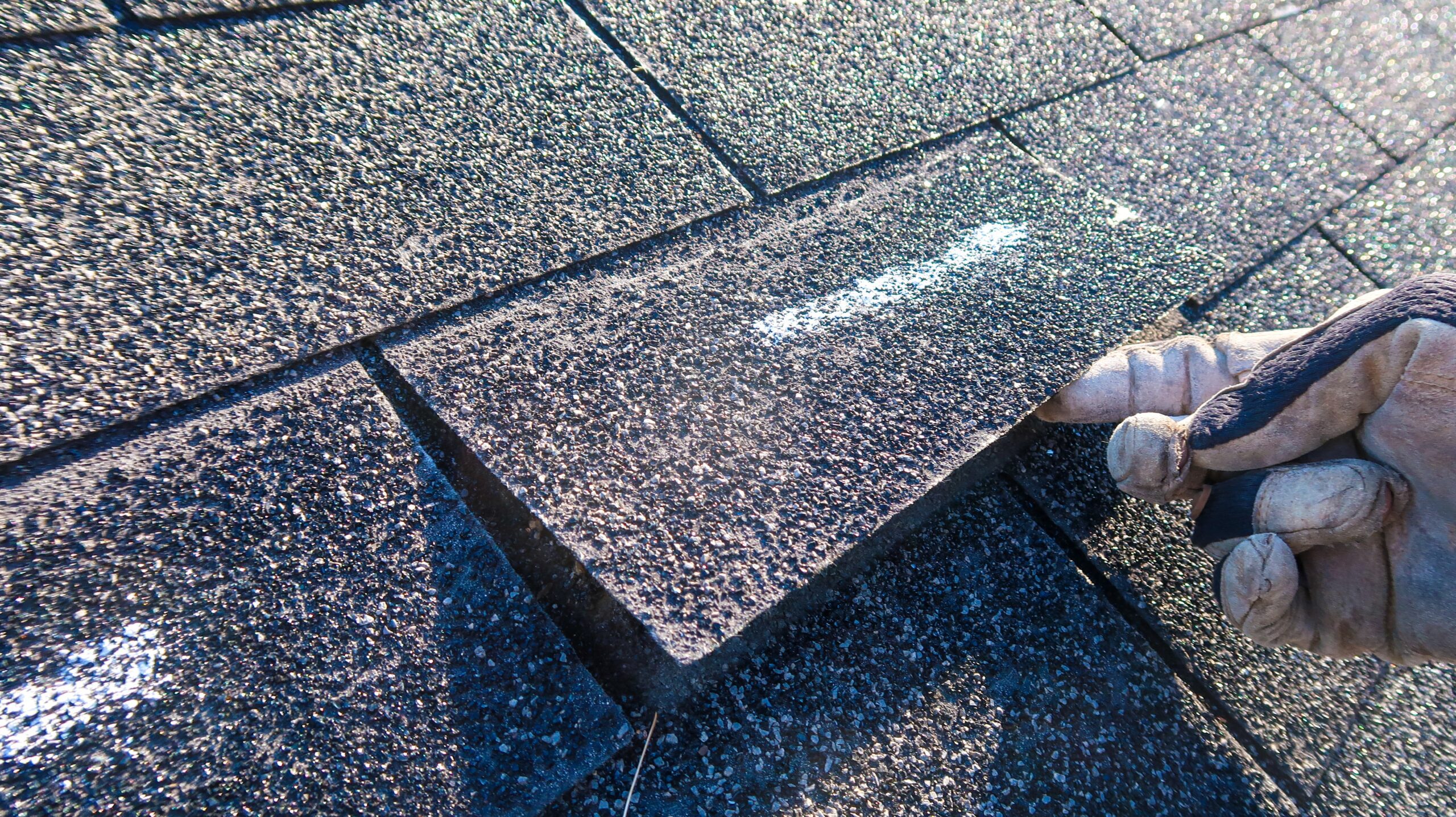
- Roof Integrity: Often, gutter issues are actually roof issues. Damaged shingles or poor flashing can cause water to overshoot gutters.
- Proper Sizing: Sometimes, the problem isn’t a clog; it’s capacity. If you have a steep roof or a large surface area, standard 5-inch gutters might be too small to handle a torrential downpour. A professional can calculate the flow rate and recommend upgrading to 6-inch gutters.
If you are unsure about the state of your system, don’t guess. Contact us for a professional assessment. It is a small investment that can prevent thousands of dollars in water damage.
Emergency Steps During a Storm
What if you didn’t get around to maintenance and a massive storm hits? If you see water pouring over the sides of your gutters:
- Don’t Climb a Ladder: Never attempt to clean gutters during a storm. Wet ladders and lightning are a deadly combination.
- Check Surface Drainage: Ensure the water hitting the ground is flowing away from the house. If it’s pooling, use a shovel to dig a temporary trench to divert it.
- Inspect Inside: Go to the attic and check for leaks. Go to the basement and check for water intrusion.
- Wait it Out: Once the rain stops and the roof dries, prioritize your gutter maintenance immediately.
The Cost of Neglect vs. The Cost of Maintenance
It is easy to push gutter cleaning to the bottom of the to-do list. However, looking at the numbers puts things in perspective.
The Cost of Maintenance:
- DIY cleaning: $0 (plus time)
- Professional cleaning: Typically $150 – $300 depending on home size.
- Minor repairs: $100 – $500.
The Cost of Water Damage:
- Landscape repair: $500 – $2,000.
- Rotted fascia and soffit repair: $1,000 – $3,000.
- Mold remediation: $2,000 – $6,000.
- Foundation repair: $5,000 – $15,000+.
Investing in regular maintenance and timely Columbia SC gutter repair is financially savvy. It extends the life of your roof, your siding, and your foundation.
Seasonal Considerations for Rainfall
Heavy rain isn’t just a summer thunderstorm issue. Each season presents unique challenges for drainage.
Spring Showers
Spring brings heavy rains and "helicopter" seeds from trees. These seeds are small enough to pass through some screens but large enough to clog downspouts. Preparation involves clearing winter debris and checking for ice damage from the previous season.
Summer Storms
Summer storms in the South are intense and sudden. The volume of water is the main challenge. Ensuring your downspouts are clear and your extensions are in place is critical to handle the rapid influx of water.
Fall Hurricanes
Fall brings the risk of tropical storms and hurricanes. Wind-blown debris is a major factor. Before a named storm hits, doing a quick check to ensure gutters are securely fastened is vital, as high winds can rip loose gutters right off the house.
Winter Rains
Cold winter rains can be just as damaging. If debris traps water in the gutter and the temperature drops, you get ice dams. Keeping gutters clear in winter prevents this freeze-thaw damage.
Conclusion: Be Proactive, Not Reactive
Water is the most persistent force in nature. It will always find the path of least resistance. As a homeowner, your goal is to ensure that path leads away from your living room and foundation.
Preparing your gutters for heavy rainfall is a fundamental aspect of responsible homeownership. It requires vigilance, a bit of elbow grease, and the wisdom to know when to call in the experts. By following the steps outlined in this guide—cleaning regularly, inspecting for damage, and ensuring proper diversion—you can sleep soundly through the next thunderstorm.
Don’t wait for the water stains to appear on your ceiling. Take action today. Whether you need a simple repair, a full replacement, or just an honest assessment of your current system, we are here to help.
Visit our gutter repair services page to learn more about how we can fortify your home against the elements. If you suspect your home is vulnerable, contact us immediately to schedule an inspection. Let’s keep your home dry, safe, and secure, no matter how hard it rains.
Frequently Asked Questions About Gutter Preparation
Q: How often should I clean my gutters to prepare for rain? A: At a minimum, you should clean them twice a year—once in late spring and once in late fall. However, if you have pine trees or overhanging branches, every three months is safer to ensure heavy rainfall preparation .
Q: Can I use a leaf blower to clean my gutters? A: Yes, using a leaf blower with a gutter attachment can be effective for dry leaves. However, it often fails to remove the wet, heavy sludge at the bottom of the gutter. Manual cleaning or high-pressure water flushing is usually more thorough.
Q: How do I know if my gutters are big enough for heavy rain? A: Standard residential gutters are 5 inches wide. If you experience overflow during heavy rains despite the gutters being clean, you likely need to upgrade to 6-inch gutters. This larger size can handle approximately 40% more water volume.
Q: Why is water dripping between the gutter and the house? A: This usually indicates a "drip edge" issue. The metal flashing on your roof edge should hang over the back of the gutter. If it doesn’t, water rolls behind the gutter. This can also be caused by the gutter pulling away from the fascia board. This requires professional Columbia SC gutter repair .
Q: Are gutter guards worth the investment for storm prep? A: Yes. While they are an upfront cost, they drastically reduce the chance of a clog causing an overflow during a storm. They are particularly valuable for homeowners who cannot physically clean their gutters frequently or for rental properties where maintenance might be less frequent.