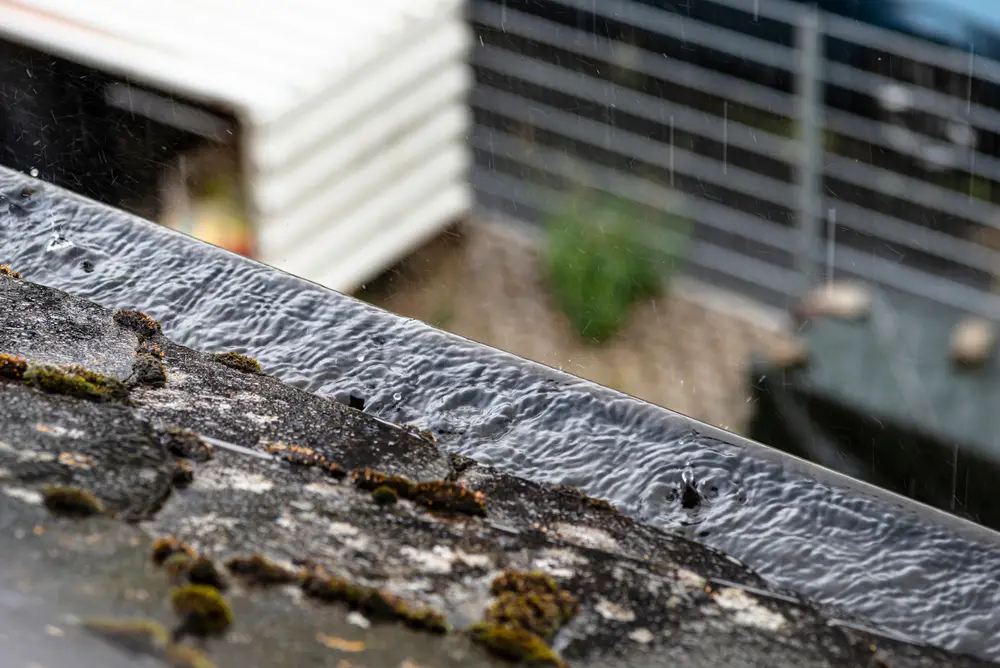
It starts as a trickle. A heavy rainstorm rolls in, and you notice water spilling over the edge of your roofline instead of traveling neatly down the spout. Maybe you think, "I’ll clean those out next weekend." But next weekend comes and goes, and the water keeps pouring over. It seems like a minor annoyance—a bit of splashing, perhaps a puddle near the porch.
However, overflowing gutters are often the first sign of a much larger, more expensive problem brewing silently around your home. What looks like a simple clog can quickly escalate into foundation issues, roof rot, basement flooding, and landscape erosion. Your gutter system is the unsung hero of your home’s exterior defense, designed to channel thousands of gallons of water safely away from your property. When it fails, that water has to go somewhere—and it usually goes exactly where you don’t want it.
Professional gutter services in South Carolina are designed to prevent this exact kind of water mismanagement before it leads to structural damage.
In this comprehensive guide, we will explore why overflowing gutters are a critical issue you cannot afford to ignore. We will break down the hidden dangers, the science of water damage, and the actionable steps you can take to protect your biggest investment.
The Mechanics of a Gutter Failure
To understand the problem, you must first understand the purpose. Your roof collects a massive amount of water during a storm. A one-inch rainfall on a typical 2,000-square-foot roof yields roughly 1,250 gallons of water. That is a significant volume of liquid that needs to be transported from the top of your house to a safe drainage area.
When gutters are clogged with leaves, pine needles, twigs, and sediment, that water hits a dam. It fills the trough and spills over the front and back edges. This isn’t just "extra water." It is concentrated water. Instead of rain falling evenly across your yard, you have a waterfall crashing down in a straight line along your home’s perimeter.
Common Causes of Overflowing
Before we dive into the damage, let’s identify why this happens:
- Debris Accumulation: The most obvious culprit. Leaves and organic matter create dams.
- Improper Pitch: Gutters must be angled slightly toward the downspout. Even a small installation error can prevent proper drainage. If they sag or were installed flat, water pools and eventually spills over.
- Insufficient Size: Some homes have gutters that are too narrow (typically 5-inch) to handle the volume of water coming off a steep or large roof during a heavy downpour.
- Clogged Downspouts: Sometimes the gutter trough is clear, but the clog is hidden inside the vertical pipe, backing water up to the roofline.
The Cascade Effect: How Water damages Your Home
The reason overflowing gutters are "bigger than you think" is because the damage is rarely immediate. It is cumulative. What starts as a minor overflow can escalate into hidden structural deterioration most homeowners never see coming. It happens slowly, often out of sight, until a structural failure forces you to pay attention.
1. Foundation Destabilization
This is the most severe and expensive consequence of neglected gutters. Your home’s foundation relies on the surrounding soil being relatively stable. When gutters overflow, water dumps directly next to the foundation wall.
- Hydrostatic Pressure: As the soil saturates, it expands and pushes against your basement or crawlspace walls. This pressure can crack concrete and masonry.
- Settling and Shifting: Over time, the water can wash away the soil supporting the footing of the house. This erosion causes the foundation to settle unevenly, leading to cracked drywall inside the house, doors that won’t close, and uneven floors.
- Basement Flooding: Cracks in the foundation are an open invitation for water. Once the water table rises around your home due to overflow, it will seep into your basement, ruining finished areas and promoting mold growth.
Investing in gutter repair services is significantly cheaper than excavating a foundation to repair structural cracks.
2. Roof and Fascia Rot
We often think of gutters protecting the ground, but they also protect the roof edge. When gutters fill with water and debris, they become extremely heavy. This weight pulls on the fascia board (the board the gutter is attached to).
Furthermore, when water overflows, it doesn’t just go over the front; it often wicks backward. This phenomenon, known as capillary action, pulls water up under the roof shingles and behind the fascia.
- Rotting Fascia: Continuous exposure to trapped moisture causes the wooden fascia boards to rot. Since these boards hold your gutters up, the rot eventually leads to gutters falling off the house entirely.
- Soffit Damage: The water can travel into the soffit (the underside of the roof overhang), leading to rot and creating entry points for pests like squirrels and birds.
- Roof Decking Decay: If water backs up under the shingles, the plywood decking of your roof can begin to rot, compromising the structural integrity of the roof edge.
3. Siding and Exterior Wall Damage
Water cascading over the side of a gutter splashes dirty, debris-filled water onto your siding. Over time, this constant moisture can cause serious aesthetic and structural issues.
- Staining: Wood, vinyl, and brick siding can develop unsightly stains from splashing mud and organic decay.
- Paint Damage: For painted wood homes, excess moisture causes peeling and bubbling paint.
- Structural Rot: If there are any gaps in your siding or around windows, that waterfall can find its way behind the cladding. Once water gets behind siding, it becomes trapped, rotting the wall sheathing and framing studs unseen.
4. Landscape Erosion
You spend time and money making your yard look beautiful. Overflowing gutters can ruin that investment in a single storm. The force of falling water acts like a pressure washer on your flower beds.
- Soil Displacement: The concentrated stream washes away mulch and topsoil, exposing plant roots and killing expensive shrubbery.
- Trenches: Over time, the dripping water cuts deep trenches into the ground around your home’s perimeter, which can be a tripping hazard and an eyesore.
- Driveway Damage: If your downspouts or gutters overflow onto a driveway, the water can erode the substrate beneath the concrete or asphalt, leading to cracks, potholes, and sinking slabs.
The Insect Connection: Breeding Grounds for Pests
Stagnant water is a magnet for pests. When your gutters are clogged and overflowing, they essentially become raised wetlands attached to your house.
- Mosquitoes: It takes only a small amount of standing water for mosquitoes to lay eggs. Clogged gutters are one of the primary breeding grounds for mosquitoes in residential areas.
- Termites: Subterranean termites need moisture to survive. If your overflowing gutters are saturating the soil right next to your foundation, you are creating the perfect environment for a termite colony to thrive and attack your home.
- Carpenter Ants: Wet, rotting fascia boards caused by gutter backup are a favorite nesting site for carpenter ants.
Warning Signs Your Gutters Are Failing
You don’t always have to wait for a rainstorm to know you have a problem. Inspect your home periodically for these subtle signs that your water management system is failing. Many of these issues begin with subtle warning signals long before major damage appears:
- Tiger Striping: Look for vertical dark streaks on the outside of your gutters. This indicates that water is regularly spilling over the lip rather than traveling to the downspout.
- Sagging Gutters: If the gutter line looks uneven or is pulling away from the house, the weight of water and debris is taking its toll.
- Peeling Paint on Siding: Check the siding directly below the gutter line. If the paint is peeling there but nowhere else, you likely have a splash-over issue.
- Mildew near Foundation: Green algae or mildew growing on the foundation wall suggests excessive moisture in that area.
Prevention and Solutions: How to Protect Your Home
Understanding the problem is half the battle; the other half is solving it. Ignoring overflowing gutters is not an option if you want to maintain your home’s value. Here are the steps you need to take.
1. Regular Maintenance and Cleaning
The most straightforward solution is often the most neglected. Gutters should be cleaned at least twice a year—once in the spring and once in the late fall. If you have many pine trees (which shed year-round) or large oaks, you may need to clean them quarterly.
Cleaning involves removing the muck from the troughs and flushing the downspouts with a hose to ensure clear flow. While this is a DIY task for many, climbing ladders can be dangerous. Hiring a professional service ensures the job is done safely and thoroughly.
2. Gutter Guards and Leaf Protection
If you are tired of the constant cleaning cycle, consider installing gutter guards. These systems sit on top of or inside the gutter, allowing water to enter while keeping leaves and debris out.
While no system is 100% maintenance-free, high-quality guards significantly reduce the frequency of cleaning and virtually eliminate the risk of unexpected clogging during storms. They are an investment that pays off by protecting your foundation and saving you labor.
3. Verify Pitch and Alignment
Sometimes, a clean gutter still overflows. This is usually a pitch issue. A professional roofer can use a level to check if your gutters are sloped correctly toward the downspouts. Re-hanging or re-aligning gutters is a precise job that can restore proper function to an older system.
4. Upgrading to Seamless Gutters
Older, sectional gutters are prone to leaking at the seams and snagging debris on the internal connectors. If your gutters are old, rusted, or undersized, it may be time for a replacement.
Seamless gutters are custom-fabricated on-site to fit your home’s exact dimensions. Because they lack seams (except at corners), water flows more smoothly, and there are fewer potential leak points. Gutter installation services can provide you with a system that is properly sized (consider upgrading to 6-inch gutters for better flow) and professionally installed to handle heavy rainfall.
5. Downspout Extensions
Even if your gutters catch the water, they need to deposit it far away from the house. If your downspout ends right at the foundation, you are still at risk. Install extensions or splash blocks to direct water at least 4 to 6 feet away from the home. For a cleaner look, these can often be buried underground and directed to a pop-up emitter in the yard.
The Cost of Inaction vs. The Cost of Prevention
Homeowners often hesitate to spend money on gutter maintenance or replacement because it doesn’t feel like a "fun" renovation. It’s not a new kitchen or a bathroom remodel. However, the economics of homeownership favor prevention every time.
Consider the costs:
- Gutter Cleaning: A few hundred dollars a year.
- New Gutter Installation: A moderate investment that lasts 20+ years.
- Foundation Repair: Can easily cost $10,000 to $30,000+.
- Mold Remediation: Thousands of dollars, plus potential health risks.
- Landscape Replacement: Hundreds to thousands depending on the plants.
When you view your gutters as an insurance policy for your foundation and roof, the value becomes clear. A functional gutter system is not optional; it is essential infrastructure.
Professional Help is Available
If you are noticing water spilling over your gutters, or if you simply haven’t had them inspected in a few years, do not wait for the next storm to cause damage. Assessing the condition of your roofline, fascia, and drainage system requires a trained eye.
At Cola City Roofing, we understand that your home is a system, and the roof and gutters must work together seamlessly. Whether you need a simple repair, a realignment, or a complete gutter installation , our team has the expertise to ensure your home stays dry and protected.
We can help you navigate the options, from choosing the right size gutters to selecting durable materials that withstand the local climate. Don’t let a "small" trickle turn into a massive headache.
Conclusion
Overflowing gutters are a silent alarm. They are telling you that your home’s primary defense against water damage has been breached. While the immediate symptom is just a splash of water, the long-term prognosis is structural decay, foundation instability, and costly repairs.
By taking proactive steps—cleaning regularly, inspecting for damage, and upgrading when necessary—you protect your home’s longevity and your own peace of mind. Water is a powerful force of nature; make sure your home is equipped to handle it.
If you are concerned about the state of your gutters or need a professional assessment, contact us today. Let’s make sure your home is ready for whatever the weather brings.
Key Takeaways for Homeowners:
- Inspect Often: Check gutters during rain to spot overflows immediately.
- Clean Regularly: Debris is the #1 enemy of a functioning gutter system.
- Watch the Ground: Soil erosion near the foundation is a major red flag.
- Upgrade if Needed: 5-inch gutters may not be enough for your roof size; consider 6-inch options.
- Think Long Term: Gutter maintenance is cheaper than foundation repair.
Frequently Asked Questions About Gutter Overflow
Q: Can overflowing gutters cause ice dams? A: Yes. In winter, clogged gutters trap water which then freezes. This heavy ice builds up at the roof edge, preventing melting snow from draining. This can force water under your shingles and into your home, causing significant interior leaks.
Q: How do I know if my gutters are too small? A: If your gutters are clean and pitched correctly but still overflow during heavy rains, they are likely undersized. A professional can calculate the square footage and pitch of your roof to determine if you need to upgrade to a larger gutter size.
Q: Is it safe to clean gutters myself? A: Ladder falls are a leading cause of home injury. If you are comfortable with heights and have a stable ladder, it is possible. However, for two-story homes or steep roofs, hiring a professional service is safer and ensures a more thorough job.
Q: How long do gutters last? A: Aluminum gutters typically last 20 years, while copper can last 50 years or more. However, their lifespan is significantly reduced if they are not maintained, as wet debris causes corrosion and rot.
Q: Does gutter color matter? A: Functionally, no. However, choosing a color that matches your trim or roof can enhance curb appeal. The most important factor is the material and proper installation.
Keep your home safe and dry. Trust the experts at Cola City Roofing for all your roofing and gutter needs.