When you see a brown stain spreading across your ceiling or water dripping onto your living room floor during a storm, your first thought is almost always: "I have a hole in my roof." It is a logical assumption. The roof is the barrier between you and the rain, so if water is getting in, the roof must have failed.
But what if the roof itself—the shingles, the underlayment, the flashing—is actually fine? What if the culprit is the system designed to carry water away from the roof?
A surprising number of reported roof leaks are not structural roof failures at all. They are gutter problems in disguise. When gutters fail to move water effectively, that water has to go somewhere. Often, it goes up, back, and inside your home.
In this extensive guide, we will explore the often-misunderstood relationship between your drainage system and your roof’s integrity. We will break down how gutter issues masquerade as roof leaks, the specific "roof leak causes" related to drainage, and why "gutter maintenance" is the most underrated form of roof repair.
The Illusion of the Roof Leak
To understand why gutters cause roof leaks, you have to visualize the edge of your roof. This is a complex intersection of materials. You have the roof deck (wood), the fascia (wood), the soffit (wood or vinyl), the shingles (asphalt), and the drip edge (metal).
The gutter hangs off the fascia, ideally tucked just under the drip edge. Its job is simple: catch water coming off the shingles and channel it to the downspouts.
When a gutter is clogged or damaged, that system breaks down. The water fills the trough. Once full, the water rises. Physics dictates that water will seek its own level, but since the back of the gutter is often slightly lower or flush with the roof edge, the water doesn’t just spill over the front—it spills over the back.
This "backflow" is the critical moment where a gutter problem becomes a roof problem. The water travels behind the gutter, wicked up by surface tension against the fascia board and potentially under the shingles. From inside the house, the resulting leak looks exactly like a shingle failure. It manifests near the exterior walls, often trickling down the drywall or soaking the insulation in the attic.
Diagnosing this correctly is vital. If you pay for a roof patch when the problem is a clogged downspout, the leak will return the next time it rains.
How Clogged Gutters Force Water Inside
The most common culprit for these phantom roof leaks is a simple clog. Leaves, pine needles, twigs, and even tennis balls can block the flow of water. In the heavy rains common to Columbia, SC, a clog turns your gutter into a long, narrow swimming pool.
The Mechanics of the Overflow
Imagine a heavy summer thunderstorm. Gallons of water are hitting your roof every minute. That water rushes down the slope and hits the gutter. If the downspout is blocked, the gutter fills up in seconds.
Once the gutter is full, the water becomes heavy. This weight pulls the gutter slightly away from the fascia board. Now you have a gap. The overflowing water spills over the back edge of the gutter, running down the fascia board.
But it doesn’t just run down the outside. Because of the way homes are constructed, that water can seep behind the fascia and into the soffit—the underside of the eave. From the soffit, it can travel laterally into the wall cavity or be absorbed by the insulation in your attic.
Inside your home, you see a wet spot on the ceiling near the wall. You call a roofer to fix a leak. But the shingles above that spot are pristine. The issue is the dam of wet leaves in the gutter.
The "Ice Dam" Effect (Even Without Ice)
We often hear about ice dams in northern climates, where frozen gutters force melting snow under shingles. However, a similar hydraulic principle happens with just water and debris.
If your gutters are packed with dense, wet mulch (decaying leaves), that debris acts like a sponge. It holds water against the roof edge. This constant moisture keeps the edge of the roof deck wet. Over time, the wood rots. Once the wood rots, it becomes porous. The next heavy rain soaks right through the rotted decking and into your home. This is a slow-motion leak caused entirely by a lack of gutter maintenance .
Misaligned Gutters: The Silent Saboteur
It’s not always a clog. Sometimes, the gutter is clean, but the water still ends up inside. This is often due to improper pitch or alignment.
Gutters need to be sloped slightly toward the downspouts to encourage flow. If a gutter is hung perfectly level, or worse, pitched away from the downspout, water will stand still. Standing water is dangerous for a roof.
The Sagging Gutter
Over time, the spikes or hangers holding your gutters can loosen. This causes sections of the gutter to sag. Water collects in these low spots. During a storm, these pools fill up quickly and overflow.
If the sag is near a seam in the roof or a valley (where two roof slopes meet), the volume of water can be overwhelming. The overflow splashes back against the fascia and soffit. If there are any cracks in the paint or gaps in the caulking, water enters the structure.
This type of leak is frustrating because it is intermittent. It might not leak during a light shower, but during a deluge, the "bowl" of the sagging gutter fills up and spills over. Homeowners often chase these leaks for years, patching perfectly good shingles while the gutter sags unnoticed.
If you suspect your gutters are sagging or misaligned, our gutter repair services can re-pitch and secure them, ensuring water moves swiftly away from your home.
The Fascia Board Connection
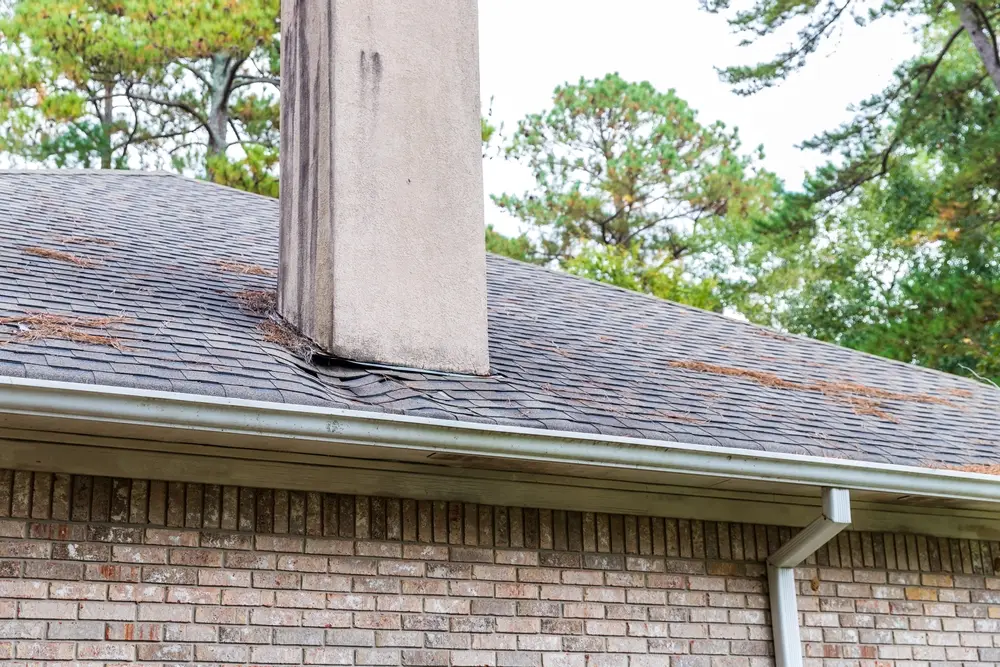
The fascia board is the unsung hero of your roofline. It holds the gutter up and seals the end of the roof rafters. When gutters fail, the fascia is the first casualty, and a rotted fascia is a gateway for leaks.
The Rot Cycle
When water consistently overflows behind a gutter, the fascia board stays wet. Most fascia is made of wood. Even painted wood will eventually succumb to constant exposure to water.
As the fascia rots, it softens. The screws or spikes holding the gutter lose their grip. The gutter pulls away, creating a larger gap for water to enter.
More critically, rotted fascia often allows water to bypass the exterior cladding of the house. The water can travel along the rafter tails and drip onto the ceiling drywall. To the untrained eye, this looks like a leak coming from high up on the roof, but the entry point is actually the very edge.
Inspecting for Fascia Rot
You can often spot this issue from the ground. Look for:
- Peeling paint on the board behind the gutter.
- Stains or discoloration on the soffit (the board under the overhang).
- Gutters that look like they are tilting forward.
If you see these signs, you aren’t just looking at a cosmetic issue; you are looking at an active entry point for water.
Signs Your Leak is a Gutter Problem
How can you tell the difference between a hole in your shingles and a clogged gutter? While a professional inspection is the only way to be 100% sure, there are several clues that point toward the gutters.
1. The Leak is Near an Exterior Wall
Roof penetrations (like chimneys or vents) can leak anywhere, but gutter-caused leaks are almost exclusively located near the perimeter of the house. If the water stain on your ceiling is within a few feet of the outer wall, suspect the gutters first.
2. It Only Leaks During Heavy Rain
If your roof has a hole, it will likely leak during any sustained rain. Gutter-caused leaks, however, often require a certain volume of water to manifest. The gutter has to fill up and overflow before the water enters the house. If light rain causes no issues but a downpour brings out the buckets, it suggests a capacity or clogging issue.
3. You See "Tiger Striping" Outside
Look at the exterior of your gutters. Do you see vertical dirt streaks running down the front? This is called "tiger striping." It is a tell-tale sign that water is overflowing the top of the gutter rather than flowing down the spout. If water is going over the front, it is likely going over the back too.
4. There is No Visible Roof Damage
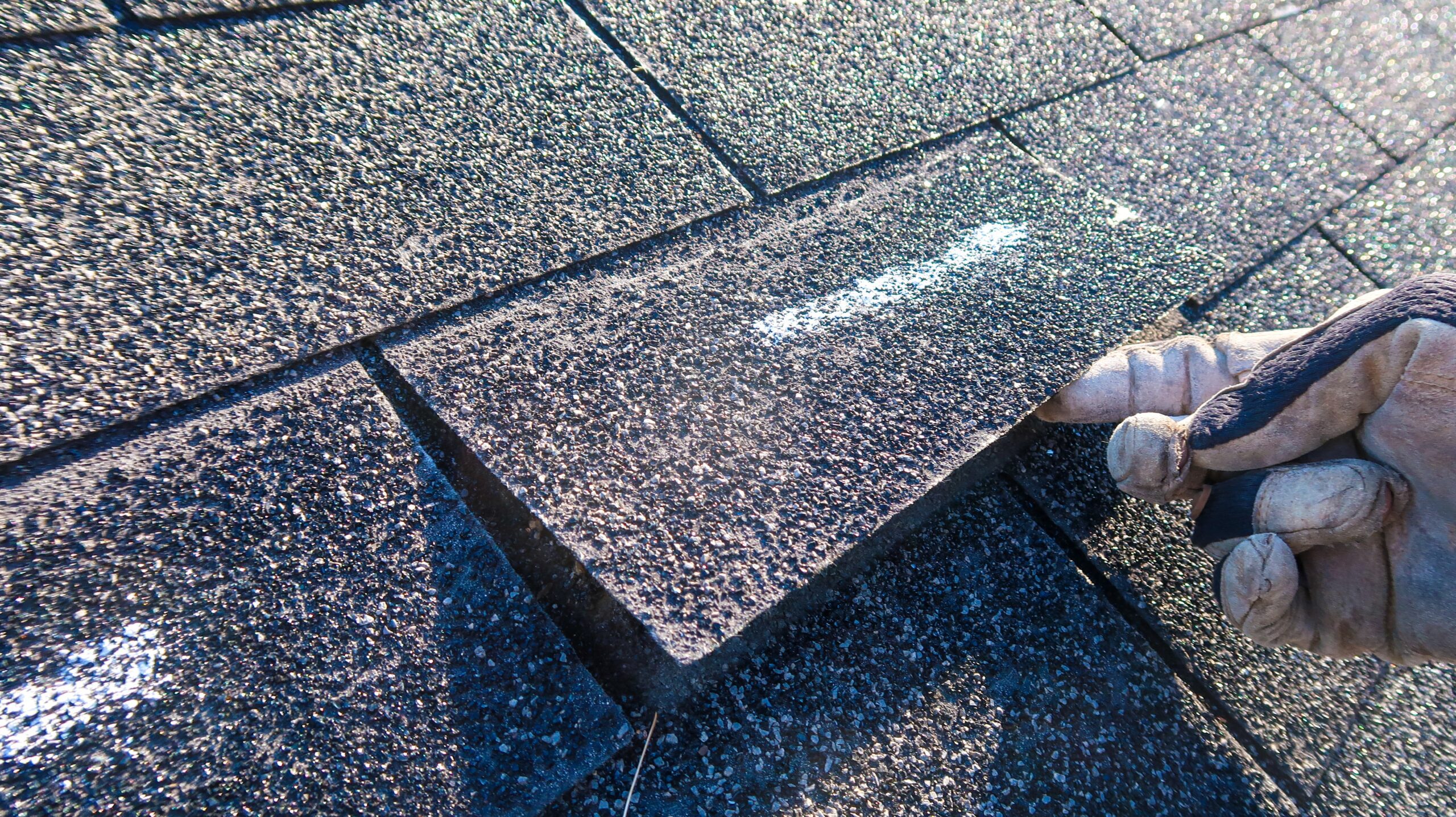
If you (or a professional) get up on the roof and the shingles look perfect—no missing tabs, no cracks, no exposed nails—yet you have a leak, look at the edge. The problem is likely below the shingle line.
5. Landscape Erosion
Look down. Is there a trench washed into the mud directly below the roofline? This means water is cascading over the gutter in a sheet, hitting the ground with force. This overflow is a clear signal that the gutter system is failing, and if it’s overflowing that badly, your roof edge is soaking wet.
Specific "Roof Leak Causes" Related to Gutters
To be thorough, let’s look at specific scenarios where gutters create leaks. Understanding these mechanisms is key to preventing roof leaks in the future.
The Valley Overflow
A roof valley is where two slopes meet. It channels a massive amount of water into a small section of the gutter. If the gutter at the base of a valley is clogged, or if there is no splash guard installed, the water shoots over the gutter entirely.
However, sometimes the water hits the clog and creates a turbulent backwash. This wave of water can be forced up under the valley flashing or the adjacent shingles. Valley leaks are notoriously difficult to diagnose because the water entry point can be several feet away from where the drip appears inside.
The Downspout Bottleneck
Sometimes the gutter itself is clean, but the downspout is clogged. This is common if you don’t have strainers or guards. The debris flows to the hole and creates a plug.
The entire gutter system fills with water. Because the downspout is usually at a corner of the house, the overflow is concentrated at that corner. This leads to corner rot and leaks that ruin drywall in the corners of bedrooms or living rooms.
The "Too Short" Gutter
If a gutter was cut too short during installation, it might not extend far enough past the roof shingles. In this case, wind-blown rain can catch the edge of the roof where the gutter ends, wicking behind the end cap and into the siding. This isn’t a clog issue; it’s an installation error.
Prevention: The Role of Gutter Maintenance
The good news is that gutter-induced roof leaks are almost entirely preventable. Unlike a storm blowing shingles off your roof, which is an act of nature, a clogged gutter is a maintenance issue.
Gutter maintenance is the most cost-effective way to protect your home from water damage.
Frequency Matters
In a city like Columbia, SC, with its lush tree canopy, cleaning gutters once a year is rarely enough. We recommend:
- Late Spring: To clear out oak tassels, pollen strings, and seeds.
- Early Fall: To clear out the first wave of dry leaves.
- Late Fall/Winter: To clear out the heavy, wet leaf fall.
The Gutter Guard Solution
If climbing a ladder three times a year sounds unappealing, gutter guards are a viable solution. They are not "maintenance-free" (nothing is), but they drastically reduce the frequency of cleaning. By keeping large debris out of the trough, they ensure that water can always exit the roof, even during a storm.
Checking the Spikes
Part of maintenance is checking the hardware. Every time you clean the gutters, check the spikes or hangers. Are they pulling out? If so, tap them back in or replace them with screw-in hangers. Keeping the gutter tight against the fascia is crucial for preventing backflow leaks.
When to Call a Professional
While cleaning leaves is a DIY task for many, diagnosing a leak and repairing a damaged drainage system often requires professional eyes.
If you have water coming into your home, the stakes are high. Mold can begin to grow in wet drywall in as little as 24 to 48 hours. Structural rot can weaken your roof’s framing.
You should call a professional if:
- The leak is active: We need to stop the water ingress immediately.
- You suspect rot: If the fascia feels soft or looks spongy, it needs to be replaced, not just painted over.
- The gutters are damaged: If sections are bent, cracked, or falling off, they cannot be fixed with a simple cleaning.
- You are unsure of the source: If you can’t tell if it’s the roof or the gutter, you need an expert to perform a water test and identify the entry point.
At Cola City Roofing, we specialize in the entire roofing system. We don’t just look at shingles; we trace the path of the water. If your "roof leak" is actually a gutter problem, we will tell you. We believe in honest repairs that solve the root cause, not just the symptom.
If you are dealing with a mysterious leak, don’t wait for the next storm. Contact us to schedule an inspection.
Repairing the Damage
If a gutter issue has caused a leak, the repair process is two-fold.
First, we fix the drainage issue. This might involve:
- Cleaning and flushing the system.
- Re-pitching the gutters to ensure proper flow.
- Replacing damaged sections or downspouts.
- Installing larger gutters (6-inch vs. 5-inch) to handle heavy rainfall.
Second, we repair the damage caused by the leak. This could mean:
- Replacing rotted fascia and soffit boards.
- Replacing water-damaged roof decking at the eaves.
- Installing new "ice and water shield" under the bottom rows of shingles to provide an extra layer of protection.
Ignoring the secondary damage is a mistake. Even if you fix the gutter, leaving rotted wood in place invites termites and structural instability.
Why "Gutter Problems" are "Roof Problems"
It is time to stop thinking of gutters as a separate accessory. They are the exhaust system for your roof. Just as a car engine fails if the exhaust is blocked, a roof fails if the gutters are blocked.
Water is a relentless force. It wears down stone canyons; it will certainly wear down your home. Your roof is designed to shed water, but it relies on the gutters to dispose of it. When you maintain your gutters, you are extending the life of your shingles, your fascia, your siding, and your foundation.
Many "roof leaks" are simply cries for help from a neglected gutter system. By understanding the link between the two, you can save yourself the panic of a perceived roof failure and the cost of unnecessary repairs.
Conclusion
The next time you see a damp spot on your ceiling or hear the drip-drip-drip of a leak, take a moment before you assume the worst about your roof. Look outside. Are the gutters overflowing? Is there a tree growing out of the downspout?
Roof leaks that are actually gutter problems are incredibly common, but they are also incredibly solvable. Through diligent gutter maintenance , proper installation, and timely repairs, you can keep your home dry and secure.
Don’t let a pile of wet leaves compromise your biggest investment. Whether you need a simple cleaning, a complex repair, or a full system replacement, Cola City Roofing has the expertise to handle it. We know how to keep water where it belongs: outside.
If you are tired of worrying about leaks every time it rains, let us help you find the source. Visit our gutter repair services page to learn more about how we can restore your home’s defenses.
Key Takeaways for Homeowners
- Look to the Edge: Leaks near exterior walls are often caused by gutter overflow, not shingle failure.
- The Backflow Danger: Clogged gutters fill up and spill water backward over the fascia, rotting the wood and entering the soffit.
- Maintenance is Prevention: Regular cleaning prevents the standing water that leads to leaks.
- Fascia Health: Rotted fascia boards are a major entry point for water; inspect them regularly.
- Professional Diagnosis: It can be hard to distinguish a roof leak from a gutter leak. A professional inspection can save you money by targeting the right repair.
Protect your home by respecting the power of water. Keep your gutters clean, your downspouts clear, and your roof edge dry.