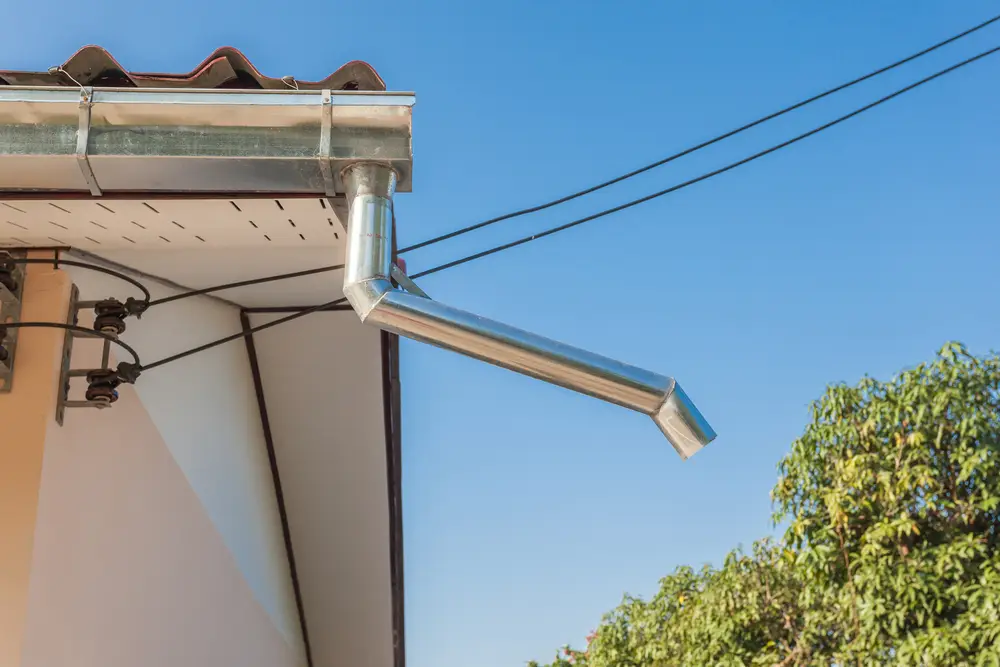
Your home’s gutter system is an unsung hero, working quietly to protect your property from the damaging effects of rainwater. Its job seems simple: catch the water that runs off your roof and guide it safely away from your home. However, the effectiveness of this entire system hinges on one critical, often overlooked detail: the slope. Gutters are not meant to be installed perfectly level. They require a precise, subtle angle—or pitch—to allow gravity to efficiently channel water toward the downspouts. When this slope is wrong, the consequences can range from minor annoyances to severe structural damage.
An incorrect gutter slope turns your home’s primary defense against water into a liability. Whether the pitch is too shallow, completely flat, or even angled away from the downspouts, the result is a system that fails to perform its core function. This guide will explore the science behind proper gutter slope, detail the extensive damage that can occur from an improper installation, and explain how to identify and correct this critical issue. Understanding the importance of the right slope is the first step in protecting your home from costly, water-related repairs. Professional gutter services in South Carolina focus heavily on precise installation, because even small slope miscalculations can create long-term damage.
The Science of Gutter Slope: Why a Perfect Angle Matters
At its core, a gutter system is a simple gravity-fed channel. For it to work, water must continuously move from the highest point to the lowest point, which is the downspout opening. This movement is achieved by installing the gutter with a slight downward angle. The industry standard and best practice for this angle is a drop of at least a quarter-inch for every 10 feet of gutter length.
This calculation isn’t arbitrary. It’s the ideal pitch that balances two competing needs:
- Ensuring steady water flow: The slope needs to be steep enough to keep water moving, carrying small debris like shingle grit and dirt along with it. This prevents water from becoming stagnant.
- Preventing overflow: The slope can’t be so steep that water rushes too quickly. In a heavy downpour, fast-moving water can overshoot the downspout opening, splashing over the sides and rendering the system ineffective.
A professional installer uses a level and a chalk line to map out this precise angle along the fascia board before hanging the gutters. For long gutter runs—typically those over 40 feet—the strategy changes. Instead of a single, long slope, the gutter is pitched down from the center towards a downspout at each end. This "high point in the middle" approach prevents the total drop from becoming too dramatic and unsightly while ensuring efficient drainage for the entire length. Achieving this perfect, consistent slope requires careful measurement and experience, which is why a DIY installation often falls short.
The Destructive Power of Improper Slope: Consequences for Your Home
When the gutter slope is incorrect, it sets off a chain reaction of destructive events. The problems stem from one main issue: water that doesn’t drain. Whether the pitch is too flat, causing water to stand still, or negatively sloped, causing it to flow away from the downspout, the results are damaging.
1. Water Pooling and Gutter Damage
The most immediate consequence of an insufficient slope is standing water. When gutters are too level, water has nowhere to go. It sits in the channels long after the rain has stopped.
- Excess Weight and Sagging: Water is heavy, weighing about 8.3 pounds per gallon. A 40-foot section of 5-inch gutter can hold over 20 gallons of water, adding more than 160 pounds of unexpected weight. This constant strain puts immense pressure on the hangers and fasteners, causing them to pull loose from the fascia board. The result is sagging gutters, which create even lower spots for more water to pool, accelerating the failure.
- Breeding Ground for Pests and Mold: Stagnant water is an ideal breeding ground for mosquitoes and other insects. It also creates a damp, dirty environment perfect for the growth of algae, mold, and mildew within your gutters. This sludge adds more weight and can eventually lead to blockages.
- Ice Dam Formation: In colder climates, standing water is a recipe for disaster. It freezes into solid blocks of ice, creating heavy ice dams. As the ice expands, it can warp, bend, and even split the gutters. Furthermore, ice dams on the roofline can force melting snow and ice underneath your shingles, leading to roof leaks and interior water damage.
2. Fascia and Soffit Rot
The fascia board is the wooden trim that your gutters are mounted to, and the soffit is the underside of your roof’s overhang. These components are extremely vulnerable to water damage from improperly sloped gutters.
- Overflow and Saturation: When water pools, it will eventually overflow. It typically spills over the back of the gutter, running directly onto the fascia board. Since most fascia boards are made of wood, this constant exposure to moisture leads to rot.
- Spreading Decay: Rotted fascia can no longer provide a secure anchor for gutter hangers, leading to gutter collapse. The decay often doesn’t stop at the fascia. It can spread to the soffit panels and even to the wooden rafter tails that form the structural backbone of your roof’s edge. What starts as a gutter problem can quickly become a much more expensive roofing and structural repair. If you notice peeling paint or dark stains on your fascia, it’s a strong indicator of a long-term water issue that may require professional gutter repair services .
3. Foundation Damage and Basement Flooding
This is the most severe and costly consequence of a failed gutter system. The primary purpose of gutters is to protect your home’s foundation. When they fail due to an improper slope, they do the exact opposite—they concentrate water in the worst possible place.
- Soil Oversaturation: Overflowing water saturates the soil directly around your foundation. This creates immense hydrostatic pressure, which is the force exerted by water in the ground. This pressure pushes against your foundation walls, leading to cracks, bowing, and long-term structural instability.
- Basement and Crawlspace Leaks: Water will always find the path of least resistance. It will exploit any existing cracks in your foundation, seeping into your basement or crawlspace. This can lead to flooding, property damage, and the dangerous growth of toxic black mold.
- Erosion and Settling: The constant flow of water from overflowing gutters can erode the soil that supports your foundation. Over time, this erosion can cause parts of your foundation to settle or sink, leading to uneven floors, cracks in drywall, and doors that no longer close properly.
Whether caused by clogs or slope issues, uncontrolled water creates the same structural risks.
4. Landscape and Hardscape Erosion
The damage isn’t confined to your house structure. The concentrated overflow from poorly pitched gutters can wreak havoc on your landscaping and hardscaping.
- Washed-Out Flowerbeds: Water spilling over the sides of the gutter can destroy carefully planted flowerbeds, washing away mulch, topsoil, and plants.
- Driveway and Walkway Damage: If water consistently pools on driveways, sidewalks, or patios, it can cause damage. In cold climates, this water can freeze, creating cracks in the concrete or asphalt. It can also seep underneath pavers, causing them to shift and become uneven.
- Creating Slippery Hazards: In any climate, algae or moss can grow on perpetually damp walkways, creating a dangerous slip-and-fall hazard for you and your family.
How to Spot the Signs of an Incorrect Gutter Slope
You don’t need to be a roofing expert to identify the warning signs of an improperly sloped gutter. A few simple observations can tell you if your system is in trouble.
- Standing Water: The most obvious sign. After a rainstorm, wait a few hours and then safely check your gutters. If you see pools of water that are not draining, your slope is incorrect.
- Visible Sagging or Gaps: Look along the roofline. Do your gutters appear to be bowing in the middle or pulling away from the fascia board? This is a sign that the weight of standing water is causing the system to fail.
- Water Stains and Peeling Paint: Examine the fascia board directly behind and below your gutters. Are there dark water stains, peeling paint, or signs of wood rot? This indicates that water has been overflowing for some time.
- Overflow During Rain: Observe your gutters during a moderate rainstorm. Persistent overflow is often blamed on clogs, but improper slope can be the real cause. Is water spilling over the sides instead of flowing toward the downspouts? This "waterfall" effect is a clear indication of either a clog or an improper slope.
- Erosion Trenches or Pooled Water on the Ground: Look at the ground directly beneath your gutters. Do you see channels eroded into your mulch or soil? Do puddles form against your foundation during and after rain? This tells you exactly where water is overflowing.
- Dirty Streaks on the Outside of the Gutter: When water spills over the front lip of the gutter, it carries dirt and debris with it, leaving tell-tale vertical streaks.
These warning signals are often confused with simple debris buildup when the issue may actually be structural.
Fixing the Problem: Adjusting the Gutter Slope
If you’ve identified an issue with your gutter slope, it’s crucial to address it before further damage occurs. While it may be tempting to try a DIY fix, adjusting the pitch of an entire gutter system is more complex than it appears.
The process involves detaching the gutter hangers along the length of the run, re-establishing a correct pitch line with a level and chalk, and then re-securing the hangers at the new, correct height. This often requires re-drilling holes and ensuring the hangers are still anchored securely into the rafter tails, not just the weakened fascia board. If the fascia is rotted, it must be replaced before the gutters can be properly re-installed.
In some cases, repeated slope problems indicate the entire system was poorly designed and should be replaced.
Given the precision required and the potential for causing more damage, this job is best left to professionals. A skilled team can quickly and accurately diagnose the problem, assess for any related damage, and perform the necessary adjustments to restore proper function.
The Professional Advantage: Ensuring Long-Term Protection
While it’s possible to install or repair gutters yourself, the risks associated with getting it wrong are substantial. An investment in professional installation pays for itself by preventing the costly damage that a flawed system can cause.
A professional company like Cola City Roofing brings expertise and precision to every step of the process.
- Accurate Calculations: We calculate the correct size and number of downspouts for your roof’s specific needs.
- Precise Installation: Our teams use the right tools and techniques to set the perfect slope, ensuring your gutters drain efficiently from day one.
- Quality Materials: We use heavy-duty fasteners and superior materials to create a durable system that withstands the elements.
- Comprehensive Solutions: We can identify and repair any existing damage to your fascia or soffit, ensuring your new gutters are mounted to a solid, secure structure.
Your home’s gutter system is a critical component of its defense against the elements. Don’t let a seemingly small detail like the slope lead to a major disaster. If you suspect your gutters aren’t performing as they should, or if you’re planning a new installation, prioritize getting the slope right. Contact us today for a professional evaluation and ensure your home is protected for years to come.