Gutters are the unsung heroes of your home’s exterior, working tirelessly to channel thousands of gallons of rainwater away from your foundation, siding, and roof. Because they operate quietly in the background, it’s easy to forget about them until a problem becomes too obvious to ignore. Unfortunately, by the time gutter issues are glaring, underlying damage may have already occurred. Recognizing the early warning signs that you need new gutters is a crucial part of proactive home maintenance that can save you from costly and extensive repairs down the road.
A failing gutter system doesn’t just look bad; it compromises your home’s entire defense against water damage. That’s why comprehensive gutter services in South Carolina focus on both early detection and long-term replacement solutions. From a cracked foundation to a rotting roof structure, the consequences of neglect can be severe. Homeowners in areas with heavy rainfall, like Columbia, SC, must be especially vigilant. Knowing what to look for can help you decide whether a simple fix is sufficient or if a full gutter replacement is the necessary next step to protect your investment.
This guide will walk you through the most common signs of gutter damage . By learning to spot these red flags, you can take timely action, ensuring your home remains safe, dry, and structurally sound for years to come.
Visible Physical Damage to the Gutters
The most straightforward signs that you need new gutters are the ones you can see with your own eyes. It’s a good practice to walk around your home periodically, especially after a storm, and inspect the condition of your gutter system. Look for these clear indicators of failure.
Cracks, Holes, and Rust Spots
Even small cracks or holes can render a gutter system ineffective. While a tiny crack might seem insignificant, it can allow a concentrated stream of water to escape, leading to soil erosion or siding damage. These cracks often form along seams in sectional gutters or can result from impact damage or corrosion over time.
For galvanized steel gutters, rust is a major red flag. Orange or reddish-brown spots indicate that the protective coating has worn away and the metal is corroding. Rust weakens the gutter, and eventually, those spots will turn into holes. While you can sometimes patch a small area, widespread rust is a clear signal that the gutters have reached the end of their lifespan and a full gutter replacement is necessary.
Sagging or Pulling Away from the House
Gutters should be firmly attached to the fascia board (the board running along the roofline) and maintain a straight, even line. If you notice your gutters are sagging, bowing in the middle, or pulling away from the house, it’s a serious problem that needs immediate attention.
This issue can be caused by several factors:
- Clogged Gutters: The sheer weight of water, wet leaves, and debris can overwhelm the hangers and cause the gutter to bend or pull loose.
- Failed Hangers: The fasteners that hold the gutters in place can break, corrode, or pull out from the fascia board over time.
- Rotten Fascia Board: If the wood behind the gutter is rotten, the hangers will have nothing solid to anchor to.
A sagging gutter does not drain properly. Water will pool in the low spots, adding more weight and exacerbating the problem. Water will also spill over the sides, bypassing the downspouts entirely. While a single broken hanger might be a simple fix, widespread sagging often indicates a systemic failure that warrants installing new gutters .
Broken or Missing Gutter Sections
This one is hard to miss. If a section of your gutter is physically broken, dented beyond repair, or has fallen off the house completely, it’s a clear sign of a critical failure. This can happen during a severe storm with high winds or due to heavy ice and snow accumulation. A missing section leaves a large part of your roofline unprotected, allowing water to cascade down and damage your foundation and siding. This is not a situation for a minor patch; it requires immediate action.
Signs of Water Damage Around Your Home
Sometimes, the first clues of gutter failure aren’t on the gutters themselves but in the damage they are causing elsewhere. These signs indicate that water is not being managed correctly and is ending up where it shouldn’t.
Peeling Paint on Siding or Fascia
Paint is your home’s first layer of defense against moisture. When you see paint bubbling, flaking, or peeling on your exterior walls, fascia boards, or window sills, it’s often due to prolonged exposure to water. This is a classic symptom of overflowing or leaking gutters.
When water constantly runs down the siding or soaks the fascia boards, it gets behind the paint and causes it to lose adhesion. This isn’t just a cosmetic issue. The underlying wood is also being saturated, which can lead to rot and structural decay. If you notice peeling paint, look up. The source is likely a clogged, leaking, or sagging gutter directly above the damaged area.
Stains, Mold, or Mildew on Siding
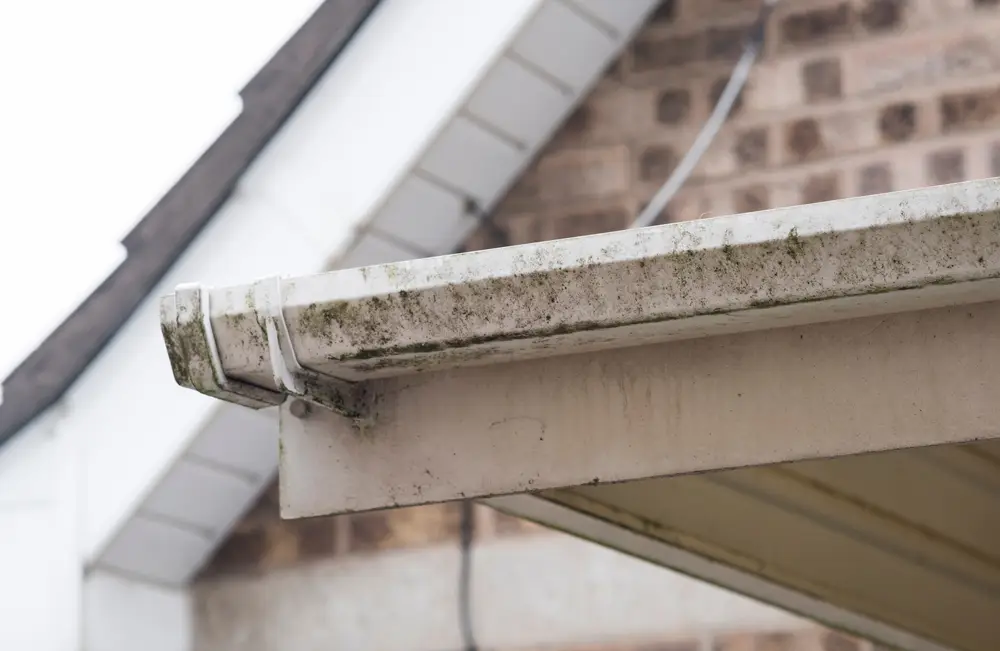
If you see dark streaks, green patches of algae, or black spots of mold on your siding, particularly below the roofline, it’s a strong indicator of overflowing gutters. This constant dampness creates the perfect environment for mold and mildew to grow.
These stains are not only unsightly but can also signal a more serious moisture problem. Water can get behind the siding, leading to rot in the wall sheathing and creating a potential health hazard if mold begins to grow within your walls. A functional gutter system is essential for keeping your siding dry and clean.
Water in Your Basement or Crawl Space
One of the most dangerous consequences of a failed gutter system is water intrusion into your home’s lowest levels. If you find puddles, dampness, or a musty smell in your basement or crawl space after it rains, your gutters are a primary suspect.
When gutters overflow or downspouts discharge water too close to the house, the soil around your foundation becomes oversaturated. This creates immense hydrostatic pressure that can force water through even the smallest cracks in your foundation walls. This can lead to significant property damage, dangerous mold growth, and can even compromise your home’s structural integrity over time. If you have water in your basement, investing in new gutters is a critical first step in solving the problem.
Eroded Landscaping and Foundation Damage
Take a look at the flowerbeds and soil directly below your roofline. Do you see channels or trenches carved into the mulch or dirt? This is a sign of landscape erosion caused by water pouring off the roof.
This uncontrolled flow of water does more than just ruin your landscaping. It saturates the ground around your foundation, which can lead to settling, shifting, and cracking. If you notice cracks in your foundation slab or brickwork, it’s a serious sign of gutter damage that has been ignored for too long. A properly functioning gutter system with downspout extenders is the best way to prevent this destructive erosion and protect your foundation.
Performance-Related Issues
Even if your gutters look fine from the ground, they may not be performing their job correctly. These performance-related failures are clear signs that a change is needed.
Many homeowners first notice the warning signs their gutters are clogged or failing before realizing replacement may be necessary.
Frequent and Persistent Clogging
All gutters require cleaning, but if you find that your system is clogging constantly despite regular maintenance, it may be a sign that the system is inadequate for your environment. This is a common issue for homes in Columbia, SC, surrounded by pine trees and hardwoods.
Your gutters may be too small to handle the volume of both water and debris from your roof. It could also be that the design is outdated and lacks the features of modern systems that improve flow. If you are tired of climbing a ladder every few months, upgrading to a larger seamless gutter system, potentially with gutter guards, can be a long-term solution. When your system can’t stay clear, it’s not working.
Water Pooling and Overflowing During Rain
Stand outside during a rainstorm (or right after) and observe how your gutters are working. Do you see water spilling over the sides instead of flowing to the downspouts? Are the gutters visibly full of water?
This indicates one of several problems. The gutters could be clogged, improperly pitched, or simply too small for the volume of water coming off your roof. An improperly pitched gutter won’t drain correctly due to gravity, allowing water to stagnate and eventually overflow. If you consistently see waterfalls coming off your roofline during moderate rainfall, it’s a clear sign your current system has failed and you need a gutter replacement . Chronic overflow is a major warning sign that should never be ignored.
In some cases, the issue isn’t debris at all but wrong gutter slope, which prevents water from draining properly.
Seams Leaking or Separating
If your home has traditional sectional gutters, the seams where the 10-foot pieces connect are the weakest points. Over time, the sealant in these joints can degrade, causing leaks. In colder weather, water freezing and expanding in the seams can force them apart.
While you can try to re-seal a leaking joint, this is often a temporary fix. If you have multiple leaks, it’s a sign that the entire system is aging and will continue to fail in new spots. This is a major reason why professionals now almost exclusively install seamless gutters. If your sectional gutters are starting to fail at the seams, upgrading to a seamless system is the most reliable long-term solution.
Left unchecked, these issues can escalate into the hidden dangers of clogged gutters that affect your home’s structure.
When to Repair vs. When to Replace
Once you’ve identified a problem, you need to decide on the best course of action. Can the issue be fixed with a simple repair, or is it time to invest in a full replacement?
Scenarios for Gutter Repair
A gutter repair service may be a cost-effective option if the damage is isolated and the overall system is still in good shape. Consider a repair if you have:
- A single leak at a joint or a small crack in an otherwise healthy gutter.
- One or two broken hangers that are causing a small section to sag.
- A loose downspout that has become detached.
- Minor damage to a single section of a relatively new gutter system.
If your gutters are less than 10-15 years old and the problems are minor and localized, repair is often a viable choice.
Scenarios for Gutter Replacement
A full gutter replacement is the better long-term investment when the problems are widespread or indicate the system has reached the end of its useful life. It’s time for new gutters if you notice:
- Widespread cracks, holes, or rust spots across multiple sections.
- Multiple areas where the gutters are sagging or pulling away from the house.
- Frequent, persistent clogs that suggest the system is undersized.
- Numerous leaking seams in an old sectional system.
- Visible water damage to your home’s fascia, siding, or foundation.
- Your gutters are over 20 years old and are showing signs of aging.
Investing in a new system allows you to upgrade to superior technology, such as seamless gutters made from heavy-gauge aluminum. This not only solves your current problems but also provides better, more reliable protection for decades to come.
Protect Your Home with Professional Gutter Installation
Ignoring the signs of gutter damage is a gamble no homeowner should take. Your gutter system is a fundamental part of your home’s water management plan, and its failure can lead to a domino effect of costly and stressful repairs.
If you have noticed any of the warning signs discussed in this guide, it’s time to take the next step. A professional inspection can help you determine the extent of the problem and recommend the best solution, whether it’s a targeted repair or a full replacement with a modern seamless system. For homeowners looking for Columbia SC gutters , choosing a trusted local expert is key.
At Cola City Roofing, we specialize in high-quality gutter installation services designed to provide maximum protection for your home. We treat every property as if it were our own, ensuring a meticulous installation that safeguards your foundation, siding, and peace of mind.
Don’t wait for a small issue to become a major disaster. Contact us today to schedule a free inspection and quote. Let our team help you ensure your home is protected from the top down.