When you own a home, the to-do list never truly ends. From servicing the HVAC system to repainting the deck, maintaining a property is a continuous cycle of investment and care. Among these tasks, your gutter system is easily one of the most critical components. It stands as the first line of defense against water damage, protecting your roof, siding, foundation, and landscaping from the destructive power of uncontrolled rainwater.
However, like every part of your home, gutters have an expiration date. If you are considering installing new gutters or wondering if your current ones are running on borrowed time, one question is likely at the top of your mind: How long do aluminum gutters last?
It is a vital question for budgeting and long-term planning. You want to know if this is an investment you will make once and enjoy for decades, or if it is a recurring headache you will face every few years.
In this comprehensive guide, we will explore the lifespan of aluminum gutters in depth. We will break down the factors that influence their longevity, compare them to other materials, and provide actionable tips on how to extend their life. Whether you are dealing with a historic home or a new build in the Columbia SC roofing market, understanding the lifecycle of your gutters is key to protecting your biggest asset.
The Short Answer: What to Expect
Let’s start with the bottom line. Under normal conditions, a high-quality aluminum gutter system will last between 20 and 30 years .
This places aluminum firmly in the "long-term investment" category. To put that in perspective, a standard asphalt shingle roof often lasts about 20 to 25 years. This means that if you install a new roof and new aluminum gutters at the same time, they will likely age together and reach the end of their service lives around the same time.
However, "20 to 30 years" is an average, not a guarantee. Some aluminum systems, particularly those made of thicker gauge metal and maintained meticulously, can last up to 50 years. Conversely, a poorly installed system in a harsh environment might begin to fail in 15 years.
Why the wide range? Because "aluminum gutters" is a broad term that covers everything from flimsy DIY sectional pieces to heavy-duty, custom-fabricated seamless systems. The choices you make during installation and the care you provide afterward will determine where your system falls on that timeline.
Why Aluminum is Built for Longevity
To understand why aluminum gutters last as long as they do, we need to look at the material properties that make them unique. Aluminum is the most popular gutter material in America for a reason—it hits the "sweet spot" of durability and affordability.
1. Natural Rust Resistance
The single biggest enemy of metal is rust. Steel gutters, while strong, are fighting a losing battle against oxidation from the moment they are installed. Once the protective zinc coating on galvanized steel wears down, rust eats through the metal, creating holes and structural failure.
Aluminum, on the other hand, does not rust. It is a non-ferrous metal, meaning it contains no iron. When exposed to oxygen and moisture, aluminum forms a microscopic layer of aluminum oxide. Unlike rust (iron oxide), which flakes off and eats away the metal, aluminum oxide creates a hard, protective shield that prevents further corrosion. This self-healing property allows aluminum gutters to withstand decades of rain and humidity without turning into a crumbling orange mess.
2. Flexibility and Resilience
Building materials need to handle temperature changes. In South Carolina, we experience scorching summers and occasional freezing winter nights. This thermal cycling causes materials to expand and contract.
Vinyl gutters often struggle here. Over time, UV exposure makes the plastic brittle, and the expansion/contraction cycle causes them to crack or shatter. Aluminum is more resilient. It can expand and contract without losing its structural integrity. While it is lightweight, it retains a level of elasticity that prevents it from cracking under normal thermal stress.
3. The Power of Factory Finishes
Modern aluminum gutters are not just raw metal; they are coated with a baked-on enamel finish. This is not like painting a wall with a roller; the finish is applied at the factory under high heat, bonding the color to the metal.
This coating serves as a secondary layer of protection. It resists chipping, peeling, and fading far better than painted wood or vinyl. This means your gutters don’t just physically last for 30 years; they stay looking presentable for most of that time, too.
Critical Factors That Influence Gutter Lifespan
While the material itself is durable, the environment and installation method play massive roles in determining exactly how long your gutters will last. Let’s break down the variables that can add or subtract years from your system’s life.
1. Weather and Climate
Your local climate is the biggest external factor.
- Heavy Rainfall: Gutters are designed to move water, but constant, torrential downpours put strain on the system. In areas with frequent heavy storms, the weight of the water tests the strength of the hangers and fasteners.
- Snow and Ice: While less common in the Columbia SC roofing region than in the north, ice is a gutter killer. When water freezes in a gutter, it expands and becomes incredibly heavy. This weight can bend the aluminum or pull the hangers right out of the fascia board.
- Wind: High winds can loosen fasteners over time. If a gutter isn’t secured properly, a hurricane or severe thunderstorm can tear sections loose or cause them to twist.
2. The "Gauge" (Thickness) of the Aluminum
Not all aluminum is created equal. Aluminum gutters come in different thicknesses, measured in inches.
- .025 inch: This is "builder grade" or light-duty aluminum. It is often found in big-box stores for DIY projects. It dents easily and is more prone to warping under heavy loads. Expect a shorter lifespan from this gauge.
- .027 inch: The standard residential gauge. It offers a good balance of cost and durability.
- .032 inch: Heavy-duty gauge. This is what professional contractors often recommend, especially for seamless installations. It is significantly stiffer and more resistant to denting from ladders or falling branches. Investing in .032 gauge aluminum can easily add 5-10 years to the system’s life because it holds its shape better over time.
3. Seamless vs. Sectional Design
We cannot overstate this: The design of the system matters.
- Sectional Gutters: These come in 10-foot pieces that are snapped or screwed together. Every seam is a weak point. Sealants eventually dry out and leak. Seams catch debris, causing clogs that add weight and strain. Sectional gutters often fail at the joints long before the aluminum itself wears out.
- Seamless Gutters: Fabricated on-site to the exact length of your roof, seamless gutters have no joints along the straight runs. The only seams are at the corners. With fewer weak points, seamless systems are far less likely to leak or sag, significantly extending their functional lifespan. If you are looking to maximize longevity, professional gutter installation services that provide seamless options are the only way to go.
4. Installation Method
You could buy the most expensive, thickest aluminum on the market, but if it is installed poorly, it won’t last.
- Pitch: Gutters must be sloped slightly toward the downspouts (typically ¼ inch per 10 feet). If the pitch is too flat, water sits in the gutter. Standing water adds weight, encourages corrosion (even in aluminum, stagnant water is bad), and breeds mosquitoes.
- Hanger Spacing: The brackets that hold the gutter are called hangers. If they are spaced too far apart (e.g., every 3 or 4 feet), the gutter will sag in the middle when full of water. Professional installers typically space hangers every 18 to 24 inches to ensure rigid support.
- Fasteners: Using the wrong screws can lead to galvanic corrosion. If a steel screw touches aluminum without a protective coating, a chemical reaction can occur that eats away the aluminum around the screw hole, causing the gutter to fall.
5. Tree Coverage
Trees are beautiful, but they are hard on gutters.
- Impact Damage: Falling branches can dent aluminum or knock it off pitch.
- Acidic Debris: Wet oak leaves or pine needles can create an acidic "mulch" in the bottom of your gutter. While aluminum is resistant to rust, constant exposure to acidic organic matter can eventually cause pitting or corrosion over decades.
- Clogs: The biggest threat from trees is clogging. When a gutter clogs, it fills with water. A gutter full of water can weigh hundreds of pounds. This weight bends the aluminum and pulls at the fascia, shortening the system’s life.
Signs Your Aluminum Gutters Are Failing
Since aluminum gutters last so long, it can be easy to forget about them. You might assume they are fine simply because they are metal. However, "lasting" 30 years doesn’t mean they work perfectly for 30 years without attention.
Here are the warning signs that your aluminum gutters are reaching the end of their lifespan and may need replacement.
1. Persistent Leaking at Corners
If you have a seamless system, the corners (miters) are the only place leaks should happen. If you have resealed a corner multiple times and it continues to leak, it may mean the gutter itself has warped or twisted, making a watertight seal impossible.
2. Sagging or Pulling Away
Look at your roofline from the street. Does the gutter look like a straight line, or does it dip in the middle? Sagging indicates that the hangers have failed or the aluminum has deformed from weight. If the gutter is pulling away from the house, you can often see a gap between the gutter and the fascia board. This is a critical failure because water will run behind the gutter, rotting your wood trim.
3. Dents and Cracks
Small dents from hail might be cosmetic, but large dents can affect water flow. If the bottom of the trough is dented upward, water will pool there. Additionally, while aluminum doesn’t usually crack, if a heavy limb hits it, the metal can tear. Tears in aluminum are difficult to patch effectively for the long term.
4. Peeling Paint or Chalking
As the factory finish ages, it may begin to chalk (leaving a powdery residue on your hand) or peel. While this looks bad, it isn’t necessarily a structural failure. However, it is a sign of age. If the finish is gone, the raw aluminum is more exposed to elements and potential pitting.
5. Water Damage Below
Sometimes the sign of a bad gutter isn’t on the gutter itself—it’s on the ground. If you see trenches forming in your landscaping, water pooling near your foundation, or mildew on your siding, your gutters aren’t doing their job. They may be undersized, clogged, or pitched incorrectly.
Maintenance: The Key to Hitting the 30-Year Mark
If you want your aluminum gutters to last the full 30 years (or more), you cannot simply install them and ignore them. Neglect is the primary reason gutters fail early.
Here is a maintenance checklist to maximize your gutter lifespan :
1. Clean Them Regularly
This is the golden rule. You must keep the troughs clear of debris.
- Frequency: At a minimum, clean them twice a year—once in late spring (after pollen and seeds fall) and once in late fall (after leaves drop). If you have pine trees, you may need to clean them four times a year.
- Why it matters: Cleaning prevents the heavy weight of wet sludge from bending the metal. It also allows the interior to dry out, preventing pitting corrosion.
2. Inspect the Fasteners
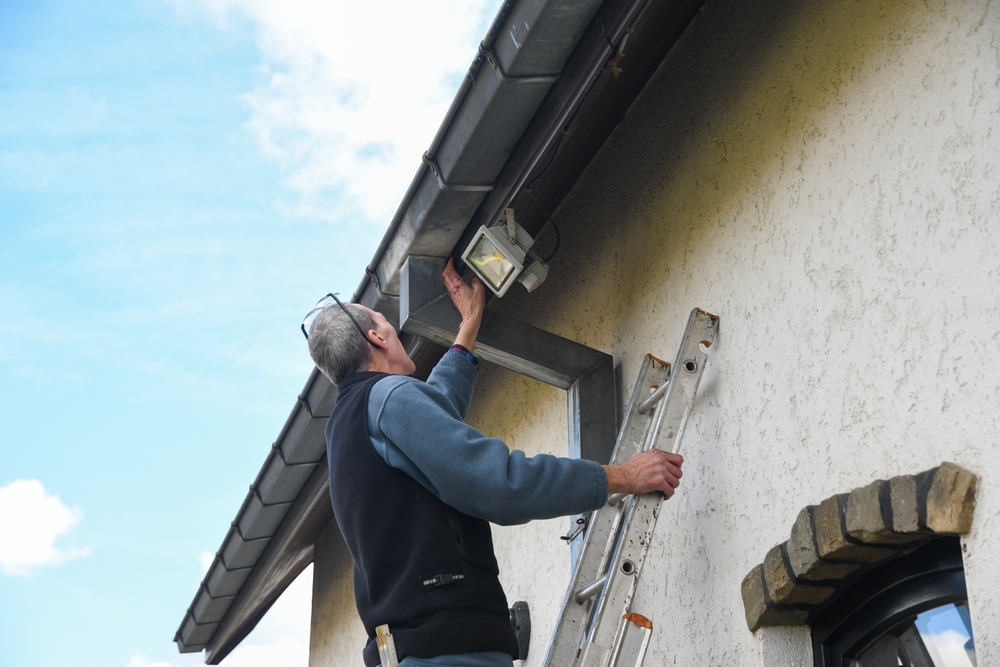
Once a year, get on a ladder (safely!) and check the hangers. Are the screws tight? If you find a loose hanger, tighten it immediately. Catching a loose screw now prevents the gutter from sagging and bending later. Once aluminum bends or kinks, it loses its strength and is very hard to bend back perfectly.
3. Check the Downspouts
A clean gutter is useless if the downspout is clogged. Run a hose down the downspout to ensure water flows freely. If water backs up, you have a clog in the elbow. A clogged downspout causes the entire system to fill with water, placing immense stress on the hangers.
4. Trim Your Trees
Keep branches trimmed back away from your roofline. This reduces the amount of leaves falling directly into the system and eliminates the risk of branches rubbing against the aluminum during windstorms, which can scratch the finish or dent the metal.
5. Consider Gutter Guards
Gutter guards are a controversial topic, but high-quality guards can extend the life of your system by preventing the accumulation of heavy wet debris. They reduce the frequency of cleaning and keep the water flowing freely. However, cheap guards can sometimes cause more problems than they solve, so consult with a professional.
Aluminum vs. Other Materials: A Lifespan Comparison
To truly appreciate the value of aluminum, it helps to see how it stacks up against the competition in terms of longevity.
Vinyl Gutters
- Expected Lifespan: 10–15 years.
- The Verdict: Vinyl is cheaper upfront but lasts half as long as aluminum. It becomes brittle and cracks in the sun. In the long run, you will pay for two vinyl installations in the time one aluminum system would have lasted.
Galvanized Steel Gutters
- Expected Lifespan: 15–20 years.
- The Verdict: Stronger than aluminum but prone to rust. Once the coating fails, they deteriorate quickly. They require more maintenance (painting/sealing) to reach the 20-year mark.
Zinc or Copper Gutters
- Expected Lifespan: 50–80+ years.
- The Verdict: These are the "forever" gutters. They don’t rust; they develop a patina. However, they cost 3 to 5 times as much as aluminum. Unless you are restoring a historic mansion or have an unlimited budget, the cost-benefit analysis usually favors aluminum.
Galvalume Gutters
- Expected Lifespan: 25–40 years.
- The Verdict: A steel substrate coated with a mix of aluminum and zinc. They last longer than galvanized steel and are tough, but they lack the color options of aluminum and are generally more expensive.
Repair vs. Replace: Making the Call
If your aluminum gutters are 20 years old and showing signs of wear, do you repair them or replace them?
When to Repair:
- The damage is localized (e.g., one bent section from a fallen branch).
- The leaks are only at the corners (resealing miters is a standard maintenance task).
- Loose hangers can be retightened into fresh wood.
- The system flows well overall, but has a few minor issues.
When to Replace:
- There are rust spots (rare on aluminum, but possible if incompatible screws were used).
- The gutters are sagging along multiple runs.
- There are cracks or splits in the metal trough.
- Water is consistently overflowing despite the gutters being clean (this means they are too small for your roof or pitched incorrectly).
- You are replacing your roof. It is often cost-effective to do both at once to ensure the drip edge flashing is integrated correctly.
If you are unsure, professional guidance is invaluable. A trusted expert in Columbia SC roofing can assess whether your current system has life left in it.
The Financial Value of Aluminum’s Lifespan
When you look at the cost per year of ownership, aluminum is arguably the best value in the industry.
Let’s look at a hypothetical scenario.
- Vinyl: Low initial cost, but replaced every 12 years. Over 30 years, you pay for 2.5 installations.
- Aluminum: Moderate initial cost, lasts 25-30 years. You pay for 1 installation.
- Copper: High initial cost, lasts 60 years. You pay for 1 installation, but the upfront capital is massive.
For the average homeowner, aluminum minimizes the "hassle factor" and the wallet impact. It is affordable enough to install without breaking the bank, but durable enough that you likely won’t have to worry about it again until your kids are grown or you sell the house.
Conclusion: A Smart Investment for the Long Haul
So, how long do aluminum gutters last? With proper installation and basic maintenance, you can confidently expect 20 to 30 years of reliable service.
They are the workhorses of the exterior home improvement world—lightweight yet strong, rust-proof yet affordable. They withstand the scorching South Carolina sun and the heavy summer thunderstorms without complaining.
If you want to protect your home’s foundation and maximize your curb appeal, investing in a high-quality, seamless aluminum gutter system is one of the smartest decisions you can make. It is an investment in peace of mind.
Is it time to evaluate your gutter system? Don’t wait for water to start pouring into your basement. If your gutters are approaching the two-decade mark, or if you are seeing signs of sagging and leaking, let the professionals take a look.
At Cola City Roofing, we specialize in high-quality gutter solutions tailored to your home’s specific needs. We can help you determine if a repair will suffice or if it is time for a seamless upgrade.
- Explore our services: Learn more about our seamless gutter installation services and how we ensure perfect pitch and secure mounting.
- Get a professional opinion: Contact us today to schedule a consultation. We’ll help you keep your home dry and protected for the next 30 years.