Imagine a typical afternoon storm in Columbia, SC. The rain is pouring, thundering against the roof. You are safe and dry inside, assuming your home is doing its job. But outside, a silent battle might be raging—one you won’t notice until the damage is done. Your gutters, designed to be the unsung heroes of your home’s defense system, might be failing.
Gutters are easily overlooked. They sit high up, out of direct sight, collecting leaves, debris, and the occasional lost baseball. However, when they stop working correctly, the consequences can be disastrous for your foundation, roof, and landscaping.
Recognizing the early warning signs of clogged or failing gutters is not just about home maintenance; it is about protecting your largest investment. That’s why professional gutter services in South Carolina focus on early detection before small clogs turn into structural damage. In this comprehensive guide, we will walk you through everything you need to know to spot trouble before it becomes an expensive repair bill.
Why Healthy Gutters Matter More Than You Think
Before diving into the signs of failure, it’s crucial to understand the role your gutters play. Your roof catches a massive amount of water during a storm. Without a functional gutter system, that water has nowhere to go but down—straight onto your siding, windows, and foundation.
Healthy gutters channel this water away from your home’s vulnerable points. They prevent soil erosion around your house, stop basements from flooding, and protect your siding from rot and mold. When gutters are clogged or broken, they turn from a protective asset into a liability. Water that should be flowing away ends up pooling where it shouldn’t, leading to a cascade of structural issues.
If you suspect your system is compromised, professional help is often the safest route. Cola City Roofing offers comprehensive Gutter Repair Services to get your system back in fighting shape.
Visible Signs Your Gutters Are Clogged
The most obvious indicators of gutter trouble are the ones you can see with the naked eye. You don’t always need a ladder to know something is wrong; sometimes, a simple walk around your property is enough.
1. Water Spilling Over the Sides
During a rainstorm, take a look outside. Do you see water cascading over the edges of your gutters like a miniature Niagara Falls? This is the number one sign of a clog. When debris blocks the downspout or the channel, water fills up and spills over the path of least resistance. This overflow hits the ground with force, damaging your landscaping and splashing dirt onto your siding. Chronic overflow is more than messy—it signals a larger structural risk to your home.
2. Sagging Gutters
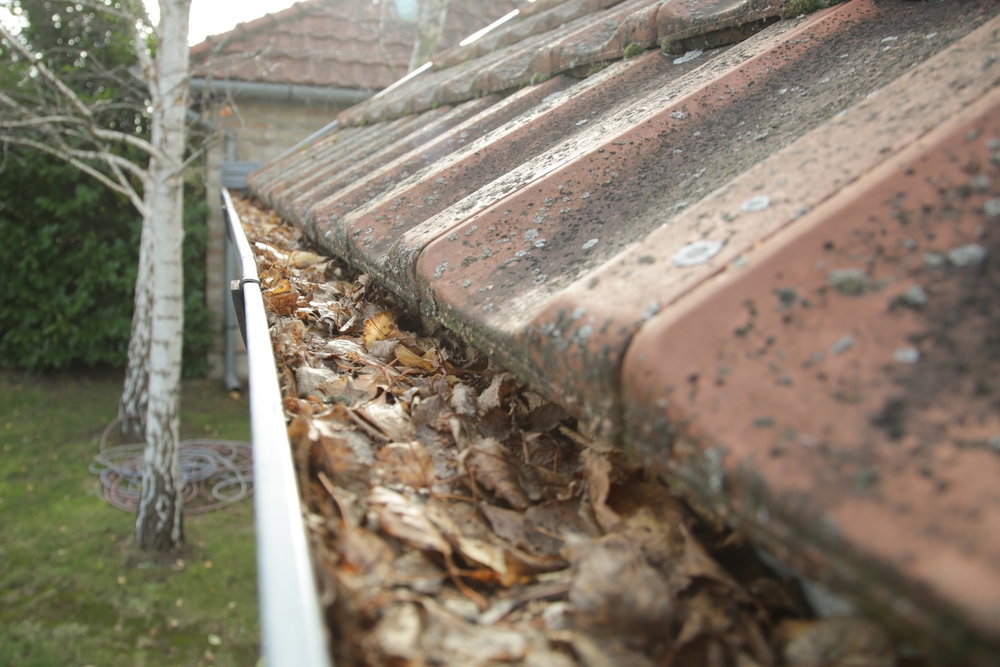
Gutters are lightweight channels made of aluminum, vinyl, or steel. They are designed to carry water, not heavy, wet mulch. When leaves and debris decompose in your gutters, they form a heavy sludge. This weight puts immense strain on the hangers and fasteners holding the gutters to your fascia board. If you notice your gutters looking uneven, bowing in the middle, or pulling away from the roofline, they are likely full of heavy clogs.
3. Plants Growing in the Gutters
If you see a small garden sprouting from your roofline, it’s a clear sign that you have a problem. Seeds from nearby trees—like the maples and oaks common in Columbia, SC—land in the gutters. If there is enough dirt and moisture (which clogged gutters provide in abundance), these seeds will germinate. Seeing saplings or weeds poking out of your gutters means there is a significant accumulation of organic matter that needs to be removed immediately.
4. Staining on Siding
Take a close look at the siding directly beneath your gutters. Do you see vertical streaks of dirt, rust, or mold? These stains often indicate that water is overflowing regularly. As the water spills over dirty gutters, it carries sediment and grime down the side of your house. Over time, this can damage the paint and even the siding material itself.
5. Birds or Pests Making Themselves at Home
Clogged gutters are a luxury hotel for pests. The decomposing leaves provide warmth and nesting material, while the stagnant water offers a drink. If you notice an increase in mosquitoes, see birds constantly flying to and from your gutters, or spot squirrels scampering along the edge more than usual, they might be nesting in the debris. This not only blocks water flow but can also lead to pests entering your attic.
Physical Damage to the Gutter System
Sometimes the issue isn’t just a clog; it’s structural failure. Gutters have a lifespan, and weather, age, and accidents can take their toll. In many cases, these warning signs indicate it may be time to consider whether you need new gutters installed.
Cracked or Split Gutters
Small cracks might seem insignificant, but they are the beginning of the end for a gutter section. Even a tiny fissure will allow water to leak through, dripping onto the fascia or foundation below. Over time, these cracks widen. In winter, water trapped in these cracks can freeze and expand, shattering the material. Inspect your gutters on a dry day; if you see daylight coming through, or if you see focused dripping during a light rain, you have a breach.
Peeling Paint or Orange Rust Spots
Gutters often have a coating to protect them from the elements. If you see this paint peeling or flaking off, or if you spot orange rust on steel gutters, it indicates that the material is deteriorating. Rust eats away at the metal, leading to holes and structural weakness. Peeling paint on the gutters themselves (or the wood fascia behind them) is also a sign of constant moisture exposure due to leaks or overflow.
Separated Seams
Most residential gutters are sectioned, meaning they have seams where two pieces connect. These seams are sealed, but over time, the sealant can degrade. If you notice leaks specifically at the joints, the connectors have likely failed. While re-sealing is a temporary fix, frequent separation suggests the gutters may be nearing the end of their lifespan.
If your current system is old and showing multiple signs of physical failure, it might be more cost-effective to replace it rather than pay for constant repairs. Our team specializes in high-quality Gutter Installation Services that can upgrade your home’s protection and curb appeal.
Signs of Water Damage Around the Home
Sometimes the gutters look fine from the ground, but they are silently failing to protect your property. The evidence of this failure often shows up in other areas of your home.
1. Flooded Basements
This is the nightmare scenario for many homeowners. If your basement takes on water during heavy rains, check your gutters first. When gutters are clogged or the downspouts don’t extend far enough away from the house, water pours directly onto the foundation soil. This hydrostatic pressure pushes water through microscopic cracks in your foundation walls and into your basement.
2. Eroded Landscaping
You spend time and money making your yard look beautiful. Failing gutters can ruin that effort in a single storm. If you notice trench lines in your flower beds directly under the roofline, or if your mulch is constantly being washed onto the walkway, it’s a sign of overflow. The water isn’t traveling down the downspout; it’s falling straight down, digging holes in your garden.
3. Rotting Fascia and Soffit
The fascia is the board your gutters are mounted to, and the soffit is the vented material under the roof overhang. When gutters clog, water can back up and submerge the fascia board. Since this wood isn’t designed to be underwater, it begins to rot. If you see peeling paint, soft wood, or stains on the soffit, your gutters are likely the culprit. This is a critical issue because rotting fascia can allow water into your attic and compromise the structural integrity of the roof edge.
4. Mildew on the Foundation
Walk around the perimeter of your house. Do you see green algae or black mildew growing on the concrete foundation? This indicates excessive moisture. While some dampness is normal in humid climates like ours in South Carolina, concentrated growth in specific areas usually points to a gutter leak or overflow directly above that spot.
In some homes, the issue isn’t debris but improper installation or slope.
The Danger of Ignoring Gutter Issues
It is tempting to ignore gutter problems. After all, unless you are standing outside in a storm, you might not see the issue happening. However, procrastination is the enemy of home preservation.
Ignoring these signs leads to "creeping damage." It starts small—a little drip here, a small puddle there. But water is persistent. Over months and years, that small drip rots out a window frame. That puddle cracks your driveway. That overflow creates a perfect environment for termites near your wooden framing.
By the time the internal damage becomes visible (like a water stain on your living room ceiling), the repair costs have skyrocketed. Regular maintenance and prompt repairs are far cheaper than remediating mold in your walls or jacking up a sinking foundation.
How to Check Your Downspouts
The horizontal gutters usually get all the attention, but the downspouts are the critical exit strategy for the water. A clogged downspout renders the entire system useless.
To check your downspouts:
- Tap on them: Give them a light tap with a screwdriver handle. A hollow sound is good. A dull thud indicates they are packed with debris.
- Check the outlet: Look at the bottom where the water exits. Is there a pile of debris? Is the water flowing freely during a storm, or is it trickling?
- Look for disconnects: Ensure the downspout is securely attached to the gutter at the top and the wall of the house. Loose straps can cause the pipe to disconnect during high winds.
If you find your downspouts are frequently clogging, it might be time to discuss installing larger downspouts or gutter guards to manage the heavy leaf fall typical in our area.
Seasonal Gutter Maintenance in Columbia, SC
Living in Columbia means dealing with specific weather patterns that affect your gutters. We have hot, humid summers with sudden thunderstorms, and autumns filled with falling pine needles and oak leaves.
Establishing the right cleaning frequency for your property can prevent most of these problems from developing.
Spring: Check for damage from winter storms. ensure gutters are clear of spring oak tassels (those stringy things that clog everything!). Summer: Inspect for storm damage after heavy thundershowers. Ensure downspouts are directing water away from the dry soil around the foundation. Fall: This is the big one. You will likely need to clean your gutters multiple times as leaves fall. Pine needles are particularly tricky as they mat down and are hard to flush out. Winter: ensure gutters are clear before freezing temperatures hit to prevent ice dams, which can tear gutters right off the house.
DIY vs. Professional Gutter Services
Can you clean and repair gutters yourself? Certainly, if you are comfortable on a ladder and have the right tools. However, gutter maintenance carries risks. Ladder falls are a leading cause of home injury. Furthermore, identifying the difference between a simple clog and a structural failure takes a trained eye.
Professional services offer several advantages:
- Safety: We have the equipment and training to work safely at heights.
- Thoroughness: We don’t just scoop the leaves; we flush the system to ensure flow.
- Inspection: A pro can spot rotting fascia or loose hangers that you might miss.
- Efficiency: We can get the job done quickly and take the debris with us.
If you are unsure about the state of your gutters, or if the idea of climbing a ladder makes you nervous, don’t risk it. Reach out to the experts. You can easily get in touch with us via our Contact Us page to schedule an inspection.
Preventing Future Clogs
Once you have identified and fixed the immediate issues, how do you stop them from coming back?
- Install Gutter Guards: These are screens or covers that go over the gutter trough. They allow water to enter while keeping leaves, pine needles, and large debris out. While they don’t eliminate maintenance entirely (you still need to brush them off occasionally), they significantly reduce the frequency of clogs.
- Trim Nearby Trees: If you have branches hanging directly over your roof, you are fighting a losing battle. Trimming these branches back not only reduces leaf litter but also prevents squirrels from having easy access to your roof.
- Regular Cleaning Schedule: Set a reminder on your calendar. Don’t wait for the waterfall to appear. Preemptive cleaning is easier and cleaner than digging out wet, rotting sludge.
When to Repair vs. When to Replace
This is a common question homeowners ask us.
Repair is likely the best option if:
- The damage is localized to one or two sections.
- The gutters are relatively new (under 10-15 years old).
- The issue is loose hangers or minor leaks at seams.
- The gutters are still pitched correctly (sloping toward the downspout).
Replacement is likely necessary if:
- There are multiple cracks or holes throughout the system.
- The gutters are sagging significantly in multiple places.
- There is extensive rust or corrosion.
- The gutters are pulling away from the house due to rotted fascia (which also needs replacing).
- Water is consistently missing the gutter because they are undersized for your roof’s pitch.
At Cola City Roofing , we are honest about your needs. We won’t sell you a full replacement if a repair will suffice, but we also won’t put a band-aid on a system that is failing to protect your home.
The Link Between Roof Health and Gutter Health
It is important to remember that your roof and your gutters work as a team. A failing roof can damage gutters (granules from shingles filling the trough), and failing gutters can damage a roof (water backing up under the shingles).
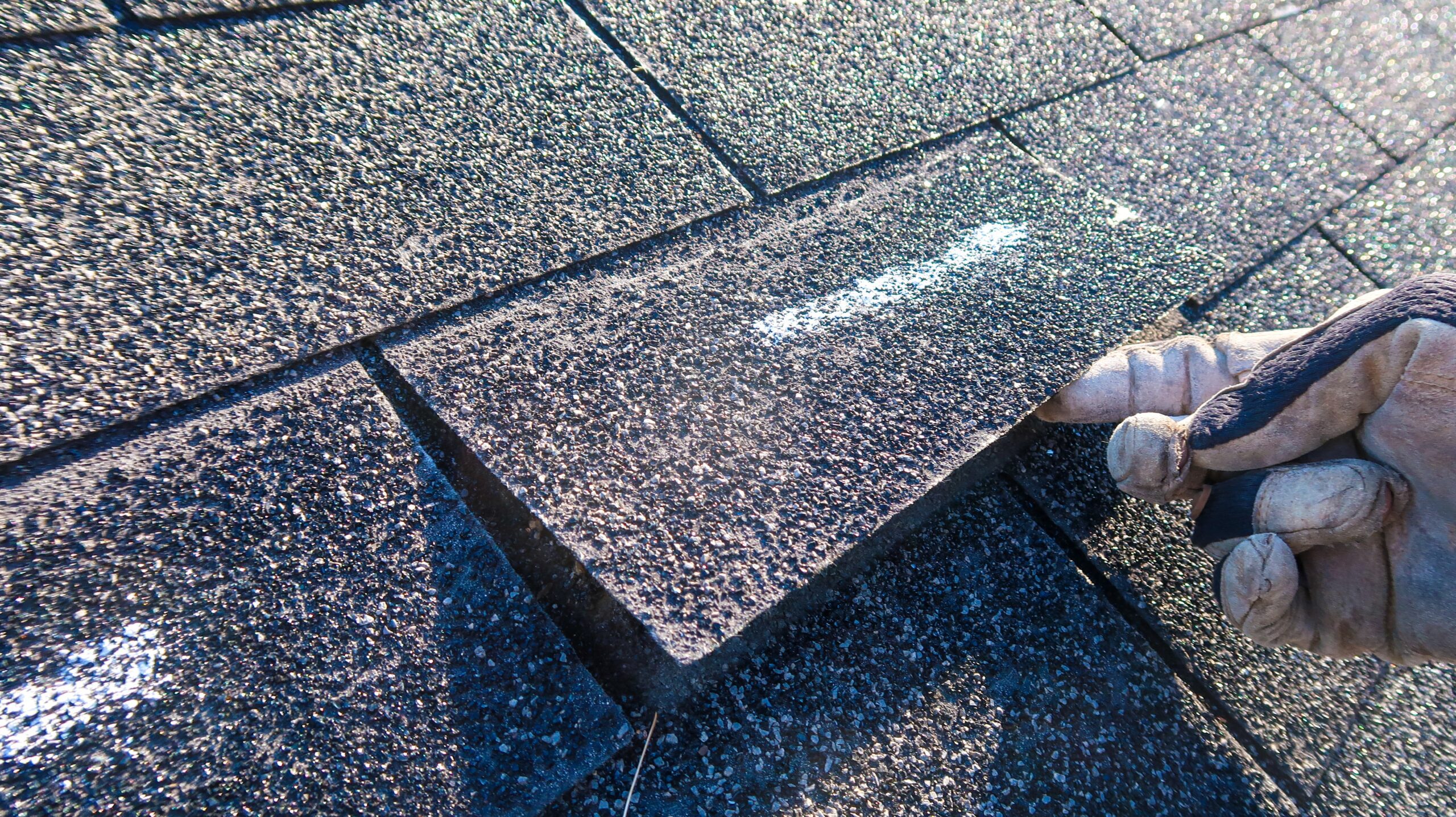
When you inspect one, you should inspect the other. If you see significant granule loss in your gutters—it looks like coarse black sand—that is a sign your asphalt shingles are aging. This sediment is heavy and is a common cause of gutter clogs that are hard to see from the ground.
Maintaining this ecosystem is what we do best. Whether you need a simple cleaning, a gutter repair, or a full roof inspection, we have the expertise to handle it.
Conclusion: Protect Your Sanctuary
Your home is your sanctuary. It keeps you warm, dry, and safe. Your gutters are the silent sentinels guarding that sanctuary against the relentless force of water. By staying vigilant and recognizing the signs of clogged or failing gutters—the overflows, the sags, the basement dampness—you can intervene before minor maintenance becomes a major catastrophe.
Don’t let a rainy day ruin your home’s foundation. Take a walk around your property today. Look up. Look down. And if you see any of the signs we’ve discussed, take action.
Whether you need a quick repair, a new installation, or just an honest assessment of your current system, Cola City Roofing is here to help the Columbia, SC community stay dry. Visit our website at colacityroofing.com to learn more about our services or to request a free estimate. Protecting your home starts with a single call—don’t wait for the next storm to test your luck.