When homeowners think about their roof, they often see it as a single shield protecting them from the rain. But a roof is actually a complex system of interconnected parts, each with a specific job. Two of the most misunderstood—and most connected—parts are the gutters and the roof ventilation. It’s not immediately obvious how a pipe that carries water away is related to a vent that lets air out, but the health of one directly impacts the performance of the other.
At Cola City Roofing, we’ve seen how a breakdown in this relationship can lead to serious issues, from attic mold to premature roof failure. Many common problems that homeowners assume are caused by a leak are actually the result of poor ventilation and failing gutters creating a moisture-rich environment. Understanding how these two components work together is key to maintaining a healthy, long-lasting roof over your home in the Columbia area.
Why Gutters and Roof Ventilation Are More Connected Than You’d Expect
Your home is constantly managing two things: water and air. Gutters are designed to manage liquid water from the outside, while ventilation is designed to manage water vapor (humidity) and heat from the inside. Problems arise when the line between these two jobs gets blurry.
How Moisture and Airflow Move Through Your Roof System
A healthy roof needs to breathe. A balanced ventilation system creates a continuous flow of air through the attic space. Cool, dry air is drawn in through intake vents, which are usually located in the soffits (the underside of your roof’s overhang). As the air warms up in the attic, it rises and exits through exhaust vents near the peak of the roof.
This constant airflow accomplishes two critical tasks. First, it removes the hot air that builds up in the summer, which can bake your shingles from the inside out. Second, and more importantly for this discussion, it removes the moisture that naturally rises from your living space through cooking, showering, and breathing.
The gutters play a key role at the very start of this process. The intake vents are located right next to the gutters. If your gutters are failing, they can directly compromise the starting point of your home’s entire ventilation system.
What Happens When Gutters and Roof Ventilation Don’t Work Together
When either the gutter system or the ventilation system fails, it creates a feedback loop of moisture and heat that can cause significant damage. The two systems rely on each other to keep the roof edge—one of the most vulnerable parts of your home—dry and stable.
Excess Moisture That Stays Trapped Near the Roofline
Imagine your gutters are clogged with leaves and pine straw. During a heavy Midlands rain, they overflow. Where does that water go? It often spills over the back of the gutter, saturating the fascia board and the soffit. This is a double problem. First, it introduces liquid water to wood that should be dry. Second, if that water soaks the area around your soffit vents, it can block the path for fresh air entering your attic.
Now you have a situation where the attic can’t draw in dry air. The moisture already inside has nowhere to go. It gets trapped, condensing on the underside of your roof deck, rafters, and insulation. This chronic dampness is a perfect breeding ground for mold and rot, starting from the inside out.
Heat and Humidity Stress That Shortens Roof Life
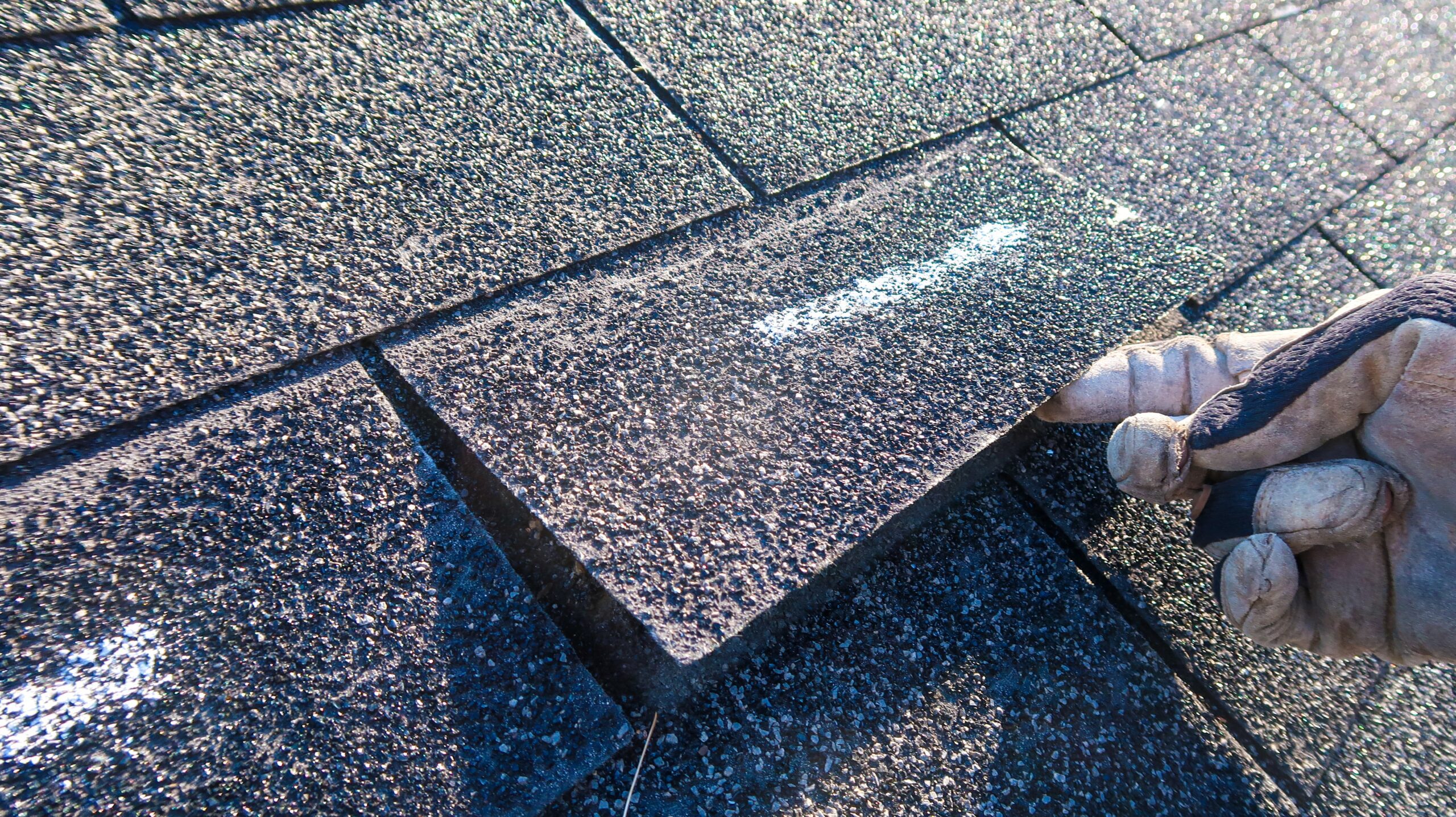
A poorly ventilated attic becomes an oven in the summer. When soffit vents are blocked by overflowing gutters or water damage, the natural convection of air stops. Temperatures in the attic can soar to 150 degrees or more. This intense, trapped heat bakes the asphalt shingles from below, causing them to become brittle and lose their protective granules much faster.
Simultaneously, the trapped humidity accelerates the breakdown of the wooden roof deck. The combination of high heat and high moisture creates a "jungle-like" environment that causes plywood to delaminate, swell, and lose its structural integrity. A roof that should have lasted 30 years might fail in 15, not because of a storm, but because it couldn’t breathe properly.
How Proper Gutters Support Healthy Roof Ventilation
A well-functioning gutter system is the first line of defense for your ventilation. By controlling water at the roof’s edge, gutters ensure that the ventilation system can do its job without interference.
Keeping Water Away From Soffits and Vent Openings
This is the most direct connection. Seamless, properly installed gutters capture all the runoff from the roof and channel it to the downspouts. This keeps the soffits dry. When soffits are dry, the vents within them remain open and unobstructed, allowing a clear path for air to enter the attic.
If water from overflowing gutters is constantly splashing onto your soffit vents, it can carry debris that clogs the small vent holes. In some cases, homeowners paint over their soffits without realizing they are sealing up the vents. A professional roofer knows to check that these intake points are clear, and keeping gutters working correctly is the best way to protect them from water and dirt.
Preventing Moisture From Entering the Attic Through the Roof Edge
When gutters overflow, water saturates the fascia board. This moisture can wick its way up into the roof sheathing. If there are any small gaps at the edge of the roof, this moisture can find its way directly into the attic.
This creates a localized moisture problem right at the lowest point of your attic. You might see water stains on your insulation or mold growing on the rafters right above the exterior walls. Homeowners often mistake this for a roof leak, but it’s actually an external water management problem (gutters) creating an internal air quality problem (attic moisture). By keeping the fascia and roof edge dry, good gutters close off this potential entry point for dampness.
How Roof Ventilation Helps Gutters Do Their Job
This relationship is a two-way street. While gutters protect vents, a well-ventilated roof also creates conditions that help the gutter system last longer and perform better.
Reducing Condensation That Can Damage Fascia and Gutter Boards
In cooler weather, a poorly ventilated, humid attic can lead to condensation on the underside of the roof deck. The warm, moist air hits the cold plywood and turns back into liquid water. This water can drip down the rafters and saturate the very top of your exterior walls and, importantly, the back of the fascia board.
This means your fascia can be rotting from the inside due to condensation, even if your gutters are perfectly clean on the outside. As the fascia wood weakens, it can no longer securely hold the gutter hangers. The gutters begin to sag, lose their pitch, and stop draining effectively. A proper ventilation system keeps the attic dry, preventing this internal condensation and protecting the wood that your gutters are attached to.
Helping Roof Surfaces Dry Faster After Heavy Rain
A well-ventilated roof doesn’t just dry out the attic; it helps regulate the temperature of the shingles themselves. By reducing the trapped heat underneath, the roof surface temperature stays more stable. This helps the roof dry more evenly and quickly after a rainstorm.
When a roof stays damp for long periods, it encourages the growth of algae and moss. As we know, this organic growth washes down into the gutters, creating the thick sludge that causes clogs. By helping the roof dry faster, good ventilation indirectly reduces the amount of organic material that ends up in your gutters, making them easier to maintain.
Signs Gutters or Ventilation Issues Are Affecting Your Roof
Because these systems are so interconnected, the warning signs often overlap. If you see any of these issues, it’s a strong indicator that you have a problem with the way your home is managing either air, water, or both.
Mold, Rot, or Soft Wood Near the Roofline
This is the most serious sign. From the ground, look for peeling paint, dark stains, or visible rot on your fascia boards and soffits. If you are in the attic, look for black or green discoloration on the underside of the roof deck, especially near the eaves. If you can safely press on the wood and it feels soft or spongy, you have an active rot problem that needs immediate attention. This is often caused by a combination of overflowing gutters and trapped attic moisture.
Ice Dams, Staining, or Premature Shingle Wear
While our South Carolina winters are mild, we can get freezing temperatures. "Ice dams" form when the upper part of a roof is warm enough to melt snow or ice, but the eaves are still below freezing. This happens when heat from a poorly ventilated attic escapes through the roof, creating a warm surface. The meltwater runs down and refreezes at the cold edge, forming a dam of ice that forces water back up under the shingles. This is a classic sign of poor ventilation and insulation, and overflowing gutters can make the problem much worse.
You might also see vertical "tiger stripes" staining the outside of your gutters, which indicates chronic overflow. Or you may notice that your shingles are losing granules and curling, especially along the bottom edges, a sign of excess heat and moisture.
Why Gutters and Roof Ventilation Should Be Evaluated Together
Because these two systems are so dependent on one another, it makes no sense to inspect or repair one without considering the other. A contractor who only cleans your gutters but doesn’t look at your soffit vents is only doing half the job. A roofer who replaces your shingles but doesn’t check the attic ventilation is setting you up for future problems.
When Roofing or Gutter Work Is the Right Time to Address Both
The absolute best time to evaluate your entire roof system is during a roof or gutter replacement project. When the old materials are off, we have a clear view of the underlying structure. We can see if there is rot on the fascia that needs to be replaced. We can look at the soffits and determine if the intake ventilation is adequate.
Before installing a new roof, we can add more vents or upgrade the type of ventilation to ensure the new shingles are protected. When installing new gutters, we can ensure they are properly sized and pitched to keep the newly inspected soffit vents dry. It’s an opportunity to correct any long-standing issues and ensure all parts of the system are working in harmony from the start.
A Healthier Roof Starts With Managing Water and Air the Right Way
Your home’s roof is more than just a cover; it’s a breathing, working system designed to protect your structure from the elements. Thinking about gutters and ventilation as separate, unrelated components is a common mistake that can lead to costly and frustrating problems down the road. True roof health is achieved when water and air are managed in a coordinated way.
How Professional Gutter and Ventilation Solutions Support Long-Term Roof Health
At Cola City Roofing, our approach is to look at the whole picture. We understand that the black streaks on your roof might be linked to the moisture in your attic, and that the overflowing gutters could be the root cause of both. By providing professional evaluations that cover the entire roof system—from the peak ventilation down to the gutter drainage—we can identify and solve problems at their source.
A properly ventilated attic paired with a high-performance gutter system is the key to a dry, stable, and long-lasting roof. It prevents rot, reduces energy costs, and protects the structural integrity of your home. If you have concerns about moisture, mold, or the performance of your roof, let us provide a comprehensive inspection. We can ensure both your water and air management systems are working together to keep your home safe and sound for years to come.