If you are like most homeowners in Columbia and the Midlands, you probably have a mental schedule for cleaning your gutters. Maybe you do it once in the fall when the leaves drop, and again in the spring when the pollen hits. But have you ever noticed that sometimes, even just a few weeks after a thorough cleaning, your gutters seem to be struggling again? They might be overflowing during a heavy thunderstorm, or you might see sludge building up near the downspouts much faster than you expected.
The problem often isn’t with the gutters themselves, or even with the trees in your yard. The issue is frequently sitting right above them: your roof.
At Cola City Roofing, we look at your home’s exterior as a complete system. The roof and the gutters are partners in water management. If the roof is dirty—covered in algae, moss, or accumulated debris—it directly impacts how well your gutters can do their job. While many people think of "roof washing" as purely cosmetic, it actually plays a vital functional role. Roof softwashing is one of the most effective ways to break the cycle of constant gutter clogs and ensure your water management system works the way it was designed to.
The Connection Between Roof Buildup and Gutter Performance
To understand why your gutters are getting clogged so quickly, you have to look at the source of the water. Your roof collects rainfall, but it also collects dust, pollen, bird droppings, and fungal spores. In our humid South Carolina climate, our roofs are particularly prone to organic growth. That black streaking you see on so many roofs around town isn’t just dirt; it’s a living algae called Gloeocapsa magma .
This algae, along with moss and lichen, doesn’t just sit on the shingles. It grows, spreads, and eventually dies. And gravity ensures that everything on your roof eventually heads in one direction: down.
What Washes Off Your Roof Ends Up in Your Gutters
Every time it rains, water acts as a transport system. As rainwater sheets off your shingles, it picks up loose particles. If your roof is clean, the water runs relatively clear. But if your roof has significant organic buildup, the rain is constantly washing a slurry of algae, moss particles, and decaying organic matter directly into your gutter troughs.
This creates a nutrient-rich sludge that settles in the bottom of your gutters. Unlike dry leaves, which might blow away or sit loosely on top, this sludge is heavy and dense. It creates a dam that slows down water flow. Even worse, it acts as a perfect soil bed for seeds to sprout. If you’ve ever seen small trees or weeds growing out of a gutter, it’s usually because roof runoff has provided enough organic material for them to take root. By ignoring the condition of the roof, you are essentially feeding your gutters a steady diet of debris that makes them fail faster.
Roof Softwashing Benefits That Directly Impact Your Gutters
When we perform a roof softwash, we aren’t just making the shingles look brand new (although that is a nice benefit). We are sanitizing the surface. By removing the organic growth at the source, we fundamentally change the quality of the water entering your gutters.
Stops Organic Growth From Feeding Gutter Clogs
The primary benefit is stopping the "feed." When we kill the algae and moss on the roof using our specialized softwash solution, we stop the cycle of growth and decay. Once the roof is clean, the rainwater running into your gutters is free of that heavy biological sludge.
This means your gutter cleanings last significantly longer. Instead of a thick, muddy paste forming in the bottom of the trough every month, you might only deal with seasonal leaves and twigs, which are much easier for water to flush out naturally. By addressing the root cause on the shingles, you reduce the workload on the gutters significantly.
Reduces Gutter Overflow During Heavy Rain
Midlands storms can dump a massive amount of water in a very short time. Your gutters are sized to handle a specific volume of flow, but that calculation assumes the water can move freely.
Algae and moss on a roof act like a sponge. They hold moisture, and they create friction. A roof covered in thick growth doesn’t shed water as efficiently as a clean roof. However, the bigger issue happens in the gutter itself. The sludge we mentioned earlier reduces the internal capacity of the gutter. If you have an inch of muck in the bottom of a 5-inch gutter, you’ve lost 20% of your capacity. During a torrential downpour, that 20% is the difference between water flowing out the downspout and water cascading over the edge, damaging your landscaping and foundation. Softwashing restores the roof’s ability to shed water cleanly and keeps the gutter’s full capacity available for moving water, not storing dirt.
Helps Protect Fascia Boards and Gutter Attachment Points
Weight is the enemy of any gutter system. Gutters are attached to your fascia board—the wooden trim along the roofline—using hangers or spikes. These fasteners are strong, but they aren’t designed to hold hundreds of pounds of wet, heavy muck for months on end.
The organic sludge that washes off a dirty roof is incredibly dense. When wet, it weighs far more than dry leaves. This added weight puts constant strain on the fascia board. Over time, this can cause the fasteners to pull loose or the fascia wood to crack and rot. By keeping the roof clean, you prevent this heavy sediment from accumulating. This keeps the gutters lighter and reduces the physical stress on your home’s structure. You aren’t just cleaning; you are extending the structural lifespan of the roof edge.
Why Gutter Cleanings Alone Don’t Solve the Problem
We talk to homeowners all the time who are frustrated. They say, "I just paid someone to clean these gutters two months ago, and they are already clogged again!" It’s a common scenario, and it points to the limitations of treating the symptom rather than the disease.
How Roof Debris Quickly Re-Clogs Clean Gutters
Imagine you spill a bag of flour on your kitchen counter, and then you wipe the floor clean. As soon as a breeze hits the counter, the flour drifts down, and the floor is dirty again. Cleaning the gutters without addressing the roof is the same concept.
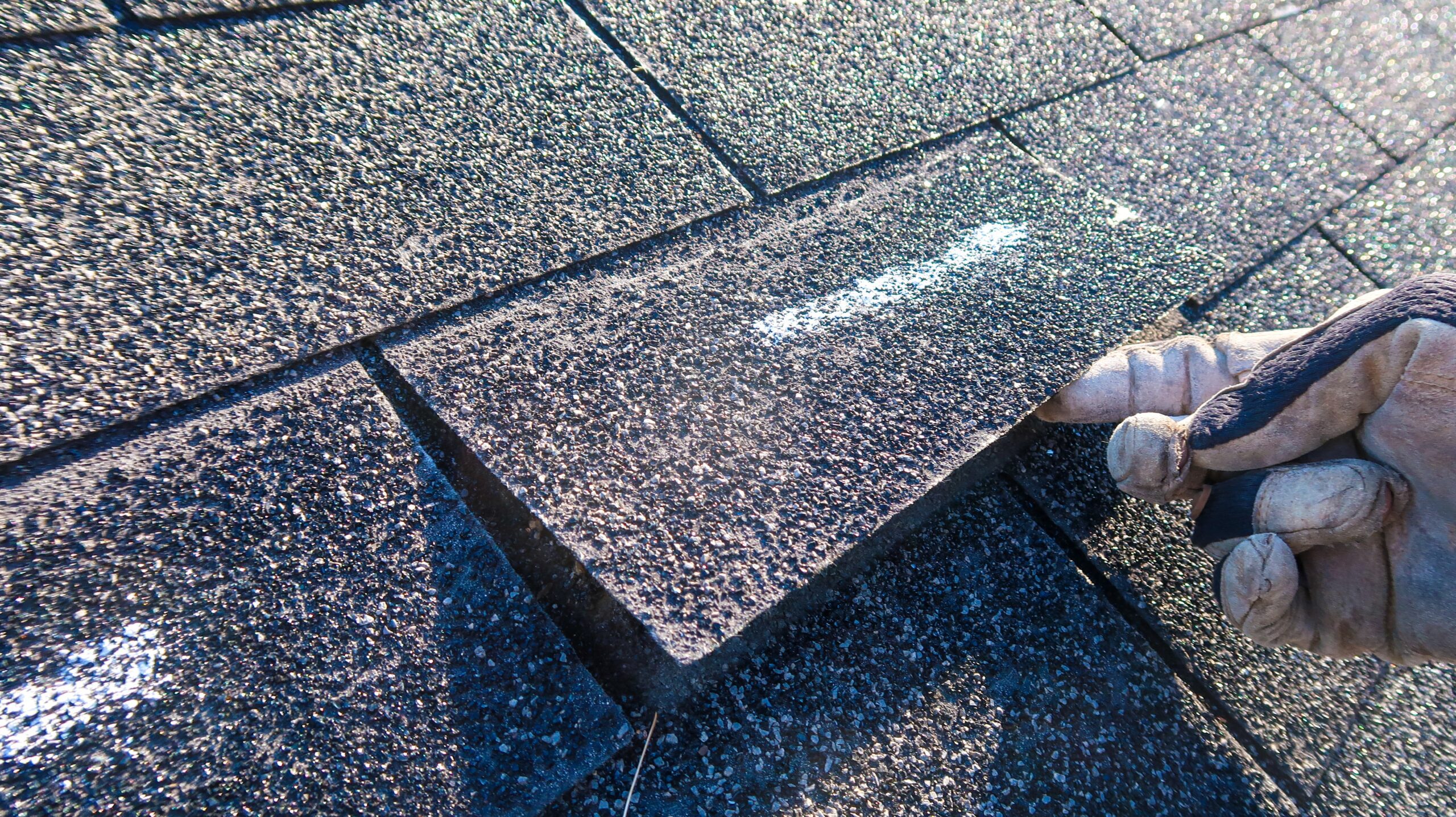
If your roof has a heavy infestation of moss or lichen, those organisms have root systems that dig into the granules of your shingles. During a storm, clumps of moss break loose and slide down into the newly cleaned gutter. One good-sized clump of moss can block a downspout outlet instantly. You could have pristine gutters on Tuesday, a storm on Wednesday, and a blockage on Thursday because the debris came from above. Until the roof is clear of this growth, no amount of gutter cleaning will keep the system flowing freely for long.
Softwashing vs Pressure Washing: What’s Safer for Roofs and Gutters
When homeowners realize their roof needs cleaning, their first instinct is often to grab a pressure washer or hire a handyman with one. We need to be very clear about this: Never use high pressure to clean an asphalt shingle roof. Not only does it damage the roof, but it can also destroy your gutters.
Why Softwashing Cleans Without Forcing Water Into Gutters
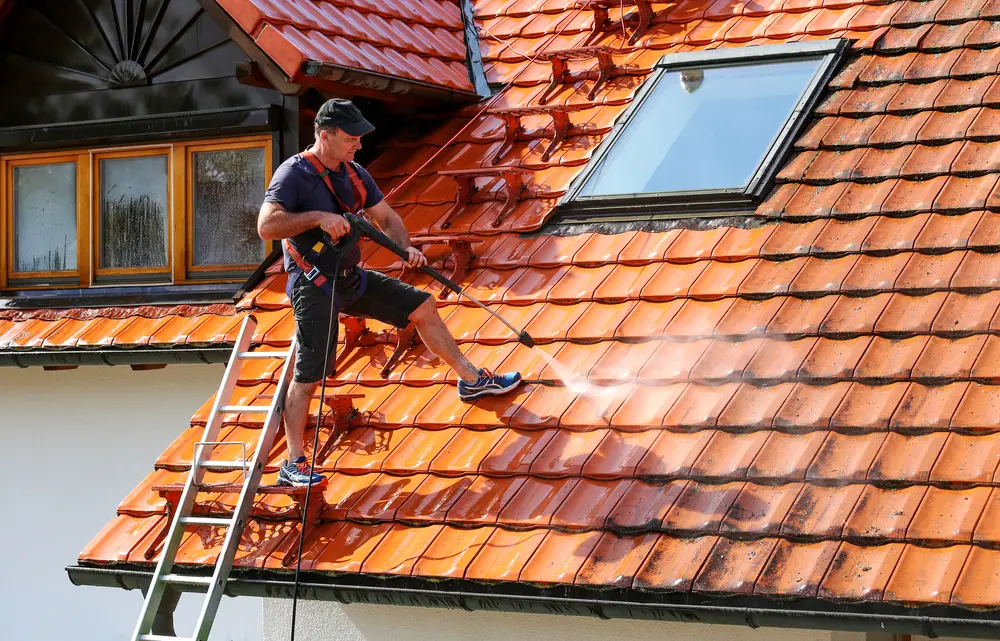
Softwashing is a completely different process. It relies on chemistry, not force. We apply a biodegradable cleaning solution at a pressure that is roughly the same as a garden hose. This solution kills the algae, mold, and moss at the root level. We then gently rinse it away.
Because the pressure is so low, we have complete control over where the water goes. We aren’t blasting debris all over your yard or forcing gallons of water under your shingles. The runoff is controlled. This method is approved by roofing manufacturers like GAF and Owens Corning because it cleans without stripping the protective granules off your shingles. It’s gentle, effective, and safe for the entire exterior system.
How High Pressure Can Damage Gutters and Roof Edges
High-pressure washing is violent. If you blast a roof with 3,000 PSI of water, you are dislodging a massive amount of shingle granules. Where do those granules go? Straight into your gutters.
We have inspected homes where a pressure washing job filled the gutters with an inch of heavy, sandy granules. This is like pouring concrete into your gutters. It is incredibly heavy and almost impossible for rain to wash out. Furthermore, the high-pressure spray can physically dent aluminum gutters or blast them loose from their hangers if the wand gets too close. It can also force water behind the gutter and into the fascia board, causing hidden rot. Softwashing avoids all of these risks, protecting the integrity of both the shingles and the drainage system.
When Roof Softwashing and Gutter Service Should Be Done Together
Efficiency matters. If you are going to address your home’s exterior maintenance, it makes the most sense to tackle related systems at the same time. Treating the roof and cleaning the gutters in one service call is the best way to "reset" your home’s water management.
Signs Your Home Needs More Than Just a Gutter Cleaning
How do you know if you need just a gutter scoop-out or a full roof softwash? Look for these signs:
- Black Streaks: If you see dark, vertical lines running down your roof, that is algae. It’s feeding the gutter sludge.
- Green Patches: Moss or lichen growing on the shingles is a definite sign that debris is sliding into your gutters.
- Granule Loss: If you see bare spots on shingles, the algae may be compromising the adhesive.
- Constant Clogging: As mentioned before, if your gutters clog rapidly after cleaning, look up.
- Visible Sludge: If the material coming out of your downspouts looks like black mud rather than just brown leaf water, that’s roof runoff.
If you see these indicators, a gutter cleaning alone is just a temporary patch. A softwash will resolve the underlying issue.
How Cleaner Roofs Extend the Life of Your Gutter System
We all want our home improvements to last. Gutters are an investment, and like any equipment, they last longer when they aren’t abused. A clean roof is the best way to ensure your gutters enjoy a long, boring life.
Less Debris, Less Strain, Fewer Repairs Over Time
The math is simple. A clean roof sheds clean water. Clean water flows easily through aluminum troughs and downspouts. When water flows easily, it doesn’t stand still.
- Prevents Corrosion: Even aluminum can corrode eventually if wet, acidic organic matter sits in it for years. Keeping the gutters clear prevents this chemical attack.
- Prevents Sagging: By removing the heavy sludge load, your hangers and spikes stay tight. You won’t have to pay for repairs to re-hang sagging sections.
- Prevents Leaks: Leaks often start at the seams because debris traps water there, which freezes and expands in winter, popping the seal. Less debris means less trapped water and fewer leaks.
By maintaining the roof, you are essentially babying your gutters. You reduce the daily wear and tear significantly, which can add years to the functional lifespan of the system.
A Smarter Way to Protect Your Roof and Gutters
Home maintenance can feel like a never-ending list of chores. But sometimes, working smarter is better than working harder. Instead of fighting a losing battle against gutter clogs every few weeks, look at the bigger picture.
Why Professional Roof Softwashing Supports Long-Term Gutter Health
At Cola City Roofing, we believe in solutions that last. Roof softwashing is a science-backed method to sanitize your roof and protect everything below it. It restores your curb appeal, yes, but more importantly, it restores the function of your home’s exterior.
By combining a professional roof softwash with your gutter maintenance, you are ensuring that rainwater has a clear path off your home. You are protecting your fascia from rot, your foundation from overflow, and your wallet from premature repairs. It’s a proactive step that pays off with every storm. If you’re tired of gutters that just won’t stay clean, let us take a look at your roof. We’ll give you an honest assessment and a clear plan to keep your home safe, dry, and looking its best.