
Most homeowners think of their roof and gutters as separate parts of their home. The roof keeps the rain out, and the gutters catch the runoff. It seems simple. But when your gutters stop working correctly, they can cause serious and expensive damage to the very roof they are supposed to protect. It’s a slow, quiet process that often goes unnoticed until the repair bill is significant.
At Cola City Roofing, we’ve seen it countless times. A homeowner calls us about a leak or some rot along their roofline, assuming it’s a shingle problem. But when we get up on the ladder, we find that the real culprit is a failing gutter system. Understanding the subtle warning signs can help you catch these issues early, protecting your roof and your wallet. This is a practical look at how to tell if your roof problems are actually starting at the gutters.
How Gutters Can Quietly Damage Your Roof Over Time
A properly functioning gutter system is your roof’s best friend. It collects water and directs it safely away from your home. But the moment that system fails—whether from a clog, damage, or improper installation—it becomes an active threat.
Why Water Direction Matters More Than Most Homeowners Realize
The entire purpose of your home’s exterior is to move water down and away. When gutters fail, they reverse this process. Water that should be flowing down a downspout is instead trapped, forcing it to back up. This backflow pushes water into places it was never meant to go: under your shingles, behind your fascia boards, and onto the wooden structure of your roof deck. This constant, low-level moisture is far more destructive over time than a single heavy rainstorm because it never has a chance to fully dry out.
Clear Signs Your Roof Damage Is Coming From the Gutters
You don’t have to be a roofing expert to spot the warning signs. Most of the evidence is visible from the ground if you know what to look for. These are the most common indicators that your roof is suffering because of your gutters.
Rotting Fascia Boards and Soft Roof Edges Near the Gutters
The fascia is the long, straight board that runs along the lower edge of your roof, right behind your gutters. It’s the foundation to which your gutters are attached. When gutters overflow or leak from the back, the fascia is the first thing to get wet. Over time, this constant moisture causes the wood to rot.
You might see paint peeling or bubbling on the fascia, or the wood itself may look dark and stained. In advanced cases, you can poke the wood with a screwdriver, and it will feel soft and spongy. Since the fascia is directly connected to the rafters and the roof deck, this rot can easily spread upward into the roof structure itself, compromising the integrity of the roof’s edge.
Water Stains or Mold Where the Roof Meets the Exterior Walls
Take a close look at the area where the top of your exterior wall meets the overhang of your roof (the soffit). Do you see dark streaks, water stains, or patches of green or black mold? This is a classic sign of overflowing gutters.
When gutters are clogged, water spills over the back and runs down behind the fascia, soaking the soffit. This creates a damp, shaded environment perfect for mold and mildew growth. These stains are a clear signal that water is not being managed correctly at the roofline and is instead saturating the wooden components of your roof’s overhang.
Shingle Deterioration Along the Roofline
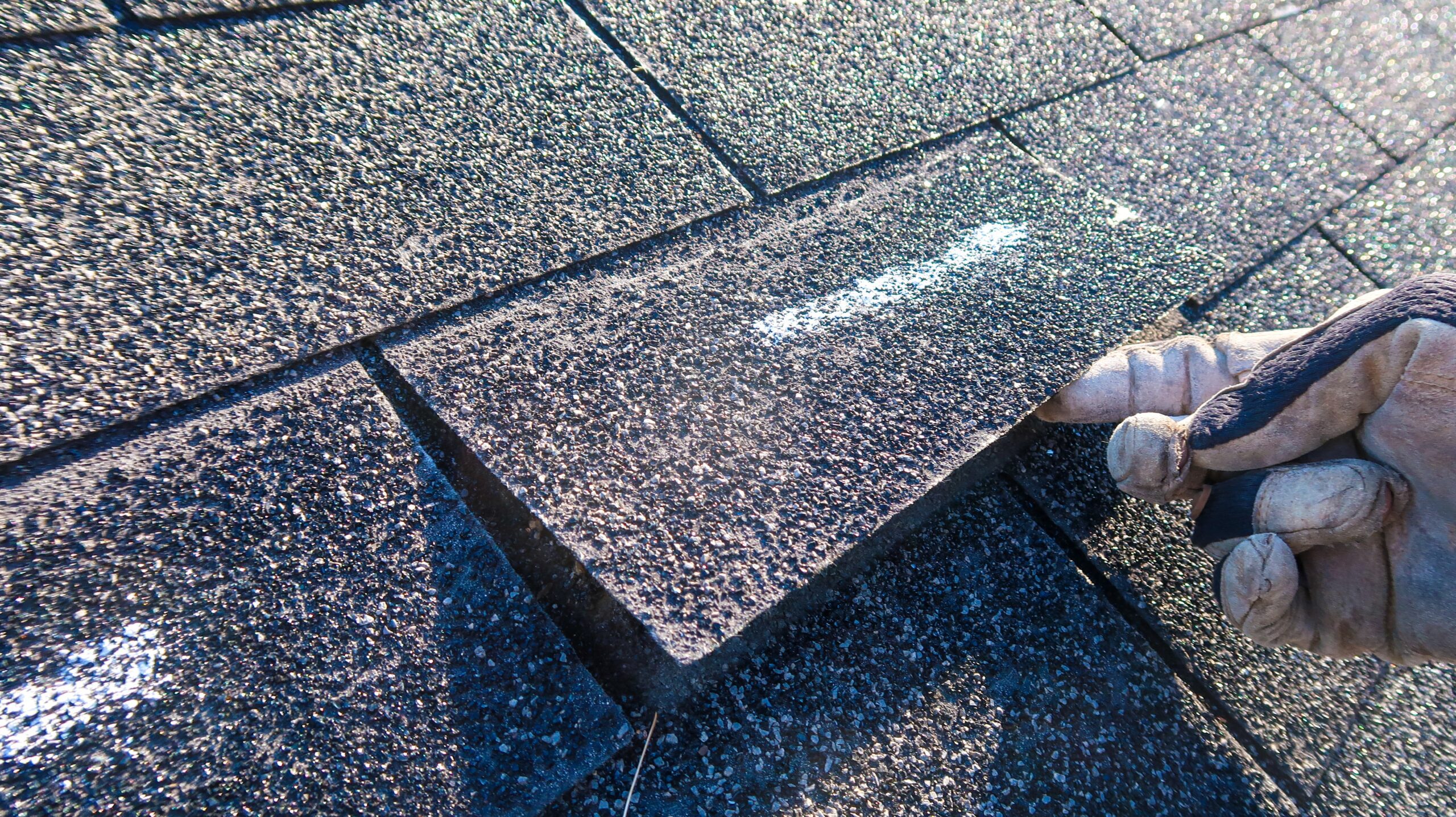
The shingles at the very edge of your roof should look just like the shingles in the middle. If you notice that the bottom row of shingles is curling, crumbling, or has lost its protective granules, it’s often due to a gutter problem.
This happens when clogged gutters create an "ice dam" in the winter or a "water dam" during heavy summer rains in the Midlands. Water backs up and sits on top of the shingles, keeping them constantly saturated. Shingles are designed to shed water, not sit in it. This prolonged exposure breaks down the asphalt and causes the shingles to fail prematurely, leaving the underlying roof deck vulnerable.
Sagging or Pulling Gutters Taking the Roof Edge With Them
Look at your gutters from across the street. Do they form a straight, clean line, or are there visible sags and low spots? Gutters full of wet leaves, shingle grit, and water are extremely heavy. This weight can cause the hangers to pull loose from the fascia board.
As the gutter sags, it pulls the fascia board with it. In severe cases, this can bend or break the drip edge—the metal flashing that protects the edge of the roof deck. Once the drip edge is compromised, water has a direct path to the wood underneath. A sagging gutter isn’t just an eyesore; it’s a sign that the entire roof edge is under immense strain.
Clogged vs. Improperly Installed Gutters: Which Damages Roofs More?
Both clogged and improperly installed gutters can destroy a roof, but they do it in slightly different ways. Understanding the distinction helps diagnose the core problem.
How Overflowing Gutters Trap Moisture Against Roofing Materials
Clogging is the most common gutter problem. Leaves, pine needles, and shingle granules build up, creating a dense dam. When it rains, water hits this dam and pools, overflowing wherever it can. This is a problem of volume. The gutter simply can’t drain fast enough, and the resulting overflow soaks the fascia, soffit, and roof edge. This leads to widespread rot and mold growth over a broad area. It’s a slow but relentless attack on all the wood components at the roofline.
Why Poor Gutter Pitch Can Send Water Back Onto Your Roof
An improperly installed gutter might be perfectly clean but still cause damage. The most common installation error is incorrect "pitch" or slope. Gutters should be sloped slightly toward the downspouts to encourage drainage. If they are installed perfectly level ("flat") or, even worse, sloped away from the downspout, water will sit in them permanently.
This standing water not only corrodes the gutter itself but also constantly exposes the roof edge to moisture. This is a more targeted problem than a clog. You may see damage concentrated in one specific area where the water is pooling. A poorly pitched gutter can cause severe rot in one 10-foot section while the rest of the roofline looks fine.
Why Gutter-Related Roof Damage Often Gets Missed Until It’s Costly
The damage from failing gutters is insidious. It doesn’t happen overnight. It’s a gradual process of saturation, rot, and decay that happens out of your direct line of sight. Most homeowners aren’t looking at their fascia boards or soffits regularly. They only notice a problem when it becomes too big to ignore—like a leak in the ceiling or a piece of fascia falling off the house.
Early Warning Signs Most Homeowners Don’t Know to Look For
You can get ahead of costly repairs by looking for the subtle clues. After a rainstorm, check if your gutters are dripping long after the rain has stopped. Look for mud splatters on your siding directly below the gutters, which indicates overflow. You might also notice that plants or mulch directly under a section of the roofline are constantly washed out. These are the earliest hints that your water management system is failing and that your roof could be at risk.
Can Gutter-Caused Roof Damage Be Fixed Without Full Replacement?
This is a critical question for homeowners facing this issue. The answer depends entirely on how early you catch the problem.
When Targeted Repairs Are Enough — and When They’re Not
If the damage is limited to a small section of fascia and a few square feet of the soffit, a targeted repair is often possible. A skilled contractor can remove the damaged gutters, cut out and replace the rotted wood, and then install a new section of gutter. If the roof shingles and decking are still solid, you can avoid the expense of a full replacement.
However, if the rot has spread from the fascia into the ends of the roof rafters or has wicked up into the plywood roof deck, a simple repair is no longer an option. Covering up rotted structural wood is never a solution. In these cases, a partial or full roof replacement may be necessary to properly restore the home’s integrity. The key is to address the source of the water problem—the gutters—at the same time.
When to Call a Roofing Contractor Instead of Just Cleaning the Gutters
If you see granules in your gutters or a few leaves overflowing, a simple cleaning might be all you need. But if you see any of the signs of wood rot, water stains, or shingle damage, it’s time to call a professional roofing contractor, not just a gutter cleaner. A gutter cleaner will solve the clog, but they are not equipped to assess or repair the underlying damage to your roof structure.
What a Professional Roof Inspection Looks for Around Gutters
When we inspect a roof for gutter-related damage, we go beyond just looking in the trough. We physically press on the fascia board to check for softness. We look at the underside of the roof decking from the attic for any signs of water intrusion. We measure the pitch of the existing gutters to see if they are draining properly. We check the condition of the drip edge and the bottom row of shingles. This comprehensive assessment gives you a full picture of the problem, not just the symptom.
Protecting Your Roof Starts With the Right Gutter System
The relationship between your roof and gutters is undeniable. A healthy gutter system is one of the most important factors in ensuring your roof reaches its full lifespan. Investing in a quality gutter system is an investment in protecting your entire home from the top down.
How Proper Gutter Installation Prevents Future Roof Damage
A professionally installed seamless gutter system is designed to prevent these problems from ever starting. When installed correctly, the gutters are pitched perfectly for our heavy South Carolina rains. They are secured with heavy-duty hangers that won’t pull loose. The corners are sealed to be watertight. It’s a complete, custom-fit solution that catches every drop of water from your roof and directs it away from your home. If you are experiencing any of these warning signs, don’t ignore them. A timely inspection from a trusted roofing professional can be the difference between a simple repair and a major replacement.