It’s one of those home maintenance tasks that’s easy to put off. Gutter cleaning is a messy, time-consuming job, and it’s tempting to delay it until you absolutely have to. But how often is that, really? Some people say once a year is enough, while others insist on doing it every season. The truth is, there isn’t a single right answer for every home. The frequency depends on your specific property, your surrounding environment, and even the type of roof you have.
At Cola City Roofing, we spend a lot of time on ladders, and we see firsthand what happens when gutters are neglected for too long. Clogged gutters aren’t just an eyesore; they are a direct threat to your home’s foundation, siding, and structural integrity. That’s why professional gutter services in South Carolina emphasize routine cleaning and inspections tailored to our climate. A simple, routine cleaning can prevent thousands of dollars in water damage.
Knowing the right frequency for your home isn’t about following an arbitrary rule. It’s about understanding the factors that contribute to clogs and creating a schedule that keeps your water management system working properly year-round.
Why Gutter Cleaning Frequency Matters More Than You Think
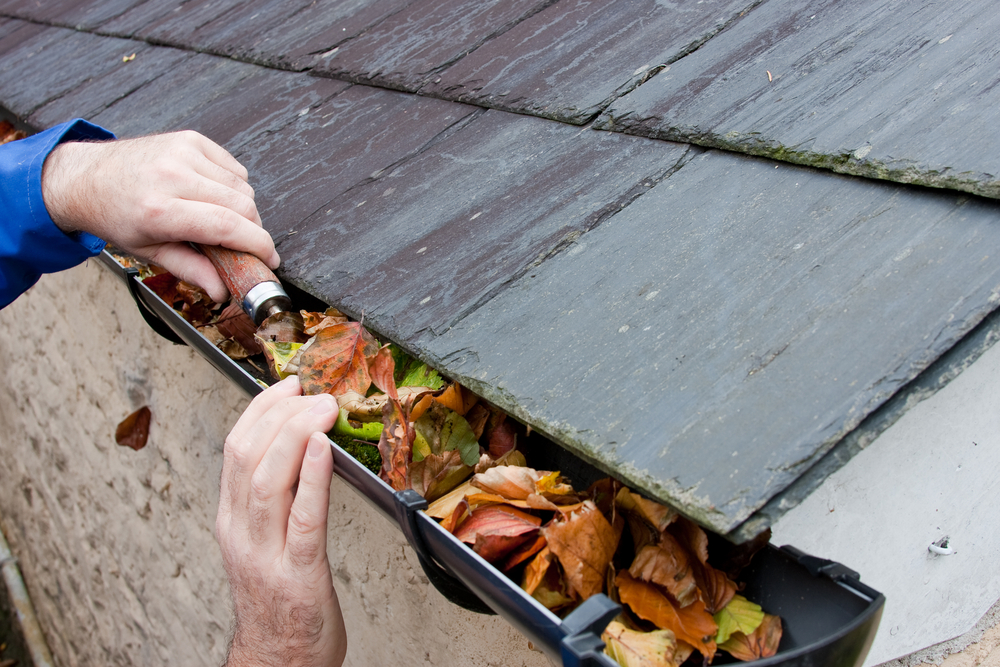
Many homeowners view gutter cleaning as a simple tidying-up task, like weeding a flower bed. In reality, it’s a critical piece of preventative maintenance. Your gutters are designed to collect thousands of gallons of water from your roof and channel it safely away from your home. When they are clogged with leaves, pine needles, and other debris, they can’t do their job.
The frequency of cleaning matters because clogs don’t just happen overnight. They build up over time. A few leaves in October can turn into a dense, water-logged dam by December. If you wait too long between cleanings, you’re leaving your home vulnerable during every storm in the interim.
Regular cleaning ensures that your gutters are always ready to handle the next downpour. It prevents the slow, silent damage that occurs when water overflows and seeps into places it doesn’t belong. Consistent maintenance is far less expensive and stressful than dealing with a water-damaged foundation or a rotten fascia board. The question isn’t just about doing the work; it’s about doing it often enough to prevent problems before they start.
A Simple Gutter Cleaning Schedule for Most Homes
For the average homeowner who wants a reliable, set-it-and-forget-it schedule, a good rule of thumb is to clean your gutters twice a year .
A simple and effective gutter cleaning schedule for most homes in the Columbia area is:
- Late Spring (May/June): This cleaning is designed to clear out all the pollen, oak tassels, "helicopters" from maple trees, and flower petals that accumulate during the spring blooming season. This ensures your gutters are clear before the heavy summer thunderstorms begin.
- Late Fall (November/December): This is the most critical cleaning of the year. It removes all the fallen leaves that have accumulated throughout autumn. Getting this debris out before the wetter, colder winter months is essential to prevent clogs and ice buildup.
This twice-a-year schedule is a fantastic starting point. It covers the two heaviest seasons for debris and ensures your system is never neglected for too long. However, this is just a baseline. For many homes in the Midlands, this schedule may need to be adjusted based on the specific environment.
How Trees, Roof Type, and Weather Change the Schedule
The "twice-a-year" rule works for a house on a clear lot, but most of us don’t live in that ideal scenario. Several factors can significantly increase the need for more frequent cleaning.
The Impact of Trees: This is the single biggest factor.
- Pine Trees: If you have pine trees directly overhanging your house, you may need to clean your gutters as often as four times a year . Pine needles fall continuously and form dense mats that are excellent at blocking water. They don’t just clog downspouts; they can clog the entire gutter channel.
- Oak and Maple Trees: Large deciduous trees that drop a heavy volume of leaves in the fall might require an extra cleaning session right in the middle of autumn, in addition to the end-of-season cleanout. Sometimes, the leaves fall so fast that they can clog a freshly cleaned gutter in just a few weeks.
- No Trees: If your home has no overhanging trees, you might be able to get by with cleaning your gutters only once a year . You will still get shingle grit and wind-blown debris, but the volume will be much lower.
Roof Type and Pitch:
- Steep Roofs: A steep roof sheds water and debris at a higher velocity. This can help keep the gutters flushed out, but it also means more debris gets into the system faster during a storm.
- Low-Pitch Roofs: On a roof with a gentle slope, leaves and needles are more likely to sit on the shingles and slowly wash into the gutters over time, creating a more constant, slow-moving stream of debris.
Local Weather Patterns: During a particularly stormy season, you might need an extra inspection. A heavy thunderstorm can knock down a surprising amount of small branches and leaves, clogging a previously clean gutter system in a single afternoon. After any major storm, it’s a good idea to at least do a visual inspection from the ground to see if anything looks out of place.
Signs Your Gutters Need Cleaning Sooner Than Planned
Your home will give you clear signals when your gutters are clogged and need immediate attention. Don’t wait for your scheduled cleaning if you notice any of these warning signs. Recognizing the early signs your gutters are clogged or failing can prevent structural damage:
- Water Spilling Over the Sides: This is the most obvious sign. If you see waterfalls cascading over the edge of your gutter during a rainstorm, it means the water has nowhere to go. There is a clog either in the gutter run or at the downspout opening.
- "Tiger Stripes" on the Gutter Face: Look for dark, vertical streaks on the outside of your gutters. This staining is caused by dirty water consistently overflowing from the same spots.
- Birds or Pests Near the Roofline: Birds and rodents are often attracted to the nest-like material of clogged gutters. If you see critters congregating near your gutters, they may have found a home in a bed of leaves and twigs.
- Plants Growing in Your Gutters: If you can see small seedlings or grass sprouting from your gutters, it’s a sure sign that enough soil and debris have accumulated to support plant life. This indicates a severe, long-term clog.
- Sagging Gutters: A gutter that is visibly bowing or pulling away from the house is likely full of heavy, water-logged debris. The weight is stressing the hangers and fascia board, and failure could be imminent.
- Water Pooling Around Your Foundation: After it rains, walk around your house. If you see puddles or streams of water near the foundation walls, check the gutters directly above those spots.
What Happens If Gutters Aren’t Cleaned Regularly
Beyond visible overflow, there are hidden dangers of clogged gutters that many homeowners overlook. Ignoring gutter maintenance isn’t a neutral choice; it’s a decision that allows damage to occur. The consequences of consistently clogged gutters are often slow to appear but expensive to fix.
- Fascia and Soffit Rot: This is the first casualty. When water overflows, it soaks the wooden fascia board that the gutter is attached to. This constant moisture leads to wood rot, which compromises the integrity of your entire roof edge. Replacing rotten fascia is a significant repair job.
- Foundation Damage: This is the most severe risk. Overflowing water saturates the ground right next to your foundation. In the expansive clay soil common in South Carolina, this causes the soil to swell when wet and shrink when dry. This cycle puts immense pressure on your foundation, leading to cracks, leaks, and costly structural problems.
- Basement or Crawl Space Flooding: The saturated ground around your foundation can lead to water seeping into your basement or crawl space, causing mold, mildew, and damage to your home’s substructure.
- Siding and Window Damage: Water splashing back against your house can get behind siding, damaging sheathing and leading to rot. It can also seep into window sills and frames, causing them to decay.
- Pest Infestations: A gutter filled with damp, decomposing organic matter is an ideal breeding ground for mosquitoes, termites, and other pests.
Seasonal Gutter Cleaning Tips for South Carolina Homes
Following a structured seasonal gutter maintenance plan helps prevent surprises between cleanings.
Our local climate presents unique challenges in every season. Here’s how to tailor your cleaning approach throughout the year:
- Spring (March-May): Focus on removing the fine, dense debris like oak tassels and pollen. This gunk can create a paste-like sludge that is very effective at blocking downspouts. A high-pressure hose nozzle can be useful for flushing this material out after you’ve scooped the larger items.
- Summer (June-August): This is storm season. While not a primary cleaning season, it’s a critical inspection period. After a major thunderstorm, walk around your home to check for overflows or newly dislodged branches.
- Fall (September-November): This is the main event. Use a detailed fall gutter maintenance checklist to make sure nothing gets missed before winter. You will be dealing with a high volume of leaves. Don’t try to do it all at once. If you have many oak trees, you might need to do a "pre-cleaning" in October and a final cleaning after Thanksgiving when all the leaves are down.
- Winter (December-February): Ensure your final fall cleaning was thorough. The goal for winter is to have clear gutters that can handle the cold, persistent winter rains without issue. Wet leaves left in gutters can freeze into solid blocks, creating dams that cause water to back up under your shingles.
DIY Gutter Cleaning: What Homeowners Should Know
Many homeowners choose to clean their own gutters to save money. If you decide to go this route, safety must be your number one priority.
Essential Safety Precautions:
- Use a Sturdy Ladder: Make sure your ladder is on stable, level ground. A four-legged stepladder is often more stable than an extension ladder leaned against the house.
- Follow the "Three Points of Contact" Rule: Always keep either two feet and one hand, or one foot and two hands, on the ladder.
- Don’t Overreach: Move the ladder frequently. Never lean your body far out to the side to reach a little further; this is how ladders become unbalanced.
- Wear Protective Gear: Always wear thick gloves to protect your hands from sharp metal edges and bacteria. Safety goggles are also essential to protect your eyes from debris.
- Be Aware of Power Lines: Look up before you place your ladder. Never work near overhead power lines.
A DIY cleaning can be effective, but it is physically demanding and carries inherent risks.
When Professional Gutter Cleaning Makes More Sense
While DIY is an option, there are many situations where hiring a professional is the safer and more effective choice. Consider calling a professional service if:
- You Have a Two-Story Home: The risks associated with working on a ladder increase dramatically with height. It is not worth risking a serious fall to save a few hundred dollars.
- You Have a Steeply Pitched Roof: Walking on a steep roof is extremely dangerous and should only be done by trained and insured professionals.
- You Are Not Comfortable on a Ladder: If you are unsteady on your feet or have a fear of heights, do not attempt this job.
- You Lack the Time or Physical Ability: Gutter cleaning is hard work. If you have physical limitations or a packed schedule, outsourcing the job is a smart decision.
- You Want a Thorough Job: A professional service doesn’t just scoop out leaves. They flush the downspouts to ensure they are completely clear, inspect for damage, and can often perform minor repairs on the spot.
How Gutter Guards Can Reduce Cleaning Frequency
If you live in a heavily wooded area and are tired of cleaning your gutters four times a year, gutter guards can be a game-changer. A quality, professionally installed gutter guard system can drastically reduce your cleaning frequency from several times a year to a simple inspection every year or two.
They work by covering the gutter and allowing only water to enter, while leaves and debris slide off the edge. This is not a "zero-maintenance" solution—you may still have to occasionally brush debris from the surface of the guards—but it eliminates the dangerous work of scooping muck out of the trough. It’s an investment that can pay for itself in time, safety, and peace of mind.
Staying Ahead of Gutter Problems Year After Year
Your gutter system is one of the most important protectors of your home’s value. Establishing a regular cleaning schedule—and sticking to it—is one of the most effective and affordable ways to prevent major water damage.
Whether you decide on a twice-a-year DIY schedule or opt for professional service and gutter guards, the key is to be proactive. Pay attention to your home, look for the warning signs, and address issues before they become expensive disasters. A clean gutter is a working gutter, and a working gutter is your best defense against the heavy rains our South Carolina climate can bring.
If you are unsure where to start or feel your gutter system is overdue for a cleaning and inspection, give Cola City Roofing a call. We can provide an honest assessment of your needs and help you create a maintenance plan that keeps your home safe and dry.