
In the Midlands, the change of seasons isn’t just about the temperature; it’s about the weather. We go from the pollen clouds of spring to the sudden thunderstorms of summer, then to the leaf-fall of autumn and the damp, chilly days of winter. Each season brings a new challenge for your home, and your gutters are on the frontline for all of them.
Many homeowners think of gutter cleaning as a once-a-year chore, usually in the fall. But here in Columbia, our climate demands a more consistent approach. What your gutters face in April is very different from what they handle in October.
At Cola City Roofing, we know that routine maintenance is the single best way to protect your roof, siding, and foundation from water damage. A clogged or damaged gutter isn’t just an eyesore; it’s a breakdown in your home’s most critical defense system.
Why Gutter Maintenance Matters in Columbia’s Climate
Our weather patterns in South Carolina put a unique strain on gutters. We don’t just get four distinct seasons; we get four distinct types of debris and rainfall.
That’s why dependable gutter services in South Carolina focus not just on installation, but on year-round performance and preventative care.
In the spring, it’s a thick blanket of yellow pine pollen and oak tassels that can turn into a dense, water-blocking paste. In the summer, it’s high-velocity thunderstorms that drop immense amounts of water and leaf debris in a short period. In the fall, it’s the classic, heavy leaf-fall from our beautiful hardwoods. And in the winter, it’s the persistent dampness and occasional freezes that can cause hidden damage.
If your gutters are clogged when one of these events happens, the system fails. Water backs up under your roof, spills over onto your siding, and pools around your foundation. Consistent, season-specific maintenance isn’t about being fussy; it’s about making sure your gutters are ready for what our local climate is about to throw at them.
Spring Gutter Care: Preparing for Heavy Rain
Spring in Columbia is beautiful, but it’s also the start of our rainy season and the time when gutters face their first big test of the year. After a relatively quiet winter, the gutters wake up to a sudden onslaught of debris.
The primary culprit is pollen . The yellow dust that covers our cars and porches also coats the inside of our gutters. When the first spring rain hits, that pollen turns into a thick sludge that can easily block downspout openings. Right behind the pollen come the oak tassels and maple "helicopters." These small, stringy pieces of debris are notorious for creating dams.
Your Spring Maintenance Checklist:
- Early Spring Cleaning (Late February/Early March): This is the most important cleaning of the year. Before the heavy spring rains begin, it is crucial to clear out all the debris that accumulated over the winter. This ensures your system has maximum capacity for the upcoming storms.
- Check for Pollen Paste: After the first few rainfalls, take a look at your downspout outlets. If you see very little water coming out during a light rain, there’s a good chance that pollen paste has formed a clog right at the opening.
- Inspect Seams and Sealants: Winter’s cold temperatures can cause metal and vinyl to contract, putting stress on the seams of sectional gutters. As things warm up, it’s a good time to look for any new drips or leaks at the corners and joints.
- Look for Loose Hangers: Ice or wind over the winter may have loosened some fasteners. Look along the roofline for any sections that seem to be sagging or pulling away from the fascia board.
By clearing the channels in early spring, you prepare your home for the heavy downpours of April and May, ensuring water flows away from your house instead of into it.
You can also review our full spring gutter maintenance checklist for a deeper seasonal breakdown.
Summer Gutter Checks: Heat, Storms, and Fast-Growing Debris
Summer brings a new set of challenges: intense heat, violent thunderstorms, and surprisingly fast debris accumulation. While you might think of summer as a "clean" season for gutters, it’s often when they fail most dramatically.
The intense sun can be hard on certain gutter materials. Vinyl gutters, in particular, can become brittle and crack under the constant UV exposure. The heat also causes all materials to expand, which can put further stress on seals and fasteners.
Then come the storms. A single, powerful thunderstorm can rip small branches and heavy loads of leaves from trees and dump them directly onto your roof. A gutter that was clear in the morning can be completely blocked by the afternoon.
Your Summer Maintenance Checklist:
- Post-Storm Inspection: After any major thunderstorm, it’s wise to do a quick visual check. You don’t necessarily need to get on a ladder, but walk around the house. Do you see large branches or clumps of leaves sticking out of the gutters? If so, it’s best to remove them before the next storm hits.
- Check for Overflow Signs: Look for "tiger stripes"—dirty streaks running down the face of your gutters. This is a tell-tale sign that water has been overflowing during recent storms, indicating a clog or an undersized system .
- Ensure Proper Drainage: Pay attention to where the water goes. Summer storms can erode the soil around your foundation quickly. Make sure your downspout extensions are still pointed away from the house and haven’t been moved by a lawnmower or pet.
- Look for Insect Nests: Standing water in a clogged gutter is a perfect breeding ground for mosquitoes. Wasps and hornets also love to build nests in the protected corners of a gutter system.
Summer maintenance is less about a full-scale cleaning and more about vigilance. A quick check after a storm can prevent a clog from causing major damage during the next one.
Fall Gutter Maintenance: Leaves, Pine Needles, and Blockages
This is the season everyone associates with gutter cleaning, and for good reason. The sheer volume of falling leaves and pine needles from our Midlands trees can overwhelm a gutter system in a matter of weeks.
The biggest mistake homeowners make is cleaning too early. If you clean your gutters in early October, they will likely be full again by Thanksgiving. The key is to time your cleaning for when the majority of the leaves in your yard have fallen.
Pine needles are a special problem in our area. They are small enough to get through many types of gutter guards and form dense mats that water cannot penetrate. They also get stuck in downspout elbows, creating stubborn clogs.
Your Fall Maintenance Checklist:
- Late Fall Cleaning (Mid-November to Early December): This is your second major cleaning of the year. Wait until the trees around your home are mostly bare. This cleaning is critical to prepare your gutters for the winter, when clogs can lead to ice dams and hidden water damage.
- Flush the Downspouts: After clearing the main troughs, use a garden hose to flush water down the downspouts. This ensures that any hidden clogs (especially from pine needles) are cleared out before winter. If the water backs up, you have a clog that needs to be removed.
- Inspect for Damage: As you clean, look for any damage that may have occurred over the summer. Check for dents from falling branches or cracks in the material.
- Trim Overhanging Branches: Fall is a great time to proactively trim any tree branches that are hanging directly over your roof. This won’t eliminate all debris, but it can significantly reduce the load.
A thorough fall cleaning is your best defense against winter water problems.
For a detailed step-by-step approach, follow our complete fall gutter maintenance checklist.
Winter Gutter Care: Preventing Hidden Water Damage
While our Columbia winters are mild compared to those up north, they are not without risk. The main threat is the combination of wet, clogged gutters and occasional freezing temperatures.
When a gutter is full of damp, decomposing leaves, it becomes a frozen block of ice during a cold snap. This creates an "ice dam." When the sun comes out and melts the frost on your roof, the runoff hits this dam and has nowhere to go but backward—underneath your shingles. This can lead to rotted roof decking and leaks into your attic that you might not discover until spring.
Even without a hard freeze, a gutter full of wet, rotting debris holds moisture against your fascia board and roof edge all winter long. This constant dampness can accelerate wood rot, even when temperatures are above freezing.
Your Winter Maintenance Checklist:
- Confirm Fall Cleaning: The best winter maintenance is a good fall cleaning. If you didn’t get it done, it’s not too late. A clear gutter in December is far safer than a clogged one.
- Look for Icicles: During a cold spell, walk around your house. Icicles forming along the edge of your gutter (not just at the downspout) are a classic sign of an ice dam. It means water is overflowing and freezing, indicating a clog.
- Check Soffits for Stains: On a dry day, look at the underside of your roof overhang (the soffit). Dark stains or peeling paint are signs of a slow leak, often caused by a winter gutter issue.
Winter care is about preventing problems caused by trapped moisture. A clear gutter allows even small amounts of winter rain to drain away properly.
Signs Your Gutters Need More Than Routine Maintenance
Sometimes, no matter how diligently you clean them, your gutters still have problems. This is often a sign that you have moved beyond a maintenance issue and into a repair or replacement situation.
Watch for early warning signs your gutters are clogged or failing before damage spreads to your roof or foundation.
- Persistent Sagging: If a section of gutter continues to sag even after you’ve cleaned it, the problem may be rotten fascia wood or failed hangers.
- Widespread Leaks: One leaking seam can be patched. If you have leaks at multiple corners or along the bottom of the trough, the system itself is likely failing.
- Constant Overflow: If your gutters overflow even when they are clean, they are probably undersized for your roof and our heavy rains. No amount of cleaning will solve a capacity problem.
- Rust or Cracks: If you see rust spots on steel gutters or cracks in your vinyl or aluminum gutters, the material has reached the end of its life.
If you see these signs, it’s time to call a professional for an inspection. Continuing to clean a failing system won’t stop it from causing damage to your home.
How Gutter Guards Can Reduce Seasonal Maintenance
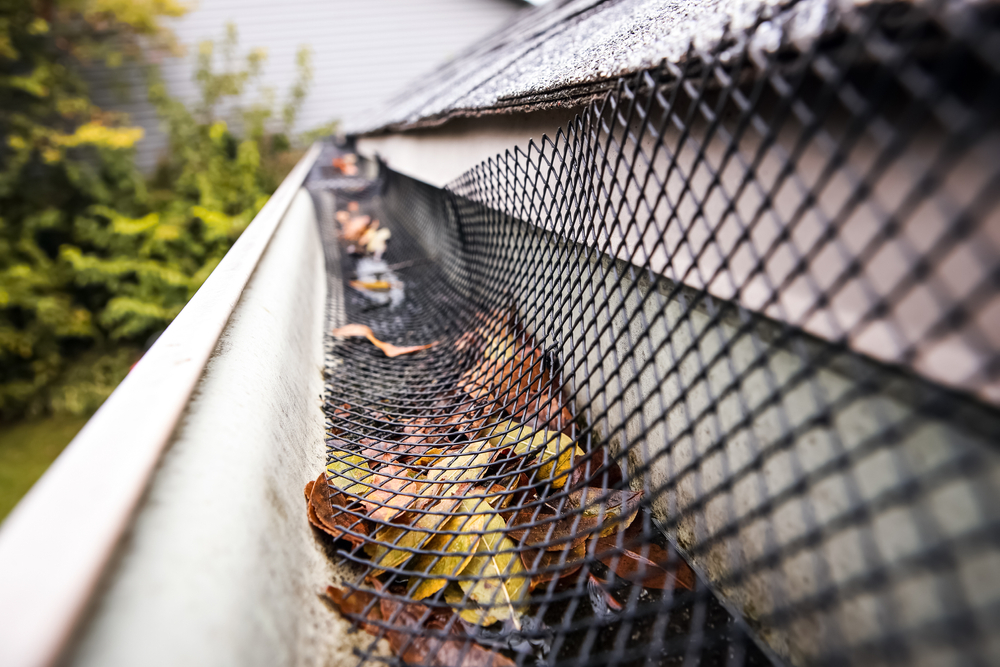
For many Columbia homeowners, the constant cycle of cleaning is exhausting. This is where gutter guards become a valuable investment . A quality gutter guard system can drastically reduce, and in some cases nearly eliminate, the need for seasonal clean-outs.
By covering the gutter, guards prevent leaves, pine needles, and other debris from entering the channel in the first place. Water flows in, but the debris stays out. This is particularly helpful in the fall, saving you from the most labor-intensive cleaning of the year.
However, it’s important to note that no gutter guard is truly "zero maintenance." You may still need to occasionally brush leaves off the top of the guards, and it’s wise to have them professionally inspected every few years to ensure no fine debris has gotten through. But they can turn a quarterly chore into a biannual check-up.
DIY Gutter Maintenance vs Professional Help
Many homeowners are comfortable cleaning their own gutters, and for a single-story home, it can be a manageable DIY task.
DIY Pros:
- It’s free (if you own a good ladder).
- You can do it on your own schedule.
DIY Cons (and Safety Risks):
- Ladder safety is a major concern. Falls are one of the leading causes of home-related injuries.
- It’s a dirty, unpleasant job.
- You might not be able to spot underlying issues, like fascia rot or incorrect gutter pitch.
- Flushing downspouts can be difficult and messy from a ladder.
Professional Help: A professional service costs money, but it offers significant advantages. A pro has the right safety equipment, the experience to work efficiently, and the trained eye to spot problems you might miss. They can also perform minor repairs on the spot and provide a full system diagnosis. For two-story homes or homeowners who are not comfortable on a ladder, hiring a pro is the safest and most effective option.
How Often Columbia Homeowners Should Check Their Gutters
Based on our local climate, here is a simple schedule to follow:
- Major Cleanings (Twice a Year): Early Spring (late Feb/early Mar): To prepare for heavy rains.
- Late Fall (mid-Nov/early Dec): To remove leaves before winter.
- Visual Inspections (Twice a Year): Mid-Summer: After a major storm to check for clogs or damage.
- Mid-Winter: During a cold snap to look for signs of ice dams.
If your home is surrounded by pine trees, you may need to check for clogs more frequently, as pine needles fall year-round.
If you’re unsure whether twice a year is enough for your property, here’s how often you should clean your gutters based on tree coverage and roof type.
Staying Ahead of Gutter Problems All Year Long
Your gutters are a vital part of your home’s defense against the elements. Treating their maintenance as a year-round responsibility, rather than a single autumn chore, is the key to preventing costly water damage .
By understanding what each season brings, you can tailor your approach and keep your system working at peak efficiency. It’s a small investment of time that pays huge dividends in protecting the value and integrity of your home.
If you’re tired of the seasonal cycle or suspect your gutters need more than just a cleaning, give Cola City Roofing a call . We can provide a thorough, professional cleaning or inspect your system to give you an honest assessment of its condition. We’re here to help you keep your home safe, dry, and prepared for whatever the South Carolina weather sends our way.