Your home’s gutter system works quietly in the background, but it’s one of the hardest-working components of your exterior. It channels thousands of gallons of water away from your roof, foundation, and siding every year. Because they do their job so well most of the time, it’s easy to forget about them until a major problem appears.
Often, homeowners assume that a quick cleaning or a minor repair is all that’s needed. While that can be true for simple clogs or small leaks, there comes a point where patching things up is no longer enough. The signs of a failing gutter system can be subtle at first, but ignoring them can lead to significant and expensive water damage.
Knowing what to look for can help you decide when it’s time to stop repairing and start thinking about replacement. This isn’t about looking for trouble; it’s about catching small issues before they become big headaches and protecting the long-term health of your home.
Why Gutters Don’t Always Fail All at Once
A gutter system rarely fails overnight. It’s usually a slow process of wear and tear. A small crack gets a little bigger with each season. A single loose fastener allows a section to sag slightly, putting more stress on the ones next to it. Rain, sun, and the weight of debris take their toll over many years.
Here in the Midlands, our intense summer sun can cause vinyl gutters to become brittle and crack , while heavy rains and pine straw put a constant strain on all types of systems. Because the decline is gradual, you might not notice the small changes. A little overflow here, a small stain there—it’s easy to dismiss.
The problem is that each of these "small" failures contributes to a larger issue: water not being controlled. The moment water starts escaping the system, it begins to work against your house. Understanding the difference between a minor issue and a sign of systemic failure is key.
Clear Signs Your Gutters Need Replacement — Not Just a Repair
Some gutter problems are obvious, while others require a closer look. If you can see any of these issues from the ground, it’s a strong indication that your system is nearing the end of its functional life.
Cracks, Splits, or Rust Spots You Can See From the Ground
Visible damage is the most straightforward sign that something is wrong. Take a walk around your house on a clear day and look up at the gutters. Do you see any long cracks or splits in the sections? These often start small but will eventually widen, creating leaks that allow water to run down your siding.
For galvanized steel or older aluminum gutters, orange or reddish-brown spots are a major red flag. Rust is a form of corrosion that eats away at the metal, weakening it from the inside out. A small rust spot will eventually become a hole, rendering that section of the gutter useless. While you might be able to patch a single small hole, widespread rust means the metal has lost its integrity and the entire system is vulnerable.
Gutters Pulling Away From the House
This is one of the most serious signs of failure. If you see a gap between your gutter and the fascia board (the wood trim it’s attached to), it means the fasteners have failed . The gutter is literally detaching from your home.
This is often caused by the sheer weight of water and debris overwhelming the spikes or screws that hold the system in place. When a gutter pulls away, it creates a direct path for water to run behind it, soaking the fascia board, soffit, and potentially the underlying roof structure. A detached gutter isn’t just a drainage problem; it’s a hazard that could fall and damage your siding or landscaping. This is not something a simple repair can fix; it indicates a systemic failure in how the gutters are supported.
Sagging or Uneven Gutter Lines
From a distance, your gutters should appear to be a straight, clean line along the roof edge. If you notice a dip or a sag in the middle of a run, that’s a sign of a problem.
A sagging gutter is usually caused by standing water. This means the gutter is either clogged or improperly pitched, preventing water from flowing to the downspout. The weight of that stagnant water puts immense strain on the hangers, causing them to bend or pull loose. Once a gutter starts to sag, the problem gets worse. The dip collects more water and debris, making it even heavier and causing it to sag further. This is more than a cosmetic issue; it’s proof that water isn’t moving where it’s supposed to go.
Warning Signs That Often Get Missed
Not all signs of gutter failure are on the gutters themselves. Sometimes, the clues show up elsewhere on your property. These are often the most overlooked symptoms, but they point directly to a drainage system that isn’t doing its job.
Water Pooling Near the Foundation After Rain
After a normal rainstorm, the ground around your home should be damp but not flooded. If you consistently see puddles or standing water collecting against your foundation walls, your gutters are a likely culprit.
This happens when gutters overflow or when downspouts are clogged, damaged, or terminate too close to the house. Instead of being channeled safely away, water is being dumped right at the base of your home. This saturates the soil, which can lead to serious foundation problems over time. Walk around your house after the next rain and take note of where water is collecting. That pooling is a clear warning that your water management system has failed.
Peeling Paint or Rot Along Fascia Boards
Take a close look at the wood trim directly behind your gutters. Do you see paint that is blistering, chipping, or peeling? Are there dark stains or soft, spongy spots on the wood?
This type of damage is almost always caused by water. It’s a classic sign that gutters are either overflowing from the back or that a small, persistent leak has been soaking the fascia for months or even years. Water is wicking behind the gutter and saturating the wood. Peeling paint is the first stage; visible rot is the last. If your fascia boards are rotting, it’s a guarantee that your gutters have been failing for some time.
What Failing Gutters Can Do to the Rest of Your Home
A failing gutter system doesn’t exist in isolation. The water that escapes has to go somewhere, and it often damages the most expensive parts of your house. Thinking about gutter replacement is really about preventing these much larger, more complex repairs.
Roof Edge Damage and Hidden Leaks
When gutters are clogged or pulled away from the house, water backs up onto the edge of your roof. During the winter, this can create ice dams that force moisture up under your shingles. In the summer, the constant dampness can rot the roof decking—the plywood foundation of your entire roof.
This damage is often hidden from view . You might not know you have a problem until you see a water stain on your ceiling or wall. By that point, the damage to the roof structure is already done. A properly functioning gutter system is your roof’s best friend, protecting its most vulnerable edge from constant moisture exposure.
Basement, Crawl Space, and Foundation Issues
This is the most critical consequence of poor drainage. All the water that pools around your foundation has to go somewhere. It puts immense pressure on your foundation walls and can easily find its way into your basement or crawl space.
In Columbia and the surrounding areas, damp crawl spaces are a major concern. They become breeding grounds for mold and mildew, which can affect your home’s air quality. The moisture also attracts pests like termites and can cause the wooden joists that support your floors to rot. Repairing a cracked foundation or remediating a moldy crawl space is vastly more expensive and disruptive than replacing a failing gutter system.
When Gutter Repair Isn’t Enough Anymore
Repairs are great for isolated issues—a single leaky corner, a clogged downspout, or one section that needs to be re-secured. But if you find yourself calling for repairs every year, or if you have multiple problems across the entire system, you’ve reached the point of diminishing returns.
Patching widespread rust is a temporary fix. Trying to re-pitch a sagging gutter that’s full of weak points won’t last. If the system is suffering from old age, brittleness, or widespread fastener failure, you’re better off investing in a solution that solves the problem for good. Continuing to repair a fundamentally failed system is just throwing money away.
Why Replacement Solves Problems Repairs Can’t
A full gutter replacement allows you to address the root cause of the failure. It’s a chance to start fresh with a system designed specifically for your home and our local South Carolina climate.
With a new installation, we can ensure the gutters are properly sized for your roof’s water load. We can set the correct slope from the beginning, guaranteeing that water flows efficiently to the downspouts. We use modern, heavy-duty fasteners that are screwed into solid wood, so you don’t have to worry about them pulling loose in a heavy storm. A replacement isn’t just about new metal; it’s about installing a professionally engineered water management system that provides decades of protection.
How to Know It’s Time to Call a Professional
If you’ve noticed any of the signs mentioned—from visible cracks and rust to water pooling near your foundation —it’s a good time to get a professional opinion. Many homeowners aren’t sure how to assess the overall health of their gutter system, and that’s perfectly normal.
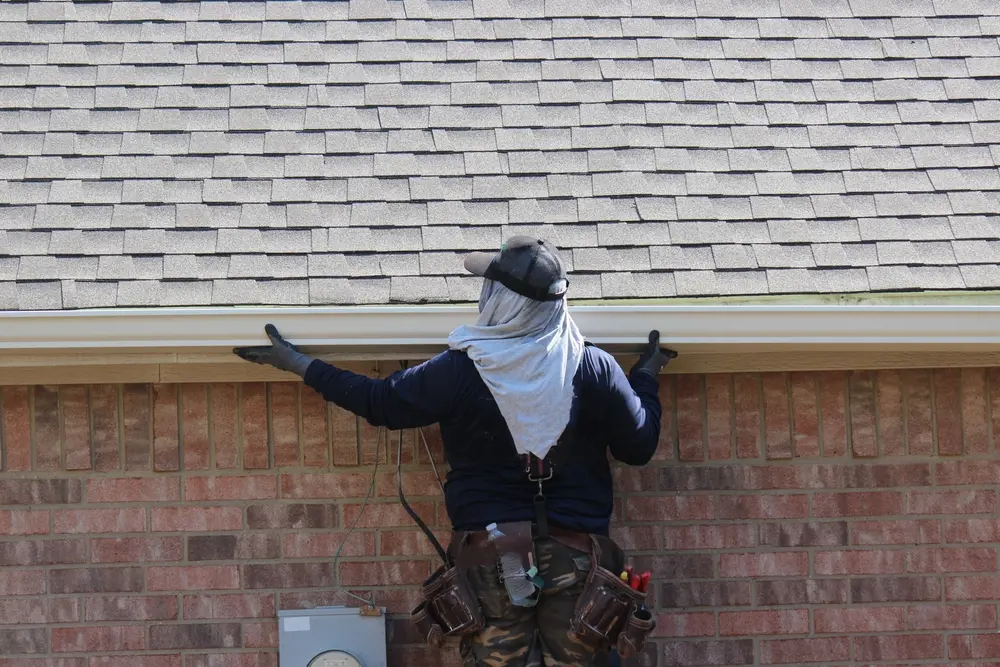
A professional can get up on a ladder and perform a thorough inspection, identifying not just the obvious problems but also the hidden ones. We can check the integrity of the fasteners, the condition of the fascia wood, and the effectiveness of the water flow. An honest evaluation will tell you whether a few repairs will suffice or if a replacement is the smarter long-term investment for protecting your home.
Replacing Gutters Before Water Damage Starts
Your home is likely your biggest investment. Protecting it from water damage is one of the most important maintenance responsibilities you have as a homeowner. While replacing gutters may seem like a significant project, it’s a proactive step that prevents far more costly and stressful problems down the road.
At Cola City Roofing, we approach every job with a focus on doing what’s right for the homeowner. We’ll give you a clear, straightforward assessment of your gutter system and explain your options without any pressure. Our goal is to provide you with a solution that keeps your home safe and dry, giving you peace of mind every time it rains.