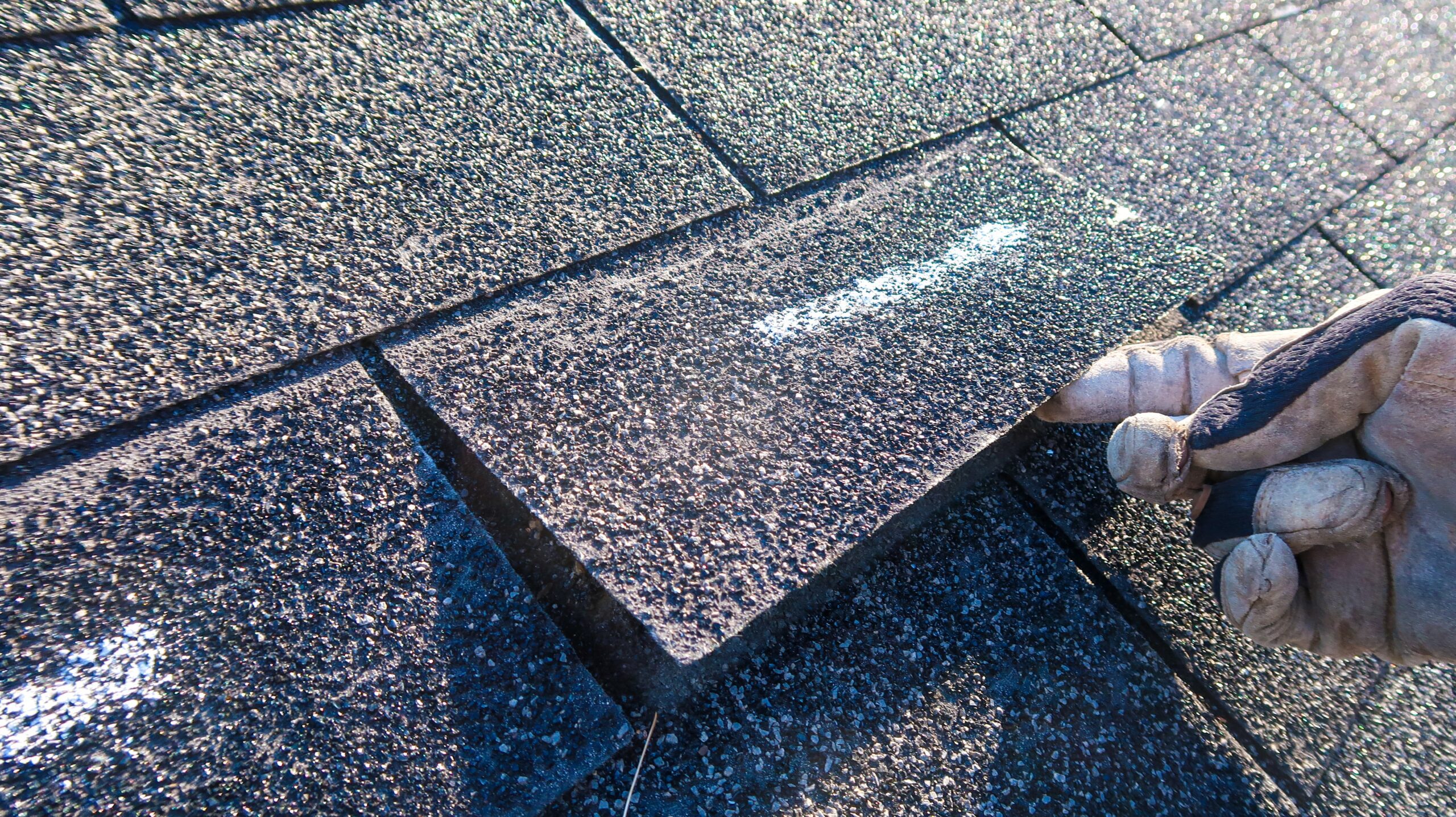
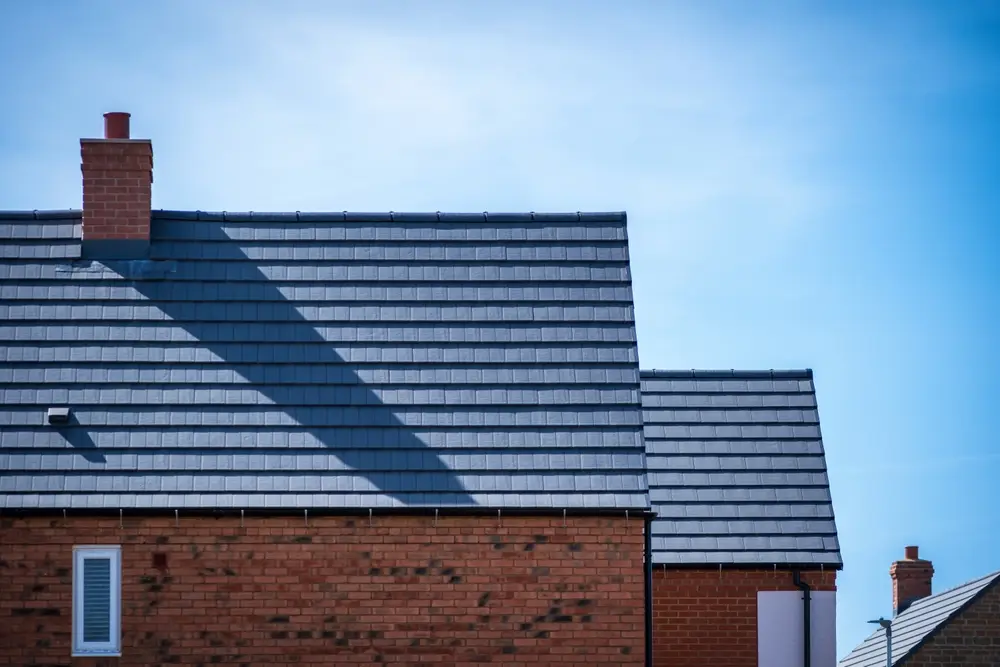
In South Carolina, we talk a lot about rain. We prepare for hurricane season, we worry about spring thunderstorms, and we watch the radar for hail. But there is another weather element that works silently on your home nearly every day of the year: the sun.
While you are inside enjoying the air conditioning, the exterior of your home is baking. In the height of a Columbia summer, roof temperatures can easily exceed 150 degrees. While your shingles are designed to take a beating, your gutters are often the unsung victims of this intense heat.
At Cola City Roofing, we often see gutters that have failed not because of a storm, but because years of relentless sun exposure have weakened them to the point where they simply can’t do their job anymore. Heat and sun damage is a slow process, but it is just as destructive as a sudden downpour. Understanding how the sun affects your drainage system is key to keeping your home protected for the long haul.
Why Sun Damage Is a Real Problem for Gutters in South Carolina
Here in the Midlands, we are blessed with a lot of sunshine. But for your home’s exterior, that sunshine is a source of constant stress. Ultraviolet (UV) rays are powerful. Just as they can burn your skin or fade the upholstery in your car, they degrade building materials over time.
It’s easy to think of gutters as permanent metal fixtures that are immune to the weather. However, gutters are subject to the laws of physics just like everything else. They expand when they get hot and contract when they cool down. They are coated with finishes that can break down under UV radiation.
When you combine the high ambient air temperature of a South Carolina July with the direct radiant heat coming off an asphalt roof, your gutters are operating in an extreme environment.
How Long Hours of Direct Sun Wear Down Gutter Materials
The damage starts at a molecular level. UV radiation attacks the chemical bonds in paints, sealants, and certain gutter materials. Over time, this makes them brittle.
Think about an old plastic lawn chair that has been left out in the yard for two summers. When you sit in it, it cracks. The sun has cooked the flexibility right out of the plastic. Similar things happen to your gutter system.
Vinyl gutters are particularly susceptible, but even aluminum gutters have components that suffer. The sealants used on corners and end caps can dry out and shrink. The rubber gaskets on some gutter guards can degrade. And the metal itself undergoes constant movement. A 50-foot run of aluminum gutter can expand by nearly half an inch on a hot day. If the installation didn’t account for this movement, something has to give. Usually, it’s the fasteners holding the gutter to your house.
Common Signs of Heat and Sun Damage on Gutters
You don’t need a microscope to spot sun damage. You just need to know what to look for. Unlike storm damage, which happens instantly, heat damage shows up gradually. It usually looks like "aging," but in our climate, this aging happens much faster than in cooler parts of the country.
Warping, Cracking, or Fading Along the Gutter Runs
One of the most obvious signs of heat stress is warping. If you look down the length of your gutter, it should be a straight line. If it looks wavy or distorted, heat is often the culprit.
This happens frequently with vinyl or plastic gutters. The intense heat softens the material, and the weight of the water (or just gravity) causes it to sag and twist. Once a gutter warps, it loses the proper pitch needed to drain water. Instead of flowing to the downspout, water pools in the warped sections, creating mosquito breeding grounds and adding unnecessary weight.
Cracking is another major issue. UV rays make materials brittle. A vinyl gutter might develop hairline cracks along the bottom or at the mounting points. Even on metal gutters, the paint finish can chalk and fade. While fading might seem like just a cosmetic issue, that paint is a protective layer. Once it’s gone, the metal underneath is exposed to oxidation and corrosion.
Gutters Pulling Away From the Roofline During Hot Weather
Thermal expansion is a powerful force. As the metal heats up, it grows. As it cools down at night, it shrinks. This daily cycle of expanding and contracting puts repetitive stress on the spikes or screws holding the gutter to the fascia board.
Over years of South Carolina summers, this movement works the fasteners loose. It’s like wiggling a loose tooth; eventually, it comes out. You might notice a gap opening up between the back of the gutter and the wood of your house.
This "pulling away" is dangerous. It means the gutter is no longer securely attached. During the next heavy rainstorm, the weight of the water combined with the loose fasteners can cause the entire section to rip off the house. We often see this happen in late summer—the heat loosens the nails, and a tropical storm finishes the job.
How Heat-Damaged Gutters Lead to Roof and Fascia Problems
The problem with damaged gutters isn’t just that they look bad. It’s that they stop managing water effectively. When heat warps a gutter or pulls it loose, the water doesn’t stop coming. It just goes to places it shouldn’t.
Gaps That Let Water Run Behind Gutters and Onto the Roof Edge
When a gutter pulls away from the fascia due to thermal expansion, it creates a gap. Rainwater coming off the roof doesn’t land in the trough; it drips right through that gap.
This water runs down the face of the fascia board and behind the gutter. It can also splash back up under the drip edge and reach the roof decking. Because the gutter is physically blocking the airflow, this area stays damp.
This is a silent killer for roofs. The water wicks up into the wood, causing rot along the roof edge. We have torn off roofs where the bottom six inches of decking were completely turned to mush, not because the shingles leaked, but because the heat-damaged gutters allowed water to bypass the system entirely.
Moisture Damage to Fascia Boards After Summer Storms
The fascia board is the wood trim that your gutters are mounted to. It is the anchor for the entire system. When heat causes sealants to fail or gutters to warp, the fascia takes the brunt of the water damage.
In the summer, we often get afternoon thunderstorms followed by intense sunshine. This creates a "steam room" effect. If water gets trapped behind a warped gutter against the fascia board, the heat drives that moisture deep into the wood fibers.
This accelerates rot significantly. Wet, hot wood creates the perfect environment for fungi and decay. As the fascia rots, it becomes soft. The screws holding the gutters lose their grip, causing the gutters to sag further, which traps more water, causing more rot. It is a vicious cycle that starts with sun damage and ends with expensive carpentry repairs.
Which Gutter Materials Handle Sun Exposure Better
Not all gutters are created equal. When you are choosing a system for a home in the Midlands, you have to consider heat resistance just as much as water capacity. The material you choose determines how long your system will last under the Columbia sun.
Why Aluminum Gutters Perform Better Than Plastic in Heat
You will see vinyl (plastic) gutters sold at big-box home improvement stores. They are cheap and easy for DIYers to handle. But in South Carolina, they are a poor investment.
Plastic has a very high coefficient of thermal expansion. It moves a lot when temperature changes. It also degrades quickly under UV light. In our climate, vinyl gutters often become brittle and crack within just a few years. They warp easily, leading to the drainage issues we discussed earlier.
Aluminum, on the other hand, is far superior for our climate. While aluminum does expand and contract, it does so much less than plastic. It retains its structural integrity even when hot. It doesn’t become brittle. Most professional aluminum gutters come with a baked-on enamel finish that is designed to resist UV fading and chalking for decades. For the combination of durability, heat resistance, and cost, seamless aluminum gutters are the gold standard for South Carolina homes.
How Proper Installation Reduces Heat-Related Stress
The material matters, but the installation matters just as much. A professional gutter installer knows that the metal is going to move. We plan for it.
This is why we use specific spacing for hangers. We place them close enough (usually every 24 inches) to support the gutter and restrict excessive movement, but not so rigid that the metal buckles.
On very long runs of gutter (over 40 or 50 feet), we have to account for significant expansion. If you install a 60-foot seamless gutter as one solid piece without considering expansion, it will likely buckle or pull loose on a 100-degree day. Professionals might use expansion joints or configure the downspouts in a way that allows the metal to "breathe" without stressing the fasteners. It’s a level of detail that protects the system from tearing itself apart over time.
Why Summer Is When Sun Damage Becomes Most Visible
You might not notice gutter issues in the winter. The sun angle is lower, the days are shorter, and the temperatures are mild. But when summer hits, the symptoms of sun damage flare up.
How Heat Expansion and Heavy Rain Create the Perfect Storm
Summer is the stress test. You have the hottest days of the year combined with the heaviest rainfall of the year.
Imagine a gutter that has been baked in the sun all morning. It is fully expanded and hot to the touch. Suddenly, a thunderstorm rolls in. Cold rain hits the hot metal. The metal contracts rapidly. At the same time, it is suddenly loaded with hundreds of pounds of water.
This "thermal shock" combined with the weight load is often the breaking point for older or poorly installed systems. This is why you might see a gutter spike pop out or a bracket snap during a summer storm. It’s the combination of the heat weakening the system and the rain delivering the knockout punch.
When Sun Damage Means Repair Isn’t Enough
We try to repair gutters whenever it makes sense. Re-securing a loose hanger or sealing a small leak is standard maintenance. But heat damage is often systemic. It affects the material itself, not just a single spot.
Signs It’s Time to Replace Heat-Damaged Gutters
How do you know when it’s time to stop repairing and start replacing? Here are the signs that the sun has won the battle:
- Widespread Brittleness: If you press on a vinyl gutter and it cracks, or if an aluminum gutter feels incredibly thin and flimsy due to corrosion, the material is spent.
- Chalking Finish: Wipe your finger along the outside of the gutter. If it comes away covered in a white powder, the paint finish has failed. The metal is now exposed to the elements.
- Permanent Warping: If the gutter is wavy and holding water even after you try to adjust the hangers, the metal has been permanently deformed. You can’t bend it back into shape.
- Recurring Leaks at Seams: On older sectional gutters, heat destroys the sealant. If you re-seal a seam and it leaks again a month later, the expansion and contraction are tearing the new seal apart. Seamless gutters eliminate this problem entirely.
If you are seeing these issues, patching is just throwing good money after bad. A new system is the only way to ensure your home is protected.
Protecting Your Gutters From Heat Starts With the Right Setup
You can’t put sunscreen on your gutters. You can’t build a shade structure over your roof. The only way to protect your gutters from heat is to choose the right materials and install them correctly from day one.
How Professional Gutter Installation Helps Reduce Sun Damage
At Cola City Roofing, we treat every gutter installation as a custom project. We don’t just hang metal; we engineer a drainage solution.
We use high-quality, heavy-gauge aluminum that resists warping. We use internal hidden hangers with heavy-duty screws, not the old-fashioned spikes that pull out easily when the metal expands. We install seamless gutters to eliminate the weak points where heat usually causes leaks.
We also look at the color. While dark gutters look trendy, they absorb significantly more heat than white or light-colored gutters. We can help you choose a color that complements your home while also considering the thermal load it will carry.
Your gutters have a hard job. They have to handle the water and survive the heat. If you suspect that the South Carolina sun has taken a toll on your system—if you see warping, fading, or pulling away—give us a call. We will come out, take a look, and give you an honest assessment. Whether it’s a simple repair or a new, heat-resistant seamless system, we’ll make sure your home is ready for the weather, rain or shine.