When you look at your home’s exterior, it’s easy to focus on the big things. You check the shingles to make sure they aren’t curling. You look at the siding to see if it needs a wash. You might even glance at the gutters to see if leaves are poking out. But very few homeowners pay attention to the vertical pipes running down the corners of their house: the downspouts.
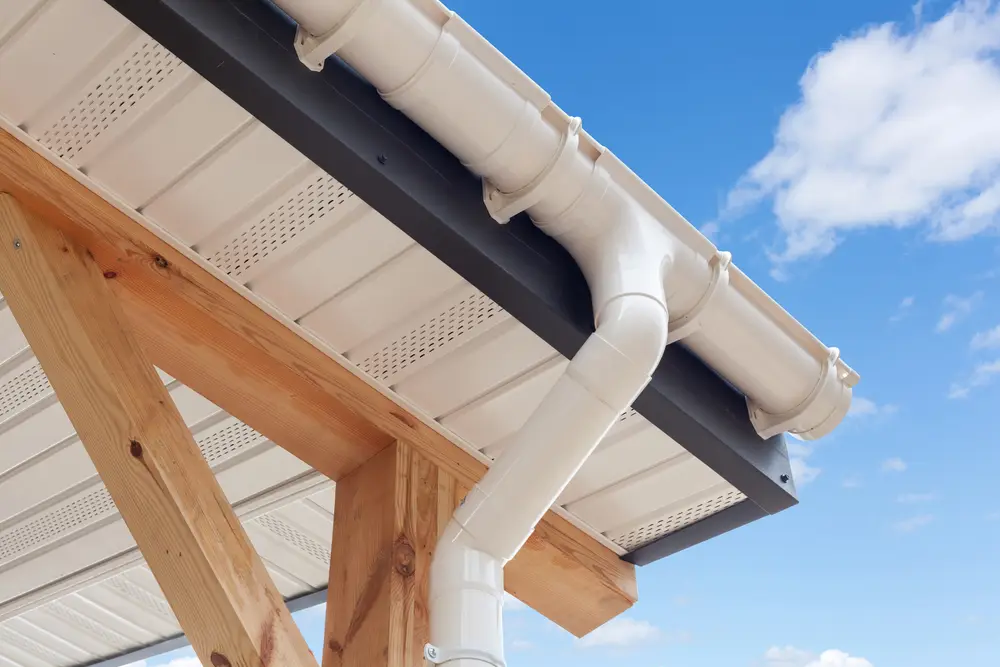
In our experience at Cola City Roofing, downspouts are often the unsung heroes—or the hidden villains—of a roofing system. While the horizontal gutters catch the water, the downspouts are the only way out. If they are in the wrong place, too small, or simply not there at all, the entire system backs up.
It’s a common misconception that gutters are just "buckets" attached to the roof. In reality, they are a plumbing system for your roof. And like any plumbing, if the drain is in the wrong spot, you’re going to have a flood. Improper downspout placement isn’t just an annoyance that causes puddles in the driveway; it can actively shorten the life of your roof, rot your fascia boards, and cause expensive structural damage. Here is why getting those vertical pipes right matters more than you might think.
What Proper Downspout Placement Actually Does for Your Roof
To understand why placement is so critical, you have to think about what happens during a typical summer thunderstorm here in the Midlands. The volume of water hitting your roof is massive. A one-inch rain on a 2,000-square-foot roof produces over 1,200 gallons of water. That is a lot of weight and force that needs to be managed instantly.
Proper downspout placement is about calculating that volume and providing an efficient exit strategy. It’s not enough to just stick a pipe at the corner of the house because that’s where they usually go. Effective placement considers the slope of the roof, the length of the gutter run, and the capacity of the drainage area below.
How Water Is Meant to Move Off Your Roof and Away From the House
Ideally, water management follows a specific path:
- Collection: Rain hits the shingles and sheds down to the eaves.
- Capture: The horizontal gutter catches the runoff.
- Transport: The gutter is pitched slightly to guide water toward the outlet.
- Exit: The downspout takes that water vertically down to the ground.
- Dispersal: An elbow or extension directs the water at least 4 to 6 feet away from the foundation.
When downspouts are placed correctly, this flow is continuous. The water never stops moving. It enters the gutter and immediately begins flowing toward an exit. This prevents weight from building up in the troughs. It keeps the water moving fast enough to flush out small debris like pollen or shingle grit. Most importantly, it keeps the water level in the gutter low, ensuring that even in a deluge, the water stays below the roof edge.
However, when placement is an afterthought, that flow stops. Water travels down the gutter and hits a "dead end" because the downspout is too far away or overwhelmed. The water rises, sits stagnant, and eventually overflows. That stagnation is where the damage begins.
Common Downspout Placement Problems That Lead to Roof Damage
We see a lot of "standard" gutter installations that simply don’t account for the unique architecture of the home or the intensity of our local weather. A builder might place downspouts purely for aesthetics, trying to hide them on the back of the house, regardless of whether that’s where the water naturally wants to go. Here are the most common placement errors we see and how they impact the roof.
Downspouts That Dump Water Back Toward the Roofline
This is one of the most destructive mistakes we encounter, and it is rampant on two-story homes. It happens when a downspout from an upper-story dormer or roof section drains directly onto a lower roof section.
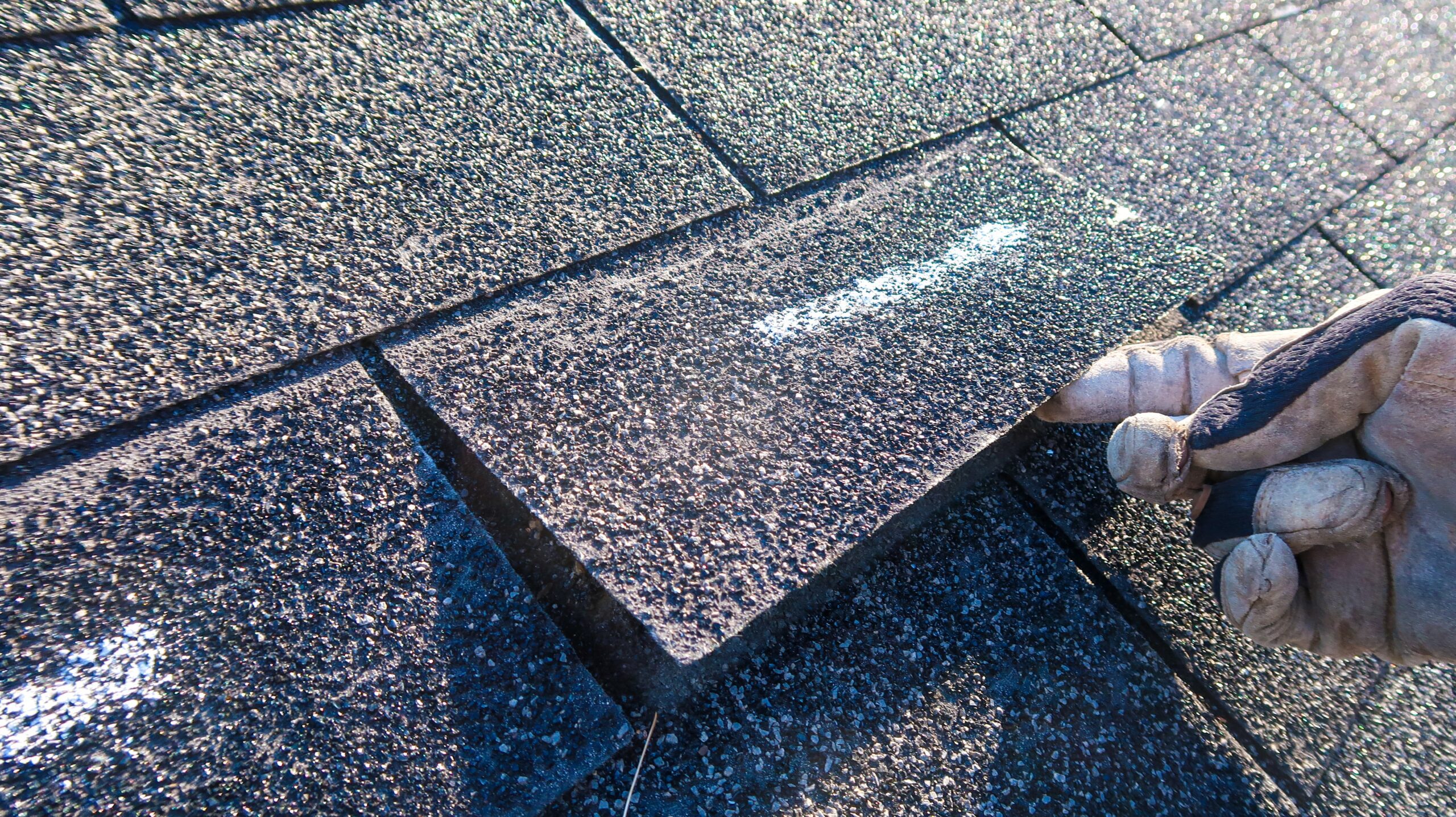
It seems convenient to just let the water run out onto the shingles below, but it creates a concentrated stream of water. Over time, this acts like a pressure washer constantly hitting the same spot on your lower roof. It washes away the protective granules on the shingles, exposing the asphalt to the sun. We often see roofs that look brand new everywhere except for a worn-out, bald strip right below an upper downspout.
Even worse, if that upper downspout is angled incorrectly, it can shoot water back under the shingles or flashing of the lower roof, causing leaks that are incredibly difficult to trace. It can also overwhelm the gutter on the lower level. That lower gutter is sized to handle the rain falling on its specific section of the roof. When you suddenly dump all the water from the upper roof into it as well, it overflows instantly.
Too Few Downspouts for the Size of the Roof
There is a limit to how much water a single downspout can handle. The general rule of thumb is one downspout for every 20 to 30 feet of gutter, but that depends heavily on the size of the roof area feeding it.
If you have a long, ranch-style home with a 60-foot continuous gutter run and only one downspout at the far end, you are asking for trouble. During a light drizzle, it might be fine. But during a heavy storm, the water at the far end of the gutter has to travel 60 feet to get out. It simply can’t move fast enough. The gutter fills up like a bathtub.
The weight of that water is immense. A gallon of water weighs over 8 pounds. If that 60-foot gutter fills up, you could have hundreds of pounds of water hanging off your roof edge. This causes the gutter to sag, which destroys the pitch, making the drainage problem even worse. Eventually, the water overflows the front (damaging landscaping) or the back (rotting the fascia).
Short Downspouts That Leave Water Pooling Near the Roof Edge
Sometimes the issue isn’t where the downspout starts, but where it ends. We frequently see downspouts that terminate right at the base of the wall, or worse, onto a splash block that is tilted back toward the house.
While this primarily damages your foundation, it creates a humidity microclimate right at the base of your home. In the summer, that standing water evaporates, creating a plume of humid air that rises up your siding and into your soffits. This constant moisture can encourage mold growth on the underside of your roof overhangs (soffits) and weaken the wood.
Furthermore, if the ground is saturated right next to the house, the soil can shift. If your foundation settles, your framing shifts, and suddenly your roofline isn’t straight anymore. This can cause shingles to buckle or flashing to pop loose near chimneys and walls. Managing water at the ground level is essential for keeping the structure at the roof level stable.
How Poor Downspout Placement Affects Gutters, Fascia, and Shingles
It helps to think of the roof, fascia, and gutters as a unified edge system. If one part fails, they all suffer. Improper downspout placement puts unnecessary stress on this entire system.
Extra Weight and Strain on Gutters During Heavy Rain
As mentioned, insufficient downspouts lead to water retention. Gutters are designed to be channels, not holding tanks. The hangers that attach the gutter to your home are rated for a certain amount of weight. When a gutter is full of water because it can’t drain fast enough, that weight limit is often exceeded.
You might notice the gutters starting to pull away from the house, leaving a gap between the gutter and the roof edge. Once this gap opens up, water from the roof drips right through it, running down the fascia board and behind the siding. We often find that a "roof leak" is actually just a "gutter gap" caused by the weight of undrained water pulling the spikes loose.
Moisture Damage Along Fascia Boards and Roof Edges
The fascia board is the wood that your gutters are screwed into. It is also the board that seals the ends of your roof rafters. It is a critical structural component.
When downspouts are placed poorly, causing water to back up and spill over the rear of the gutter, the fascia gets soaked. Over time, wet wood rots. As the fascia rots, it loses its ability to hold screws. The gutters become loose, sagging further, and trapping even more water.
This rot can travel. It can move from the fascia up into the soffit and eventually into the roof decking (the plywood your shingles sit on). We have torn off old roofs to find the bottom three inches of decking completely turned to mush—not because the shingles failed, but because the gutters couldn’t get rid of the water fast enough, keeping the edge permanently damp.
Signs Your Downspouts Aren’t Doing Their Job
You don’t need to climb a ladder during a thunderstorm to know if your downspout placement is off. The house will tell you if you know where to look.
Overflowing Gutters Even When They’re Clean
This is the biggest red flag. If you know your gutters are free of leaves and debris, but you still see sheets of water pouring over the edge during a rainstorm, you have a capacity problem.
If the overflow is happening right in the middle of a long run, it usually means the water can’t get to the ends fast enough—you likely need an additional downspout added in the middle. If the overflow is happening right above the downspout itself, the opening might be too small (a 2×3 inch outlet trying to drain a massive roof valley), or the downspout might be clogged underground. Clean gutters should never overflow. If they do, the design is wrong.
Staining or Erosion Near Rooflines and Exterior Walls
Take a walk around your house on a dry day. Look at the siding and the ground.
- Dirty "Tiger Stripes" on Gutters: Vertical dirty lines on the face of your gutters are caused by dirty water overflowing the front edge and dripping down. This means the water level rose too high.
- Eroded Mulch or Trenches in the Yard: If you see a line of exposed dirt or a trench cut into your flower bed parallel to the house, that’s where water is cascading over the gutter.
- Green Algae on Siding: If you have a patch of green algae on your siding high up near the roof, it’s likely from splash-back caused by overflowing gutters hitting the ground or a lower roof.
These signs indicate that water isn’t entering the downspout pipe; it’s escaping the system entirely.
Can Adjusting Downspout Placement Prevent Roof Repairs?
The good news is that this is often a solvable problem that doesn’t require ripping off your entire roof. Adjusting your drainage strategy is one of the most cost-effective ways to prevent major damage.
When Small Drainage Changes Make a Big Difference
Sometimes, the fix is as simple as increasing the size of your downspouts. Many older homes in Columbia were built with standard 2×3 inch downspouts. Upgrading to oversized 3×4 inch downspouts effectively doubles the drainage capacity. It allows water to exit the gutter much faster, handling heavy storms without backing up.
In other cases, we might add a new downspout to a long run. By cutting a new outlet and running a pipe down a convenient corner, we can cut the water load in half for that section of gutter.
For the issue of upper roofs draining onto lower roofs, the solution is to extend the upper downspout. We run a pipe from the upper gutter, down along the wall, and connect it directly into the lower gutter (or run it across the lower roof to the lower gutter). This ensures the water stays contained in a pipe the whole way down, never touching your shingles. It stops that "pressure washer" erosion instantly and protects your roof’s granules.
When Downspout Placement Matters During Gutter or Roof Work
The best time to fix these issues is when you are already having work done. If you are replacing your roof, don’t just slap the old gutters back up without thinking about how they performed.
Why Gutter Installation Is the Right Time to Fix Drainage Issues
When we install a new roof or new seamless gutters, we look at the home with fresh eyes. We calculate the roof area. We identify the high-flow valleys where water concentrates.
If you are investing in a high-quality architectural shingle roof, you want a drainage system that protects it. During installation, we can easily:
- Re-pitch the gutters to ensure water moves toward the outlets.
- Move downspouts to locations that make more sense for drainage, even if they weren’t there originally.
- Install "high-capacity" outlets that act like a funnel, reducing clogging and increasing speed.
Trying to retrofit these changes later is possible, but it’s always cleaner, cheaper, and more effective to do it as part of the main project. It ensures that your warranty is protected and the system works as a unified whole from day one.
Protecting Your Roof Starts With Moving Water the Right Way
Your roof has a hard job. It sits out in the South Carolina sun, takes the beating of hail and wind, and handles thousands of gallons of water every year. The least we can do is give that water a clear path away.
How Professional Downspout Placement Supports Long-Term Roof Health
At Cola City Roofing, we don’t just look at shingles; we look at solutions. We know that a roof is only as good as its ability to shed water. When we inspect a home, we pay close attention to the downspouts because we know they are the key to longevity.
Proper downspout placement keeps your gutters light, your fascia dry, and your shingles intact. It prevents the slow, quiet damage that rot causes over the years. It’s a practical, straightforward way to protect your biggest investment.
If you’ve noticed your gutters overflowing, water pooling near your foundation, or strange wear patterns on your shingles, don’t ignore it. It might not be a "roof problem" yet, but it will be soon. Give us a call. We’ll come out, take a look at how your water is moving, and give you an honest, practical plan to get it flowing the right way. Because at the end of the day, a dry house is a happy house.