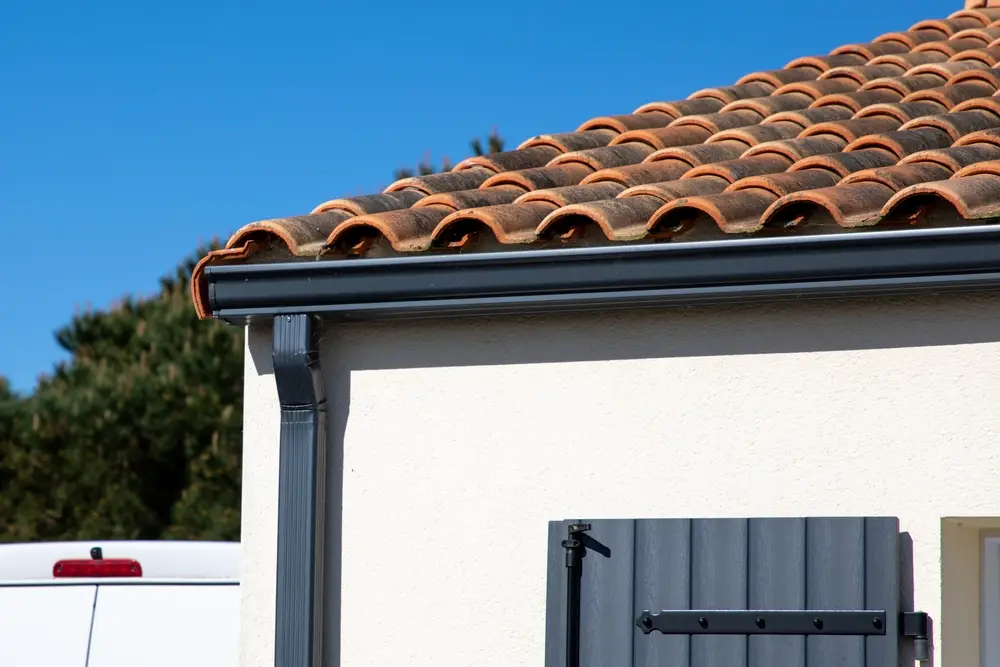
When you look at your home, it’s easy to see the roof and the gutters as two separate things. The roof covers the top, and the gutters just hang around the edge. But in reality, they are two halves of the same system. They work together like a pitcher and a catcher. Your roof pitches the water, and your gutters catch it.
If the catcher misses, the game falls apart.
At Cola City Roofing, we often meet homeowners who think of gutters solely as a way to keep rain off their heads when they walk out the front door. While that is a nice benefit, the real job of a gutter system is much more critical. It is the first line of defense for your roof edge , your siding, and even the interior rooms of your house.
Understanding how this protection works—and what happens when it fails—can change the way you look at home maintenance. It’s not just about cleaning leaves out of a trough; it’s about preserving the structural envelope of your home against its most persistent enemy.
Why Water Is the Biggest Threat to Your Home
Water is relentless. It doesn’t need to be rushing like a river to cause damage; it just needs time. In the Midlands, we get plenty of both—sudden, heavy downpours and long, humid seasons.
When water is controlled, it flows harmlessly away. But when it isn’t, it becomes a destructive force. It rots wood, corrodes metal, erodes soil, and fuels mold growth. The tricky part is that water follows the path of least resistance. It will find the tiniest crack in your caulking, the small gap behind a fascia board, or the nail hole in a shingle.
Once water gets inside your home’s envelope, it stays there. It soaks into insulation, drywall, and framing lumber. Unlike a puddle on the driveway that dries in the sun, trapped moisture inside a wall or roof deck creates a dark, damp environment where rot can spread unseen for years. Your gutter system is the only thing standing between that water and the vulnerable seams of your house.
How Gutter Water Protection Works as a System
Think of your home’s exterior as a series of overlapping shields. The shingles overlap each other to shed water down. The flashing overlaps the shingles to seal the joints. And finally, the roof edge overlaps the gutter.
This system relies on gravity. As long as water is moving down and away, your home is safe. The gutter is the critical "hand-off" point in this system. It takes the water moving vertically off the roof and transitions it into moving horizontally toward a safe drainage point.
If that transition fails—if the gutter is clogged , loose, or missing—gravity takes over in a destructive way. Water backs up against the flow, pushing under shingles. Or it spills over, running down surfaces that aren’t designed to handle a constant waterfall. A functioning gutter system completes the protective circuit, ensuring that the water your roof works so hard to shed doesn’t just turn around and attack the house from a different angle.
Protecting Your Roof From Long-Term Water Damage
It might sound strange that gutters protect the roof itself. After all, the roof is above the gutters. However, the edge of the roof—the eaves and the rafter tails—is the most vulnerable part of the entire roofing structure. This is where the protection of the shingles ends and the underlying wood structure is most exposed.
Preventing Roof Edge Rot and Shingle Damage
When gutters are clogged or pitched incorrectly, they fill up with water that doesn’t drain. During a heavy rain, this water can rise high enough to submerge the edge of the roof decking and the bottom edge of the shingles.
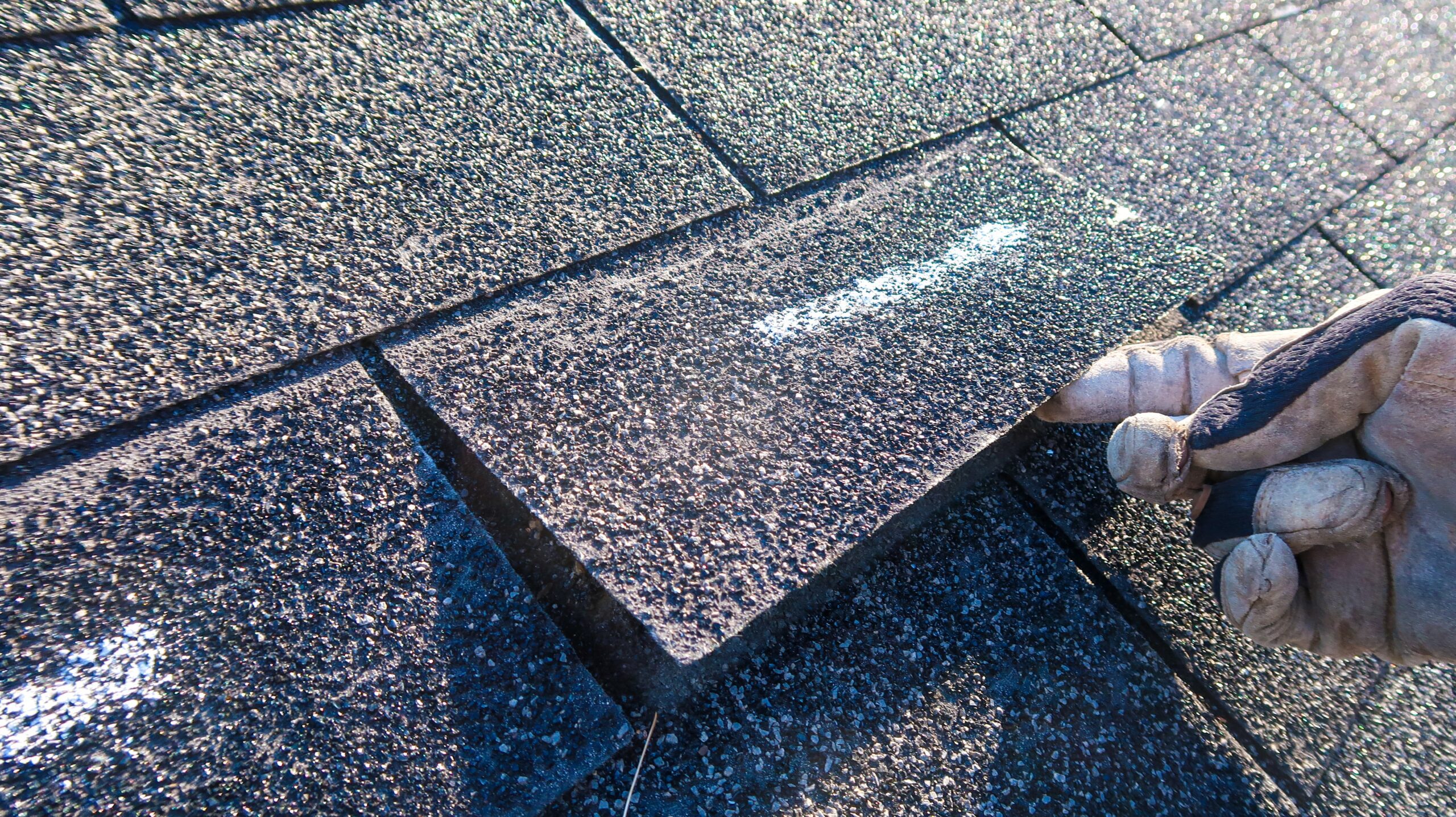
Asphalt shingles are designed to shed water, not soak in it. When they are submerged, they deteriorate. The granules wash away, and the asphalt matting softens. More importantly, the plywood decking underneath acts like a sponge. It wicks that standing water up the roof, underneath the shingles.
We have seen cases where a clogged gutter caused roof rot extending three or four feet up from the edge. This "wicking" effect rots the wood from the bottom up. By the time you notice a leak inside, the structural integrity of your roof overhang may be severely compromised.
Reducing Ice and Moisture Issues at the Roofline
While we don’t get the heavy snows of the north, we do get freezing temperatures in Columbia. When a gutter is full of debris and water, it creates a solid block of ice during a freeze.
This ice block creates a dam. When the sun comes out and melts the frost or light snow on your roof, that runoff hits the ice dam in the gutter and has nowhere to go. It backs up under the shingles, melts again, and drips directly into your attic or soffit.
Even without freezing, the constant presence of damp, rotting leaves in a gutter creates a high-humidity microclimate right at your roofline. This moisture accelerates the aging of your shingles and can cause the fascia board (the wood the gutter is attached to) to soften and rot, eventually causing the gutters to pull loose entirely.
How Gutters Shield Your Siding and Fascia
Your siding—whether it’s vinyl, Hardie plank, or wood—is designed to handle rain falling at an angle. It is like a raincoat. But it is not designed to be blasted by a concentrated waterfall or submerged in standing water.
When gutters overflow, water cascades down the face of the siding. Over time, this constant flow creates unsightly stains and streaks, but the damage goes deeper.
Behind the Siding: Water often finds its way behind the siding panels, especially around windows and doors. Once behind the siding, it wets the house wrap and sheathing. If this happens repeatedly, mold can develop between your exterior wall and your interior drywall.
Fascia and Soffit Rot: The fascia is the board your gutters hang on; the soffit is the underside of your roof overhang. When gutters leak from the back or overflow, water runs directly over these wooden components. Since the fascia is load-bearing (it holds the gutters), rot here is a structural failure. We frequently have to replace rotted fascia boards before we can even install new gutters, adding significant cost to the project.
Splashback: When water isn’t channeled to a downspout, it falls two stories and hits the ground hard. This splashes mud, mulch, and dirty water back up against the bottom two feet of your siding. Over time, this constant wetting rots wood siding and stains brick or vinyl.
Why Interior Water Damage Often Starts Outside
The most frustrating leaks are the ones that don’t look like roof leaks. You might find a damp spot on your living room ceiling near the wall, or peeling paint in the corner of a bedroom. You assume a shingle has blown off.
Often, when we inspect these issues, the roof itself is fine. The culprit is the gutter.
Here is the common path of destruction:
- The Overflow: A gutter fills up and water spills over the back edge, between the gutter and the fascia.
- The Entry: This water runs down the fascia and finds a gap at the top of the window frame or door jamb.
- The Travel: Water travels along the framing inside the wall. It might run ten feet sideways before it finds a spot to drip out.
- The Damage: It soaks the insulation, rendering it useless. It swells the drywall, causing paint to bubble and tape to peel.
By the time you see the stain on the inside, the water has likely been running that path for months. Properly installed gutters stop this chain reaction at step one. By keeping the water contained in the metal channel, they prevent it from ever testing the seals around your windows and walls.
Common Gutter Issues That Put Your Home at Risk
Understanding the connection between gutters and home damage helps you know what to look for. These aren’t just cosmetic annoyances; they are red flags that your home’s shield is down.
Clogging: This is the most obvious one. A gutter full of pine needles is a gutter that can’t hold water. During a storm, it acts like a ramp, launching water over the edge or forcing it back under the roof.
Sagging: Gutters need a straight, consistent path to drain. If a section sags due to loose hangers, water pools there. That pool is heavy—weighing over 8 pounds per gallon—which pulls the gutter down further. This standing water eventually spills over or wicks into the roof edge .
Leaking Seams: If you have traditional sectional gutters, the seams are weak points. A leak at a seam might seem minor—drip, drip, drip. But that constant dripping on a single spot of your siding or foundation can cause rot or erosion surprisingly quickly.
Short Downspouts: A system that dumps water right at the corner of your house is failing. It collects all the roof water and concentrates it on one spot of your foundation, which can lead to settling and cracks that travel up your interior walls.
The Role of Proper Installation in Roof Water Damage Prevention
You can buy the most expensive gutter materials on the market, but if they aren’t installed with the rest of the roofing system in mind, they won’t protect you.
At Cola City Roofing, we see installation errors that inadvertently cause damage. For example, installing the gutter too high on the fascia can trap water against the roof deck. Installing it without the proper "drop" (slope) ensures water will stand stagnant.
Crucially, we often see gutters installed without a drip edge . Drip edge is a piece of metal flashing that slides under the bottom row of shingles and hangs over the back edge of the gutter. It acts like a bridge. It ensures that water coming off the shingles falls into the gutter, not behind it. Without a drip edge, surface tension can cause water to curl back and run down the fascia board, bypassing the gutter entirely.
Proper installation considers the entire ecosystem: the roof pitch, the shingle overhang, the flashing, and the gutter capacity. When these elements fit together correctly, the system is watertight.
How to Tell If Your Gutters Are No Longer Protecting Your Home
You don’t need a ladder to spot many of these warning signs. You just need to look at your house with a critical eye, especially during or right after a rainstorm.
- Tiger Striping: Look for dirty vertical stripes on the face of your gutters. This means water is overflowing and running down the front, carrying dirt with it.
- Peeling Paint on Fascia: If the paint is flaking off the wood board behind your gutter, it’s getting wet.
- Landscape Washout: Trenches or holes in the mulch directly under the roofline indicate that water is pouring over the edge rather than going down the spout.
- Mildew on Siding: Green or black stuff growing on your siding—especially near the roof—is a sign of excessive moisture exposure.
- Damp Smell in the Attic: If your attic smells musty, check the eaves. Wet insulation near the edge of the roof is a classic sign of gutter backup.
Keeping Water Where It Belongs—Away From Your Home
Your home is likely your biggest investment. It protects your family from the elements, but it needs a little help to protect itself. Gutters are that help. They are the unsung heroes that keep the roof dry, the walls clean, and the foundation stable.
It is easy to put off gutter maintenance or ignore a small leak. But when you understand the mechanics of how water damages a home, you realize that a functioning gutter system is one of the cheapest insurance policies you can have.
At Cola City Roofing, we look at the whole picture. When we inspect a roof, we inspect the gutters. When we install a system, we ensure it protects the fascia, the siding, and the foundation. We want your home to stay dry from top to bottom.
If you are worried that your current gutters aren’t doing their job—or if you’ve noticed any of the warning signs mentioned here—give us a call. We’ll give you an honest assessment and practical solutions to keep the water flowing where it should: away from your home.