In South Carolina, fall is arguably the most beautiful time of year. The humidity finally breaks, the air gets crisp, and the trees across the Midlands put on a spectacular show of red, orange, and gold. But for homeowners in Columbia, that beauty comes with a catch. As the leaves drop, they have to go somewhere—and far too often, they end up clogging your gutters.
While it’s tempting to spend your autumn weekends watching football or enjoying the State Fair, ignoring the leaves piling up on your roof is a risky gamble. Fall is the pivotal season for exterior home maintenance. As part of a broader seasonal gutter maintenance strategy, fall preparation is especially critical in the Midlands. It is the bridge between the heavy rains of summer and the freezing temperatures of winter. If your gutter system isn’t ready to handle the transition, you could be setting your home up for water damage that won’t become obvious until it’s too expensive to ignore.
At Cola City Roofing, we treat fall gutter maintenance as one of the most critical services we discuss with our neighbors. We know that a clean, functioning gutter system is the first line of defense against roof rot, foundation issues, and basement leaks. To help you navigate this season, we’ve put together a comprehensive, practical checklist designed specifically for South Carolina homes. Whether you plan to tackle the job yourself or hire a professional, understanding what needs to be done will help keep your home safe and dry all season long.
Why Fall Is the Most Important Season for Gutter Maintenance in SC
You might think spring is the big season for rain, but fall in South Carolina presents a unique set of challenges. We often deal with the tail end of hurricane season, bringing tropical moisture well into October and November. When you combine that heavy rainfall with the sheer volume of organic debris falling from our trees, you create a "perfect storm" for gutter failure.
That’s why dependable gutter services in South Carolina focus heavily on fall preparation before winter moisture sets in.
Fall gutter maintenance in SC isn’t just about tidiness; it’s about capacity. Your gutters are designed to move a specific volume of water. When they are half-full of pine straw and oak leaves, their capacity is cut in half, just when you might need it most.
How Falling Leaves and Autumn Rain Stress Your Gutters
The trees in the Midlands—specifically our massive oaks and ubiquitous pines—don’t drop their leaves all at once. It’s a slow, steady accumulation that can last from October through December. This creates a layering effect in your gutters.
First, the lighter broad leaves fall. Then, the heavy, needle-like pine straw drops, weaving itself into a dense mat. Finally, autumn rains come along and soak this mixture. What you end up with is a heavy, wet sludge that sits in the bottom of your gutter trough.
This sludge does two things. First, it creates a physical dam that blocks water flow, causing overflows. Second, it adds immense weight to the system. A gutter full of wet leaves can weigh hundreds of pounds. This puts incredible strain on the hangers and the fascia board. If this wet debris is allowed to sit there as temperatures drop, it can freeze, turning your gutters into heavy blocks of ice that pull away from the roofline. Addressing this buildup during the fall—not waiting until winter—is the only way to prevent this stress.
A Simple Fall Gutter Checklist That Helps Prevent Winter Damage
Knowing you need to maintain your gutters is one thing; knowing exactly what to look for is another. We believe in keeping things simple and actionable. You don’t need to be a roofing expert to protect your home; you just need a plan.
Here is the checklist we recommend every homeowner in Columbia runs through before the first frost hits.
Remove Leaves and Debris Before They Build Up
The most obvious step is cleaning, but timing and technique matter. Don’t wait until the very last leaf has fallen. By then, the bottom layer of debris has already started to decompose and rot.
The Strategy: Plan for two cleanings: a "light" clean in mid-October to keep the flow moving, and a "deep" clean in late November or early December once the trees are bare.
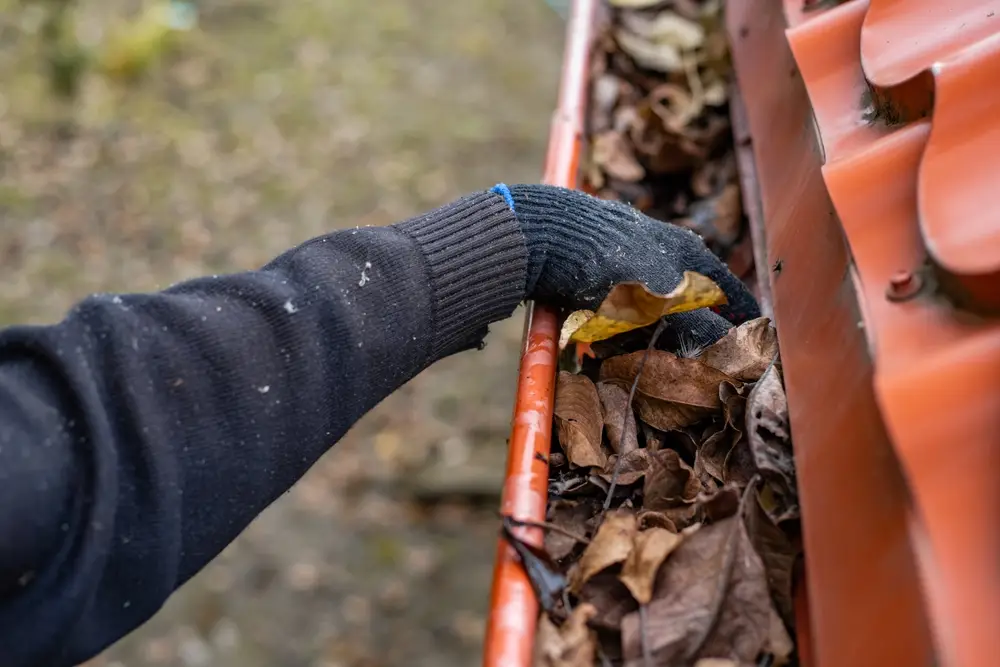
The Process: When you (or a pro) get up there, remove the bulk debris by hand or with a scoop. Don’t just blow it out with a leaf blower if it’s wet; that just packs the mud tighter into the corners. You need to physically remove the muck.
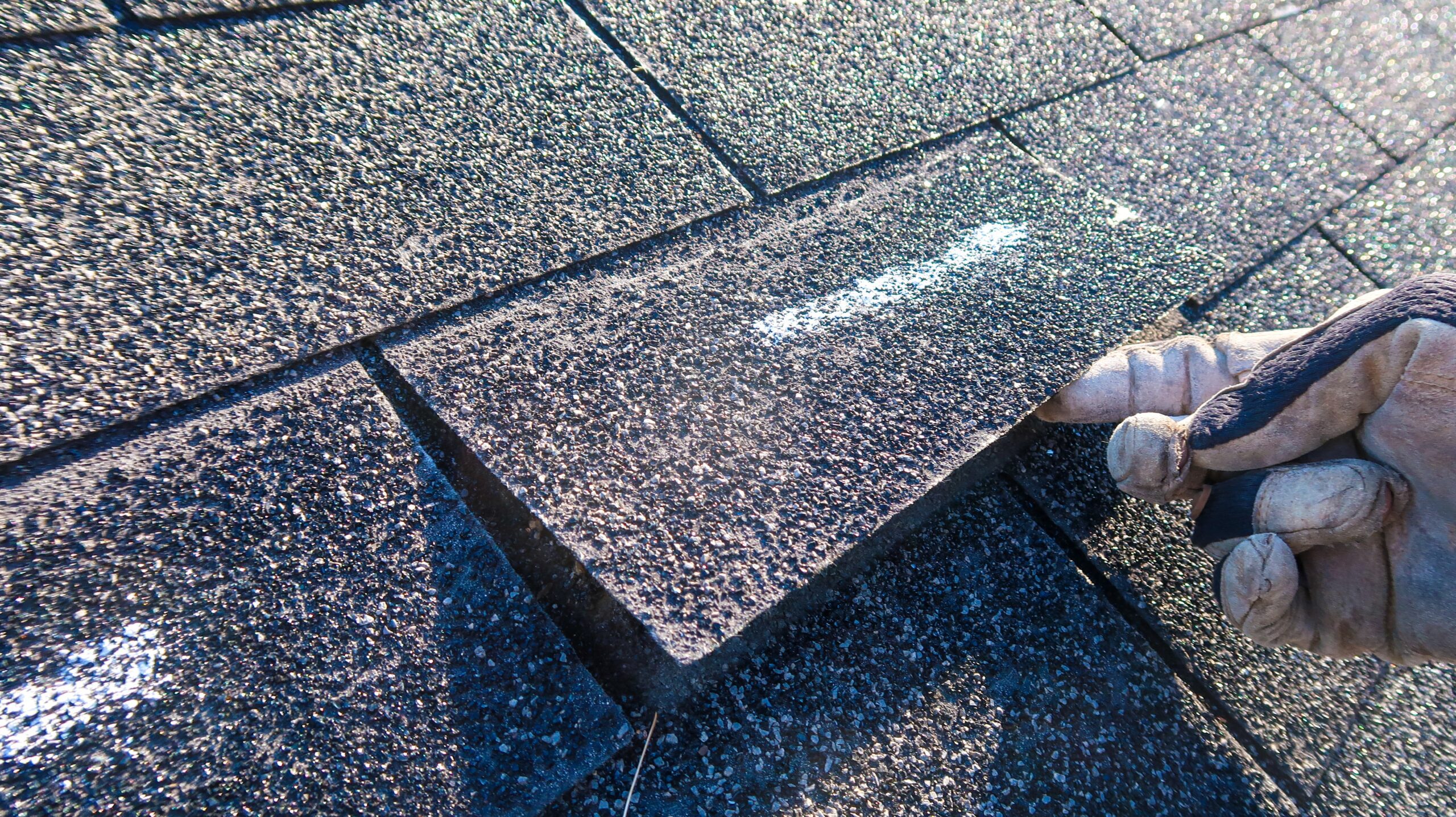
Pay special attention to the corners (miters). This is where debris tends to snag and build up. Also, look out for "shingle grit." As your roof ages, the granules on the shingles wash off. They are heavy and settle in the bottom of the gutter like sand. This grit accelerates corrosion on metal gutters and needs to be flushed out completely.
Safety Note: If you are doing this yourself, ladder safety is paramount. Make sure your ladder is on solid, level ground. If you have a steep roof or a multi-story home, we strongly recommend calling a professional. No amount of money saved is worth a fall.
Check for Sagging, Leaks, or Loose Fasteners
Once the debris is gone, you can actually see the condition of the gutters. Fall is the best time to perform a visual inspection because the damage from summer heat and storms is fresh.
What to Look For:
- Sagging: Look at the gutter line from the ground. Does it dip in the middle? Sagging usually means the spikes or hangers have pulled loose from the fascia board. If water sits in that low spot, it will rust the gutter and rot the wood behind it.
- Loose Fasteners: South Carolina heat causes metal to expand and contract, which can wiggle nails loose over time. If you see nail heads sticking out, they need to be hammered back in or, better yet, replaced with hidden screw hangers that won’t pull out.
- Leaking Seams: If you have older sectional gutters, check the seams where the pieces join. The sealant here often dries out and cracks. If you see stain marks or drips at the seams, they need to be re-sealed.
Catching a loose gutter in November is a cheap, easy fix. Fixing a gutter that has ripped off the house during a January ice storm is a much bigger, more expensive headache.
Make Sure Downspouts Are Clear and Draining Away From the Home
The gutter trough gets all the attention, but the downspout is the engine of the system. If the downspout is clogged, it doesn’t matter how clean the gutters are upstairs; the water has nowhere to go.
The Flush Test: After you scoop out the debris, take a garden hose and run water down each downspout. Watch the flow. It should come out the bottom with force. If the water backs up to the top or trickles out slowly, you have a clog inside the pipe—usually right at the "elbow" or bend.
You may need to use a plumber’s snake or a pressure washer nozzle to break up the clog. Do not ignore a slow drain.
Check the Discharge: Look at where the water comes out. Is it dumping right next to your foundation? In the fall, we want to make sure water is directed at least 4 to 6 feet away from the house. Check that your splash blocks are in place or that your downspout extensions haven’t been kicked loose by the lawnmower during the summer. Keeping this water away from the foundation is critical for preventing crawlspace moisture issues during the wet winter months.
Common Gutter Problems That Show Up in the Fall
As the season progresses, your home will start giving you clues if something is wrong. Being "problem-aware" means noticing these small signs before they turn into emergencies.
Gutters Overflowing During Light Rain
Have you ever noticed water spilling over the side of your gutters during a gentle autumn shower? That is a red flag. A properly functioning gutter system should easily handle light to moderate rain. If it’s overflowing, it means the water isn’t moving.
If you’re seeing frequent overflow, it may be more than just leaves — overflowing gutters can signal deeper drainage or slope issues.
In the fall, this is almost always due to a blockage at the downspout opening. A handful of wet leaves can drift over the hole like a drain plug. When this happens, the entire gutter fills up like a bathtub.
Don’t assume it’s just "too much rain." If you see overflow, grab an umbrella and go outside to investigate. Look to see if the water is spilling over the front (clog) or if it’s pouring behind the gutter (installation issue). This diagnostic step can save your landscaping from erosion and your siding from water stains.
Hidden Damage Covered by Leaves
The danger of a leaf-filled gutter isn’t just the water; it’s what the leaves are hiding. A thick mat of debris creates a micro-environment that is constantly damp and protected from the sun.
This is a perfect home for pests. Roaches, mosquitoes, and even termites love damp, rotting organic matter. If you have leaves piled in your gutters, you are essentially inviting these pests to nest right next to your roofline.
Furthermore, squirrels and birds often use gutter debris as nesting material. We have seen squirrels chew through aluminum and wood fascia to get from a clogged gutter into the warmth of the attic as the weather cools down. Keeping the gutters clean removes the "welcome mat" for these critters.
How Skipping Fall Gutter Maintenance Can Damage Your Roof
At Cola City Roofing, we constantly remind homeowners that the roof and gutters are a team. When one fails, the other suffers. Neglecting your fall gutter maintenance doesn’t just risk your gutters; it puts your entire roof investment at risk.
Water Backing Up Along the Roof Edge
This is a phenomenon known as "wicking," and it is one of the most common causes of roof repair we see in the Columbia area.
Here is how it happens: Your gutters fill with leaves. It rains. The water can’t drain, so the gutter fills to the brim. The water level rises until it touches the edge of the roof deck and the shingles.
Wood acts like a sponge. The plywood decking absorbs the standing water. Over weeks of wet fall weather, this moisture travels upward, under the shingles and the underlayment. You might not see a leak in your living room, but the wood decking is slowly turning to mush. By the time you notice a stain on the ceiling, the rot has often spread several feet up the roof. This entire process is caused simply by water that couldn’t get out of the gutter.
Fascia and Roofline Rot That Gets Worse Over Winter
Your fascia board—the long board that runs along the roof edge—carries the weight of the gutters. It is usually made of wood.
When clogged gutters overflow, water often spills over the back side of the gutter, running directly between the metal and the wood fascia. This trapped water has nowhere to evaporate. It soaks into the fascia board, causing it to rot and soften.
In the fall, as temperatures fluctuate, this wet wood expands and contracts, cracking the paint and opening more pathways for moisture. If you enter winter with wet, rotting fascia boards, the freezing temperatures can cause the wood to split further. Eventually, the wood becomes so soft it can no longer hold the screws, and the gutters literally fall off the house. Preventing fascia damage from water starts with ensuring the water stays in the gutter, not behind it.
When Fall Maintenance Turns Into Repair or Replacement
Sometimes, you climb the ladder to clean the gutters and realize that a simple cleaning isn’t going to cut it. Fall is often the time when gutter systems finally give up the ghost after years of wear and tear.
Signs Routine Cleaning Isn’t Enough Anymore
Watch closely for the warning signs your gutters are clogged or failing before winter makes the damage worse. How do you know if you need a repair or a full replacement? Here are the signs that your system is past the point of maintenance:
- Rust and Corrosion: If you have steel gutters or older aluminum ones with worn-off paint, you might see rust eating through the bottom. If you can poke a screwdriver through the metal, it’s time to replace.
- Persistent Leaks: If you patch a seam and it leaks again a week later, the expansion and contraction have likely warped the metal beyond repair. Seamless gutters are the only permanent solution for this.
- Improper Pitch: If your gutters are clean but water still stands in them, the pitch is wrong. Sometimes we can re-hang them, but if the gutters are bent or warped, they need to be replaced to restore proper flow.
- Detachment: If the gutter is pulling away from the house and the fascia wood behind it is crumbly, you need more than a gutter crew; you need a team that can repair the wood and install a new system properly.
Recognizing these signs in the fall gives you time to schedule a replacement before winter weather makes the installation more difficult.
How Gutter Guards Can Reduce Fall Maintenance in SC
If reading this checklist makes you dread the upcoming weekends, it might be time to consider a solution that reduces the workload: gutter guards.
In South Carolina, gutter guards are a popular topic, but there is a lot of misinformation out there. They are not "magic," but the right ones can be a massive help.
When Gutter Guards Make Sense for Leaf-Heavy Areas
If your home is surrounded by pine trees, you know the struggle. Pine needles are the nemesis of standard gutters. They wash into the system, turn sideways, and weave a basket that catches everything else.
For homes in leaf-heavy areas, we highly recommend high-quality gutter guards. However, you must choose the right type. Cheap plastic screens often collapse under the weight of wet leaves. Solid "helmet" style covers can sometimes cause water to overshoot the gutter in heavy rain.
For our area, we often recommend micro-mesh guards. These are made of stainless steel mesh that is fine enough to keep pine needles out but porous enough to let water through. They sit on top of the gutter, acting as a filter. While no system is 100% maintenance-free (you may still need to brush off the top occasionally), they drastically reduce the need for deep cleaning and prevent the clogs that cause water damage. Investing in gutter guards in the fall is a great way to "future-proof" your weekends.
Fall Gutter Maintenance Now Helps Prevent Winter Water Problems
As we move toward the end of the year, the goal is peace of mind. Winter in Columbia brings its own mix of cold rain and occasional ice. You want to enter that season knowing your home is sealed, secure, and ready.
Fall maintenance is about momentum. By taking care of the leaves, checking the flow, and fixing minor issues now, you are preventing the compound interest of damage. You are ensuring that a small drip doesn’t turn into a rotten eave, and a clogged downspout doesn’t turn into a flooded basement.
How Professional Gutter Service Prepares SC Homes for Cold Weather
We understand that not every homeowner is comfortable climbing a ladder or has the time to dedicate to thorough gutter maintenance. That is where we come in.
At Cola City Roofing, our professional gutter service is designed to take the burden off your shoulders. When we come out for a fall inspection and cleaning, we don’t just scoop leaves. We inspect the integrity of the system. We look for those hidden signs of rot behind the fascia. We check the roof edge for wicking issues. We ensure the downspouts are flowing freely and directing water away from your home.
If we find damage, we can fix it on the spot or provide a clear, honest plan for replacement. We treat your home like our own, ensuring that when the work is done, your family is protected.
Don’t let the fall leaves become a winter nightmare. Whether you grab the ladder yourself or give us a call, make gutter maintenance a priority this season. Your roof—and your wallet—will thank you.