When you make the decision to replace your roof, it’s usually because you have to. Maybe it’s old, maybe a storm rolled through Columbia and did some damage, or maybe you’re just tired of patching leaks. Whatever the reason, it’s a big investment. During the planning process, homeowners often ask us: “Do I really need to replace my gutters too, or can I just keep the old ones?”
It’s a fair question. No one wants to spend money they don’t have to. However, the answer isn’t always what people expect. While it might seem like the roof and the gutters are two separate things, they function as a single unit. Putting a brand-new roof on a house with aging or damaged gutters is a bit like putting new tires on a car with a bent axle. You might get by for a while, but eventually, the underlying issue is going to cause problems for the new investment.
At Cola City Roofing, we don’t believe in upselling you on things you don’t need. But we do believe in telling you the truth about how your home works. Here is a practical look at why replacing your roof and your gutters together is often the smartest move for the long-term health of your home.
Why Roof and Gutter Replacement Go Hand in Hand
To understand why these two projects are connected, you have to look at how your home manages water. It’s not just about keeping rain off your head; it’s about moving that water safely away from your entire structure.
Both Systems Manage Water — Just at Different Stages
Your roof is the first line of defense. Its job is to catch the rain and shed it as quickly as possible. But once that water leaves the edge of the shingles, the roof’s job is done. That’s where the gutters take over. They catch the runoff and channel it away from your fascia, your siding, and most importantly, your foundation.
If your roof is working perfectly but your gutters aren’t, the system fails. The water sheds off the roof exactly as it should, but if the gutters are clogged, bent, or pitched incorrectly, that water backs up. It can rot the wood right at the edge of your new roof, or it can dump water directly onto the ground next to your house. The two systems have to work in sync. If one is brand new and efficient and the other is old and struggling, you create a bottleneck in your home’s water management.
Problems Start When One System Is Updated and the Other Isn’t
Imagine installing a high-performance roof designed to last 30 years. It looks great and seals tight. But right underneath the drip edge hangs a 20-year-old gutter system that is slightly pulled away from the fascia.
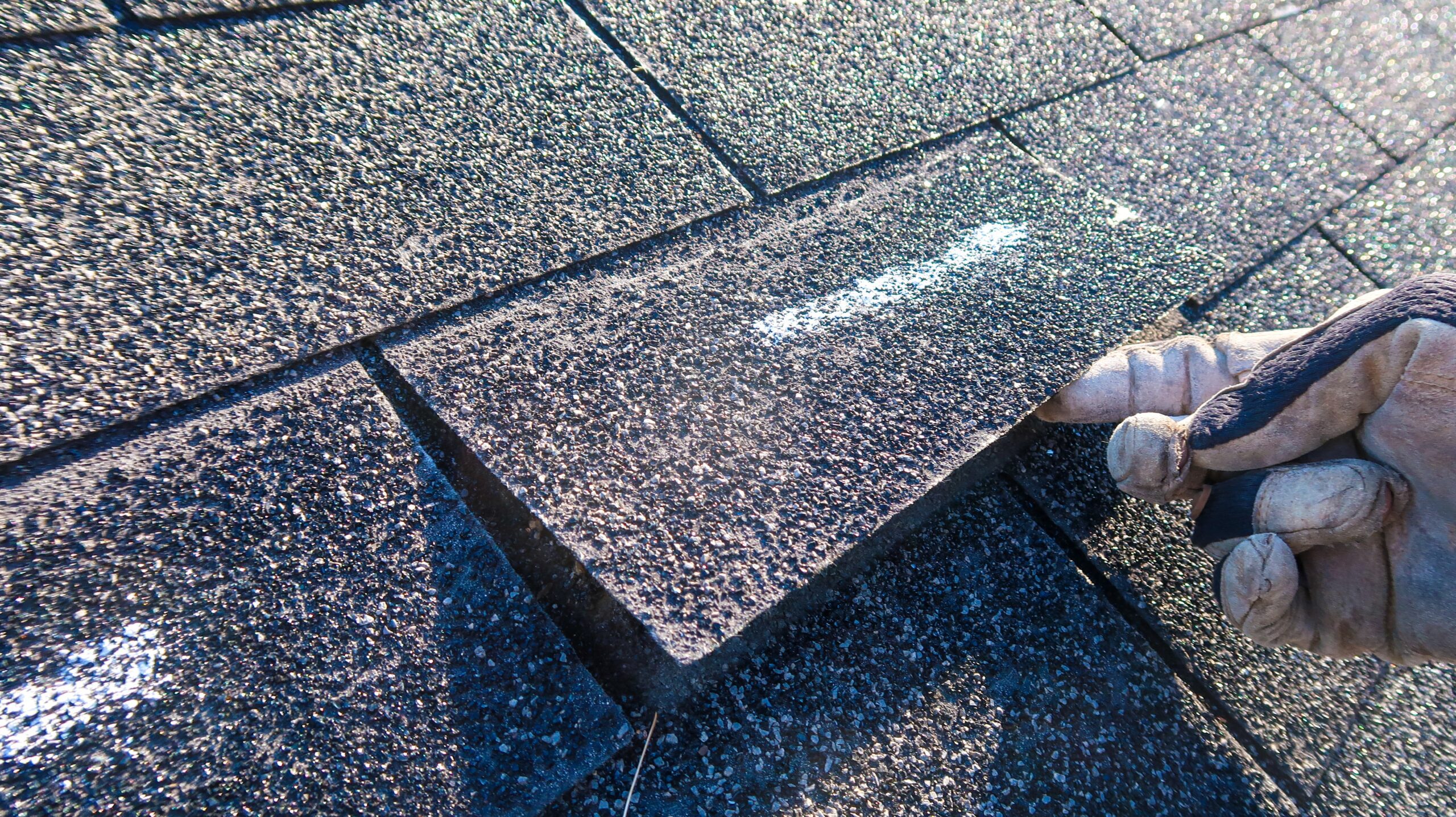
When the next big Midlands thunderstorm hits, your new roof sheds water faster than the old one did (because the granules are fresh and the surface is slick). The old gutters, which were already struggling, now get overwhelmed. Water splashes back up under the new shingles or overflows behind the gutter, soaking the wood you just paid to protect. We often see rot developing on new roofs within just a few years simply because the old gutters couldn’t keep up with the water flow.
What Happens to Gutters During a Roof Replacement
There is also a practical, logistical side to this. Replacing a roof is a major construction project. It involves tearing off thousands of pounds of old shingles, repairing decking, and installing new materials. Your gutters are right in the middle of the action.
Removal, Re-Fastening, and Alignment Challenges
To install a roof correctly, especially the drip edge (the metal flashing that goes along the eaves), we often have to work around or even detach the existing gutters. If we don’t detach them, they are at risk of being banged up by ladders or falling debris during the tear-off process.
If we do detach them to protect them or to replace rotten wood behind them, putting them back up is rarely simple. Old aluminum gutters tend to be brittle. They have settled into a specific shape over years of sun and rain. Trying to re-hang them often leads to bending, twisting, or seams popping open. It’s very difficult to take an old system down and put it back up so that it looks good and functions perfectly.
Why Older Gutters Often Don’t Reinstall Cleanly
Even if the gutters stay in place during the roof work, the new roof might sit differently. New shingles might overhang slightly more or less than the old ones. The new drip edge might be wider.
If the old gutters were installed with spikes and ferrules (the old nail-and-tube method), those spikes often work themselves loose over time. Hammering them back in usually doesn’t hold, and trying to pull them out to use screws can damage the gutter lip. Often, by the time we finish a roof, the old gutters look even more tired next to the crisp, clean lines of the new shingles. It’s not just cosmetic; the physical stress of the roofing job can sometimes be the final straw for an aging gutter system.
How Old Gutters Can Undermine a Brand-New Roof
The biggest risk of keeping old gutters isn’t just that they look bad—it’s that they can actively damage your new roof. This is the part that worries us the most as contractors who want your warranty to stand up.
Overflow and Backflow That Reach Roof Edges
When gutters clog or don’t drain fast enough, they fill up with water. In a heavy downpour, that water has to go somewhere. If the front of the gutter is lower than the back (which is how it should be), it overflows onto the ground. That’s bad for your foundation, but it doesn’t hurt the roof.
However, older gutters often lose their pitch or get bent so the back edge is lower. When they fill up, water spills over the back side, right against the fascia board. Worse, if the water level rises high enough, it can wick up under the drip edge and soak the bottom edge of your roof decking. This is called capillary action. Over time, this constant moisture rots the plywood decking and the fascia board, compromising the secure hold of your new roof’s bottom row of shingles.
Water Sitting Where It Shouldn’t After Installation
Old gutters often have low spots where water pools because the hangers have sagged. Standing water is a breeding ground for mosquitoes, but it also adds weight. That weight pulls the gutter further away from the house.
If there is a gap between the gutter and the roof edge, water drips between them, running down the siding or fascia. We have seen brand new roof installations where the homeowner kept the old gutters, and six months later, they had water stains on their soffits because the old gutters weren’t catching the runoff correctly. The roof was doing its job, but the "catch" system was missing the ball.
Alignment Issues Between New Rooflines and Existing Gutters
Roofing technology and installation standards change over time. The way we install a roof today in Columbia is better than how it was done 20 years ago. This means the physical dimensions at the edge of your roof might change slightly.
Changes in Roof Thickness and Drip Edge Placement
A modern architectural shingle roof is thicker and heavier than an old 3-tab shingle roof. We also use better underlayment and more robust drip edge flashing today. This buildup can raise the profile of the roof edge slightly.
If your old gutters were tucked tight up under the old drip edge, they might not fit under the new one without being lowered. Lowering them might mess up the slope needed for drainage. Suddenly, you have a geometry problem. The gutters are either too high and interfere with the new shingles, or they have to be mounted too low, allowing water to overshoot them in a heavy rain.
Why Gutters Installed Years Ago May No Longer Fit Correctly
Houses settle over time. Wood dries out and shrinks. The lines of your eaves might not be perfectly straight anymore. When we install a new gutter system, we custom-cut it to match the home as it sits today .
Old gutters were cut to match the home as it was 15 or 20 years ago. If we try to re-secure them, we might find that the corners don’t square up perfectly or the run is slightly too short or long because of how the fascia was repaired or replaced. Forcing old gutters to fit a renovated roof edge is a recipe for leaks at the corners and seams—exactly the kind of nuisance leaks you’re trying to avoid.
Why Reusing Old Gutters Can Create Drainage Problems
Drainage is a matter of physics. Water runs downhill. If the "hill" isn’t steep enough, the water stops.
Slope and Pitch That No Longer Work With the New Roof
For gutters to work, they need a subtle slope—usually about a quarter-inch for every 10 feet of length. Over time, old gutters sag. Spikes pull out, or hangers loosen.
When we install a new roof, we verify that the deck is solid. But if we leave the old gutters up, we are leaving a drainage system that has likely lost its proper pitch. You end up with a high-performance roof that sheds water instantly, dumping into a sluggish, sagging gutter that holds water like a trough. This creates overflow during storms, which defeats the purpose of managing the water in the first place.
Downspout Placement That No Longer Matches Runoff Patterns
Sometimes, during a roof replacement, we might change how the water flows. For example, if we add a cricket (a small diverter structure) behind a chimney or change how a valley drains, we might concentrate more water in a specific area.
An old gutter system has downspouts placed for the old water patterns. If the new roof design sends more water to a corner that only has a small downspout, that corner will overflow every time it rains hard. A new gutter installation allows us to resize downspouts (moving from 2×3 to 3×4 inches, for example) and place them exactly where the new roof needs them to handle the volume.
Cost and Timing Benefits of Replacing Gutters With the Roof
Let’s talk about the budget. It’s natural to want to save money by doing projects one at a time. But in the construction world, doing things together is almost always cheaper than doing them separately.
One Project Instead of Two Disruptions
When we replace your roof, we already have the dumpsters on site. We have the crews, the ladders, and the safety gear set up. We are already disturbing the perimeter of your house.
Adding gutters to that ticket is efficient. We can tear down the old gutters and toss them in the same dumpster as the old shingles. The gutter crew can come in as soon as the roofers are finished with the eaves. You deal with the noise and the trucks once, and then you’re done. If you wait a year and decide to do gutters then, you have to schedule a whole new project, pay for a new setup, and deal with the disruption all over again.
Avoiding Future Labor and Repair Costs
There is also a hidden cost to waiting. If you keep the old gutters and they end up leaking or causing rot on the new fascia, you have to pay to fix that damage.
Furthermore, installing gutters later is often more expensive because the crew has to be extra careful not to damage the new roof. When we do them together, we can coordinate the installation of the drip edge and the gutters perfectly, ensuring a tight seal without having to pry up new shingles later to slip flashing in. You save on labor overlap and avoid the "repair costs" of a failing old system.
When Gutters Might Not Need Immediate Replacement
We want to be fair. Not every roof replacement requires new gutters. Sometimes, you might have replaced your gutters just a few years ago, but the roof is much older.
Situations Where Gutters Are Still Structurally Sound
If your gutters are less than 5–10 years old, are seamless aluminum, and are still securely attached with hidden hangers (not spikes), you might be able to keep them. They need to be in good shape—no dents, no peeling paint, and no leaks at the corners.
In this case, we need to inspect them carefully. We’ll check the pitch to make sure they are still draining well. We’ll look at the hangers to ensure they are tight. If they pass the test, we will do our best to work around them carefully.
Why a Professional Evaluation Matters First
This is where relying on a trusted local contractor matters. You need an honest assessment. We will look at your gutters and tell you, "These are fine, we can protect them," or "These are on their last legs, and putting them back up is a waste of your money."
We aren’t interested in selling you seamless gutters if you have a perfectly good set already installed. But we also don’t want to install a beautiful new roof and have you call us in six months complaining about water in your basement because the old gutters failed. An honest evaluation prevents surprises.
How Roof Type and Pitch Affect Gutter Performance
The type of roof you choose influences the gutter system you need. It’s not one-size-fits-all.
Steeper Roofs Mean Faster Water Flow
Many homeowners in Columbia are upgrading the look of their homes with steeper, more architectural rooflines. A steeper roof sheds water much faster than a flat one. The water hits the gutters with more velocity.
If you have old, standard 5-inch gutters, that fast-moving water might shoot right over the edge during a heavy storm. When we install a new roof, especially if the pitch is steep, we often recommend upgrading to 6-inch gutters. They are wider and deeper, designed to catch that high-velocity runoff without overflowing. Keeping small, old gutters on a steep new roof is a common cause of "overshoot" issues.
Different Roof Materials Shed Water Differently
If you are switching from asphalt shingles to a metal roof, the game changes completely. Metal roofs are slick. Water slides off them instantly, often carrying snow or ice with it in the winter.
Old gutters that were fine for shingles will likely get ripped off by the sliding snow from a metal roof unless they are reinforced. Metal roofs almost always require high-mounted, heavy-duty gutters, often 6-inch, to handle the speed of the drainage. If you don’t upgrade the gutters to match the new roof material, you will likely see failures during the first bad weather season.
Why Installers Recommend Coordinated Roof and Gutter Work
You might think contractors just want the extra work. But the reality is that we want the project to go smoothly and the result to be perfect.
Better Fit, Better Drainage, Fewer Problems Later
When we control both the roof edge and the gutter installation, we can guarantee the fit. We know the drip edge is overlapping the gutter correctly. We know the fascia is solid because we checked it before hanging the new metal. We know the downspouts are handling the volume from the valleys.
It’s about accountability. If we do both, you have one company to call if there is a water issue. There’s no finger-pointing between the "roofer" and the "gutter guy." We own the entire water management system at the eaves, and that allows us to deliver a much higher quality final product.
What to Ask Before Deciding on Roof and Gutter Replacement
If you are getting quotes for a new roof, bring up the gutter conversation early. Don’t wait until the shingles are being torn off.
Questions That Reveal Long-Term Value, Not Just Price
Ask your estimator:
- "What condition are my current gutters in? Be honest."
- "Will keeping these gutters void any part of my new roof warranty?" (Sometimes, improper drainage can impact warranties).
- "If we replace them now, is there a package discount for doing it with the roof?"
- "Do I need to upgrade to 6-inch gutters with this new roof style?"
- "How will you protect my old gutters if I decide to keep them?"
The answers will tell you a lot about whether the contractor is looking out for your long-term interests or just trying to get the job done quickly.
Protecting Your Roof Investment With the Right Gutter System
Your home is a system. The roof, the gutters, the downspouts, and the drains all work together to keep you dry and your foundation stable. Breaking that chain by pairing a new roof with failing gutters is a risk that rarely pays off.
Water Control Is What Makes a New Roof Last
A new roof is designed to keep water out of your house. But without good gutters, that water just becomes a problem somewhere else. By replacing them together, you are resetting the clock on your home’s entire exterior protection system. You get a clean look, perfect function, and the peace of mind that comes from knowing every drop of rain is being handled correctly.
At Cola City Roofing, we help homeowners navigate these choices every day. Whether you need a simple roof repair or a full exterior overhaul, we’re here to give you the straight talk on what your home needs to weather the storms ahead. If you’re planning a roof replacement, let’s look at the whole picture and make sure your investment is secure from the top down.