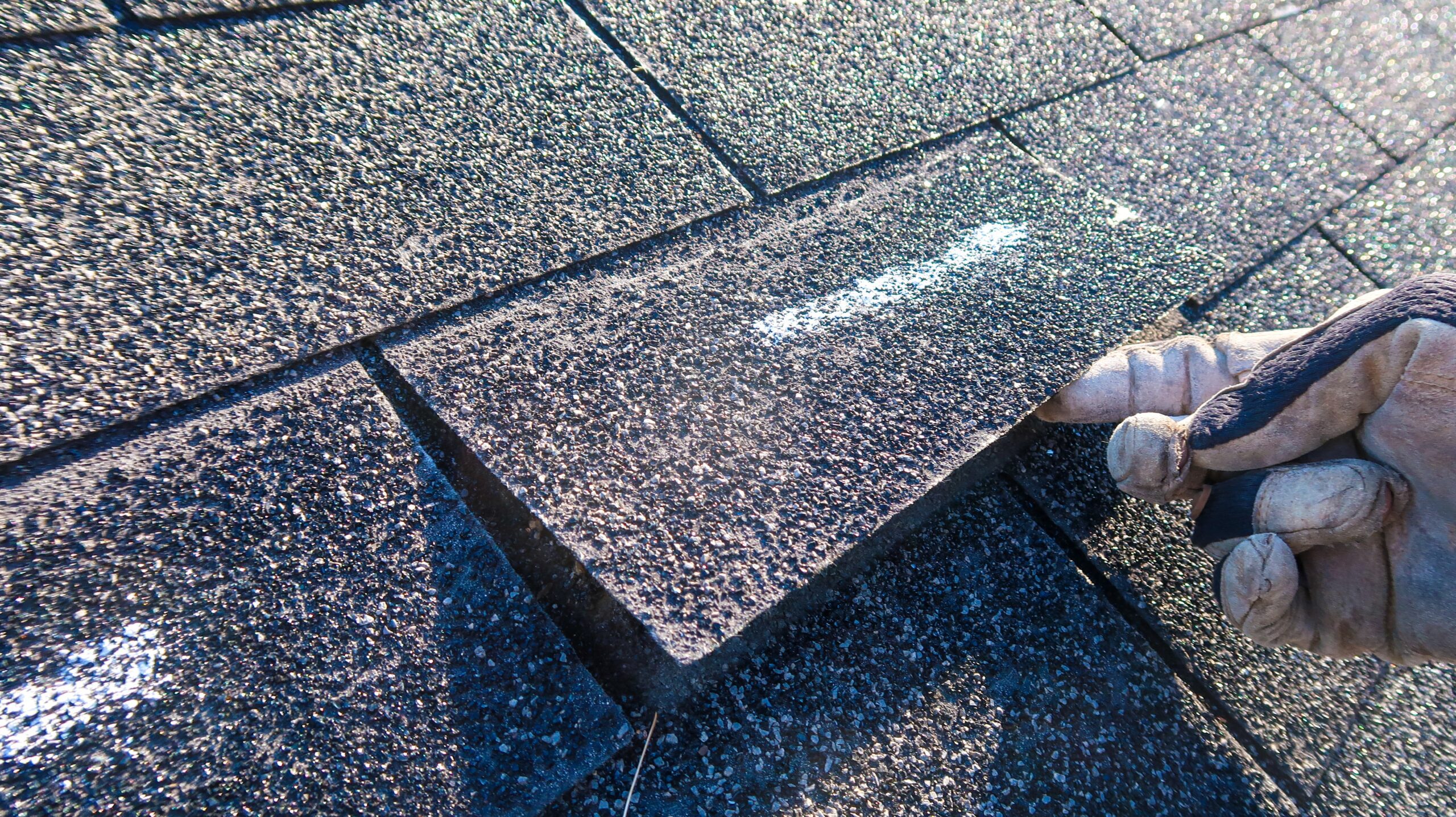

When most homeowners think about a "roof inspection," they envision a professional climbing up a ladder to check the condition of the shingles, look for missing granules, or examine the flashing around the chimney. While these are undeniably critical components of a healthy roof, they only tell half the story. A roof is not just a layer of asphalt or metal sitting on top of your house; it is a complex, integrated water management system. And one of the most vital parts of that system is often the most overlooked: the gutters.
The reality is that a roof inspection that ignores the gutters is incomplete. It’s like going to the doctor for a checkup and having them check your heart but ignore your circulation. The two are intrinsically linked. If your gutters are failing, your roof is at risk, and if your roof is deteriorating, your gutters will likely be the first place to show evidence of it.
In this comprehensive guide, we will explore why roof inspection protocols must always include a thorough assessment of the gutter system. We will delve into how gutter health directly impacts roof longevity, the specific signs inspectors look for, and why ignoring this crucial component can lead to expensive repairs down the road. Whether you are a new homeowner or have lived in your house for decades, understanding this connection is key to protecting your investment.
The Integral Relationship Between Your Roof and Gutters
To understand why inspections must cover both areas, we first need to look at how they function together. Your roof has one primary job: to shed water. When it rains, the slope of your roof uses gravity to guide water down toward the eaves. However, once the water reaches the edge, the roof’s job is technically done. This is where the gutters take over.
Gutters are the "catch and release" mechanism of your home. They collect the runoff and channel it into downspouts, which then direct the water safely away from the foundation. When this system works smoothly, your home stays dry. But when there is a disconnect—when the roof sheds water that the gutters cannot handle—the entire system fails.
Why "The System" Matters
In the world of Columbia SC roofing , we often see roofs that look perfectly fine from the street but are suffering from significant water damage at the eaves. This is usually because the gutters were treated as a separate entity rather than an extension of the roof itself.
If a roof inspection report comes back "clean" but fails to note that the gutters are clogged or pitched incorrectly, the homeowner is left with a false sense of security. The next heavy storm could result in water backing up under the shingles, leading to rot that was entirely preventable. This is why we advocate for a holistic approach. You cannot effectively prevent roof damage without ensuring the drainage path is clear.
How Gutter Issues Lead Directly to Roof Damage
It is a common misconception that gutters only protect the foundation and the basement. While they certainly do that, their condition has a direct, physical impact on the roof structure itself. Here is a detailed look at how neglecting gutters during an inspection can lead to severe roof problems.
1. The Danger of Water Backflow and Wood Rot
This is the most common issue we encounter. When gutters are clogged with leaves, twigs, and debris, water cannot flow to the downspouts. During a heavy rainstorm, that water fills the gutter trough to the brim. Since it has nowhere to go, it eventually overflows.
While some of it spills over the front, a significant amount often spills over the back side of the gutter. This water washes against the fascia board—the long wooden board that the gutters are mounted to. Over time, this constant exposure to moisture causes the fascia to rot.
But the damage doesn’t stop there. As the water level rises in a clogged gutter, it can actually wick upward, effectively flowing "uphill" through capillary action. This moisture gets underneath the edge of your roof shingles and reaches the roof decking (the plywood base of your roof) and the soffit (the underside of the eaves).
A comprehensive inspection will look for "soft spots" along the eaves, which are a tell-tale sign that gutter backflow is rotting the roof deck from the bottom up.
2. The Weight of Wet Debris
Wet leaves and standing water are incredibly heavy. A gutter full of wet sludge can weigh hundreds of pounds. Most residential gutters are held in place by spikes or hangers spaced every few feet. They are designed to hold flowing water, not heavy, stagnant muck.
Under this excess weight, the gutters can begin to pull away from the house. As they sag, they create a gap between the roof edge and the gutter. This gap exposes the raw wood of the fascia and the rafter tails to the elements.
Furthermore, if the gutters pull the fascia board loose, it can physically damage the lower rows of shingles or the drip edge flashing. An inspector needs to check the security of the gutter spikes to ensure the structural integrity of the roof edge hasn’t been compromised.
3. Ice Dams: A Winter Nightmare
While South Carolina doesn’t see the heavy snows of the north, we do get freezing temperatures and occasional ice events. Gutters play a massive role in the formation of ice dams.
An ice dam occurs when heat escapes from your home into the attic, warming the roof and melting snow or ice. This meltwater runs down to the eaves, which are colder because they overhang the house. If the gutters are clogged, the water freezes there, forming a dam.
As more water melts, it backs up behind the dam and pools. Since shingles are designed to shed water running down , they are not waterproof against standing water. This pooled water seeps under the shingles and leaks directly into your attic, ruining insulation and ceilings. A proper roof inspection in the fall is critical to ensure gutters are clear before freezing temperatures arrive.
What a Professional Inspector Looks For in Gutters
When you hire a professional for a roof inspection, what exactly should they be looking for regarding your gutters? It goes far beyond just checking for leaves. A true expert evaluates the mechanics and geometry of the system.
Checking the Pitch and Angle
Gutters are not hung perfectly level; if they were, water would never drain. They need a slight slope (pitch) toward the downspouts—typically about a quarter-inch for every 10 feet of run.
If the pitch is too shallow, water sits stagnant, breeding mosquitoes and causing rust. If the pitch is too steep, the water rushes too fast and can overshoot the downspout during heavy rains. An inspector will check these angles to ensure gravity is working in your favor.
Examining the Condition of the Material
Inspectors look for signs of physical deterioration.
- Rust and Corrosion: On steel gutters, rust spots are the beginning of the end. Once rust eats through, you have a leak that can erode soil below.
- Cracks and Splits: Vinyl gutters can crack in extreme cold or due to UV exposure.
- Seam Failure: On sectional gutters, the seams are the weak points. Inspectors check the sealant at every connection point to ensure it hasn’t dried out or cracked.
If significant wear is found, the inspector might recommend gutter repair services to seal leaks or re-secure loose hangers.
Assessing Downspout Functionality
The downspout is the exit strategy for the water. Inspectors check to ensure downspouts are securely attached and aren’t clogged. They also look at where the water is being deposited. A downspout that dumps water right at the base of the foundation is useless. Inspectors look for splash blocks or extensions that carry water at least 3-5 feet away from the home.
Granule Loss Detection
This is a specific "trick of the trade." Inspectors often look inside the gutters not just to check for leaves, but to check for roof granules. Asphalt shingles shed their protective granules as they age. If an inspector finds a thick layer of these granules in the bottom of your gutter, it is a strong indicator that your roof is nearing the end of its lifespan, even if the shingles look okay from the ground. The gutters act as a history book for the roof’s condition.
The Hidden Costs of Ignoring Gutters During Inspections
Skipping the gutter portion of a roof inspection might save a few minutes of time, but it can cost a homeowner thousands of dollars in the long run. The damage caused by failing gutters is often insidious—it happens slowly inside walls and underground until it becomes a catastrophic failure.
Foundation Issues
It is impossible to discuss gutters without mentioning the foundation. While not part of the roof, the foundation is the footing upon which the roof stands. When gutters fail, water pours straight down, saturating the soil around the foundation.
In clay-heavy soils (common in many parts of SC), this water causes the ground to swell. When it dries, the ground shrinks. This constant movement cracks foundation walls. Repairing a foundation is exponentially more expensive than maintaining gutters. By ensuring your roof inspection includes a drainage check, you are protecting the structural stability of the entire house.
Siding and Paint Damage
Have you ever seen a house with green algae growing on the siding, or paint peeling in sheets? This is often due to "splashback" from a roof without functional gutters. When water hits the ground from a roof height, it splashes mud and water back up against the house. This constant wetting cycle rots wood siding and ruins exterior finishes. A roof inspector will spot these signs on the exterior walls and trace them back to the gutter issues above.
Landscape Erosion
For many homeowners, landscaping is a point of pride and a significant investment. A waterfall from a clogged gutter can destroy flower beds, wash away mulch, and expose tree roots in a single storm. If you notice deep trenches forming in the dirt under your roofline, your drainage system is failing.
The "Columbia SC Roofing" Context
Why is this particularly important for our local area? Columbia SC roofing faces specific climate challenges that make gutter health non-negotiable.
We experience intense, sudden thunderstorms, particularly in the summer. These storms can drop inches of rain in a very short period. This "flash" volume of water tests the capacity of your gutter system. A gutter that is slightly clogged might handle a drizzle fine, but it will instantly overflow during a South Carolina summer storm.
Furthermore, the abundance of pine trees in our area poses a unique threat. Pine needles are the nemesis of gutters. They mat down, creating a dense, impermeable layer that is difficult to flush out. They also are highly acidic, which can accelerate corrosion in certain metal gutters. Local inspectors know to look specifically for pine needle accumulation and the specific damage it causes.
DIY Inspections vs. Professional Assessments
Many homeowners are handy and capable of climbing a ladder to clean their gutters. However, there is a distinct difference between cleaning gutters and inspecting them.
DIY Limitations:
- Safety: Ladder accidents are a leading cause of home injury.
- Subtlety: A homeowner might see a leaf clog but miss the fact that the fascia board behind the gutter is soft and rotting.
- Scope: A homeowner might fix a leak with store-bought sealant but fail to realize the gutter is pitched incorrectly, meaning the leak will just return.
Professional Advantages:
- Holistic View: Professionals see the roof and gutters as one system. They can spot how a roof valley is directing too much water to a specific section of gutter, necessitating a splash guard.
- Proper Tools: Inspectors have the tools to check moisture levels in wood and ensure fasteners are secure.
- Expert Recommendations: A pro can tell you honestly if a repair is sufficient or if the system is beyond saving.
If you are unsure about the state of your system, relying on professional gutter repair services is the safest bet to ensure nothing is missed.
Repair vs. Replacement: What the Inspection Reveals
One of the most valuable outcomes of a comprehensive inspection is determining whether you need repairs or a full replacement.
Repairable Scenarios:
- Loose hangers or spikes.
- Minor leaks at seams (on sectional gutters).
- Small areas of pitch adjustment.
- Downspout re-attachment.
Replacement Scenarios:
- Extensive Rust: Once metal is rusted through, it cannot be patched effectively.
- Severe Sagging: If the gutter is bent or warped, it will never hold water correctly again.
- Wrong Size: Sometimes, an inspection reveals that the gutters are simply too small (e.g., 5-inch) for the size of the roof. Upgrading to 6-inch gutters can handle significantly more water volume.
- Seamless Needs: If you have old sectional gutters that leak at every joint, upgrading to seamless gutters is often the most cost-effective long-term solution.
If your inspection points toward replacement, modern gutter installation services can provide seamless aluminum or copper options that are custom-fitted to your home, eliminating the weak points of older systems.
Preventive Measures: The Role of Maintenance
The best inspection report is a boring one—one that says everything is working fine. To achieve this, regular gutter maintenance is essential.
Frequency of Cleaning
In our region, twice a year is the minimum recommendation: once in the spring (to clear pollen, seeds, and blossoms) and once in late fall (after the leaves have dropped). If you have pine trees near your home, you may need to clean them quarterly.
The Gutter Guard Debate
During an inspection, ask your roofer about gutter guards. These are screens or covers that allow water to enter while keeping debris out. While they are not a "set it and forget it" solution (they still need occasional brushing off), they can significantly reduce the risk of clogs between cleanings. They are particularly useful in preventing the dense matting of pine needles that leads to so much water damage.
Conclusion: Don’t settle for a Partial Inspection
Your home is likely your biggest investment. Protecting it requires vigilance and a complete understanding of how its systems work together. The roof and the gutters are partners in protection; one cannot succeed without the other.
When you schedule your next roof check-up, insist that it includes a detailed assessment of the gutter system. By doing so, you aren’t just checking a box; you are actively working to prevent roof damage , safeguard your foundation, and extend the life of your home’s exterior.
Don’t wait for water stains to appear on your ceiling or for your basement to flood. Be proactive. If you need a comprehensive assessment that covers every inch of your roofing system, from the ridge vent to the downspout, we are here to help. Visit our contact page today to schedule an inspection with a team that understands the full picture of home protection.