Your home’s gutter system is one of its most critical lines of defense against the elements. While you might only think about them during a heavy downpour, their role becomes even more vital during the winter months. In Columbia, South Carolina, where winter can bring a mix of rain, freezing temperatures, and occasional snow or ice, a poorly maintained gutter system can lead to significant and costly ice and water damage. Understanding how your gutters work to protect your home and what happens when they fail is the first step toward safeguarding your most valuable asset.
Properly functioning gutters collect rainwater and melted snow from your roof and channel it safely away from your home’s foundation, siding, and landscaping. When winter arrives, this function is put to the test. If gutters are clogged with leaves, twigs, and other debris, they can’t drain effectively. Water backs up, and when temperatures drop below freezing, that trapped water turns to ice. This is where the real trouble begins, leading to ice dams, roof leaks, foundation damage, and a host of other problems that can compromise your home’s structural integrity.
At Cola City Roofing, we’ve seen firsthand the destructive power of ice and water damage caused by neglected gutters. We believe that prevention is always the best strategy. This comprehensive guide will explore the risks associated with winter weather, the crucial role of proper gutters in preventing damage, and the steps you can take to ensure your home is protected year-round. From routine maintenance to professional gutter installation services , we’ll cover everything you need to know to keep your home safe and dry, no matter what winter throws your way.
The Science of Ice Dams: How Winter Clogs Become Catastrophes
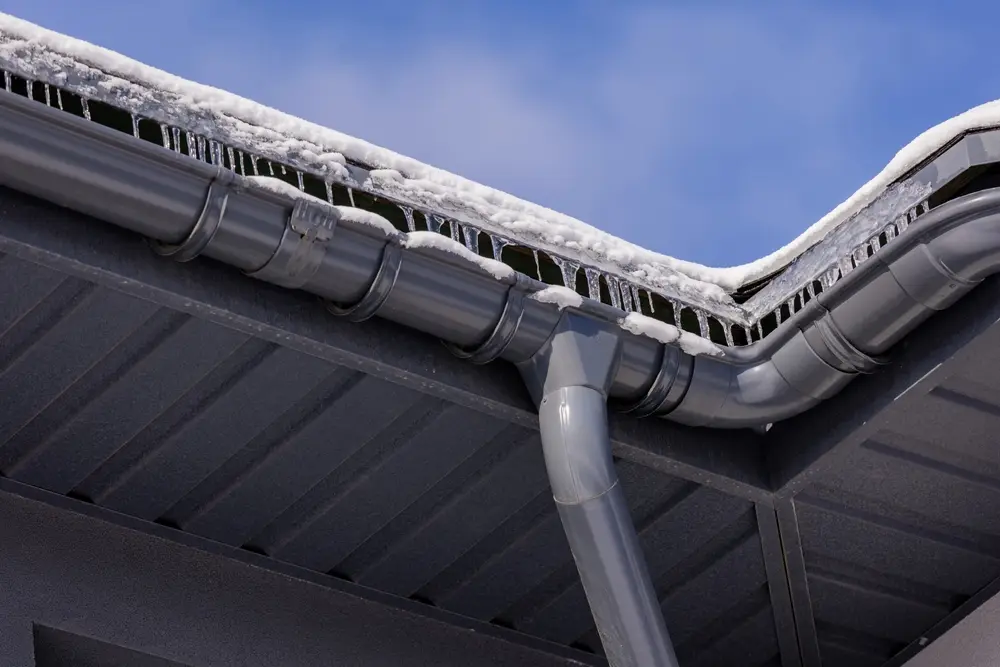
To appreciate the importance of your gutters, you first need to understand one of winter’s most destructive phenomena: the ice dam. An ice dam is a ridge of ice that forms at the edge of a roof, preventing melting snow and water from draining off. This trapped water can then back up under your shingles, leading to leaks and significant damage to your roof, attic, insulation, and interior walls.
How Do Ice Dams Form?
Ice dams are the result of a specific temperature imbalance on your roof’s surface. This typically happens after a snowfall, when the temperature in your attic is above freezing, while the outside air temperature is below freezing. Here’s the step-by-step process:
- Heat Loss from the Home: Warm air from your living spaces rises into the attic. If the attic is poorly insulated or ventilated, this heat warms the underside of the roof deck.
- Snow Melts on the Upper Roof: The snow on the upper, warmer sections of your roof begins to melt. The resulting water flows down the roofline, underneath the blanket of snow.
- Water Reaches the Cold Eaves: As the water reaches the colder eaves and gutters (the edges of the roof that extend beyond the house walls), it refreezes. The eaves don’t have the warm attic underneath them, so they remain at the outside ambient temperature.
- A Ridge of Ice Forms: This refrozen water gradually builds up, creating a literal "dam" of ice along the edge of the roof and inside the gutters.
- Water Pools Behind the Dam: Subsequent melting snow from the upper roof runs down and gets trapped behind this ice dam. With nowhere to go, a pool of water forms.
- Water Infiltration: This standing water is the real danger. It can work its way under your roof shingles, through the roof deck, and into your attic. From there, it can soak insulation, rot the wooden structure of your roof, and leak down into your ceilings and walls, causing stains, mold growth, and peeling paint.
Clogged gutters are a primary contributor to the formation of ice dams. When gutters are full of frozen leaves and debris, they provide the perfect foundation for ice to build up quickly. The water has no clear path to the downspouts, accelerating the entire damming process.
The Ripple Effect of Water Damage
The problems caused by ice dams and overflowing gutters don’t stop at a few ceiling stains. The damage can be extensive and expensive to repair.
- Roof and Structural Damage: Constant exposure to trapped moisture can cause the roof decking and rafters to rot and weaken. This compromises the structural integrity of your roof, potentially leading to sagging or even collapse in extreme cases. The weight of the ice itself can also pull gutters away from the fascia boards, damaging the roof edge.
- Damaged Insulation: Wet insulation is ineffective. When the insulation in your attic becomes saturated, it loses its R-value, making your home less energy-efficient and increasing your heating bills. Chronically damp insulation is also a breeding ground for mold and mildew.
- Interior Damage: Water that leaks into your home can destroy drywall, cause paint to peel and bubble, and damage ceilings and walls. It can also ruin personal belongings stored in the attic.
- Mold and Mildew Growth: Where there’s moisture, there’s a risk of mold. Mold can grow unseen behind walls and in your attic, posing serious health risks to you and your family, especially those with allergies or respiratory conditions.
- Foundation Issues: When clogged gutters overflow, water pours down directly next to your home’s foundation. During winter, this can lead to a cycle of freezing and thawing in the soil, which exerts pressure on your foundation walls. Over time, this can cause cracks, shifting, and major structural problems.
Preventing ice dams and water damage starts with a functional, free-flowing gutter system. Without it, you are leaving your home vulnerable to a chain reaction of destruction that is far more costly to fix than a simple gutter repair or cleaning .
The First Line of Defense: Proper Gutter Installation and Sizing
A gutter system is more than just a trough along your roofline; it’s an engineered system designed to handle a specific volume of water based on your roof’s size and pitch. If your gutters are improperly installed, undersized, or made from inferior materials, they won’t be able to protect your home effectively, especially during the challenging winter months.
Why Professional Gutter Installation Matters
While it might seem like a straightforward DIY project, professional gutter installation services are a wise investment. Experts like Cola City Roofing understand the nuances that make a gutter system effective and durable.
- Correct Sizing: The most common mistake in gutter installation is choosing a system that is too small for the roof. A standard 5-inch K-style gutter is common for many homes, but a larger roof area or a steep pitch may require a 6-inch gutter and larger downspouts to handle the water volume during heavy rain or snowmelt. An undersized system will be quickly overwhelmed, leading to overflows that defeat the purpose of having gutters in the first place.
- Proper Pitch (Slope): Gutters are not installed perfectly level. They must be pitched slightly toward the downspouts to ensure water flows correctly. The standard recommendation is a slope of about a quarter-inch for every 10 feet of gutter. If the pitch is too shallow, water will pool and stagnate. If it’s too steep, water can rush past the downspout opening and overflow. Professionals use levels and precise measurements to get this critical detail right.
- Secure Fastening: Gutters need to be attached securely to the fascia board (the board running along the roofline). If the hangers are spaced too far apart or are not properly secured, the weight of water, debris, and especially ice can cause the gutters to sag or pull away from the house entirely. This not only renders them useless but also damages your roof edge and fascia.
- Seamless vs. Sectional Gutters: Sectional gutters, which come in 10-foot pieces, have multiple seams that are potential points for leaks and debris snags. Seamless gutters are custom-made on-site to the exact length of your roof runs. This minimizes the risk of leaks and creates a stronger, more reliable system. Cola City Roofing specializes in seamless gutter installation for a clean look and superior performance.
- Downspout Placement and Sizing: The number and placement of downspouts are just as important as the gutters themselves. A long run of guttering may require downspouts at both ends to handle the water flow. The downspouts also need to be appropriately sized to match the gutter capacity. A large 6-inch gutter paired with a standard small downspout creates a bottleneck, causing water to back up.
Investing in a professionally installed gutter system from colacityroofing.com ensures that your home has a robust and reliable water management system from day one. It’s the foundation of preventing water and ice damage.
Choosing the Right Materials
Gutters come in various materials, each with its own set of pros and cons regarding durability, cost, and maintenance.
- Aluminum: This is the most popular choice for residential gutters. It’s lightweight, rust-proof, and can be painted to match any exterior. Seamless aluminum gutters are a cost-effective and long-lasting solution for most homes in the Columbia area.
- Vinyl: Vinyl gutters are the most budget-friendly option and are easy for homeowners to install themselves. However, they are less durable than metal. Vinyl can become brittle and crack in cold temperatures and may sag or bend under the weight of heavy ice and snow. The sectional design also means more potential for leaks.
- Steel: Galvanized steel gutters are very strong and durable, making them a good choice for areas with heavy ice and snow. However, they are susceptible to rust over time, especially if the protective coating is scratched.
- Copper: Copper is the premium choice for gutters. It is extremely durable, will never rust, and develops a beautiful patina over time. While it is the most expensive option, a copper gutter system can last for the life of your home with proper maintenance.
For most homeowners in South Carolina, a professionally installed seamless aluminum gutter system offers the best balance of performance, durability, and value.
The Importance of Year-Round Gutter Maintenance
Installing the best gutter system in the world won’t matter if you don’t maintain it. Clogged gutters are the number one enemy of a healthy roof and foundation. Debris like leaves, pine needles, twigs, and shingle granules can quickly accumulate, creating blockages that prevent water from flowing freely. This is a problem in any season, but in winter, it becomes a critical vulnerability.
A Seasonal Maintenance Checklist
To keep your gutters in top working order, you should inspect and clean them at least twice a year: once in the late spring and again in the late fall after most of the leaves have fallen.
Late Fall / Early Winter Maintenance: This is the most important cleaning of the year.
- Remove All Debris: Carefully remove all leaves, twigs, and gunk from the gutters. A small trowel and heavy-duty gloves are essential. Make sure to scoop out the sludge at the bottom, as this retains moisture.
- Flush the System: After removing the large debris, use a garden hose to flush the gutters and downspouts. This will clear out any remaining small particles and, more importantly, allow you to check for proper flow.
- Check for Leaks and Proper Pitch: As you flush the system, watch for water dripping from seams or joints. Also, observe if there are any areas where water is pooling instead of flowing toward the downspouts. This indicates a problem with the gutter’s slope that may need adjustment.
- Inspect Downspouts for Blockages: If water is backing up in the gutter and not flowing out the downspout, you likely have a clog. Try flushing it from the top with a high-pressure nozzle. If that doesn’t work, you may need to use a plumber’s snake or disassemble the downspout to clear the obstruction.
- Inspect Hangers and Fasteners: Look for any signs of sagging gutters or loose hangers. Tighten any loose screws and ensure the system is securely attached to the fascia board.
Late Spring Maintenance:
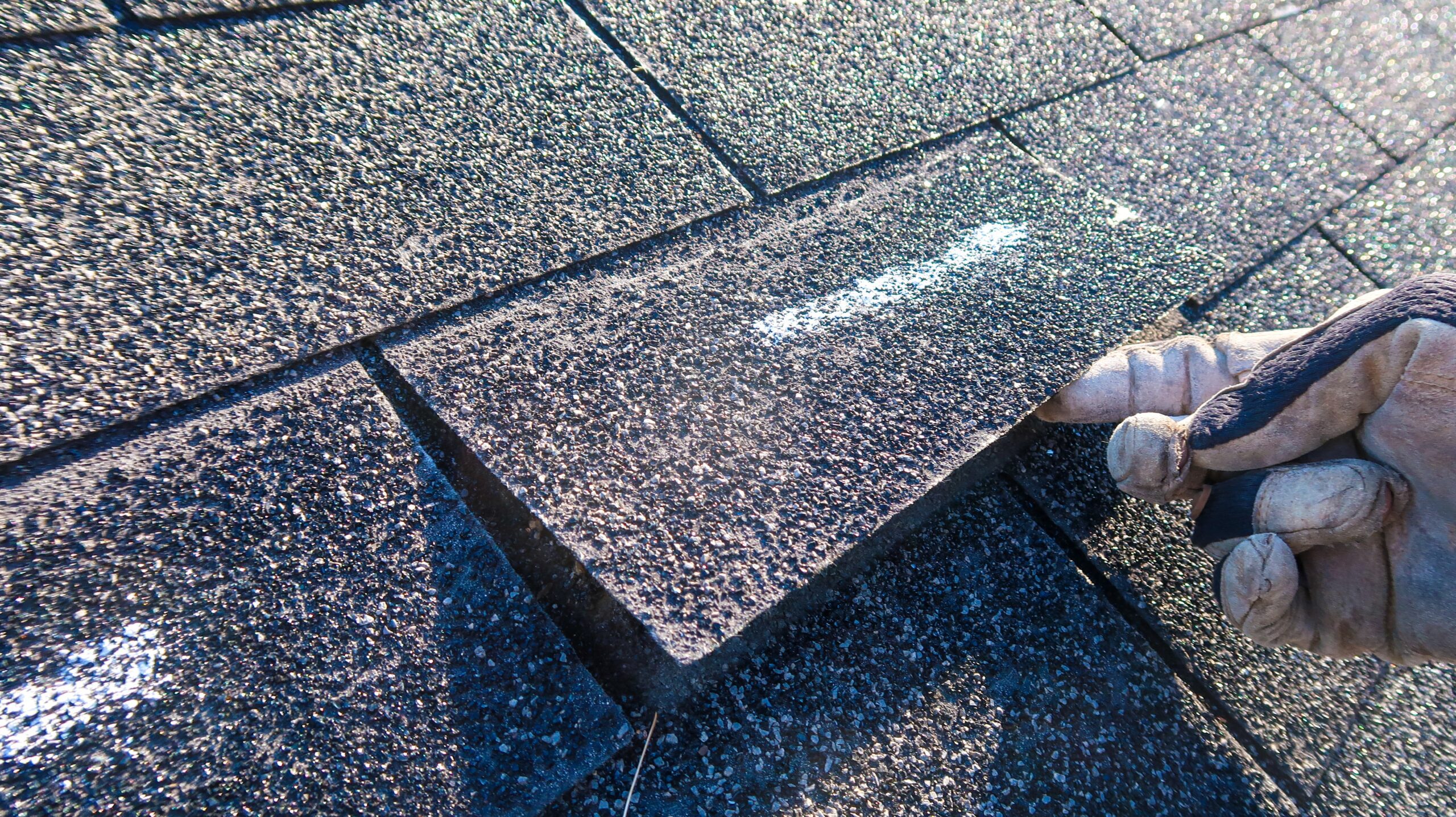
- Clear Winter Debris: Clean out any shingle granules, "helicopter" seeds, and other debris that may have accumulated over the winter and spring.
- Inspect for Winter Damage: Winter can be tough on your gutters. Look for any cracks, rust spots, or sections that may have pulled away from the house due to the weight of ice. Addressing these issues promptly is key. A small problem left unfixed can become a major failure during the next storm.
If you are not comfortable or able to perform this maintenance yourself, professional services are available. Cola City Roofing offers comprehensive gutter repair services and maintenance plans to keep your system in perfect working order.
The Value of Gutter Guards
Gutter guards are covers that fit over your gutters to prevent leaves and debris from entering while still allowing water to flow through. They can be an excellent investment to reduce the frequency of cleanings and ensure your gutters are always ready to do their job.
There are several types of gutter guards available:
- Screens: These are simple metal or plastic grids that sit on top of the gutter. They are effective at blocking large leaves but may allow smaller debris like pine needles and seeds to pass through.
- Mesh: Finer mesh guards offer better protection against smaller debris.
- Surface Tension (Helmet) Guards: These have a solid, curved surface that allows water to cling to it and flow into a narrow slot while leaves and debris are washed over the edge.
While gutter guards can significantly reduce maintenance, they are not a "set it and forget it" solution. They should still be inspected periodically to ensure they are functioning correctly and to clear any fine debris that may accumulate on top of them. Our team can help you choose and install the right type of gutter guard for your home and tree coverage.
When to Call the Professionals at Cola City Roofing
While proactive maintenance can prevent many issues, there are times when you need the expertise of a professional roofing and gutter company. Recognizing the signs of a failing system and acting quickly can save you thousands of dollars in potential damages.
Signs Your Gutter System Needs Professional Attention
- Visible Cracks or Holes: Even small cracks can lead to significant water leakage over time, undermining the ground next to your foundation.
- Sagging or Pulling Away: If you see your gutters sagging or a gap has formed between the gutter and the fascia board, this is a serious issue. It means the system is overloaded and the hangers are failing. This requires immediate attention before the entire section collapses.
- Water Stains or Peeling Paint: Look for water stains on your fascia boards, under the eaves, or on your exterior siding. This is a clear sign that water is overflowing or leaking from your gutters.
- Pooling Water Around Your Foundation: After it rains, walk around your home. If you see pools of water near your foundation, it’s a strong indication that your gutters are not effectively channeling water away from the house.
- Water in Your Basement: One of the most common causes of a wet basement is improper drainage from the roof. If you’re experiencing moisture or flooding in your basement, your gutter system should be one of the first things you have inspected.
- Persistent Clogs: If you find that your gutters are constantly clogging despite regular cleaning, it might be a sign of a larger issue, such as improper sizing or pitch.
If you notice any of these warning signs, it’s time to contact us . The expert team at Cola City Roofing can provide a complimentary inspection to diagnose the problem and recommend the best course of action.
Our Comprehensive Gutter and Water Damage Solutions
At Cola City Roofing, we offer a full range of services to protect your home from the dangers of water and ice damage. We understand that your home is your most important investment, and we are committed to providing the highest quality workmanship and customer service.
- Expert Gutter Installation: We design and install custom seamless gutter systems perfectly sized and pitched for your home, ensuring optimal performance and long-lasting protection.
- Professional Gutter Repair: From sealing leaks and re-pitching sagging sections to re-securing loose hangers, our gutter repair services can restore the integrity of your existing system.
- Gutter Guard Systems: We can help you select and install the most effective gutter guards to keep debris out and water flowing freely, dramatically reducing your maintenance burden.
- Fascia and Soffit Repair: Gutter problems often lead to damage to the wooden fascia and soffit boards. We can repair or replace this rotting wood to ensure your new or repaired gutters have a solid structure to attach to.
- Roof Inspection and Repair: Because gutters are part of the total roofing system, we always inspect the condition of your roof edge, shingles, and flashing during a gutter assessment. We can address any related roof issues to ensure your entire home is protected.
Don’t wait for a winter storm to reveal the weaknesses in your gutter system. Taking proactive steps now to ensure your gutters are clean, in good repair, and properly installed is one of the smartest things you can do as a homeowner. Protect your property, your peace of mind, and your wallet by investing in a healthy gutter system.
For a free, no-obligation inspection and quote, contact Cola City Roofing today . Let us help you prepare your home for whatever weather comes its way.