
When you think about your roof, you probably picture the shingles, the chimney, or maybe the slope of the structure itself. It’s the shield that sits on top of your home, protecting you from rain, wind, and sun. However, there is an unsung hero in this protection system that often goes unnoticed until something goes wrong: your gutters.
While they may seem like simple metal troughs attached to the eaves, gutters are the critical infrastructure of your home’s water management system. Without them, even the most expensive, high-quality roof cannot function correctly. Understanding the role of gutters in proper roof drainage is essential for every homeowner who wants to protect their investment and ensure the longevity of their property.
In this comprehensive guide, we will explore exactly how gutters function as part of your roofing system, why they are vital for preventing serious damage, and what you need to do to keep them working efficiently.
Understanding the Basics of Roof Drainage
To appreciate your gutters, you first have to understand the sheer volume of water your roof handles. During a moderate rainstorm, thousands of gallons of water can fall on your roof surface. The primary job of your roof is to shed this water as quickly as possible. The slope (or pitch) of the roof uses gravity to guide water down toward the edges.
But what happens when the water reaches the edge?
Without gutters, that water would simply cascade off the side of the roof like a waterfall. While this might look dramatic, it is incredibly destructive. This uncontrolled water runoff causes soil erosion, damages your siding, ruins landscaping, and most critically, threatens your home’s foundation.
This is where your gutter system steps in. It acts as the catch basin for all that runoff, collecting the water and channeling it into downspouts, which then direct it safely away from your home’s base. It effectively manages the flow, turning a potential flood into a controlled stream.
Why Gutters Are Essential for Your Home’s Health
The relationship between your roof and your gutters is symbiotic. Your roof sheds the water, and the gutters manage it. If one part of this system fails, the other cannot do its job properly. Here is why this system is so vital.
1. Protection Against Foundation Damage
This is arguably the most critical function of your gutter system. When water pours directly off the roof, it pools around the perimeter of your house. Over time, this water saturates the soil. As the soil expands and contracts with moisture changes, it puts immense pressure on your foundation walls.
Eventually, this leads to cracks, settling, and shifting. In severe cases, it can compromise the structural integrity of the entire house. Repairing a foundation is one of the most expensive home repairs you can face. A functional gutter system prevents this by directing water at least several feet away from the foundation.
2. Preventing Basement Flooding
If you have a basement or a crawlspace, you know that moisture is the enemy. Water that pools around your foundation will inevitably find the path of least resistance. Often, that path leads right through cracks in your foundation walls and into your basement.
Proper roof drainage ensures that the water never gets a chance to accumulate near those vulnerable underground areas. By keeping the soil around your home relatively dry, gutters act as a primary line of defense against a flooded basement and the mold growth that often follows.
3. Preserving Your Siding and Exterior Paint
Have you ever seen a house with rot near the ground or paint peeling in strange patterns? This is often caused by splashback. When rainwater falls from the roof and hits the ground (or a deck/patio) without gutters, it splashes mud, dirt, and water back up onto the side of the house.
Over time, this constant moisture rots wood siding, rusts metal, and causes paint to bubble and peel. Gutters eliminate this splashback, keeping your exterior walls dry and clean.
4. Protecting Your Landscaping
You put time and money into your flower beds and shrubs. A "waterfall" effect from a roof without gutters can wash away mulch, expose plant roots, and even kill delicate flowers. The force of the water falling from a single story is enough to dig a trench in the ground around your home. Gutters preserve your landscaping efforts by diverting that destructive force.
The Consequences of Neglected Gutters
It is not enough to simply have gutters; they must be functional. A clogged or broken gutter is often worse than having no gutters at all. When gutters fill with leaves, pine needles, and debris, they trap water.
This trapped water adds immense weight to the gutter system, causing it to pull away from the fascia board. Furthermore, when the water has nowhere to go, it overflows. But instead of falling cleanly to the ground, it often spills backward, rolling down the fascia and soffit, and sometimes even leaking inside your walls.
This is why we emphasize the importance of regular inspections. If your gutters are sagging, leaking, or pulling away from the house, you may need professional assistance. Our team specializes in gutter repair services that can restore your system’s functionality before serious water damage occurs.
Ice Dams and Winter Woes
In colder climates, or even during the occasional freeze in South Carolina, clogged gutters contribute to ice dams. An ice dam forms when snow melts on the warmer upper part of your roof and runs down to the colder eaves. If the gutters are clogged, that water freezes, creating a ridge of ice.
As more snow melts, it backs up behind this ice dam. Since it can’t drain, it seeps under your shingles. This can lead to significant leaks inside your attic and ceilings. Clean, free-flowing gutters are your best prevention against this winter nightmare.
Signs Your Roof Drainage System is Failing
How do you know if your gutters aren’t doing their job? You don’t always have to climb a ladder to find out. Here are some tell-tale signs visible from the ground:
- Peeling Paint on Siding: If you notice paint peeling specifically near the roofline or near the ground, moisture is likely the culprit.
- Water Marks or Mildew: Dark streaks on your siding or fascia boards indicate overflowing water.
- Sagging Gutters: If the gutters look uneven or are pulling away from the house, the fasteners have failed, likely due to the weight of debris and water.
- Erosion: If you see trenches forming in the dirt directly under your roofline, water is overshooting or leaking from the gutters.
- Wet Basements: Frequent dampness in the basement after a rainstorm is a huge red flag that your drainage system isn’t moving water far enough away.
If you spot any of these issues, do not wait. The longer water is allowed to be mismanaged, the more expensive the resulting repairs will be. It might be time to consider whether your current system is adequate or if you need an upgrade. Check out our options for gutter installation services to see how a modern, seamless system can improve your home’s protection.
Gutter Maintenance: The Key to Longevity
Gutter maintenance is not the most glamorous home improvement task, but it is one of the most necessary. To ensure your roof drainage remains effective, you should aim to clean your gutters at least twice a year—once in the spring and once in the late fall.
The Cleaning Process
- Safety First: Always use a sturdy ladder and have a spotter if possible. Wear gloves to protect your hands from sharp debris and screws.
- Remove Large Debris: Use a scoop or your hands to remove the bulk of the leaves and twigs.
- Flush the System: Use a garden hose to flush out the remaining fine dirt and grit (shingle granules often end up here). This also allows you to test the downspouts. If water backs up, you have a clog in the downspout that needs to be cleared with a plumber’s snake or a high-pressure nozzle.
- Check for Leaks: While flushing, watch for leaks at the seams and end caps.
If the thought of climbing a ladder and scooping muck doesn’t appeal to you, or if your home is too tall for you to safely maintain, professional cleaning is a great investment.
Installing Gutter Guards
One way to reduce the frequency of cleaning is by installing gutter guards. These are screens or covers that go over the gutter trough. They allow water to pass through while blocking large leaves and debris. While they don’t eliminate the need for maintenance entirely (fine silt can still get through), they significantly reduce the chances of a major clog during a storm.
Choosing the Right Gutters for Your Home
Not all gutters are created equal. If you are building a new home or replacing an old system, you have choices to make regarding materials and styles.
Materials
- Aluminum: The most popular choice. It is lightweight, resistant to rust, and available in many colors.
- Copper: A premium option that adds a distinctive look. It doesn’t rust but develops a green patina over time. It is extremely durable but comes with a higher price tag.
- Steel: Stronger than aluminum but prone to rust if the coating is scratched or damaged.
- Vinyl: An inexpensive DIY option, but often less durable in extreme temperatures and prone to cracking over time.
Styles
- K-Style: The most common residential profile. It has a flat back and a decorative front that mimics crown molding. It holds a significant amount of water.
- Half-Round: Often found on older, historic homes or combined with copper systems. They are smoother inside, which can help with flow, but they generally hold less water than K-style gutters.
Seamless vs. Sectional
In the past, gutters were sold in sections that had to be pieced together and sealed. Over time, these seams would inevitably fail and leak. Today, the gold standard for Columbia SC roofing and drainage is seamless gutters. These are custom-fabricated on-site to fit the exact length of your roofline. Because they have no seams along the straight runs, the chance of leaking is drastically reduced.
The Link Between Roof Health and Gutter Health
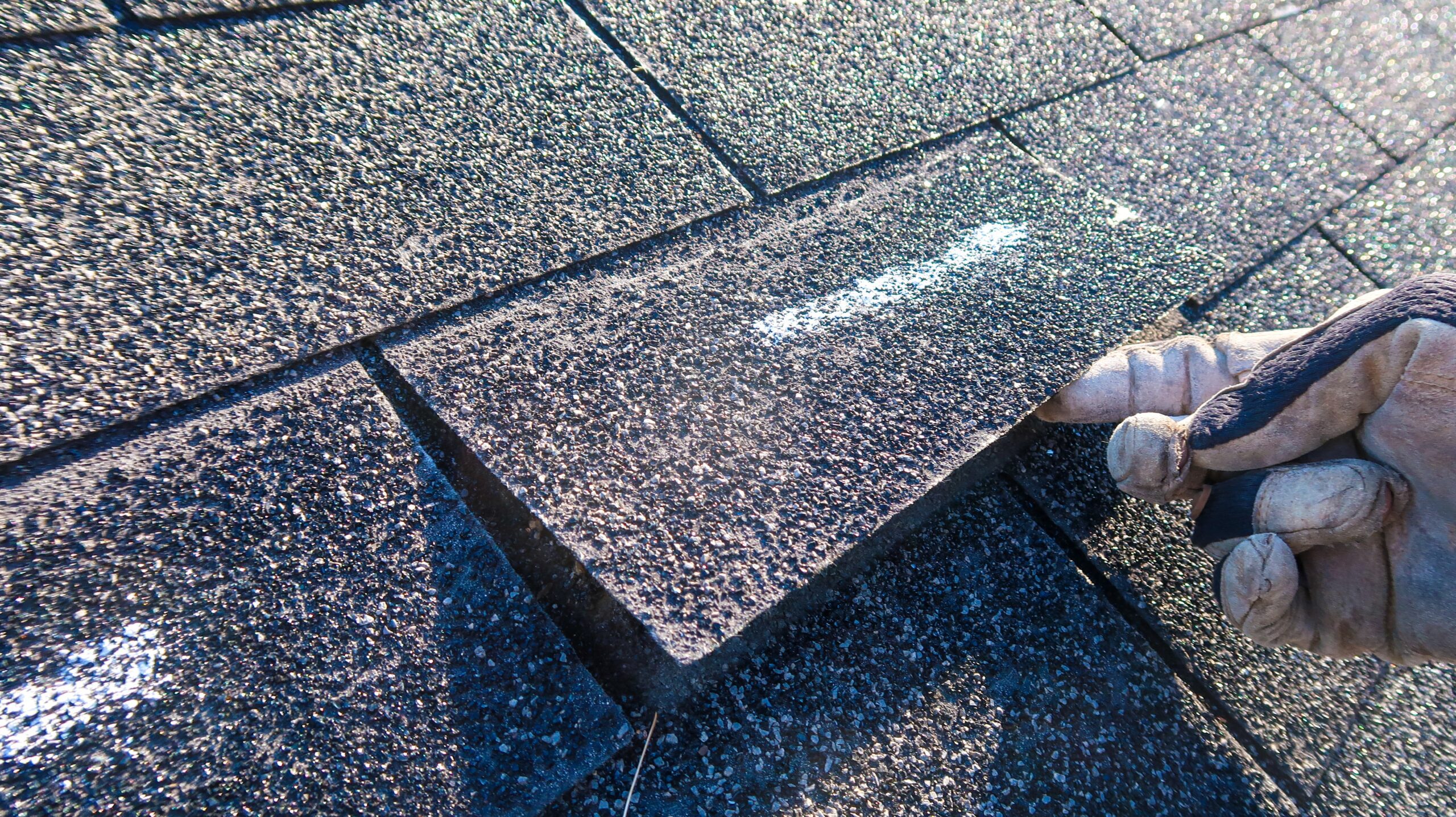
It is important to remember that your roof and your gutters age together. As your asphalt shingles age, they begin to shed granules. These granules wash down into your gutters. If you notice an excessive amount of granules in your gutter trough during cleaning, it is a strong indicator that your roof is nearing the end of its lifespan.
Conversely, bad gutters can ruin a good roof. When gutters clog, water can wick upward. This moisture gets under the roof sheathing (the wood deck under your shingles) and the fascia board. This leads to wood rot. If the edge of your roof deck rots, you won’t just need new gutters; you will need expensive roof repairs to replace the compromised wood.
This is why, when we perform roof inspections, we always check the gutters as well. To truly prevent water damage , you cannot look at one without the other.
Professional Solutions for Roof Drainage
While DIY maintenance is important, some issues require a professional touch. Pitching a gutter correctly is a science. If the gutter is perfectly flat, water won’t drain. If it is pitched too steeply, it looks awkward and the water moves too fast, potentially overshooting the downspout.
Professionals use precise measurements to ensure the gutter slopes just enough—typically about a quarter-inch for every 10 feet—to keep water moving without being visually noticeable.
Additionally, professionals can assess if your downspouts are sufficient. For large roof areas, a standard 2×3 inch downspout may not be enough to handle the volume of water during a heavy downpour. Upgrading to oversized 3×4 inch downspouts can make a massive difference in preventing overflow.
If you are unsure about the state of your current system or if you are planning a roof replacement, it is the perfect time to address your drainage needs. At Cola City Roofing, we understand the local climate and the specific challenges homeowners face in our region. Whether you need a simple repair or a full system overhaul, we are here to help.
Don’t wait for the next storm to reveal a problem. Taking proactive steps now can save you thousands of dollars in water damage repairs later. If you have questions about your roof drainage or need an expert opinion, please visit our contact page to schedule a consultation.
Conclusion
The role of gutters in proper roof drainage cannot be overstated. They are the guardians of your foundation, the protectors of your siding, and the key to a dry basement. While they may hang quietly on the edge of your roof, their job is essential to the overall health of your home.
By understanding how they work, committing to regular gutter maintenance , and addressing repairs promptly, you can ensure that your home remains safe and dry, no matter what the weather brings. Remember, a roof is only as good as the drainage system that supports it. Treat your gutters well, and they will protect your home for years to come.