If you’re starting to think about a new roof, one of your first questions is probably, "How much is this going to cost?" In a search for answers, you’ve likely come across online roofing estimate tools and calculators. These websites promise a fast, free estimate for your project with just a few clicks. But can you really trust a number generated by an algorithm?
While these tools can be a handy starting point, their accuracy often has significant limitations, especially when it comes to the unique factors of homes here in Columbia, SC. An instant online quote simply can’t see the whole picture.
This guide will pull back the curtain on online roofing estimators. We’ll explain how they work, what they get right, and—most importantly—what they miss. Our goal is to help you use these tools wisely as part of your research, so you can move forward with a realistic budget and a clear understanding of what a quality roof truly costs.
How Online Roof Estimators Work
Online roof cost calculators are sophisticated programs that combine publicly available data with pre-loaded cost averages to generate a ballpark figure. The process usually involves a couple of key components.
Using Satellite Imagery and Cost Databases
Most online estimators start by using satellite imagery from services like Google Maps to measure your roof’s surface area. The software identifies the different planes and angles of your roof and calculates its total size. In the roofing industry, size is measured in "squares," where one square equals 100 square feet.
Once the tool has an approximate size, it cross-references that data with a massive, pre-filled database of costs. This database contains average prices for different materials (like asphalt shingles or metal), typical labor rates, and other potential expenses. By plugging your roof’s size into these averages, the algorithm produces an instant estimate.
How Material and Labor Rates Are Calculated
The "cost" part of the equation is a complex blend of assumptions. The calculator pulls a national or broad regional average for materials per square and adds an assumed labor rate. For example, it might be known that architectural shingles cost, on average, a certain amount per bundle and that a typical roofing crew can install a certain number of squares per day.
It then adds markups for things like contractor overhead (insurance, office costs, etc.) and a profit margin. The final number you see is the result of these layers of automated calculations. The system is designed to be quick and generally plausible, but it relies entirely on averages and assumptions, not the specific details of your home.
Pros of Using Online Roofing Tools
Despite their limitations, online estimators aren’t without their uses. When approached with the right expectations, they can be a helpful part of your initial research.
Instant Cost Estimates and Convenience
The biggest advantage of a roof cost calculator is speed. You can get a rough idea of the potential cost of your project in minutes, without having to pick up the phone or schedule an appointment. This convenience is perfect for the very beginning of your planning process when you’re just trying to figure out if a new roof is a project you can tackle this year. It gives you a preliminary number to start thinking about.
Quick Comparison Between Material Types
Another useful feature is the ability to quickly compare the costs of different materials. Most tools allow you to toggle between options like standard 3-tab asphalt shingles, higher-end architectural shingles, and metal roofing. Seeing the price difference side-by-side can help you understand the relative investment required for each option. This can guide your thinking about whether you want to prioritize affordability, longevity, or a specific aesthetic.
Galleries
Latest Projects
Need proof of our skills? Check out our recent roof and gutter work!
Limitations and Common Accuracy Issues
The convenience of online estimators comes at a cost: accuracy. An algorithm can’t see what a trained professional can. These tools miss critical details that can dramatically impact the final price of a roofing project.
No On-Site Inspection or Hidden Damage Assessment
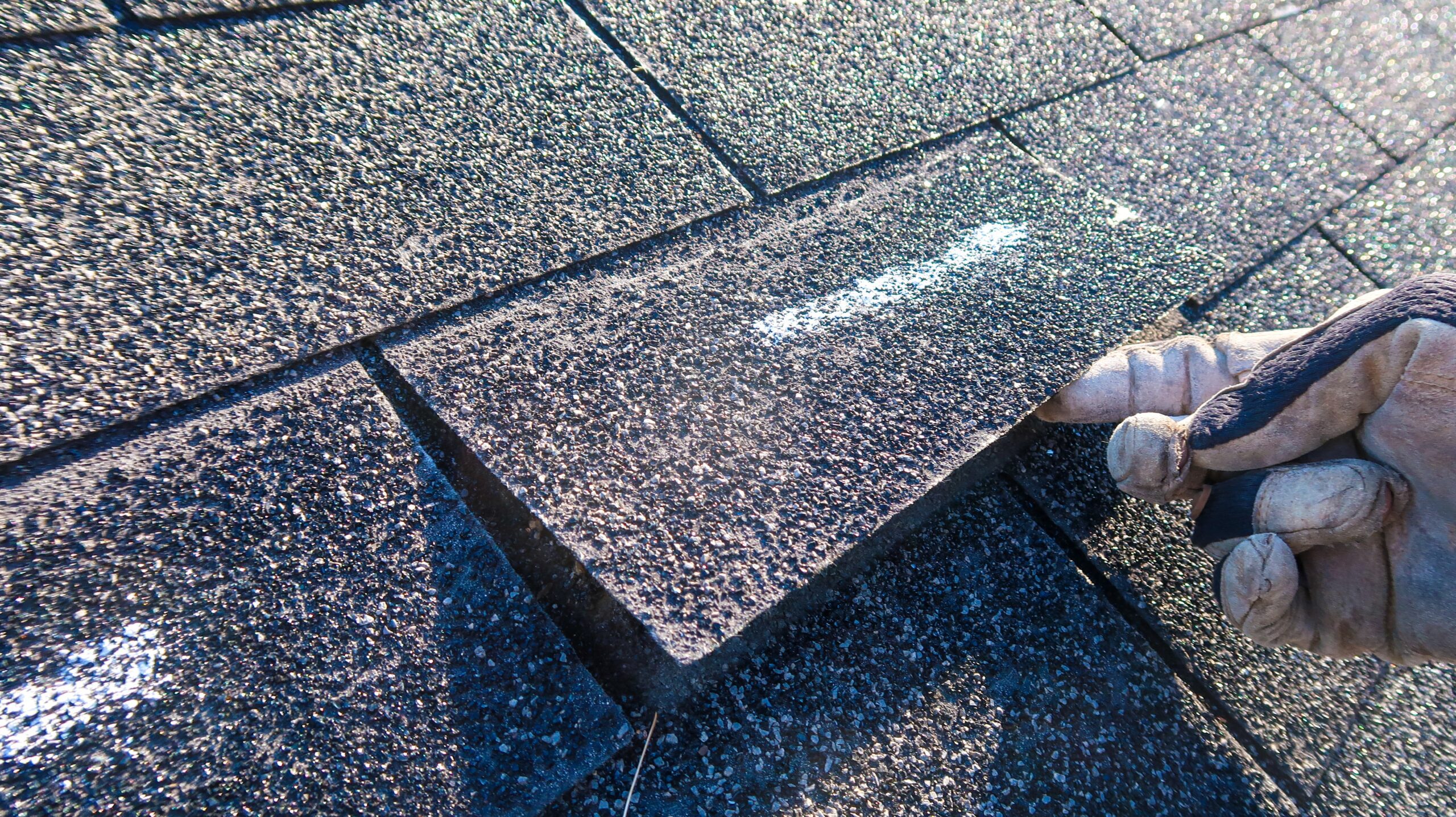
This is the single biggest flaw of any online tool. A satellite image can’t see what’s underneath your existing shingles. A professional on-site inspection is designed to uncover hidden issues that must be addressed during a replacement, such as:
- Rotten Decking: The wooden boards that form the base of your roof are called the decking. If you’ve had slow leaks over the years, some of this wood may be soft or rotten and will need to be replaced. An online tool assumes your decking is in perfect condition.
- Multiple Roof Layers: Many older homes have a new roof layered on top of an old one. Building codes require a full "tear-off" of all old layers before a new roof can be installed. This adds significant labor and disposal costs that an online tool can’t account for.
- Inadequate Ventilation: An estimator can’t check your attic to see if your ventilation is sufficient. Upgrading your ventilation system is often done during a roof replacement and is crucial for extending your new roof’s life, especially in our hot, humid climate.
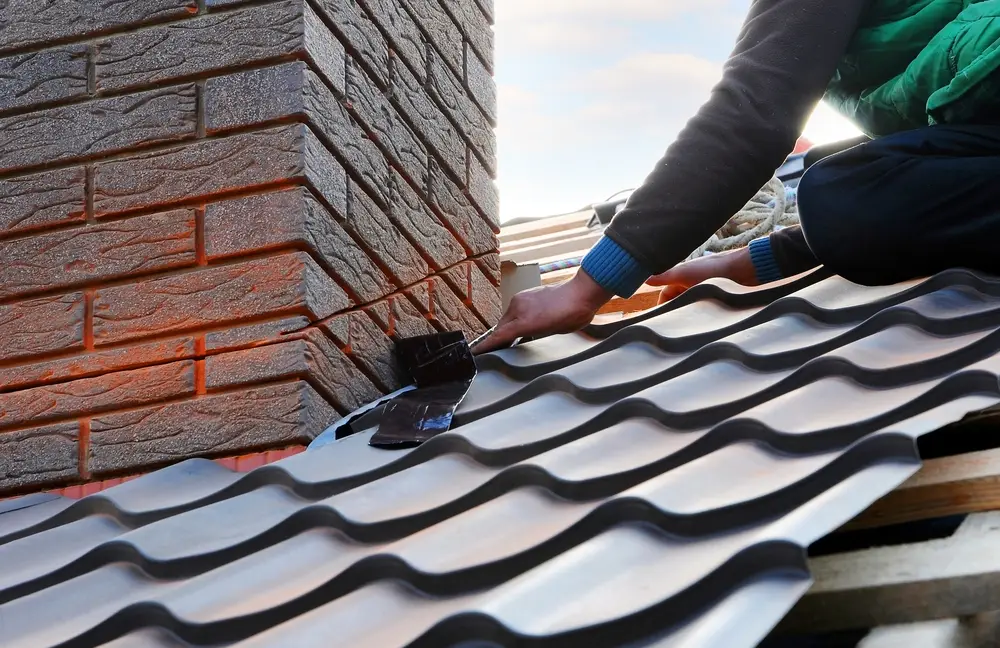
- Complex Flashing or Pitch: A roof with a very steep pitch, multiple chimneys, or complex valleys requires more labor, time, and safety precautions. Online tools often struggle to accurately price these complexities.
Inaccurate Regional Pricing for Columbia SC
Most online calculators use national or large-scale regional cost averages that don’t reflect the specific market dynamics of Columbia. Local pricing is influenced by factors an algorithm doesn’t know, such as:
- Local Labor Rates: The cost of skilled labor can vary significantly from one city to another.
- Material Availability: Supply chain issues or the local availability of certain materials can affect pricing.
- Permitting Fees: The cost and complexity of permits can differ by municipality.
- Local Weather Factors: A local contractor knows that roofs in the Midlands need to stand up to intense heat, sudden thunderstorms, and the occasional hailstorm. They price their work to include materials and installation techniques that can handle these conditions, something a generic calculator doesn’t consider. For example, a local roofer might use specific underlayment or nailing patterns to guard against wind-driven rain, which a national database wouldn’t specify.
Best Way to Use Online Estimates in Your Research
So, if online tools have so many flaws, should you even use them? Yes, but only as a first step and with a healthy dose of skepticism.
Use Them as a Starting Point Only
Think of an online roofing estimate as a "getting-started" number. It can give you a very general idea of the cost range for your project. For example, it might tell you that a new roof is likely to be closer to $15,000 than $5,000. This is useful for initial financial planning.
However, you should never treat this number as a firm quote. Use it to set a preliminary budget, but be prepared for that number to change—potentially by a significant amount—once a professional assesses the project in person.
Confirm with a Professional On-Site Quote
The only way to get an accurate, reliable price for your roofing project is to schedule a professional on-site inspection. A reputable local contractor will provide a detailed, itemized quote that is based on the actual, specific conditions of your home.
A professional quote should include:
- A detailed scope of work, including the tear-off of old materials.
- The exact materials to be used (shingle type, underlayment, etc.).
- Costs for replacing any damaged decking.
- Details on warranty for both materials and labor.
- Proof of license and insurance.
This detailed, in-person quote is the only number you should use to make your final decision.
Final Thoughts: Trust Local Expertise Over Algorithms
Online roofing estimate tools are a testament to modern technology, but they are no substitute for the eyes and experience of a professional . An algorithm can’t see the water-damaged decking under your shingles, it doesn’t understand the specific building codes in your neighborhood, and it doesn’t know that the pine trees in your yard require extra attention to your gutters and flashing.
A local roofing professional brings an understanding of our unique Columbia climate and building practices to every project. We can identify potential problems before they arise and recommend solutions that are tailored to your home and built to last in our environment.
If you’re considering a new roof, feel free to use an online calculator for a rough starting point. But when you’re ready for a real number you can rely on, give us a call . We’re happy to provide a complimentary, no-pressure site visit, where we’ll conduct a thorough inspection and give you a detailed, transparent quote based on the real-world needs of your home.