
When it’s time to repair or replace your roof , you might think any roofer can handle the job. After all, a roof is a roof, right? Not exactly. The world of roofing is split into two distinct specialties: residential and commercial. While they both provide shelter, the design, materials, and skills required for each are vastly different. Choosing a contractor who specializes in one but works on the other can lead to costly mistakes, voided warranties, and a final product that doesn’t meet your needs.
For homeowners in Columbia, understanding these differences is key to making an informed decision and protecting your most valuable asset. A commercial roofer who spends their days on vast, flat warehouse roofs might not have the nuanced skills needed for the steep slopes, complex angles, and aesthetic details of a home.
This guide will break down the essential distinctions between residential and commercial roofing. We’ll explore why your home’s roof requires a specialized approach and help you understand what to look for in a contractor. Our goal is to give you the confidence to choose a true residential expert who will treat your home with the care it deserves.
Understanding the Key Differences
At first glance, the main difference seems obvious: one is for houses, the other for businesses. But the distinctions go much deeper, influencing everything from the architectural design to the tools used for installation.
Roofing design and slope
The most significant difference between residential and commercial roofing is the slope, or pitch.
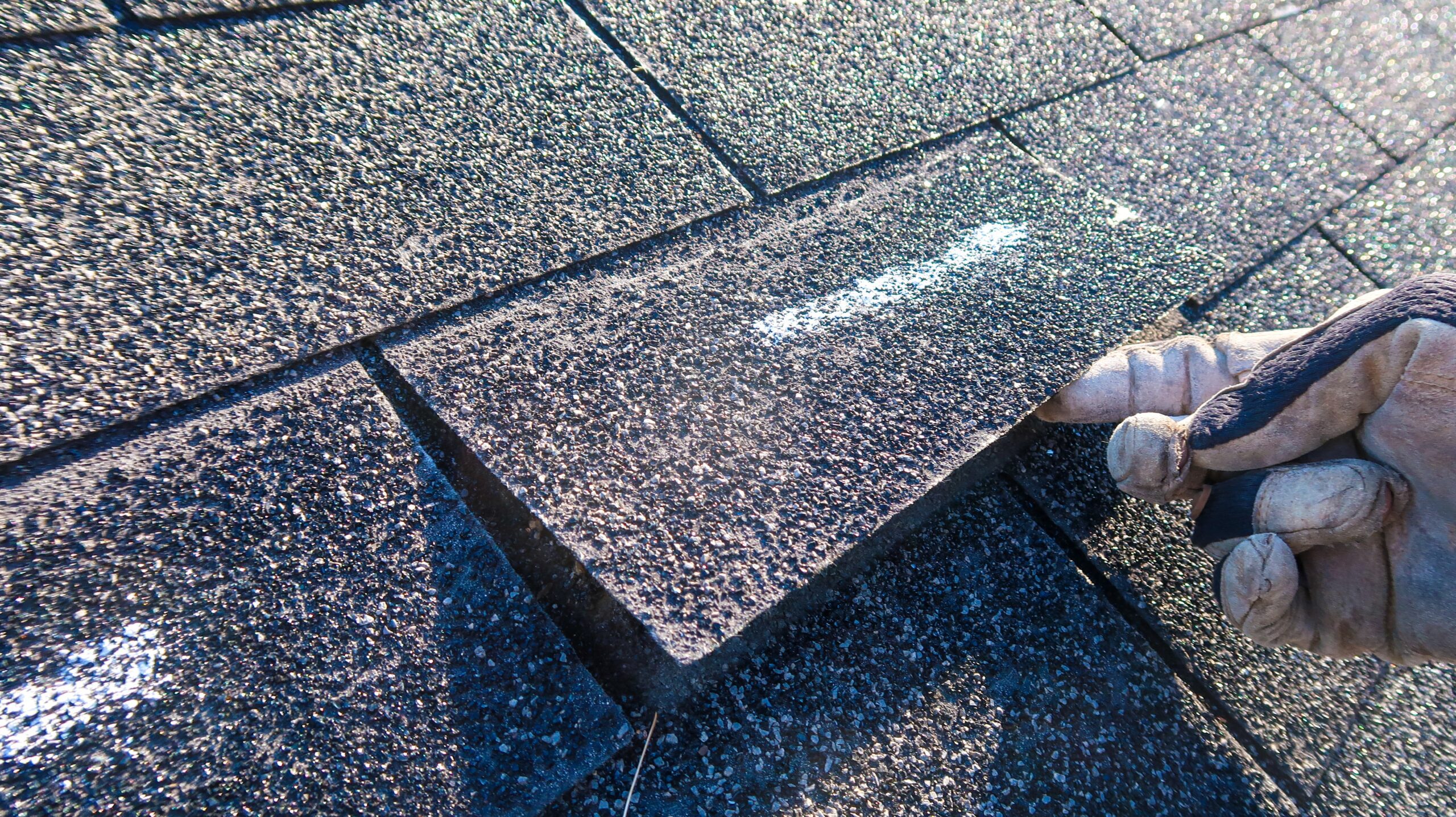
- Residential Roofs: Most homes have steeply sloped roofs. This design is not just for looks; it’s highly functional, designed to shed water and snow quickly. The steep pitch creates a complex system of peaks, valleys, dormers, and hips that all need to be expertly flashed and sealed to prevent leaks. Residential roofs also have numerous penetrations like plumbing vents, attic fans, skylights, and chimneys that require precise, detailed work.
- Commercial Roofs: Commercial buildings, like warehouses, shopping centers, and office buildings, typically feature low-slope or completely flat roofs. Their vast surface area makes a steep slope impractical and expensive. Instead, they rely on complex internal drainage systems, scuppers, and parapet walls to manage water flow. The primary challenge here is preventing pooling water, not shedding it quickly.
The skills needed to manage water on a flat surface are completely different from those needed to navigate the intricate geometry of a sloped residential roof.
Materials and installation methods
The design of the roof dictates the materials used. The materials appropriate for a sloped home roof would fail on a flat commercial one, and vice versa.
- Residential Materials: Homeowners have a wide array of aesthetic options designed for sloped surfaces. These include: Installation involves mechanically fastening these materials in overlapping layers, starting from the bottom and working up, using the roof’s slope and gravity to create a watertight barrier. Asphalt Shingles: The most common choice in the U.S., offering a balance of cost, durability, and style.
- Architectural Shingles: A thicker, more durable version of standard asphalt shingles with a dimensional look.
- Metal Roofing: Standing-seam or metal panels are increasingly popular for their longevity and modern aesthetic.
- Tile or Slate: Premium options known for their beauty and very long lifespans.
- Commercial Materials: For low-slope roofs, the goal is to create a single, seamless, waterproof membrane. Common materials include: These materials are rolled out in large sheets and sealed at the seams using heat welding, adhesives, or specialized tapes to create an impenetrable surface. The installation is more about chemical bonding and waterproofing a flat plane than the mechanical fastening of individual shingles. TPO (Thermoplastic Olefin): A single-ply white membrane that reflects heat, improving energy efficiency.
- EPDM (Ethylene Propylene Diene Monomer): A durable synthetic rubber membrane, often black.
- Modified Bitumen: An asphalt-based system applied in layers, often with a torch or adhesive.
Maintenance requirements
The maintenance needs for each roof type are as different as their construction.
- Residential Maintenance: For Columbia homeowners, maintenance often involves seasonal checkups. This includes clearing pine needles and leaves from gutters and valleys, checking for damaged or missing shingles after a storm, and ensuring flashing around chimneys and vents is secure. The primary concerns are physical damage from weather and debris buildup that can cause water to back up.
- Commercial Maintenance: A commercial roof requires a proactive preventative maintenance program. Because a single small leak can damage huge areas and valuable inventory below, inspections focus on the integrity of the membrane. This means checking seams for any signs of separation, inspecting drains for clogs, and looking for punctures or blisters in the membrane itself. It is a much more technical and systematic process.
Galleries
Recent Works
Need proof of our skills? Check out our recent roof and gutter work!
Why Residential Roofs Require a Specialized Approach
Working on your home is a personal and often emotional process. A residential roofing specialist understands this and brings a different mindset to the job. Their process is tailored not just to the structure of a house but also to the needs of the family living inside it.
Structural differences in homes vs. buildings
The underlying structure of a home is fundamentally different from that of a large commercial building.
- Residential Structures: Homes are typically built with wood-frame construction. The roof decking is usually plywood or OSB, designed to support the weight of shingles and the occasional foot traffic of a roofer. The ventilation systems for residential attics are also unique, designed to prevent heat and moisture buildup that can destroy the roof from the inside out, a major factor in our humid Columbia climate. A roofer must understand how to install a balanced ventilation system to ensure a long roof life.
- Commercial Structures: These buildings often use steel girders and concrete decking to support the roof. The weight loads are massive, designed to hold not just the roofing material but also large HVAC units, pipes, and other heavy equipment. Ventilation is handled by the building’s mechanical systems, not passive attic vents.
A contractor unfamiliar with wood-frame construction could easily damage the decking or fail to install proper ventilation, leading to premature roof failure.
Aesthetic design and curb appeal
For a business, the roof is purely functional. For a homeowner, it’s a major part of the home’s identity and curb appeal. A residential roofer knows that the final look is just as important as the function.
This requires an incredible attention to detail. Shingles must be laid in perfectly straight lines, flashing must be neat and tidy, and cut angles in valleys must be precise. The color and style of the roof need to complement the home’s siding, shutters, and overall design. A residential specialist has the eye for detail needed to produce a beautiful finished product, not just a watertight one. They also understand the importance of protecting your property—laying tarps to protect landscaping, performing meticulous cleanup to remove nails, and communicating with you throughout the day.
Warranty and longevity expectations
Warranties for residential roofing systems are designed for homeowners. They typically cover material defects and workmanship. A residential specialist works with specific manufacturers like GAF or CertainTeed and can often offer enhanced warranties because they have been trained and certified on the proper installation of that specific system.
Improper installation by a non-certified roofer can void these valuable manufacturer warranties, leaving you unprotected if the materials fail prematurely. A true professional who specializes in residential roofing in Columbia, SC, will ensure every component is installed to manufacturer specifications, protecting your investment for decades to come.
When to Call a Residential Roofing Specialist
While it’s always best to use a specialist, there are specific situations where their expertise is non-negotiable. If you wouldn’t hire a plumber to do your electrical work, you shouldn’t hire a commercial roofer for your home.
Roof replacements, leaks, and storm damage
Any major roofing project on your home demands a residential expert .
- Full Replacements: This is a complex job that involves tearing off the old roof, inspecting the underlying decking for damage, installing a new, integrated system of components (like underlayment, ice and water shield, and starter strips), and properly ventilating the attic space. This is the ultimate test of a roofer’s skill.
- Leak Repair: Finding the source of a leak on a sloped roof is detective work. Water can travel a long way from where it enters to where it shows up on your ceiling. A residential expert knows the common failure points on a home’s roof and can pinpoint the source accurately.
- Storm Damage: After a Columbia hailstorm or high-wind event, you need a roofer who is an expert at identifying storm damage on asphalt shingles and knows how to work with insurance companies on behalf of homeowners.
Regular inspections for aging homes
As your home gets older, so does its roof. Getting a regular Columbia roof inspection from a residential specialist is a smart, proactive step. They can identify small issues before they become big problems, such as aging pipe boots, nail pops, or deteriorating sealant around flashing. This can extend the life of your current roof and help you budget for an eventual replacement, rather than being surprised by a catastrophic failure.
Final Thoughts: Choose a Roofer Who Understands Residential Needs
Your home is more than a building; it’s where your family’s life happens. The roof that protects it deserves the attention of a dedicated specialist who understands the unique challenges and details of residential work. From slope and materials to aesthetics and homeowner communication, the difference between commercial and residential roofing is significant.
When you hire a contractor, you’re not just buying shingles; you’re investing in their expertise, attention to detail, and commitment to protecting your home. Choosing a roofer who specializes in homes ensures you get a team that respects your property, understands the specific construction of your house, and has the right skills to deliver a beautiful, long-lasting roof.
If you’re ready to work with a team that treats your family’s home as if it were our own, we’re here to help. Contact Cola City Roofing today to schedule a complimentary, no-pressure site visit . We’ll provide a thorough, photo-documented inspection and a clear, written proposal tailored to the specific needs of your home.