When homeowners think about water damage, they often picture a burst pipe or a hole in the roof. Few immediately consider their gutters as a potential source of water intrusion inside their home. Gutters are designed to manage water on the exterior, so it can be difficult to draw a line from a clogged or damaged gutter to a watermark on your living room ceiling. However, this connection is very real and incredibly destructive. A malfunctioning gutter system is one of the most common culprits behind serious and expensive interior water damage.
Your gutters are your home’s first line of defense against rainwater. When they fail, water doesn’t just disappear; it finds the path of least resistance, which often leads directly into your attic, walls, and foundation. Understanding how a problem on the outside can lead to a disaster on the inside is crucial for every homeowner. This guide will explore the direct link between faulty gutters and interior water damage, help you identify the subtle warning signs, and outline the essential steps to protect your home from this preventable threat.
How Faulty Gutters Cause Interior Water Damage
A gutter system’s job is to collect rainwater from the roof and channel it safely away from the house. When gutters are clogged, sagging, or improperly installed, they cannot perform this function. This failure creates several pathways for water to infiltrate your home’s interior.
Pathway 1: Roof and Attic Leaks from Clogged Gutters
This is the most direct route from a bad gutter to interior damage. It all starts with a clog. Leaves, twigs, pine needles, and shingle grit accumulate in your gutters over time, forming dense blockages.
- Water Backup: When it rains, the clogged gutter cannot drain. Water backs up and pools along the edge of your roof.
- Fascia and Soffit Saturation: The standing water first overflows onto the fascia board (the board the gutter is attached to) and the soffit (the underside of the roof overhang). These wooden components become saturated and begin to rot.
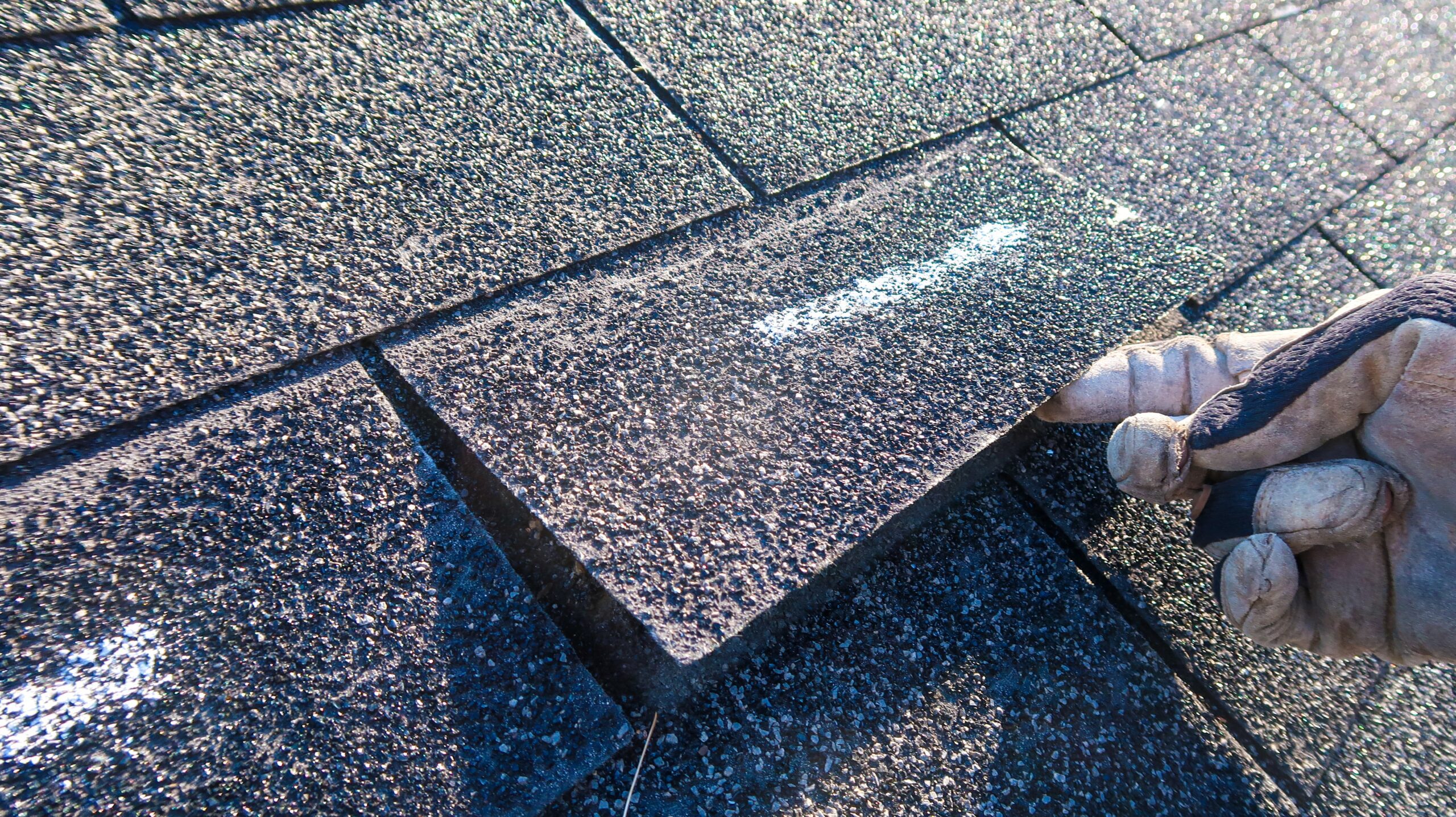
- Under-Shingle Intrusion: As water continues to rise, it defies gravity through capillary action and seeps underneath the first few rows of your roof shingles. This is something your roof is not designed to handle. Shingles are meant to shed water flowing downwards, not repel water pushing upwards from below.
- Roof Decking Rot: The water soaks the roof decking—the plywood or OSB sheathing that forms the structural surface of your roof. Over time, this wood will rot, soften, and lose its structural integrity.
- Attic and Ceiling Leaks: Once the roof decking is compromised, water is free to drip into your attic. From there, it can saturate insulation (rendering it ineffective and promoting mold growth) and eventually soak through the drywall of your ceiling below, creating those dreaded brown stains. In a severe case, a saturated ceiling can collapse under its own weight.
In colder climates, this process is dramatically accelerated by ice dams. The standing water in clogged gutters freezes, creating a dam of ice that forces melting snow and ice from further up the roof to travel underneath the shingles.
Pathway 2: Wall Damage from Overflowing Gutters
Even if water doesn’t get into your attic, overflowing gutters can damage the inside of your walls. When water spills over the front or back of a clogged or sagging gutter, it runs down the siding of your house.
- Window and Door Frame Leaks: Siding is water-resistant, but it’s not waterproof. The most vulnerable points are around windows and doors. Water running down the siding will find its way into small cracks and failed seals around these frames.
- Sheathing and Stud Rot: Once behind the siding, water soaks the wall sheathing and the wooden studs of your home’s frame. This leads to wood rot, which compromises the structural integrity of your walls.
- Interior Wall Damage: The moisture can then penetrate your interior drywall, causing paint to peel, wallpaper to bubble, and the wall itself to feel soft or damp. This damp environment inside your walls is a perfect breeding ground for toxic black mold, which can pose serious health risks.
Pathway 3: Basement Flooding and Foundation Issues
The final pathway for water to enter your home is through the foundation. This happens when gutters overflow or when downspouts are clogged, broken, or discharge water too close to the house.
- Soil Oversaturation: A functioning gutter system directs thousands of gallons of water away from your home. When it fails, all of that water is dumped in a concentrated area around your foundation.
- Hydrostatic Pressure: The soil becomes a waterlogged sponge. This creates immense hydrostatic pressure, which is the force of water pushing against your foundation walls.
- Cracks and Seepage: This pressure is powerful enough to create new cracks in your foundation and force water through existing ones.
- Basement or Crawlspace Intrusion: Water seeps into your basement or crawlspace, leading to flooding, damaged property, and rampant mold and mildew growth. Even a small, persistent leak can create a perpetually damp environment that damages your home and affects your indoor air quality.
While this may seem like an exterior problem, the resulting mold growth and structural damage are very much interior issues that can affect your family’s health and the stability of your entire home.
Spotting the Signs: Early Warnings of Gutter-Related Water Damage
Catching water damage early is key to minimizing repair costs. Be vigilant and look for both the exterior signs of gutter failure and the interior signs of water intrusion.
Exterior Warning Signs:
- Gutter Waterfalls: During rain, do you see water sheeting over the edges of your gutters? This is the number one sign of a clog or a pitch problem.
- Sagging Gutters: Are your gutters bowing or pulling away from the fascia board? This indicates they are heavy with water and debris, and the fasteners are failing.
- Plant Growth: Are there weeds or small saplings growing out of your gutters? This means there is enough soil and trapped moisture to sustain life—a severe clog.
- Peeling Paint or Stains on Siding/Fascia: Look for dark streaks, peeling paint, or signs of rot on the fascia board and the siding directly below the gutters.
- Erosion Below: Do you see trenches in your mulch or soil directly under your gutters? This tells you exactly where water is overflowing.
Interior Warning Signs:
- Stains on Ceilings and Walls: Discoloration, usually in brown or yellow rings, is a classic sign of a slow leak. Pay close attention to ceilings on the top floor and the corners where the ceiling meets the exterior walls.
- Peeling or Bubbling Paint: Moisture behind a painted surface will cause it to lose adhesion and blister or peel.
- Musty Odors: A persistent, damp, or musty smell, especially in the attic or basement, is a strong indicator of hidden mold or mildew growth from a water problem.
- Visible Mold or Mildew: The appearance of black, green, or white splotches on walls, ceilings, or around window frames is a serious sign of a moisture issue.
- Damp Drywall: If a wall feels soft, damp, or spongy to the touch, it means the material is saturated with water.
- Efflorescence on Basement Walls: A white, chalky powder appearing on concrete or brick basement walls is a sign that water is seeping through from the outside and evaporating, leaving mineral deposits behind.
If you notice any of these interior signs, it’s critical to investigate the cause immediately. And more often than not, the trail will lead back to a problem with your gutter system.
Prevention is the Best Medicine: Protecting Your Home’s Interior
The good news is that gutter-related interior water damage is almost entirely preventable. The solution is proactive maintenance and timely repairs.
1. Regular Gutter Cleaning
The single most important step is to keep your gutters clean and free of debris. Clogs are the root cause of most gutter failures.
- Frequency: Gutters should be professionally cleaned at least twice a year—once in the spring to clear out winter debris and once in the late fall after most leaves have fallen.
- DIY vs. Professional: While you can clean gutters yourself, it is a dangerous job that involves heights and unstable ladders. Professionals have the safety equipment and experience to do the job thoroughly and safely. They can also spot potential issues you might miss.
2. Consistent Gutter Inspections and Repairs
Don’t wait for a waterfall to tell you there’s a problem. A professional inspection can catch issues early before they cause damage.
- Check the Slope: Ensure your gutters have the proper slope (about a quarter-inch drop for every 10 feet) so that water flows correctly to the downspouts. Pooling water is a sign of an incorrect pitch.
- Secure the Fasteners: Check that all hangers and fasteners are tight and securely anchored to the fascia board. A sagging gutter needs immediate attention. Professional gutter repair services can reinforce or replace failing fasteners.
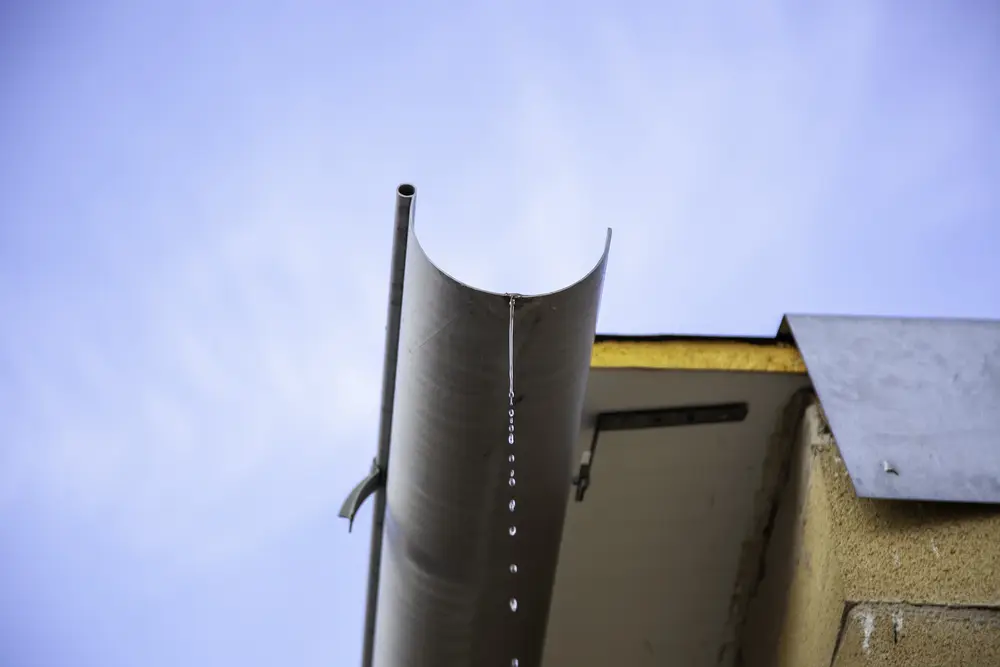
- Seal the Seams: Inspect all joints, corners, and end caps for leaks. These weak points should be resealed with a high-quality gutter sealant as needed to prevent drips that can rot your fascia.
3. Install Gutter Guards
To significantly reduce the frequency of cleaning and prevent clogs from forming in the first place, consider installing a professional-grade gutter guard system. These systems cover the gutter, allowing water to enter while blocking leaves and large debris. While not completely maintenance-free, they are highly effective at preventing the blockages that lead to overflow and water damage.
4. Ensure Proper Downspout Function
Don’t forget the last part of the system. Make sure your downspouts are clear and extend at least four to six feet away from your foundation. This ensures that the water your gutters collect is discharged to a safe location where it won’t seep into your basement.
Don’t Let a Small Gutter Problem Become a Major Interior Disaster
The link between your gutters and the health of your home’s interior is undeniable. A neglected gutter system is a ticking time bomb, waiting to unleash water into your attic, walls, and basement. The resulting damage—from rotted wood and collapsed ceilings to toxic mold—is not only expensive to repair but can also threaten your family’s well-being.
By committing to regular maintenance and addressing issues promptly, you can ensure your gutters continue to protect your home as intended. If you’ve seen any of the warning signs of gutter failure or interior water damage, do not wait. Take action to protect your most valuable investment. For a comprehensive inspection and professional solutions tailored to your home, contact us today. Let our experts at Cola City Roofing ensure your gutters are defending your home, not damaging it.