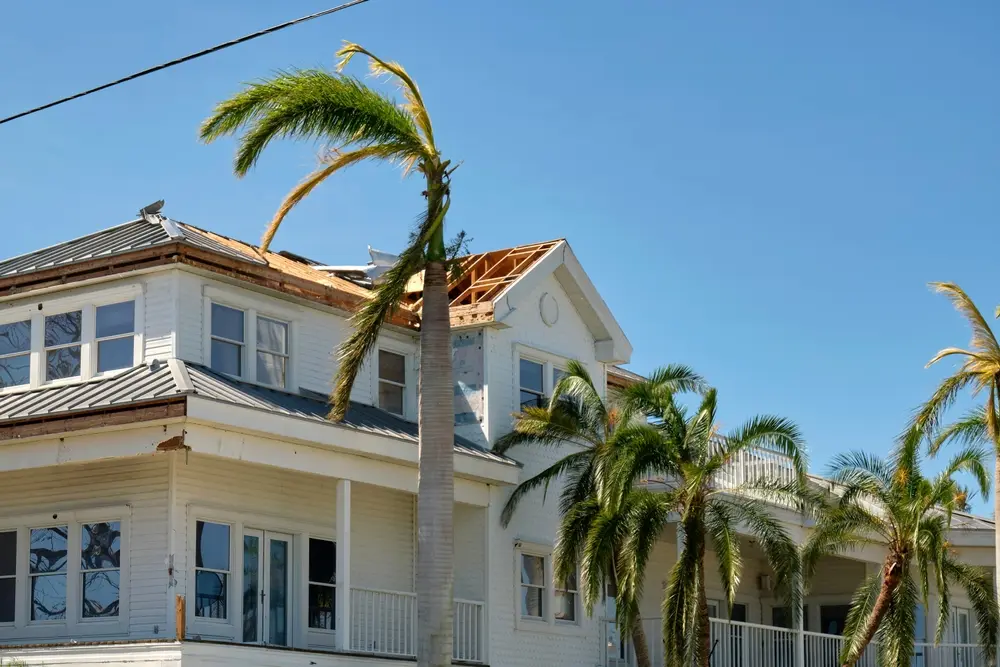
The beautiful, dense tree canopy is one of the things that makes living in Forest Acres, Irmo, and the areas around Lake Murray so special. Those towering pines and sprawling oaks provide shade, beauty, and a sense of establishment. However, they also pose a significant and constant threat to your roof. During a thunderstorm, high winds, or even just from age, trees can shed branches—or entire limbs—that can cause catastrophic damage upon impact.
It’s not just the dramatic event of a large branch falling. The daily, gradual accumulation of pine needles, leaves, and small twigs can clog your roof’s drainage system, leading to water backup, rot, and premature aging. For Midlands homeowners, managing the relationship between your trees and your roof is a critical part of property maintenance. This guide will detail the many ways trees and debris can damage your roof, what to do in an emergency, and how to proactively protect your home.
For a complete overview of our storm restoration and insurance claim support services across South Carolina, visit our storm damage and insurance roofing services in South Carolina page.
The Many Ways Trees and Debris Compromise Your Roof
Damage from trees is not a single event; it’s a spectrum of issues ranging from acute punctures to chronic water damage.
Acute Impact Damage: Punctures, Bruises, and Tears
When a heavy branch or limb strikes your roof, the force is concentrated in a small area, causing severe, localized damage.
- Punctures: A sharp, heavy branch can act like a spear, punching directly through the shingles, the underlayment, and the wooden roof decking itself. This creates a direct, open hole for water to pour into your attic.
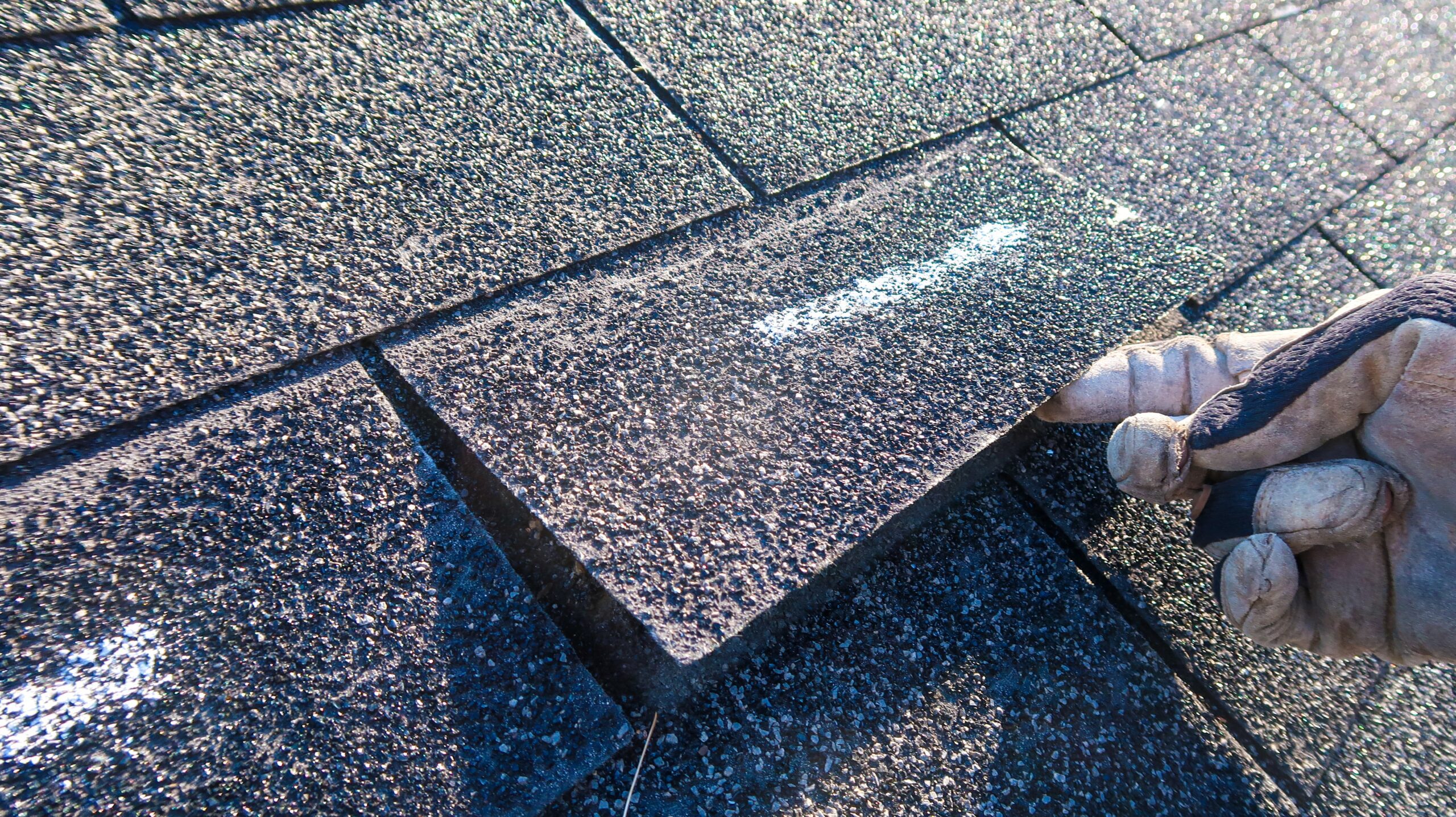
- Shingle Bruising and Tearing: Even if a branch doesn’t puncture the roof, its impact can shatter the fiberglass mat within the shingle, creating a "bruise" that will lead to future leaks. The impact can also tear or rip shingles from their fasteners.
- Flashing and Penetration Damage: Flashing around chimneys, skylights, and vents is particularly vulnerable. An impact can crush or displace these critical metal components, breaking the waterproof seal and creating an immediate leak point. A falling limb can easily shatter a skylight dome.
Gutter and Fascia Destruction
Your gutter system, hanging on the edge of your roof, is often the first thing a falling branch hits.
- Gutter Damage: The weight of an impact can crush sections of your gutter, dent them beyond repair, or tear them completely from the fascia board they are attached to.
- Fascia and Soffit Damage: When a gutter is torn away, it often takes the wooden fascia board with it. This exposes the ends of your roof rafters and creates an entry point for water, pests, and wind.
Chronic Damage: The Slow Clog and Resulting Rot
The less dramatic but equally destructive issue is the constant shedding of smaller debris like pine needles and leaves. This is a major concern for homes in heavily wooded areas like Forest Acres and along the Lake Murray shores.
- Clogged Drainage Systems: Pine needles are notorious for creating dense, stubborn clogs in gutters and roof valleys. When these drainage channels are blocked, water has nowhere to go.
- Water Backup and Rot: During a heavy rain, the trapped water backs up, flowing over the back of the gutter and under the eaves of your roof. It saturates the fascia, soffit, and roof decking, leading to wood rot. This slow, hidden leak can cause thousands in damage before a single drop ever appears on your ceiling.
Immediate Steps After a Tree or Limb Hits Your Roof
If you experience a tree-related roof impact, your immediate actions are critical for safety and for preventing further damage.
Safety and Documentation Checklist
- Assess from a Safe Distance: Do NOT go on the roof. Do not attempt to pull the branch off yourself. The branch may be unstable, and the roof structure beneath it could be compromised.
- Evacuate if Necessary: If a very large tree or limb has fallen on your house and you suspect major structural damage (e.g., cracking walls, sagging ceilings), evacuate the area of the home beneath the impact and call 911 or your local fire department to assess the structural stability.
- Document the Scene Extensively: Before anything is moved, take photos and videos from every possible angle on the ground. Capture the entire tree or branch, where it came from, how it is resting on the roof, and any visible damage to the shingles, gutters, or siding.
- Check for Interior Damage: Carefully inspect the rooms and attic space below the impact area. Look for daylight, debris, active drips, or new water stains on the ceiling. Photograph all interior damage.
- Call a Professional Roofer and an Arborist: You will likely need two emergency calls. First, call a 24/7 emergency roof repair contractor like Cola City Roofing. We can coordinate the response and get a team on the way for emergency tarping. Second, call a reputable, insured arborist or tree removal service to safely remove the limb from your home.
- Notify Your Insurance Company: Report the damage to your insurance provider. Let them know you have had a tree impact and are taking steps to mitigate further damage by calling for emergency services.
If you’re unsure about the full post-storm process, our guide on how to handle storm, hail, or tree damage to your roof walks through each step in detail.
The Professional Emergency Response Workflow
When you call us for a tree impact emergency, we initiate a coordinated response to secure your home.
- Site Safety and Coordination: Our first step is to assess the safety of the site. We will coordinate with the tree removal service to ensure the limb can be removed without causing further damage to the home.
- Limb Removal: The professional arborist will use cranes, ropes, and specialized cutting techniques to carefully dismantle and remove the tree or limb from your roof structure.
- Emergency Tarping / Dry-In: Once the debris is cleared, our team immediately gets to work on a temporary repair. We will install heavy-duty tarps over the damaged area, securing them with battens to prevent water from getting in. This protects your home’s interior from rain while the insurance and repair process moves forward.
- Interior Protection: We will also advise on steps to protect the interior of your home, including setting up containment if there is a risk of falling debris or dust from the damaged ceiling.
Our team specializes in storm damage roof repair in Columbia, SC, ensuring fast stabilization and a clear plan for permanent restoration.
Assessing the Full Scope of the Damage
After the emergency is stabilized, a thorough assessment is needed to determine the full extent of the damage, which often goes far beyond the visible impact point.
- Decking and Structural Checks: We will perform a hands-on inspection of the roof deck from both the surface and inside the attic. We check for cracked or broken plywood and, most importantly, inspect the underlying rafters or trusses for any fractures or splits caused by the impact’s force.
- Moisture Mapping: Using infrared cameras and moisture meters, we map the extent of any water intrusion that may have occurred. Water can travel sideways, so the wet area in your attic may be much larger than the visible impact zone.
- Full Roof Evaluation: An impact in one area can sometimes cause collateral damage elsewhere. We inspect the entire roof plane for any other issues that may have resulted from the impact’s shockwave.
Repair vs. Full Replacement: Making the Call
- Repair: If the damage is highly localized to just a few shingles and there is no underlying structural damage, a professional repair may be possible. This would involve replacing the damaged shingles, underlayment, and any compromised decking in that small area.
- Replacement: A full storm damage roof replacement is often necessary if: The impact caused widespread fracturing or tearing of shingles across a large area.
- The underlying roof decking or structural trusses are significantly damaged.
- The roof is older, and the impact has compromised an already aging system.
- Finding a matching shingle for a repair is impossible, which would result in a poor aesthetic that lowers home value.
If you’re weighing your options, our guide on whether to repair or replace your roof after a storm explains how homeowners can make the most cost-effective long-term decision.
The Proactive Prevention Plan
The best way to deal with tree damage is to prevent it from ever happening.
- Professional Tree Trimming: Have a certified arborist inspect your trees annually. They can identify and remove dead or weak branches. Maintain a clearance of at least 6-10 feet between any tree branches and your roof surface. They can also thin the tree’s canopy to reduce the "wind sail" effect, making it less likely to be uprooted in a storm.
- Install Gutter Guards: For homes under a heavy canopy of pine or deciduous trees, a high-quality gutter guard system is a game-changing investment. It prevents the constant buildup of debris, ensuring your gutters can do their job during a heavy rain.
- Upgrade Your Drainage System: If you have recurring clogs, consider a comprehensive roof drainage solution. This can include upgrading to oversized 6-inch gutters and larger 3×4-inch downspouts that can handle more water and debris without clogging.
- Install Valley Shields: Metal "shields" can be installed in roof valleys to help shed leaves and needles more effectively, preventing the dams that cause water to back up under your shingles.
Insurance, Tree Removal, and Debris Disposal
Navigating the insurance claim for tree damage has a few unique elements.
- "Act of God": Damage from a tree falling during a storm is typically considered an "Act of God" and is covered by your homeowner’s policy.
- Debris Removal Coverage: Most policies include coverage for "debris removal," which helps pay for the cost of getting the tree off your house and property. Check your policy for the specific coverage limits.
- Who Pays for Tree Removal?: Generally, your insurance policy pays to remove the part of the tree that is on your home or blocking access. If your neighbor’s healthy tree falls on your house during a storm, your insurance still pays for your damages.
- Supplements for Hidden Damage: The initial insurance estimate may not account for structural damage to a rafter or widespread decking damage. As your roofing contractor near Lake Murray, we provide the necessary documentation to file a supplement and get this hidden damage covered.
Frequently Asked Questions About Tree and Debris Damage
- A huge limb is on my roof, but it’s not leaking. Can I wait to deal with it? No. The weight of the limb is putting immense stress on your roof’s structure. It could have caused cracks in the rafters or decking that are not yet visible. It needs to be removed safely and the area inspected immediately.
- My neighbor’s tree fell on my house. Is he responsible? In most cases, no. If the tree was healthy and fell during a storm, the damage is considered an Act of God, and your own homeowner’s insurance policy is responsible for covering the repairs to your property.
- Will insurance pay to cut down other trees that I’m worried about? No. Insurance is for restoring damage that has already occurred. Proactive, preventative tree removal is considered a homeowner maintenance expense.
- What are gutter guards and do they really work? Gutter guards are screens or covers that are professionally installed over your gutters to block leaves and debris while allowing water to flow through. High-quality systems are extremely effective and can virtually eliminate the need for gutter cleaning.
- How much does emergency tree and roof service cost? This can vary widely depending on the size of the tree, the complexity of the removal, and the extent of the roof damage. The good news is that these emergency services should be covered by your insurance claim. We work directly with your insurance to document these costs.
- I have pine needles all over my roof. Are they causing damage? Yes, indirectly. They hold moisture against your shingles, which can accelerate aging. More importantly, they will wash into your gutters and valleys, causing clogs that lead to water backup and rot.
- Should I try to get the leaves and branches off my roof myself? We do not recommend homeowners go on their roofs. It can be dangerous, and walking on the roof can grind the debris into the shingles, causing granule loss. It’s safer to hire a professional for roof cleaning and maintenance.
Reclaim Your Peace of Mind from Overhead Threats
Your home should be a safe haven, especially during a storm. Living under the beautiful canopy of the Midlands shouldn’t have to be a source of constant worry. By taking proactive steps to manage your trees and knowing who to call in an emergency, you can protect your investment and maintain your peace of mind.
If a tree has damaged your home, or if you’re concerned about the state of your roof due to overhanging branches and debris, contact Cola City Roofing. We provide rapid and reliable emergency roof repair, expert inspections, and long-term solutions to keep your home safe, dry, and secure.