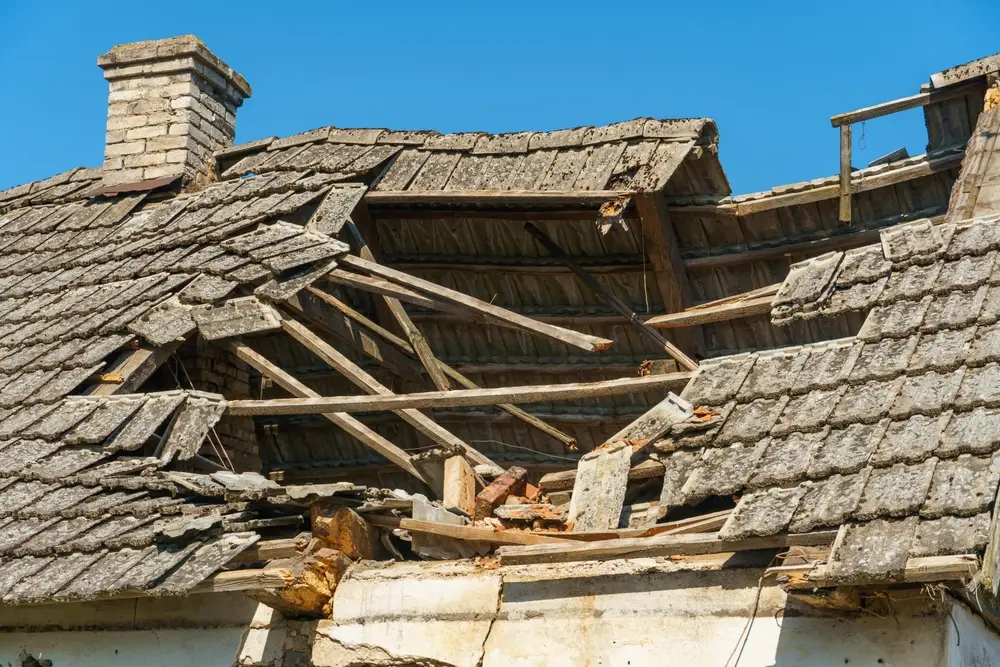
When a heavy storm blows through Columbia or the Midlands, your roof often takes the hardest hit. From lifted shingles and cracked flashing to leaks that show up days later, storm damage isn’t always obvious right away — but acting fast can make all the difference.
At Cola City Roofing, we get dozens of calls after every big storm from homeowners worried about roof leaks or missing shingles. Some need simple storm damage roof repairs, while others discover structural issues that require a full roof replacement . The key is knowing the difference — and getting a professional roof inspection after a storm before the next rainfall makes things worse.
Whether your home is in Lexington, Irmo, or right here in Columbia, our team can help you assess the damage, document it for insurance, and decide the smartest next step for your home and budget.
For a complete overview of how we handle storm damage, insurance documentation, and full roof restoration across the state, visit our storm damage and insurance roofing services in South Carolina page.
What to Do Right After a Major Storm Hits
The moments after a severe storm passes can be stressful. Before you even begin to assess the potential damage to your roof, your first priority should always be safety. Once the storm has completely passed and it’s safe to go outside, it’s time to take a few critical first steps.
Acting quickly is crucial. Not only does it help prevent any existing damage from getting worse, but it also strengthens your position when filing an insurance claim. Insurers expect homeowners to take reasonable steps to mitigate further damage. A professional roof inspection after a storm is the most important part of this process. It provides the documentation you need and a clear path forward.
Here is an immediate safety checklist to follow:
- Check for Downed Power Lines: Before stepping outside, look around your property for any fallen power lines. If you see any, stay far away and contact your utility company immediately.
- Look for Obvious Dangers: Scan your yard for fallen trees or large limbs that may be unstable or resting on your roof. Do not attempt to remove heavy debris from your roof yourself.
- Perform a Ground-Level Inspection: Walk around your property and look for visible signs of roof damage like missing shingles, dented gutters, or cracked siding. Use binoculars for a closer look if needed. Do not climb on your roof , as it could be slippery or structurally compromised.
- Inspect Your Attic and Ceilings: Inside your home, check your attic for any signs of moisture or daylight coming through the roof deck. Look at the ceilings in your upper-level rooms for any new water stains or discoloration.
- Contact a Professional: If you see any signs of damage, your next call should be to a trusted local roofing contractor for a roof inspection after a storm in Columbia, SC .
Visible Signs of Storm Damage You Shouldn’t Ignore
After a storm, some types of roof damage are easy to spot from the safety of the ground, while others are more subtle. It’s important to know what you’re looking for. Even seemingly small issues can be indicators of a much larger problem.
Common signs of hail or wind roof damage in Columbia include:
- Missing or Lifted Shingles: Wind can easily get under the edge of shingles, breaking their seal and tearing them off completely. This leaves your roof’s underlayment exposed to the elements.
- Cracked or Broken Shingles: High winds can cause shingles to bend back and crack. Hail can shatter shingles, especially on older, more brittle roofs.
- Dents on Gutters, Flashing, or Vents: Hail often leaves its mark on the metal components of your roof system first. Dented gutters or vent covers are a strong indicator that your shingles likely sustained damage as well.
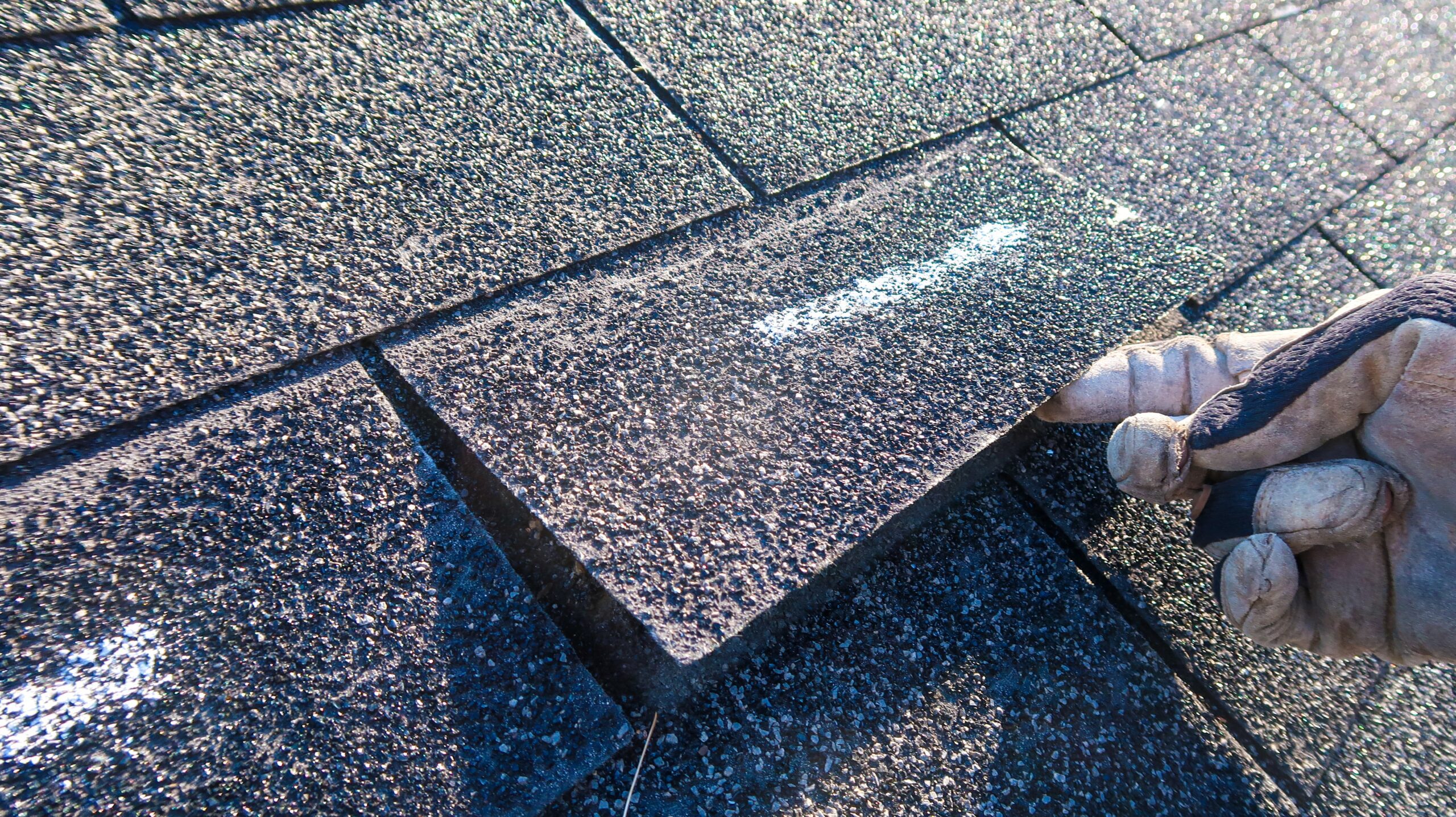
- Granule Loss: Heavy rain and hail can knock the protective granules off your asphalt shingles. You may see these sand-like particles collecting in your gutters or at the bottom of your downspouts.
- Debris on the Roof: While leaves and small twigs are normal, large limbs or other debris can cause significant impact damage, cracking shingles and the decking beneath.
If you’re seeing any of these warning signs, our detailed guide on storm damage roof repair in Columbia, SC explains what to expect next.
When Damage Looks Minor but Isn’t
The most dangerous type of storm damage is the kind you can’t see. A strong gust of wind might only lift a shingle for a moment, breaking its seal without tearing it off. To the naked eye, the roof looks fine, but that broken seal is now a direct pathway for water intrusion. Similarly, a hailstone might create a small "bruise" on a shingle that doesn’t look like much, but it has fractured the matting and compromised its water-shedding ability.
This is where the expertise of Cola City Roofing’s trained inspectors becomes invaluable. We know how to spot this hidden damage. We understand that a minor exterior issue can mask significant problems like saturated insulation, which loses its R-value, or moisture seeping into the roof deck, which can lead to rot over time.
How Columbia’s Climate Makes Storm Damage Worse
In South Carolina, our climate is an unfortunate accomplice to storm damage. The combination of high winds and torrential rain during a storm is followed by our signature heat and humidity. Hail is especially destructive in our region, which is why understanding the full scope of hail roof damage repair is so important for homeowners. This creates a worst-case scenario for a compromised roof.
Any moisture that gets in through a cracked shingle or a broken seal doesn’t just evaporate. The humidity keeps the underlying wood and insulation damp, promoting the growth of mold and accelerating rot. The intense summer sun then bakes the damaged shingles, making them even more brittle and susceptible to further damage in the next storm. This is why a small issue can escalate so quickly here, turning a minor leak into a major structural problem. As South Carolina roofing experts, we’ve seen this cycle play out time and time again.
Repair vs. Replace — How to Tell What Your Roof Really Needs
Once you’ve confirmed there is damage, the big question becomes: can it be repaired, or does the whole roof need to be replaced? The answer depends on several factors, including the age of your roof, the extent of the damage, and the type of materials. A professional evaluation from a storm damage roofing company in Columbia, SC is the only way to know for sure.
Here’s a quick comparison to help you understand the options:
Our team will give you an honest assessment and help you compare the cost to repair vs. replace the roof, so you can make a confident decision. We offer both expert roof repair and full roof replacement .
Factors That Tip the Scale Toward Replacement
While a repair is often the first hope, certain conditions almost always make a full replacement the smarter choice, especially after a storm.
- Age of the Roof: If your roof is already over 15 years old, investing a significant amount in repairs is often not cost-effective. The storm damage is likely a sign that the entire system is nearing the end of its life.
- Widespread Damage: If more than 25-30% of your roof is damaged, a replacement is usually more economical than attempting numerous, widespread patches.
- Repeated Storm Damage: If this is the second or third time your roof has needed repairs after a storm, it’s a clear indicator that the system is no longer strong enough to withstand our weather.
- Signs of Underlying Issues: If the inspection reveals soft decking, poor ventilation, or multiple layers of old shingles, these systemic problems can only be properly addressed with a full replacement.
How to Handle Roof Insurance Claims in South Carolina
Navigating the insurance process can feel overwhelming, but a systematic approach makes it manageable. Having an experienced local roofer on your side is a major advantage.
Our team walks homeowners through every step of the insurance process, which you can learn more about on our storm damage and insurance roofing services page.
Step 1: Document the Damage. Before anything is touched, take photos and videos of all the damage you can see from the ground and inside your home. Note the date and time of the storm.
Step 2: Call Cola City Roofing for an Inspection. This is the most critical step. Before you even call your insurance company, have us perform a free post-storm roof inspection. We will provide a detailed, professional assessment of all the damage—both visible and hidden—and give you an accurate estimate for the necessary work.
Step 3: File Your Claim. With our professional assessment in hand, you can now contact your insurance company to file a claim. Our detailed report gives you the evidence you need to support your claim and ensures you are asking for the correct scope of work.
Step 4: Meet with the Adjuster. Your insurance company will send an adjuster to inspect the damage. We are happy to be present during this meeting to point out our findings and ensure they see the full extent of the damage, helping you get a fair settlement.
What Your Insurance Typically Covers After a Storm
Most standard homeowner’s insurance policies cover damage from sudden, accidental events, often called "Acts of God." This includes damage caused by wind and hail. If a storm tears shingles off your roof or hail pummels its surface, your policy will likely cover the cost of repair or replacement, minus your deductible.
However, insurance does not cover damage resulting from neglect or old age. This is why a professional inspection before filing is so important . If you file a claim and the adjuster determines the damage is due to a pre-existing issue or a lack of maintenance, your claim could be denied. Our inspection helps verify that the damage is storm-related, strengthening your claim from the start.
Why a Professional Roof Inspection Matters After Every Storm
After every storm, you need a clear, unbiased assessment of your roof’s condition. A professional roof inspection from Cola City Roofing provides just that. Our inspectors are trained to identify all forms of storm damage, from the most obvious to the most subtle, ensuring nothing is missed. This professional evaluation is your most powerful tool in the recovery process.
Our free post-storm roof assessment offer is designed to give you the information and confidence you need to move forward. We will provide a comprehensive report on your roof’s health and a clear recommendation for the best course of action, all with no cost or obligation.
What We Check During a Storm Damage Inspection
Our comprehensive storm damage roof inspection in Columbia, SC covers every aspect of your roofing system:
- Shingle Condition: We look for missing, cracked, bruised, or lifted shingles.
- Underlayment and Decking: We check the attic for any signs of moisture, rot, or daylight that indicate a breach.
- Flashing: We inspect the metal seals around chimneys, vents, and valleys, as these are common failure points.
- Gutters and Downspouts: We check for dents from hail and ensure they are securely attached and free of debris.
- Ventilation: We ensure all vents are clear and functioning, as proper ventilation is key to a healthy roof.
When Roof Replacement Becomes the Smarter Long-Term Choice
In the aftermath of a storm, a roof replacement can seem like a daunting expense. However, it is often the wisest and most cost-effective decision in the long run. A new roof is not just a repair; it’s an upgrade. You are investing in superior materials that are more resistant to wind and impact, often with higher energy efficiency that can lower your utility bills.
Furthermore, a new roof comes with robust manufacturer and workmanship warranties that protect your investment for decades. This is a level of security that a simple patch can never provide. With our available financing options, a new roof replacement is more accessible than you might think, allowing you to secure your home’s future without breaking your budget.
Free Post-Storm Roof Assessment — Find Out What’s Best for Your Home
The period after a storm is filled with uncertainty. Don’t let your roof be one of your worries. Get a clear, honest answer from the local Columbia roofing contractors you can trust. Our team at Cola City Roofing is here to help you navigate the process, from inspection and insurance to repair or replacement.
Schedule your free post-storm roof assessment today and find out whether repair or replacement makes the most sense for your Columbia home.