
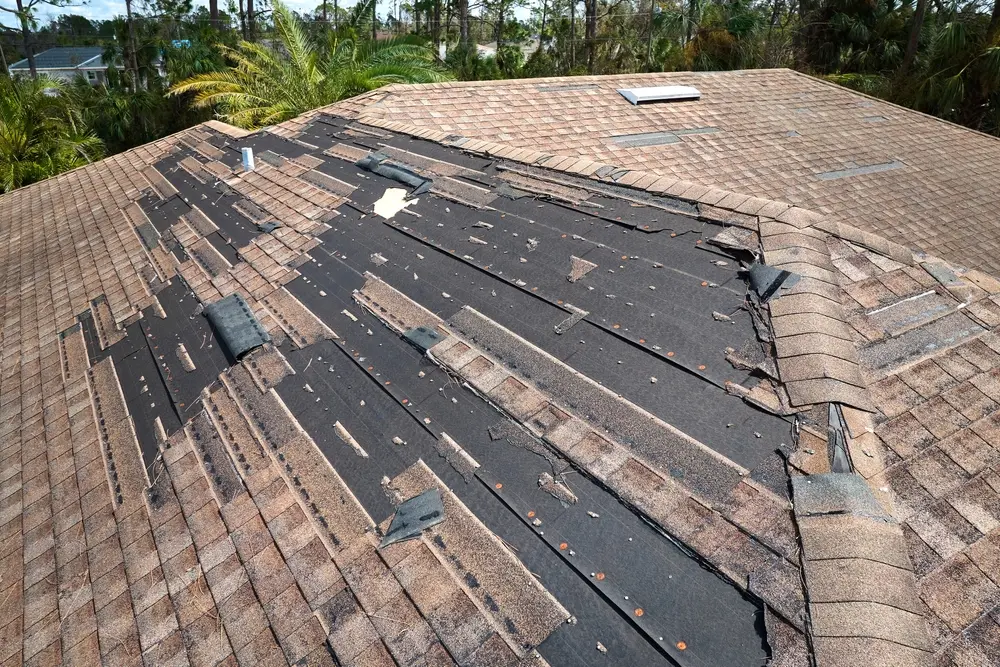
After a storm, the order that matters is: make the roof safe, document the damage before anything is moved or repaired, then call your insurer — in that order. Photograph the roof, the ground and any interior water staining, keep every receipt for temporary protection, and get an inspection in writing. Hail and wind damage is frequently invisible from the ground, so an intact-looking roof is not evidence of an intact roof. This guide covers what counts as storm damage in the Midlands, what to do in the first 48 hours, and how the claim usually runs.
Living in the Midlands of South Carolina brings a unique set of meteorological challenges. While Columbia is "Famously Hot," it is also a frequent target for intense weather systems. From the sudden, violent microbursts of a summer afternoon to the sprawling outer bands of Atlantic hurricanes and the dreaded spring hailstorms, your roof is the primary shield protecting your family and your investment.
When a major storm rolls through Richland or Lexington County, the aftermath can be overwhelming. You might be dealing with fallen trees, power outages, and the visible sight of shingles scattered across your lawn. However, the most dangerous storm damage is often the kind you cannot see from the ground.
At Cola City Roofing , we specialize in helping our neighbors navigate the complex path from storm impact to full recovery. This 3,000-word storm damage roofing guide is designed to be your comprehensive resource for identifying damage, handling insurance companies, and ensuring your storm damage roof repair in Columbia SC is handled with professional precision.
Section 1: The Anatomy of Storm Damage in the Midlands
To effectively protect your home, you must first understand the different ways South Carolina weather attacks your roofing system. Not all storm damage looks the same.
1.1 Wind Damage: Uplift and Scouring
Wind doesn’t just blow against your house; it creates pressure differentials that can lift roofing materials right off the deck.
- Shingle Uplift: High winds can break the adhesive seal between shingle courses. Even if the shingle doesn’t fly off, once that seal is broken, the shingle will "chatter" in future winds, eventually creasing and failing.
- Missing Tabs: This is the most obvious sign. When shingles are torn away, the underlayment is exposed to UV rays and rain, leading to rapid leaks.
- Edge Damage: Winds often catch the "rakes" and "eaves" of the roof. If the gutter installation or drip edge wasn’t properly secured, the wind can peel back the entire edge of the roofing system.
1.2 Hail Damage: The "Silent Killer"
Hail is particularly deceptive. Unless the stones are the size of softballs, they rarely punch holes through the roof. Instead, they cause "bruising."
- Granule Loss: A hailstone hit knocks the protective ceramic granules off the asphalt shingle. Without these granules, the sun’s UV rays bake the exposed asphalt, causing it to crack and leak within months.
- Mat Fracture: A heavy hit can crack the fiberglass matting inside the shingle. This creates a microscopic pathway for water to seep through.
- Soft Metal Damage: Hail will dent your vents, flashing, and gutters. These dents are often the "smoking gun" that insurance adjusters look for to verify a hail claim.
1.3 Debris and Tree Impact
Columbia’s beautiful canopy of oak and pine trees is a liability during a storm. Fallen limbs can cause structural damage to rafters, puncture roofing membranes, and crush gutter systems .
Section 2: Immediate Steps to Take After a Storm
When the clouds clear, your priority should be safety and documentation. Follow these steps to protect your interests:
2.1 Safety First
- Check for Power Lines: Never approach your home if there are downed power lines.
- Stay Off the Roof: A storm-damaged roof can be structurally unstable. Additionally, shingles lose their grip when wet or damaged. Leave the climbing to the pros at Cola City Roofing.
- Smell for Gas: If a tree hit your home, check for gas leaks or electrical "hot" smells.
2.2 Document Everything
Before you move any debris, take photos.
- Ground-Level Photos: Take pictures of hailstones next to a coin for scale. Photograph shingles that have fallen into the yard.
- Interior Photos: If you have water spots on your ceiling, take photos of them immediately.
- Contact a Local Professional: Book an appointment for a professional inspection. A local roofer will provide a much more detailed report than a general insurance adjuster.
2.3 Emergency Tarping
If your roof has a hole or significant missing shingles, you have a legal obligation to "mitigate" further damage. This usually means installing an emergency tarp. Most insurance policies cover the cost of professional tarping, so don’t hesitate to call us for help.
Section 3: Navigating the Insurance Claims Process
This is the area where homeowners feel the most stress. Dealing with insurance adjusters can feel like a full-time job.
3.1 Filing the Claim
Once you have professional verification of damage, call your insurance company to start the claim. You will be assigned an adjuster.
- Pro Tip: Request that your contractor from Cola City Roofing be present when the adjuster visits. We can point out the "bruised" shingles and damaged flashing that an adjuster might overlook.
3.2 Understanding ACV vs. RCV
- Actual Cash Value (ACV): The insurance company pays you the value of the roof minus depreciation (its age). This often isn’t enough to cover a full replacement.
- Replacement Cost Value (RCV): The insurance company pays the full cost to replace the roof at today’s prices. Most modern policies are RCV, but you must check your policy.
3.3 The Role of Xactimate
Most insurance companies use a software called Xactimate to determine the Columbia SC roof cost 2025 . We use the same software to ensure our quotes are in a format the insurance company understands and accepts.
3.4 Commercial Considerations
If you own a business or managed property, storm damage is even more complex. We provide specialized support for commercial storm damage insurance claims, ensuring that business interruption and large-scale structural issues are accounted for.
Section 4: Storm-Resistant Materials: Preparing for the Next One
If the storm was severe enough to require a roofing replacement , you have an opportunity to upgrade your home’s defenses. Don’t just replace like-for-like; build back better.
4.1 Choosing High-Performance Shingles
When reviewing the best roofing materials Columbia SC , look for "Class 4 Impact Resistance."
- GAF Timberline ArmorShield: Designed specifically for hail resistance.
- Owens Corning Duration: Features the SureNail strip that resists blow-offs up to 130 MPH.
- CertainTeed Landmark ClimateFlex: Combines the beauty of wood shakes with the durability of polymer-modified asphalt to withstand the SC heat and storms. Learn more about the differences in GAF, Owens Corning, and CertainTeed on our blog.
4.2 The Case for Metal Roofing
For the ultimate in storm protection, many Columbia homeowners are switching to metal. Metal roofs are virtually impervious to hail and can be engineered to withstand hurricane-force winds. While the upfront cost is higher, the long-term ROI in a storm-prone area is undeniable.
Section 5: The Importance of Gutters in Storm Recovery
A storm doesn’t just attack the shingles; it overwhelms your home’s drainage. During a Columbia downpour, your roof can shed thousands of gallons of water.
5.1 Gutter Failures
High winds can pull gutters away from the fascia, and hail can clog downspouts with shingle granules. If your gutters aren’t working, that water ends up in your crawlspace or basement.
5.2 Seamless Gutter Installation
If your gutters were damaged, we recommend a new gutter installation . Seamless aluminum gutters have no joints to leak and can be custom-sized (6-inch K-style) to handle the heavy volume of South Carolina storms.
Section 6: Why Local Expertise Matters (Permits and Codes)
After a big storm, "storm chasers" from out-of-state will knock on your door. They may offer a low price, but they often lack the local knowledge required for a legal installation.
6.1 Understanding Local Permits
In South Carolina, a roof replacement requires a permit. Dealing with homeowner roof permits SC involves coordinating with city or county inspectors. A local contractor like Cola City Roofing handles all of this for you, ensuring your new roof meets the latest International Residential Code (IRC) requirements for wind resistance.
6.2 Service Locations
We aren’t a national chain; we are part of the community. We have deep roots in our service locations across the Midlands. When you hire local, you know where to find us if you have a question next year.
Section 7: Repair vs. Replacement After a Storm
How do you know if you need a roof replacement guide Columbia or just a few patches?
7.1 The "Total Square" Rule
Insurance companies generally follow a rule: if a certain number of "hits" (hail) or missing shingles are found within a 10×10 foot area (a "square"), they will pay for the replacement of that entire slope or the whole roof.
7.2 The Age Factor
If your roof is 15 years old and suffers storm damage, it’s often impossible to perform a repair. Older shingles become brittle; as soon as a roofer tries to lift an old shingle to tuck a new one underneath, the old shingle cracks. This is why "non-repairability" is a common reason for full insurance-funded replacements.
Section 8: Common Mistakes Homeowners Make After a Storm
Avoid these pitfalls to ensure your home is properly protected:
- Waiting Too Long to File a Claim: Most insurance policies have a one-year limit for filing a storm damage claim. If you wait until the roof starts leaking two years later, you’ll be paying out of pocket.
- Signing a "Contingency Agreement" Too Early: Some roofers will ask you to sign a contract before they even inspect the roof. Never sign anything until you have a detailed roofing estimate and have talked to your insurance company.
- Hiring the Lowest Bid: Insurance claims are unique because the price is essentially set by the insurance company. If you hire a "cheap" roofer, they are simply pocketing the extra insurance money while using lower-quality materials. Hire the best contractor, as the cost to you (your deductible) remains the same.
Section 9: Preventing Future Storm Damage
While you can’t stop the weather, you can prepare your home.
- Tree Maintenance: Keep limbs at least 10 feet away from your roofline.
- Annual Inspections: Have a professional check your roof every spring. Catching a loose shingle now prevents it from becoming a "sail" in the next windstorm.
- Gutter Cleaning: Ensure your gutter-repair-services are up to date so water can clear the roof quickly during heavy rain.