Whether you’re a long-term resident enjoying your forever home or a new buyer starting a new chapter, one of the most significant components you’re responsible for is the roof. It’s your home’s first line of defense, but it doesn’t last forever. This leads to one of the most common questions we hear from Columbia homeowners: "How often should I actually expect to replace my roof?"
The answer isn’t a single number. A roof’s lifespan depends on a variety of factors, including the material it’s made from, the quality of the installation, and the specific environmental challenges it faces. For homeowners in the Midlands of South Carolina, our unique climate of intense sun, high humidity, and seasonal storms plays a huge role in how long a roof will last.
This guide will provide a clear overview of roof lifespans, the factors that can shorten them, and the warning signs that indicate it’s time to start planning for a replacement.
Roof Lifespan by Material: The Manufacturer’s Promise
Every roofing material comes with a manufacturer-rated lifespan. This number represents how long the material is expected to last under ideal conditions. Here are the typical lifespans for the most common roofing materials found in the Columbia area.
Architectural Asphalt Shingles: 25-30 Years
This is, by far, the most popular roofing material for homes in Columbia, and for good reason. Architectural shingles (or dimensional shingles) offer a fantastic balance of durability, style, and value. Unlike the older, flat 3-tab shingles that only last 15-20 years, modern architectural shingles are thicker and built to withstand higher winds and impacts. A properly installed and maintained architectural shingle roof should reliably protect your home for about two and a half to three decades.
Metal Roofing: 50+ Years
Standing-seam metal roofs have surged in popularity due to their exceptional durability and modern aesthetic. While the upfront cost is higher than shingles, a metal roof can easily last 50 years or more, making it a "once-in-a-lifetime" investment for many homeowners. They are highly resistant to wind, rot, and fire, and their longevity makes them a very cost-effective option over the long term.
Premium Materials (Tile and Slate): 75-100+ Years
Materials like clay tile, concrete tile, and natural slate are the champions of longevity. A tile roof can last over a century, while a slate roof can protect a home for 150 years or more. However, these materials are extremely heavy, requiring reinforced roof structures. They are also significantly more expensive and require specialized installation, making them a less common choice for most homes in the Columbia market.
Galleries
Latest Projects
Need proof of our skills? Check out our recent roof and gutter work!
The Columbia Climate Factor: What Affects Your Roof’s Lifespan?
A manufacturer’s warranty is one thing; real-world performance in the South Carolina Midlands is another. Several local environmental factors work to shorten a roof’s lifespan. Understanding these will help you know what to look for.
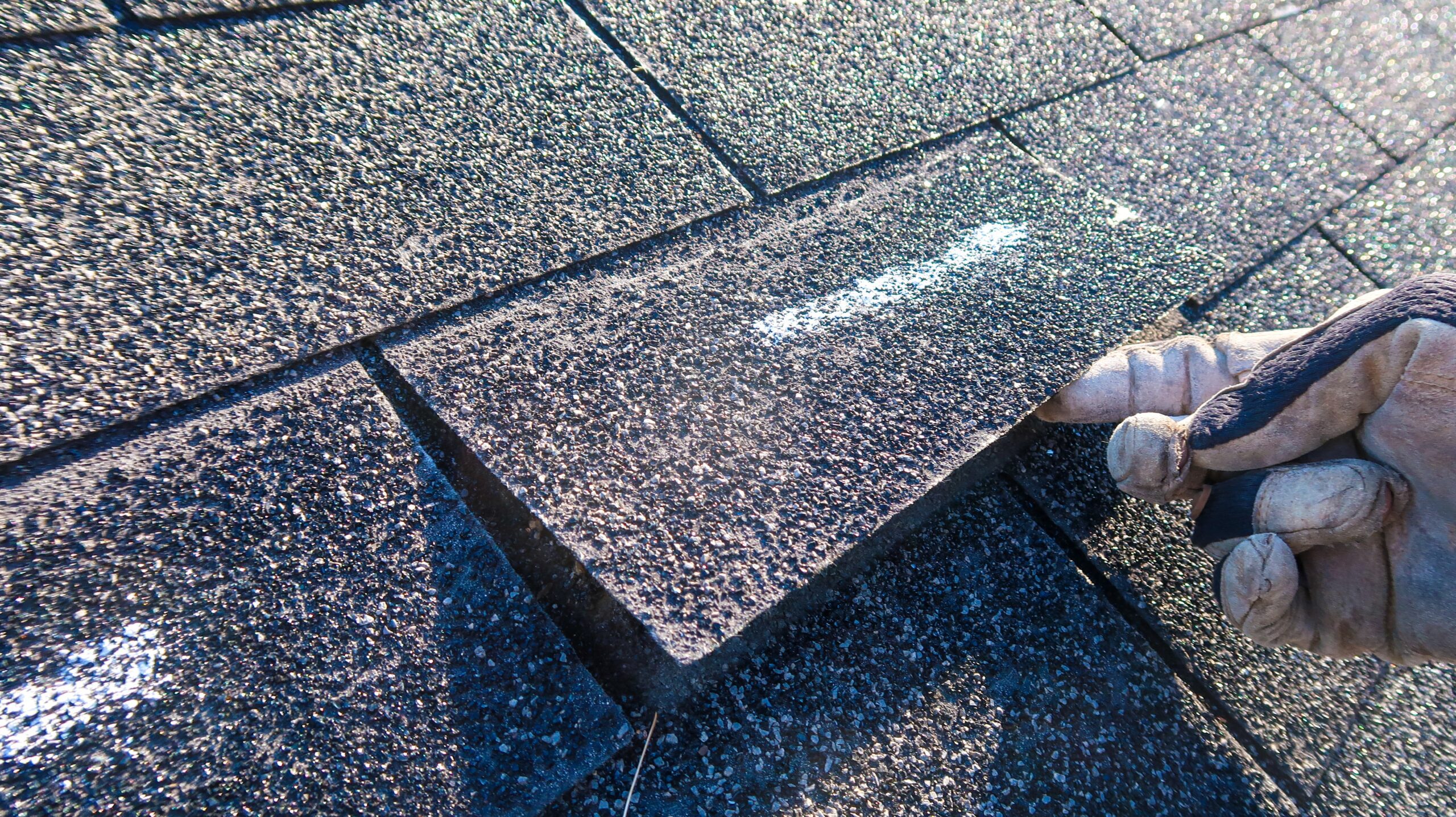
- Intense UV Radiation: The relentless summer sun is your roof’s greatest enemy. UV rays bake the asphalt in shingles, causing the protective oils to dry out. This makes them brittle, prone to cracking, and causes them to lose their protective granules over time.
- High Humidity and Heavy Rain: Our humid climate is a perfect breeding ground for algae, moss, and mildew. Blue-green algae can cause unsightly black streaks on your roof (a condition called gloeocapsa magma ). While mostly cosmetic, heavy moss growth can trap moisture against the shingles, accelerating their decay. Constant moisture also tests the integrity of every seal and seam.
- Thermal Shock: The significant temperature swings between a scorching hot day and a cooler night cause roofing materials to constantly expand and contract. Over many years, this thermal shock can weaken seals, loosen fasteners, and create stress fractures in shingles.
- Severe Weather: Columbia frequently experiences strong winds from thunderstorms and the remnants of tropical systems. High winds can lift shingles, breaking their seals and leaving them vulnerable to being torn off completely. Hailstorms, though less frequent, can cause severe impact damage that compromises the entire roof system.
Key Signs It’s Time for a Replacement
Your roof will give you warning signs long before it fails completely. Knowing how to spot them is key to planning a replacement on your own terms.
- Visible Shingle Damage: From the ground (using binoculars for safety), look for shingles that are curling at the edges, cracking , or have sections that look bald or smooth . These are all signs that the asphalt has aged and is no longer protecting your home effectively.
- Excessive Granule Loss: Check your gutters and the area around your downspouts for an accumulation of what looks like coarse black sand. These are the protective granules from your shingles. A large amount of granule loss means your roof’s "sunscreen" is gone, and it is rapidly deteriorating.
- Widespread Staining or Algae Growth: While a few black streaks are common, if large sections of your roof are covered in algae or moss, it indicates that moisture is dwelling on the surface and the shingles are likely retaining water.
- Leaks or Water Stains in the Attic: The most definitive sign is evidence of water. Use a flashlight in your attic to look for water-stained wood on the underside of the roof deck, damp insulation, or a musty smell. By the time you see a stain on your living room ceiling, the leak has been active for a while.
- A Sagging Roofline: Stand back from your house and look at the ridgeline. If it appears to droop or sag in the middle, this is a serious structural issue, likely caused by rotted roof decking. This requires immediate professional attention.
Making the Smart Choice for Your Home
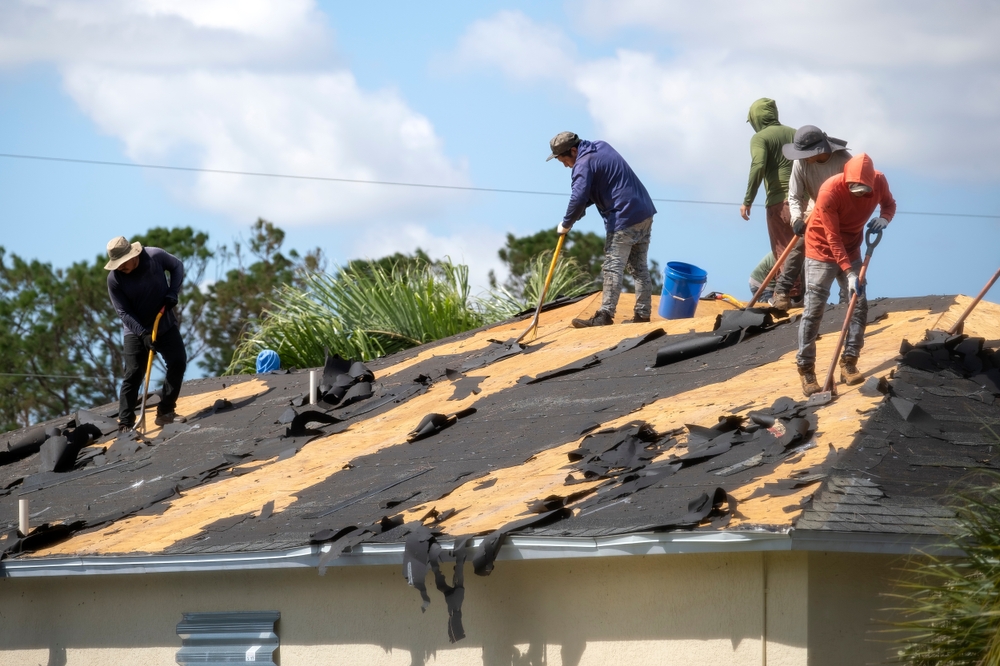
So, how often should you replace your roof? If you have architectural shingles, you should start thinking about a replacement as you approach the 20- to 25-year mark . This is the window where proactive planning can save you from the stress of an emergency replacement. If your roof is older than 25 years, it is living on borrowed time and a replacement should be a top priority.
For new homeowners, getting a professional roof inspection is one of the most important steps you can take. You need to know the true age and condition of the roof you’ve just inherited. Don’t rely solely on the home inspector’s report; a dedicated roofing contractor will provide a much more detailed and accurate assessment.
At ColaCity Roofing, we believe in empowering homeowners with honest information. We offer comprehensive, no-cost roof inspections to assess the condition of your roof, estimate its remaining life, and provide a clear, pressure-free recommendation. Whether you’re a new buyer wanting to understand your investment or a long-term owner planning for the future, we’re here to help.
Don’t guess when it comes to the health of your roof. Contact ColaCity Roofing today to schedule your free inspection and get the clarity you need to protect your home.